10 Peptide-Powered Serums That’ll Help Thicken and Strengthen Your Hair




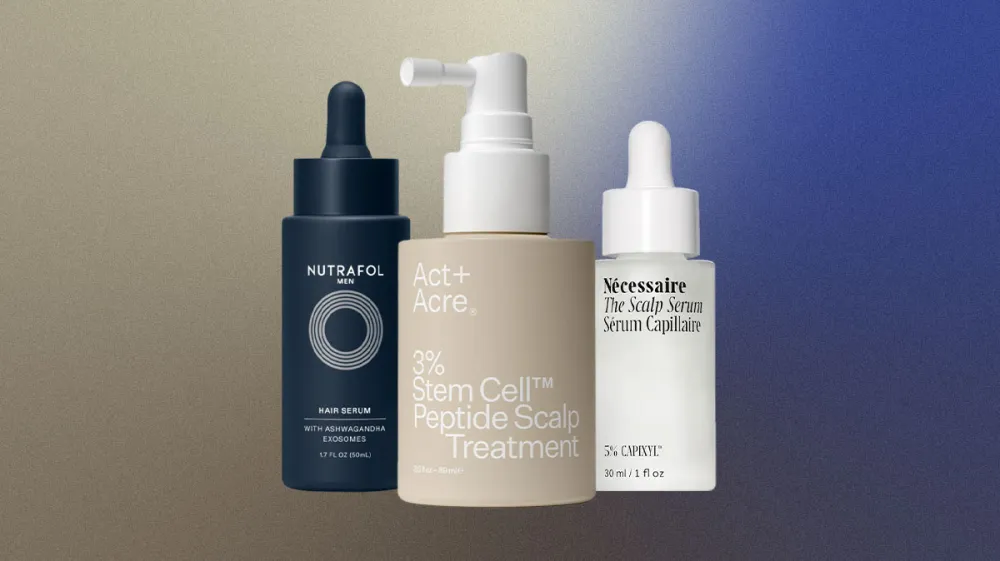
Peptides have long been a fixture in skincare. They signal cells to produce more collagen and repair visible damage. Their role in hair care is relatively new to the market, but the principle is similar: peptides act as messengers, supporting scalp and follicle health so hair can grow in a stronger, more resilient environment.
Instead of being positioned as a cure for thinning, peptide serums for hair are marketed as daily scalp care. Think of them the way you might think of moisturizers or antioxidants for the skin; peptides do not replace proven medical treatments like minoxidil or finasteride, but they can improve the scalp’s condition and may help slow shedding. Here, peptides aren’t about miracle growth. They are about protection, support, and extending the longevity of what you already have.
How Peptides Work
Peptides are short chains of amino acids, which are the building blocks of protein. In skincare, they tell cells to do things like make more collagen or reinforce the skin barrier. On the scalp, their signaling role takes a different form.
“In hair, peptides improve the follicle’s environment and support,” says Greg Ruggeri, a New York–based trichologist (a specialist in hair and scalp health) and owner of Salon Ruggeri. They improve circulation, reduce inflammation, and strengthen the follicle’s environment, giving existing hair a healthier foundation to grow. “They are not a direct regrowth switch, but a supportive nudge,” Ruggeri explains.
There is early clinical research around certain peptides, particularly copper peptides and biomimetic signal peptides, which mimic the body’s natural growth factors. (More on those and other key terms, below.) The key is that peptides are not drugs. They are cues to the scalp that can help maintain healthier conditions, giving existing follicles better odds of producing hair.
Understanding the Lingo
Peptides, even if you’re someone who reads ingredient labels for a living, are among the more confusing ingredients. If you need some clarity, it helps to know these key terms:
Copper peptides: Best known for improving blood flow, reducing inflammation, and signaling repair. These are among the most studied for scalp health. (Though you’ll find them in skincare too.)
Biomimetic peptides: Lab-made versions of natural signaling molecules that mimic growth factors, designed to “speak the same language” as the body.
Signal peptides: A broader category that includes copper and biomimetic versions. These are the peptides that send cues for repair, vascular support, or follicle maintenance.
Growth factor–mimicking peptides: A newer class, still aspirational, that aims to imitate the body’s complex growth factors without requiring biologic materials.
How Hair-Targeting Peptides Differ From Skincare Peptides
In skincare, peptides are prized because they can “talk” to skin cells in ways other ingredients cannot. Certain peptides signal fibroblasts to ramp up collagen and elastin production, while others reinforce the skin barrier or calm inflammation. Unlike ingredients that deliver hydration or exfoliation directly, peptides act as messengers, triggering biological processes that help skin repair itself.
Again, peptides in hair density products will zero in on vascularity and inflammation, as well as something called the “extracellular matrix” that surrounds and nourishes the follicle; this is a network of proteins and sugars that regulates how nutrients, oxygen, and signals reach the follicle. A healthy matrix is pliable and nourishing, while a compromised one can starve the follicle of what it needs.
Peptides can help strengthen or remodel this matrix, making it a more favorable environment for hair to anchor and grow. This makes peptide serums more like scalp skincare than hair regrowth tonics. They can help slow loss by reducing environmental stressors on the scalp (in my book, that’s their best benefit), or by boosting the signals that encourage stronger growth. But they should not be confused with pharmaceutical treatments.
“Peptide serums shine as scalp skincare,” Ruggeri says. “They protect follicles, maintain strand health, and slow loss.” And he reinforces his main point again: “But, they don’t promise dramatic regrowth.” Set expectations accordingly.
Peptides for Your Hair vs. Peptides for Your Scalp
Peptides have a second role in haircare that often causes confusion. Many conditioners, masks, and repair products list peptides on the label, but these are formulated for the strand itself, not the follicle. Strand-focused peptides, often larger in size, work like patching agents: they bind to weak spots in the cuticle, reinforce elasticity, and reduce breakage. This is why they appear in strengthening or repairing treatments.
Scalp serums, on the other hand, rely on smaller signal peptides that can interact with the skin’s biology. Their goal is not cosmetic repair, but to influence the follicle’s environment and improve the odds of healthy growth. Both uses are valid, but only the scalp-directed versions are relevant to hair preservation.
How Effective Are Peptides for Hair Growth?
It bears repeating: The best way to think about peptide scalp serums is as an investment in scalp health. Or as Ruggeri puts it, “Great maintenance, but not the main event.” Fit the peptides into a broader regimen (one that may include prescription treatments, supplements, or in-office procedures). Don’t pin your hopes on them as a standalone fix.
Their greatest value is in daily-use products, applied directly to the scalp, where they can do their work over time. I tend to recommend using them in the evening on a clean scalp, same time as you may apply a topical minoxidil, if you’re using that for hair retention, too; rinse it all out in the morning and it shouldn’t impact your hair styling routine.
If hair length is a priority for you, peptide serums provide especially practical support since they ultimately suit long-term upkeep.
The Best Peptide Serums for Hair Loss
Here are the scalp peptide serums I recommend incorporating into your regimen.
Nutrafol Hair Serum for Men
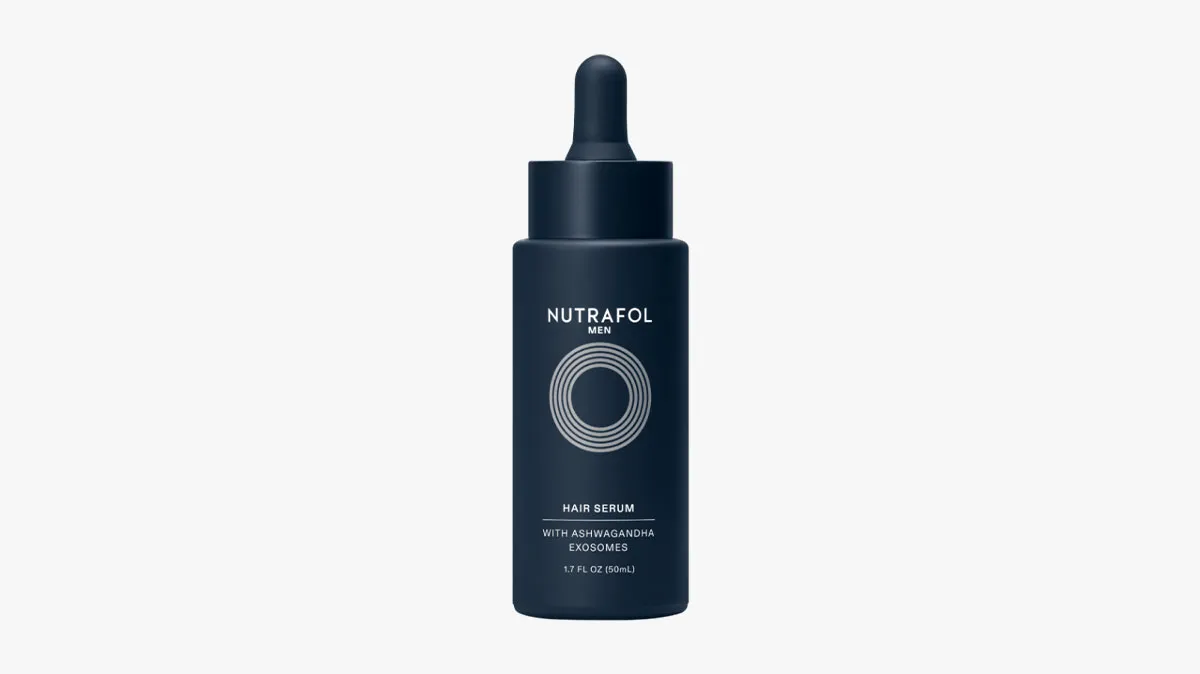
Hair-thickening mainstay Nutrafol uses ashwagandha exosomes in this serum. That plant-based delivery system pairs with Irish moss peptides and red ginseng, thus targeting stress- and inflammation-related thinning.
Patricks RD2 Hair Loss Serum for Men
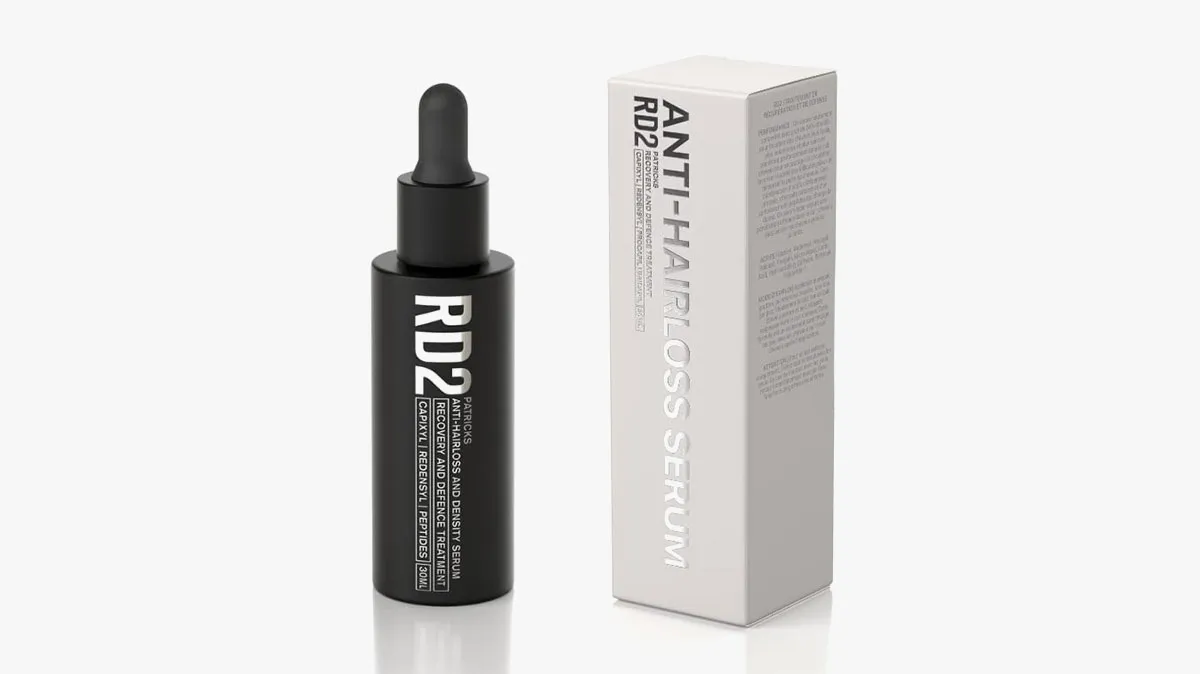
Patrick’s positions this as a pharmaceutical-strength option for those among us who are ready to invest in an intensive nightly regimen. With 24 percent actives across five patented complexes (plus caffeine and biotin peptides), this serum drives visible thickening over time.
Plated Skin Science Hair Serum
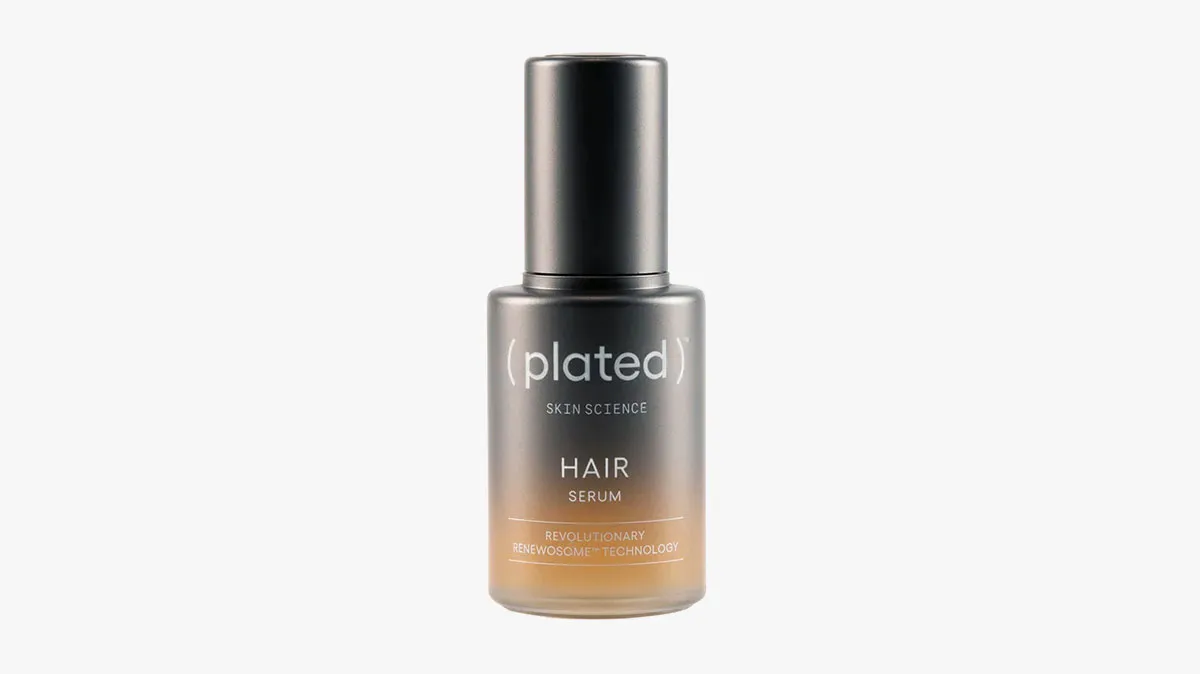
This Robb Report US Grooming Awards winner uses platelet-derived exosomes to help stimulate dormant hair follicles back into action. But it also uses an ingredient called Palmitoyl tetrapeptide-20 amide, a bio-mimetic peptide that combats graying and can lead to darker, thicker-looking hair over time.
Caldera+Lab The Hair Serum
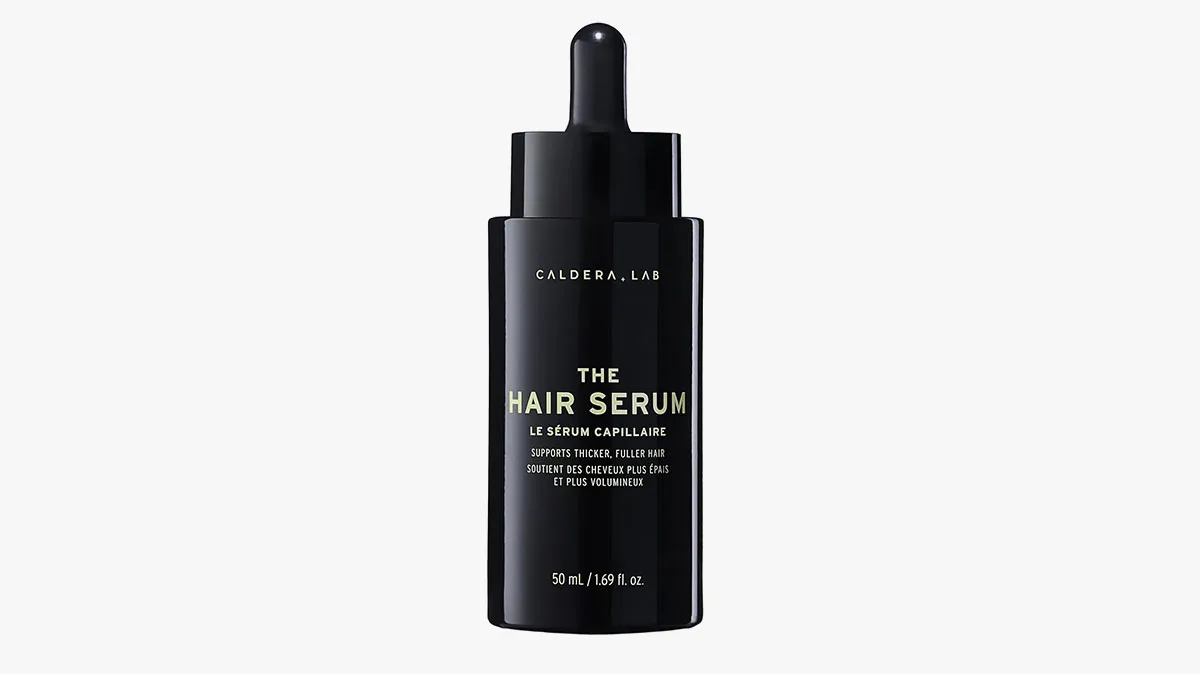
This serum is anchored in plant-derived exosomes, claiming one billion per dropper. Pair that with biomimetic peptides, and you’ve got a non-greasy hair-raising recipe for success.
Nécessaire The Scalp Serum
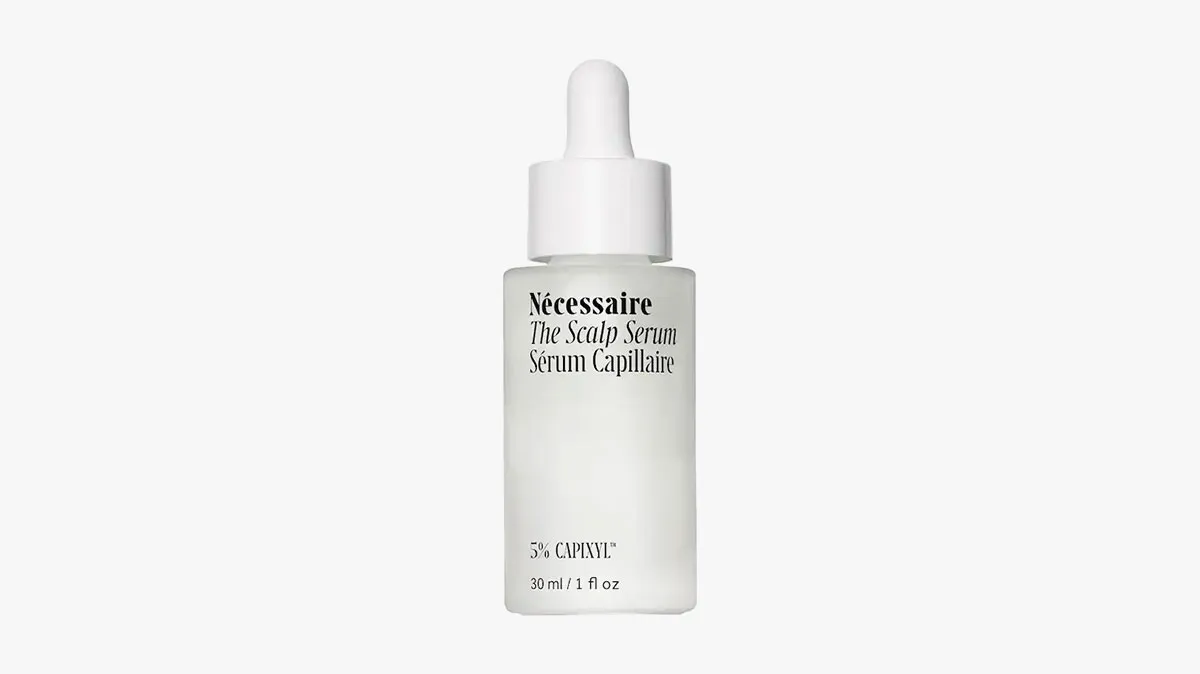
Nécessaire’s serum emphasizes scalp health first. It pairs a concentrated 5% Capixyl peptide blend with hyaluronic acid, making it one of the few peptide serums that doubles as a hydrating scalp treatment.
Act+Acre 3% Stem Cell Peptide Hair + Scalp Treatment
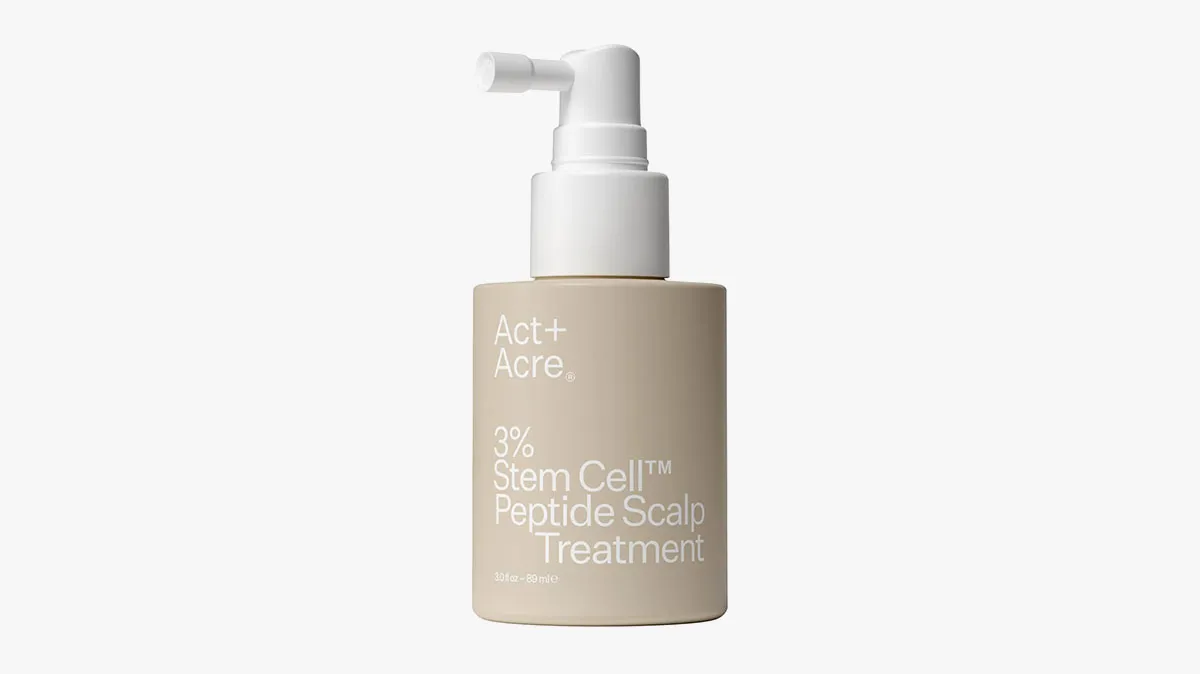
Unlike most serums, this one is cold-processed to preserve potency. It uses a 3% stem cell peptide complex plus caffeine. Clinical trials report reduced shedding and improved visible density in as little as 12 weeks. (And when it comes to hair density, we do love clinical proof.)
Pura D’Or Hair Thinning Therapy Energizing Scalp Serum
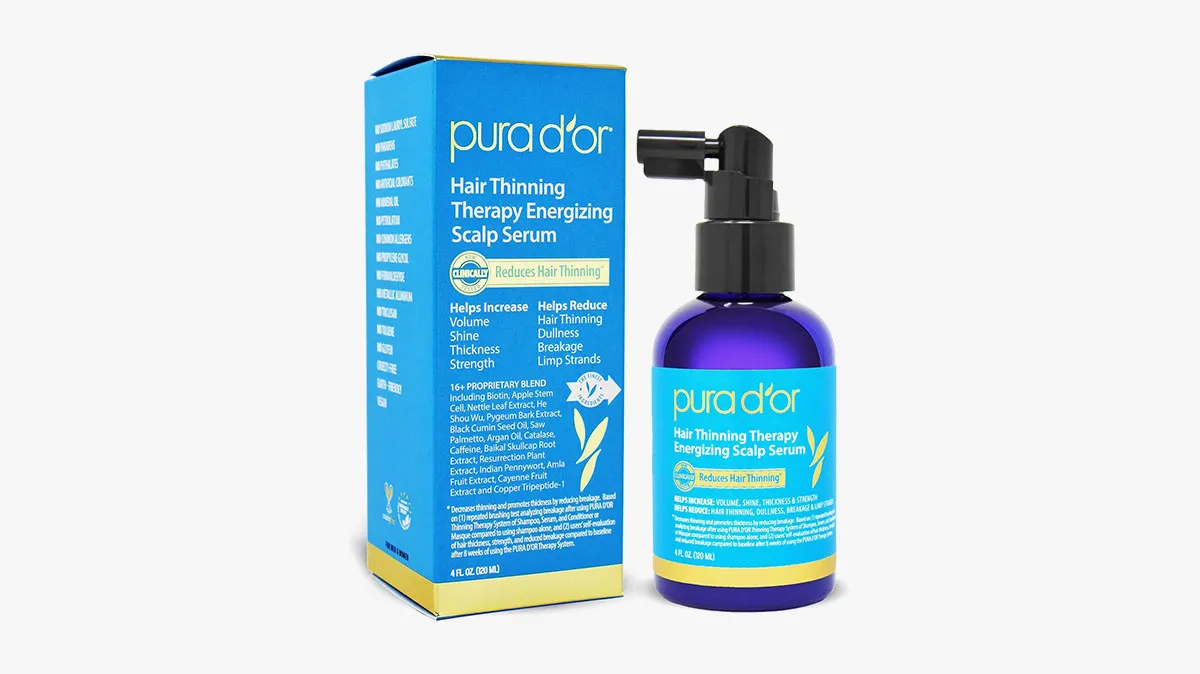
Pura D’Or’s scalp spritz leans on a wide ingredient deck: copper peptides, apple stem cells, pea protein, catalase, cayenne, and caffeine. It differentiates itself by addressing thinning through multiple pathways rather than relying on peptides alone.
Briogeo Destined for Density Peptide Hair Serum
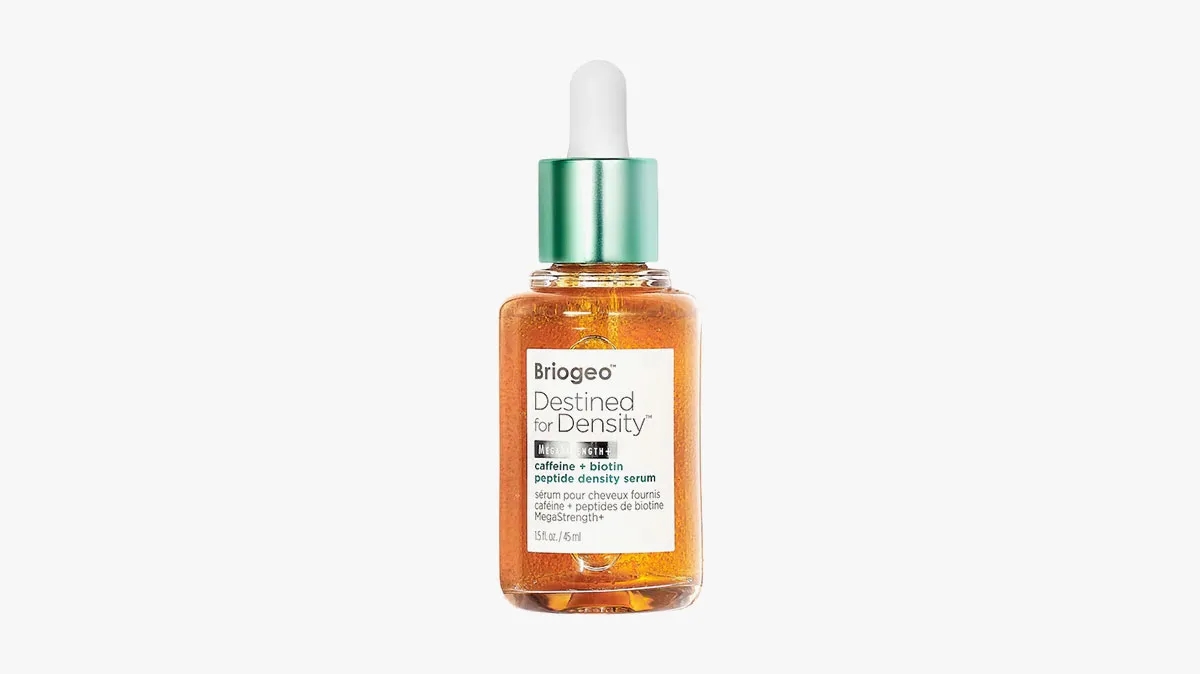
Briogeo leans into natural actives, pairing peptides with biotin and circulation-boosting caffeine. The emphasis here is on daily density support for hair texture and strand strength.
The Ordinary Multi-Peptide Serum for Hair Density
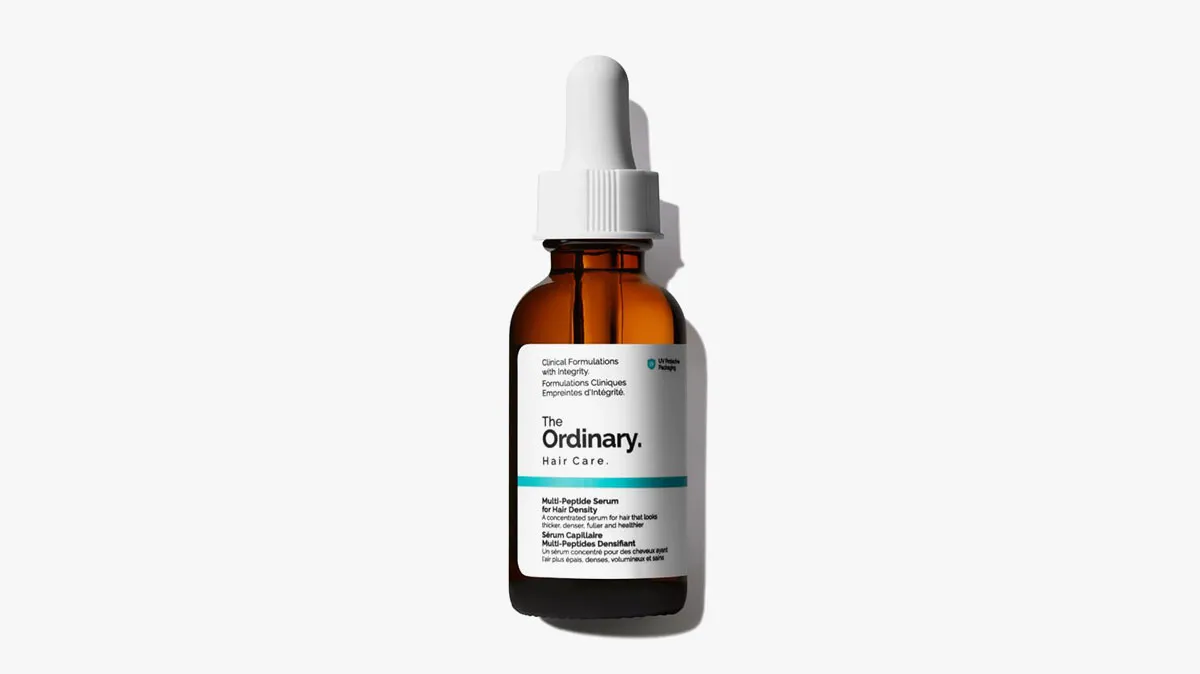
A benchmark entry point for peptide-powered solutions: The Ordinary democratized the category by combining five peptide complexes found in luxuryLuxuryA lifestyle defined by exceptional quality, craftsmanship, exclusivity, and sophistication, encompassing the finest products, services, and experiences that represent the highest standards of refinement and excellence.Go to Luxury Glossary serums into one serum.
This article originally appeared in Robb Report US.