The Cities Shaping Wealth, Culture, and Influence Now




For decades, luxuryLuxuryA lifestyle defined by exceptional quality, craftsmanship, exclusivity, and sophistication, encompassing the finest products, services, and experiences that represent the highest standards of refinement and excellence.Go to Luxury Glossary revolved around a familiar axis: London, Paris, and New York. They were the capitals of finance, fashion, collecting, hospitality, and influence.
Today, however, wealth is increasingly mobile. Family offices span continents, collectors travel constantly, and luxuryLuxuryA lifestyle defined by exceptional quality, craftsmanship, exclusivity, and sophistication, encompassing the finest products, services, and experiences that represent the highest standards of refinement and excellence.Go to Luxury Glossary brands are following capital rather than tradition. According to the a Henley Private Wealth report, a record 165,000 millionaires are expected to relocate internationally in 2026, accelerating the redistribution of wealth across regions.
The result is a new geography of luxuryLuxuryA lifestyle defined by exceptional quality, craftsmanship, exclusivity, and sophistication, encompassing the finest products, services, and experiences that represent the highest standards of refinement and excellence.Go to Luxury Glossary. More and more, the future of luxury is being shaped by cities that sit closer to new wealth, emerging influence, and shifting patterns of global mobility. From Singapore and Dubai to Seoul and Riyadh, these are the cities redefining what luxury looks like in the twenty-first century.
Singapore
Why It Matters Now:
Singapore has become the preferred base for many of Asia’s wealthiest families, combining political stability, private banking expertise, and global connectivity.
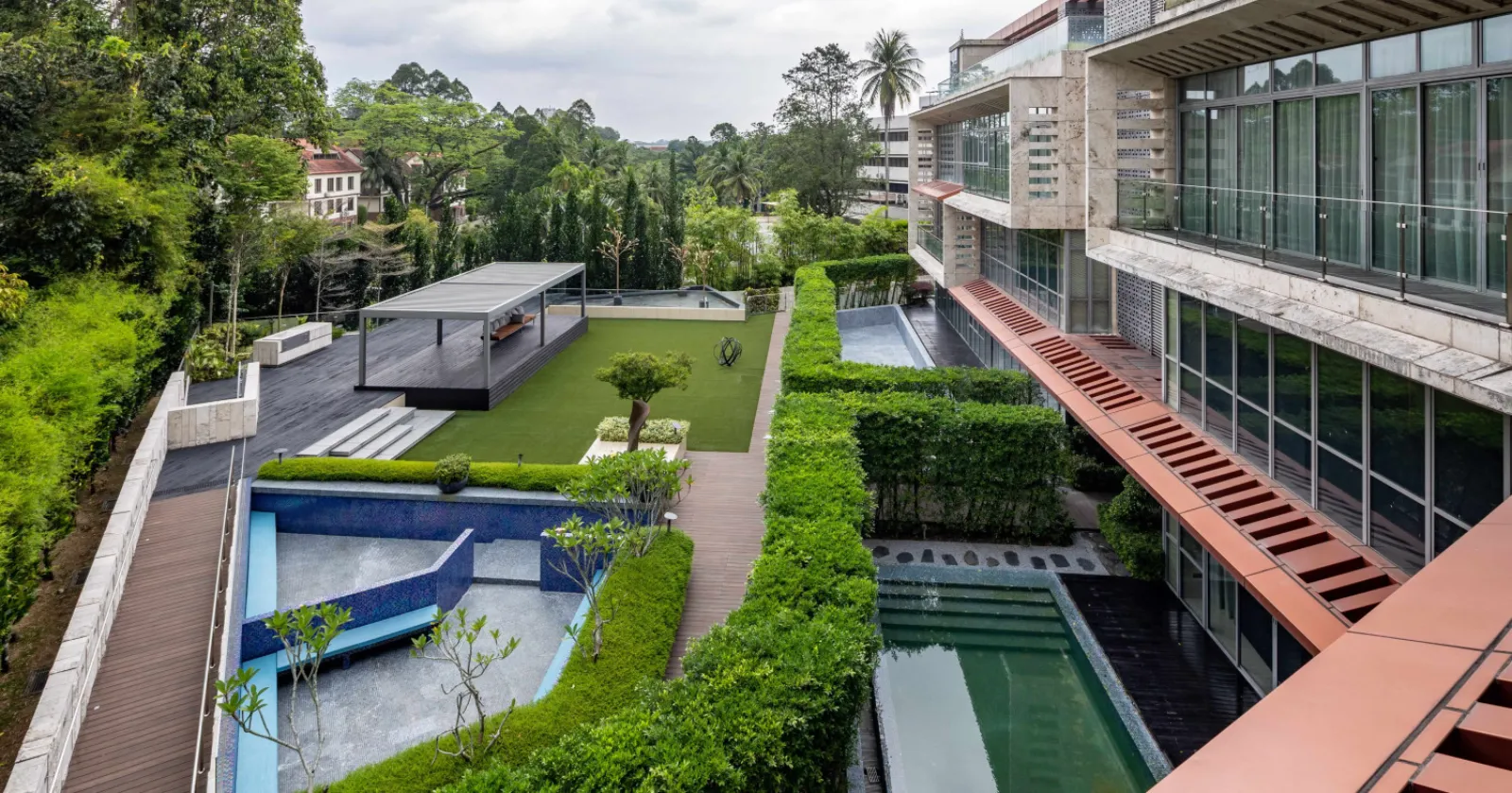
If there is one city that best represents luxury’s future, it may be Singapore. The city-state has emerged as Asia’s premier hub for family offices, wealth management, luxury real estate, and private banking. It was ranked the world’s most expensive city for “living well” in the 2025 Julius Baer Global Wealth and Lifestyle Report for the third consecutive year. According to the Monetary Authority of Singapore, the number of single-family offices surpassed 2,000 in 2024.
LuxuryLuxuryA lifestyle defined by exceptional quality, craftsmanship, exclusivity, and sophistication, encompassing the finest products, services, and experiences that represent the highest standards of refinement and excellence.Go to Luxury Glossary here is defined by the infrastructure that supports wealth itself. Private banks, investment firms, concierge healthcare providers, elite schools, and ultra-prime residences have become as important as luxury boutiques. For globally mobile families, Singapore is steadily where wealth lives, not merely where it shops.
Luxury Snapshot
Strength: Private wealth and family offices
Residential Enclave: Nassim Road
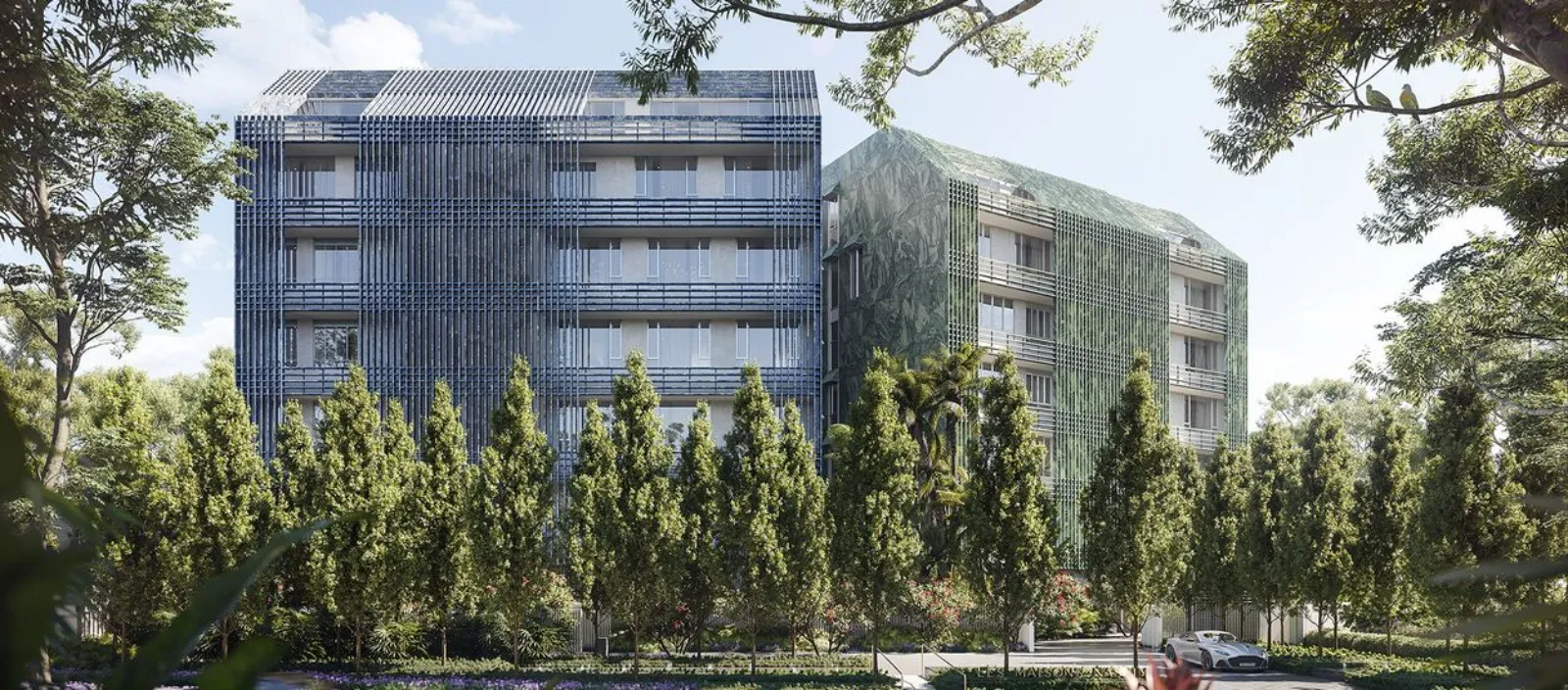
Trophy Residence: Nassim Quattro, one of the low-density residential developments on Nassim Road in Singapore, which only has four luxury units, each fetching up to SGD7,000 per square foot or up to Php3,000,000 per square meter; Les Maisons Nassim, whose units are priced upwards of SGD42,000,000 or almost Php 2 billion.
Notable Trend: Singapore was ranked the world’s most expensive city for “living well” in the 2025 Julius Baer Global Wealth and Lifestyle Report.
Dubai
Why It Matters Now:
The city has become one of the world’s leading destinations for entrepreneurs, investors, and internationally mobile wealth.
Dubai has evolved from a luxuryLuxuryA lifestyle defined by exceptional quality, craftsmanship, exclusivity, and sophistication, encompassing the finest products, services, and experiences that represent the highest standards of refinement and excellence.Go to Luxury Glossary playground into luxury headquarters. Entrepreneurs, family offices, investors, and founders continue to relocate to the emirate, drawn by favorable tax policies, strategic geography, and world-class infrastructure.
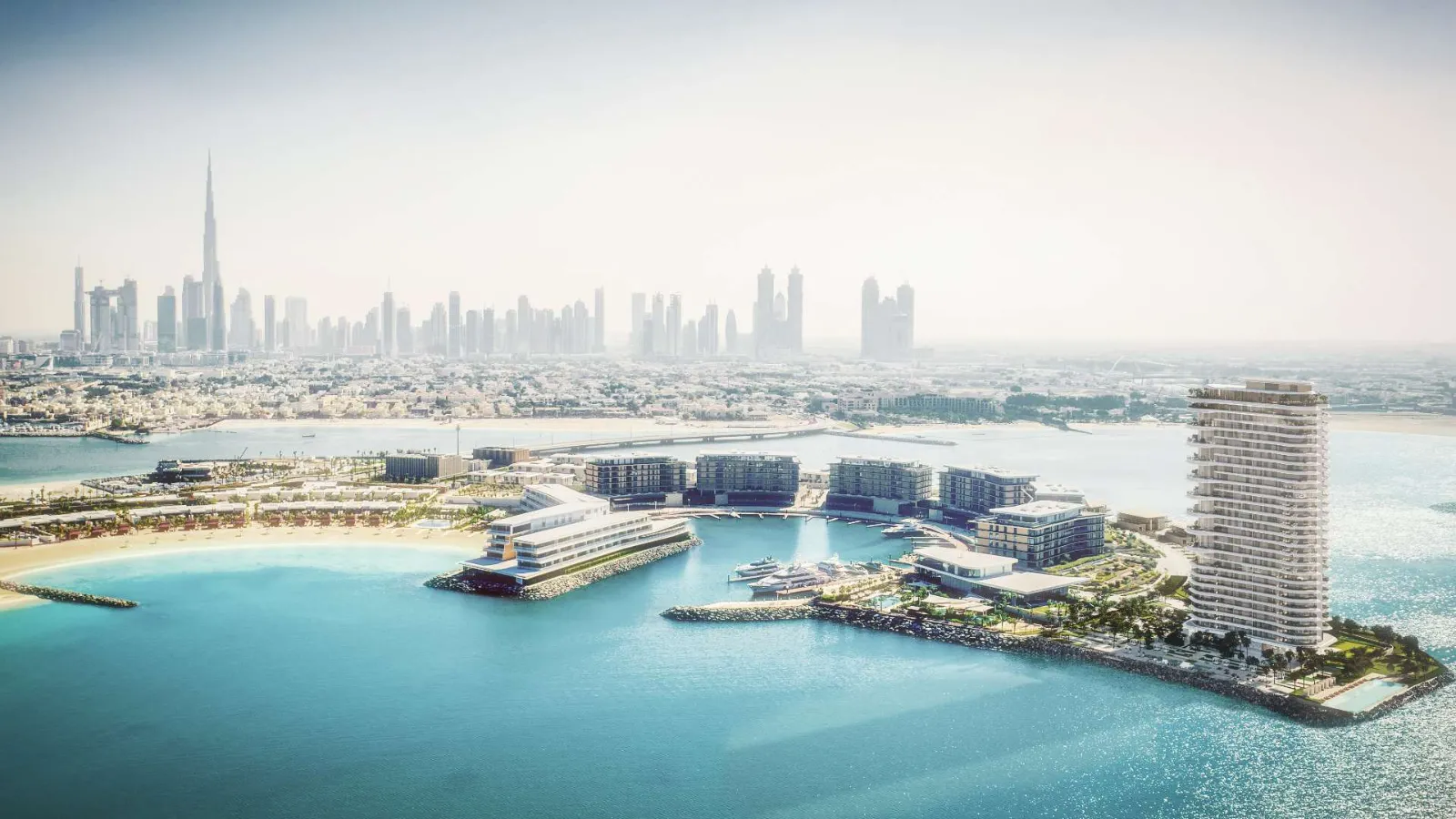
According to Henley & Partners, the UAE continues to attract more millionaire migrants than any other country in the world. LuxuryLuxuryA lifestyle defined by exceptional quality, craftsmanship, exclusivity, and sophistication, encompassing the finest products, services, and experiences that represent the highest standards of refinement and excellence.Go to Luxury Glossary brands view Dubai not simply as a retail market but as a long-term base for affluent residents whose businesses, investments, and lifestyles span multiple continents.
While tourism is robust in Dubai, these days it’s more about residency, influence, and access.
Luxury Snapshot
Strength: Wealth migration
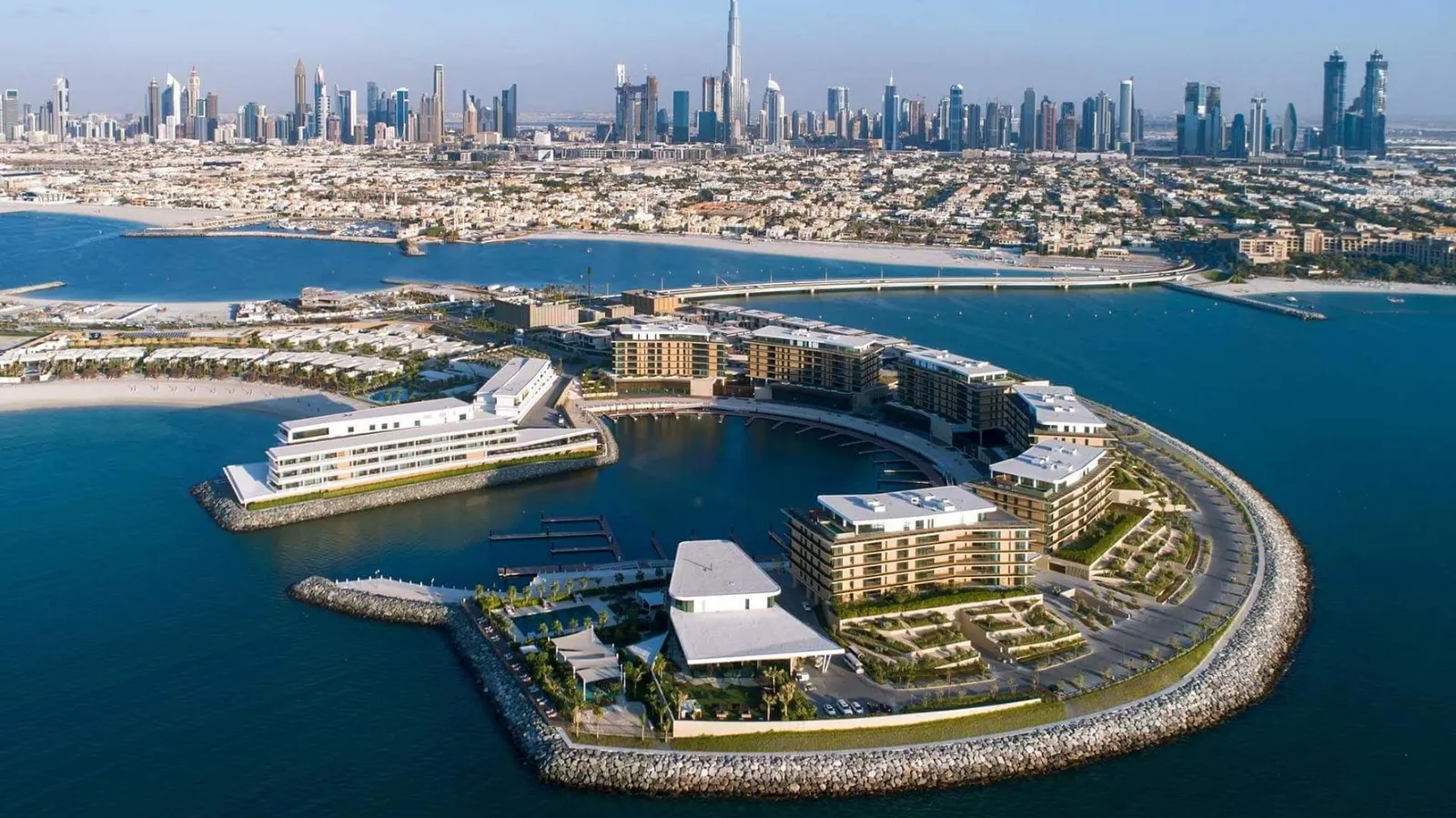
Residential Enclave: Jumeirah Bay Island, often referred to as “Billionaires’ Island”
Trophy Residence: Bulgari Lighthouse Dubai apartments have entry prices starting at $3.6 million (Php 218 million) for a 1-bedroom apartment, and up to $135 million (Php 8.2 billion) for a mansion on the property.
Notable Trend: The UAE continues to attract more millionaire migrants than any other country globally.
Abu Dhabi
Why It Matters Now:
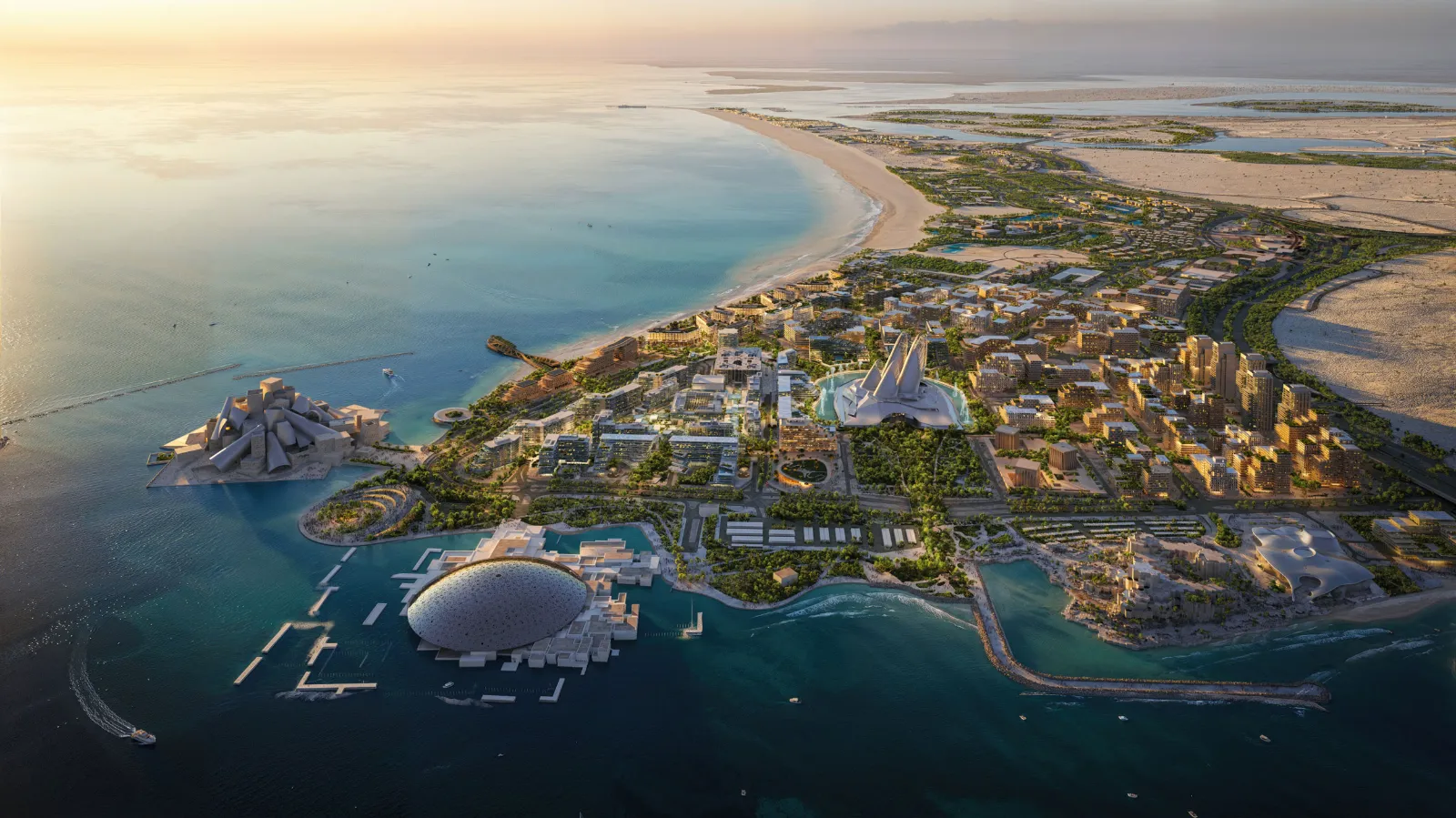
The emirate is emerging as one of the world’s most ambitious centers for culture, institutional wealth, and ultra-prime development.
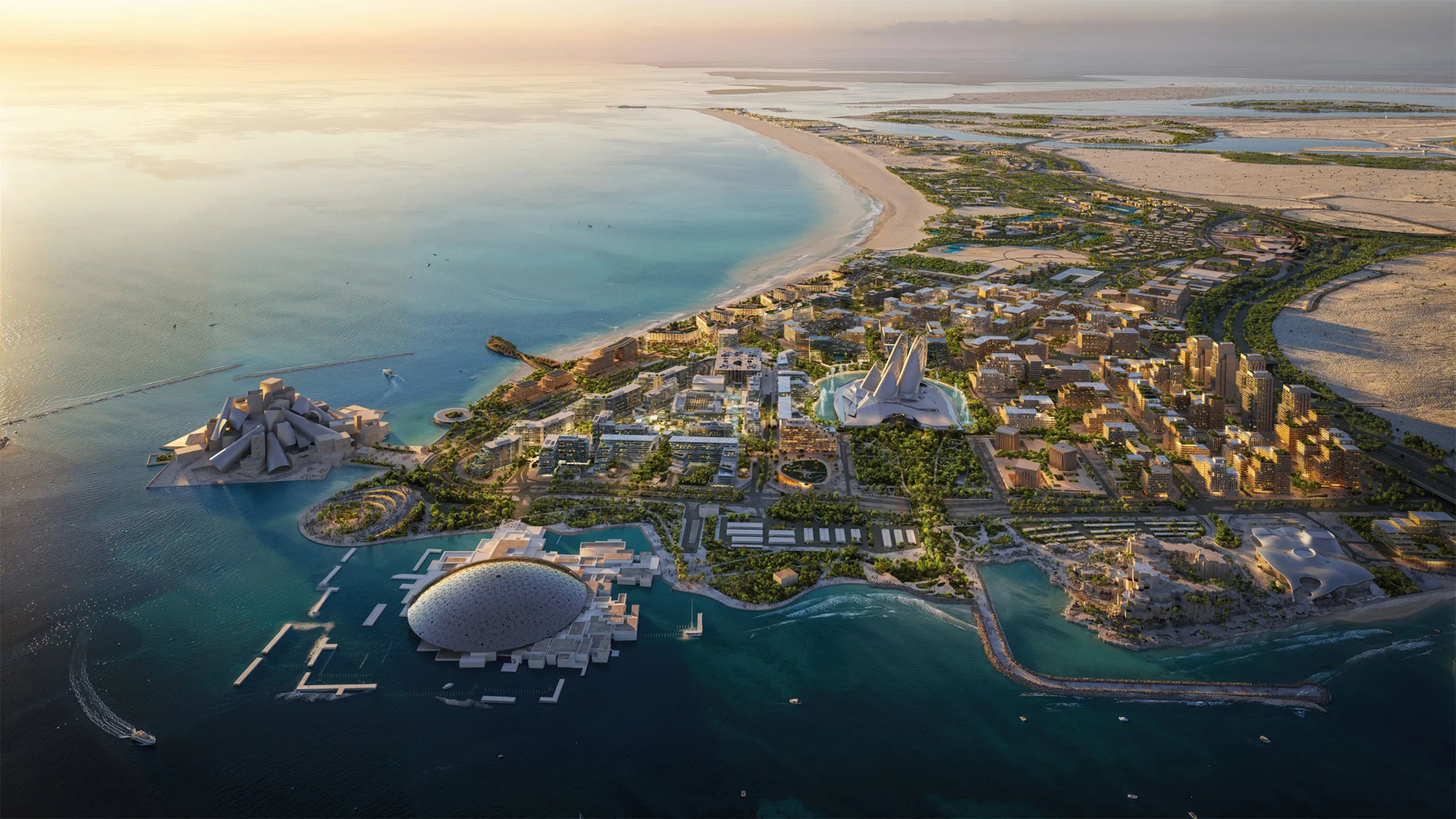
While Dubai often attracts the spotlight, Abu Dhabi is building a different kind of luxuryLuxuryA lifestyle defined by exceptional quality, craftsmanship, exclusivity, and sophistication, encompassing the finest products, services, and experiences that represent the highest standards of refinement and excellence.Go to Luxury Glossary capital. Anchored by sovereign wealth, long-term planning, and cultural investment, the city is positioning itself as a global center for art, hospitality, and high-end living.
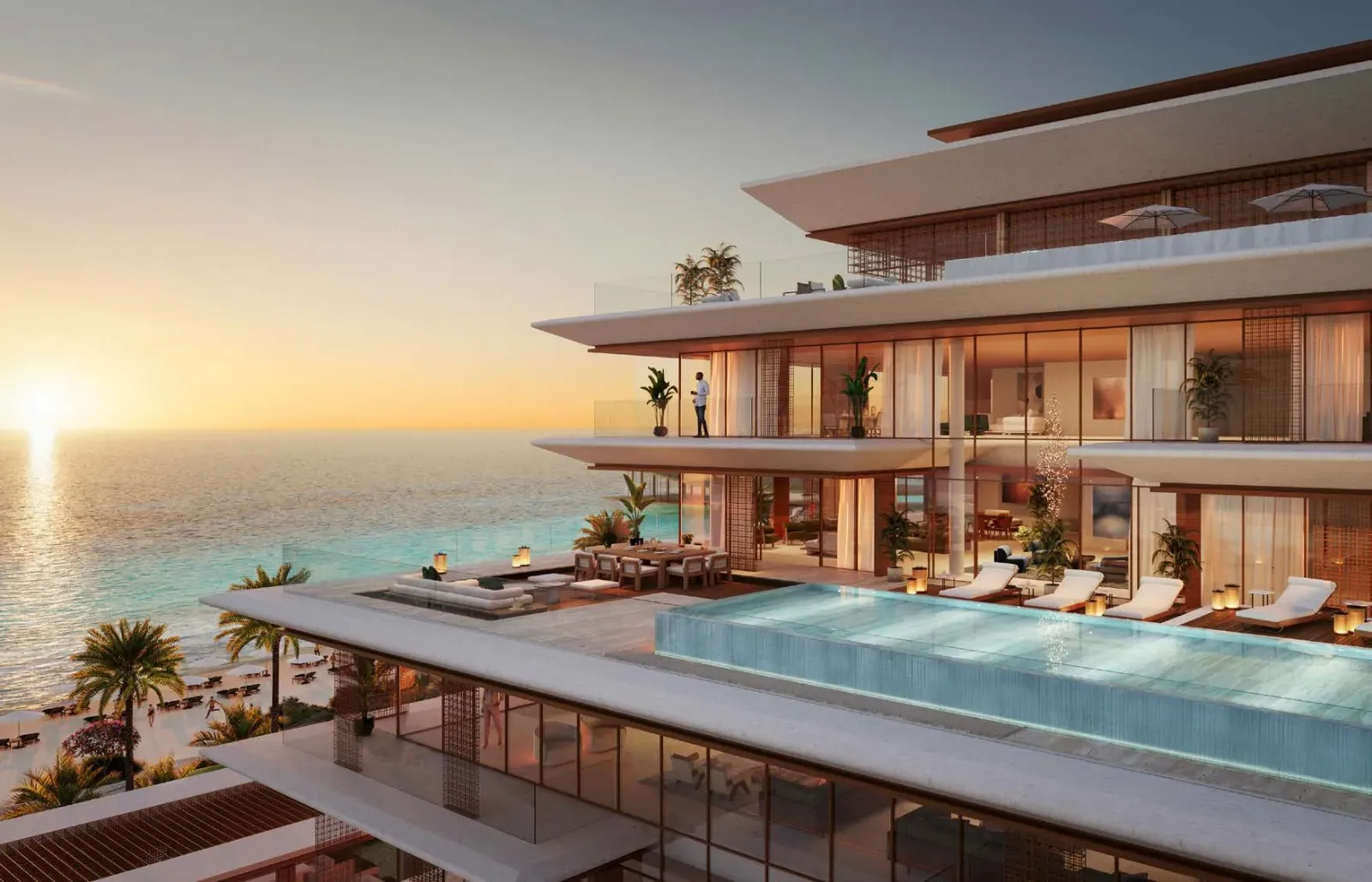
Saadiyat Island has become the focal point of that strategy, bringing together museums, luxuryLuxuryA lifestyle defined by exceptional quality, craftsmanship, exclusivity, and sophistication, encompassing the finest products, services, and experiences that represent the highest standards of refinement and excellence.Go to Luxury Glossary resorts, branded residences, and some of the region’s most significant real-estate projects. Unlike many luxury destinations built around consumption, Abu Dhabi’s influence stems from the scale of capital shaping its future.
For investors, collectors, and developers, it is one of the most closely watched luxury markets in the world.
Luxury Snapshot
Strength: Sovereign wealth and cultural infrastructure
Residential Enclave: Saadiyat Island
Trophy Residence: Nobu Residences Abu Dhabi has 1-bedroom apartments that typically start at AED 7.6 million or Php126 million up to penthouses and Sky Villas with prices up to AED 155 million or Php 2.6 billion.
Notable Trend: Billions of dollars continue to be invested in cultural institutions, branded residences, and luxury tourism developments.
Seoul
Why It Matters Now:
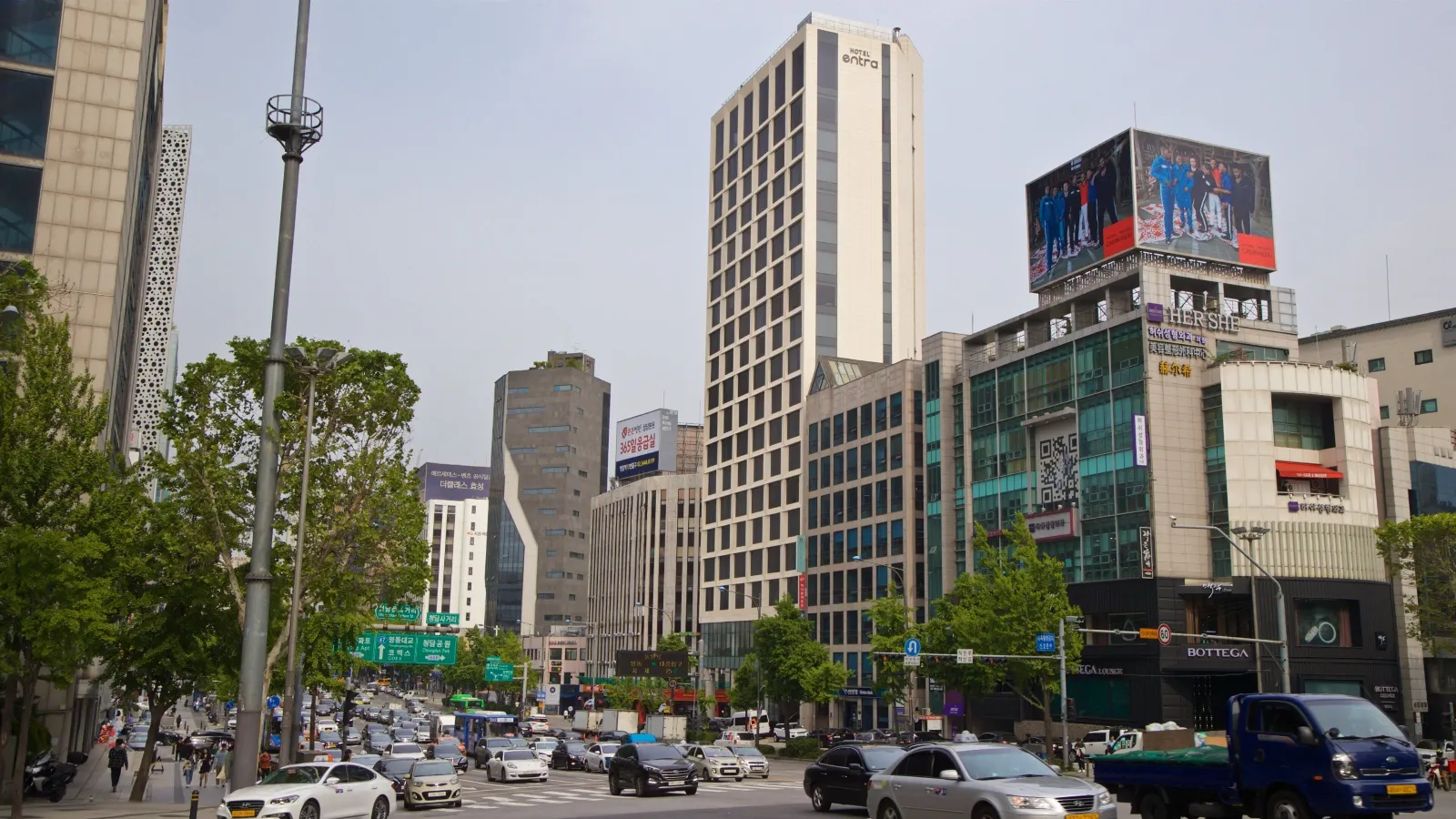
Luxury brands have come to view Seoul as both a major consumer market and a testing ground for future trends.
Seoul has become one of the world’s most influential luxury capitals despite its relatively modest size. South Korean consumers are among the highest luxury spenders on a per-capita basis, and in recent years, global brands have debuted products, exhibitions, and collaborations in the city before rolling them out elsewhere.
Beyond purchasing power, Seoul exerts outsized influence through fashion, beauty, entertainment, and design. K-pop stars and Korean actors have become some of luxury’s most powerful ambassadors, shaping tastes and purchasing behavior far beyond South Korea’s borders.
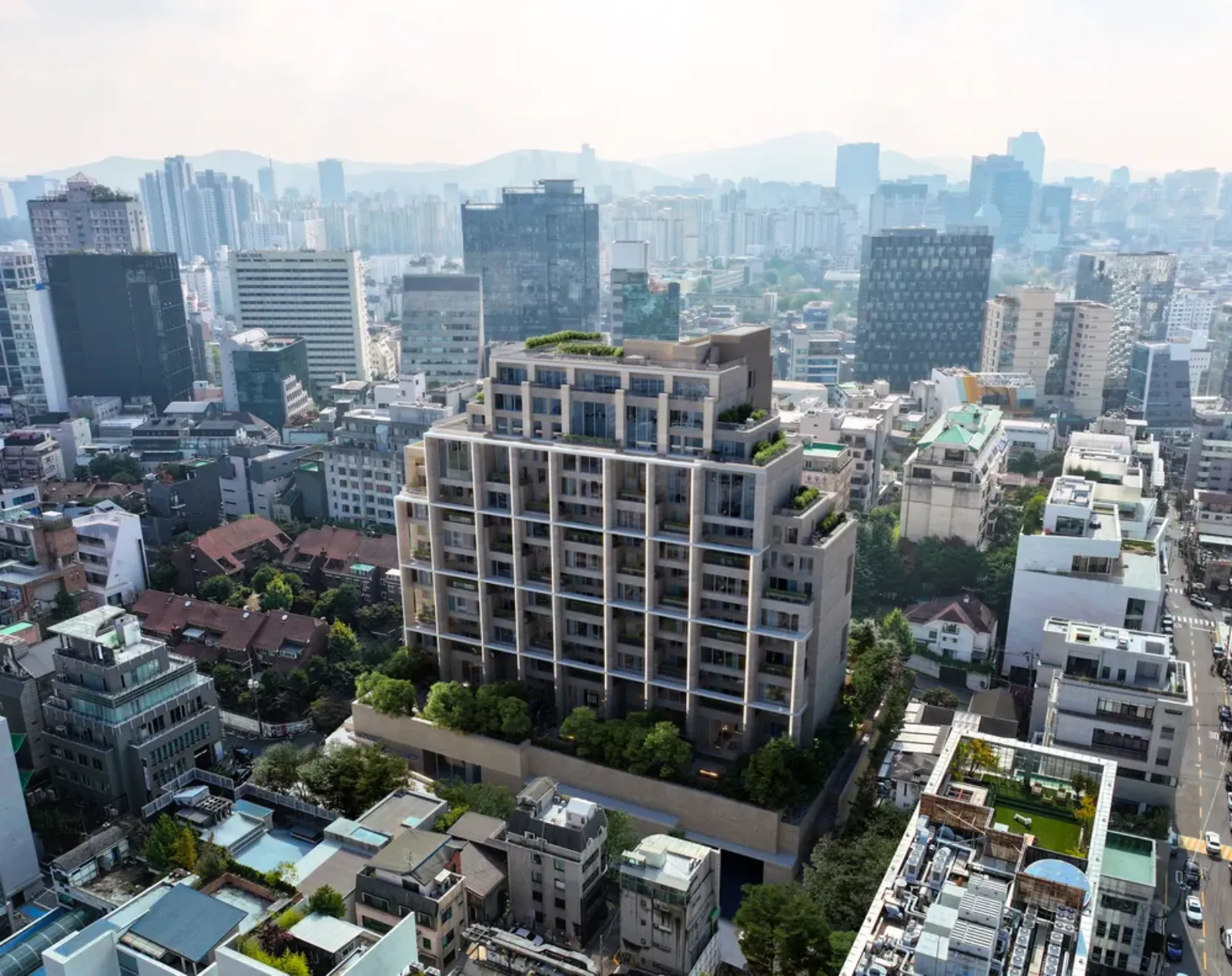
Beyond its spending power, Seoul is an indicator (and influencer) of where luxury culture is headed next.
Luxury Snapshot
Strength: Luxury consumption and cultural influence
Residential Enclave: Cheongdam-dong, sometimes called “Beverly Park Circle,” an area known for its UHNW residents and luxury retail.
Trophy Residence: Eterno Cheongdam set the record as South Korea’s highest-priced multi-unit dwelling; a 464.11 square-meter unit was valued at 32.52 billion won or Php 1.3 billion.
Notable Trend: South Korea remains one of the world’s highest luxury-spending markets on a per-capita basis.
Hong Kong
Why It Matters Now:
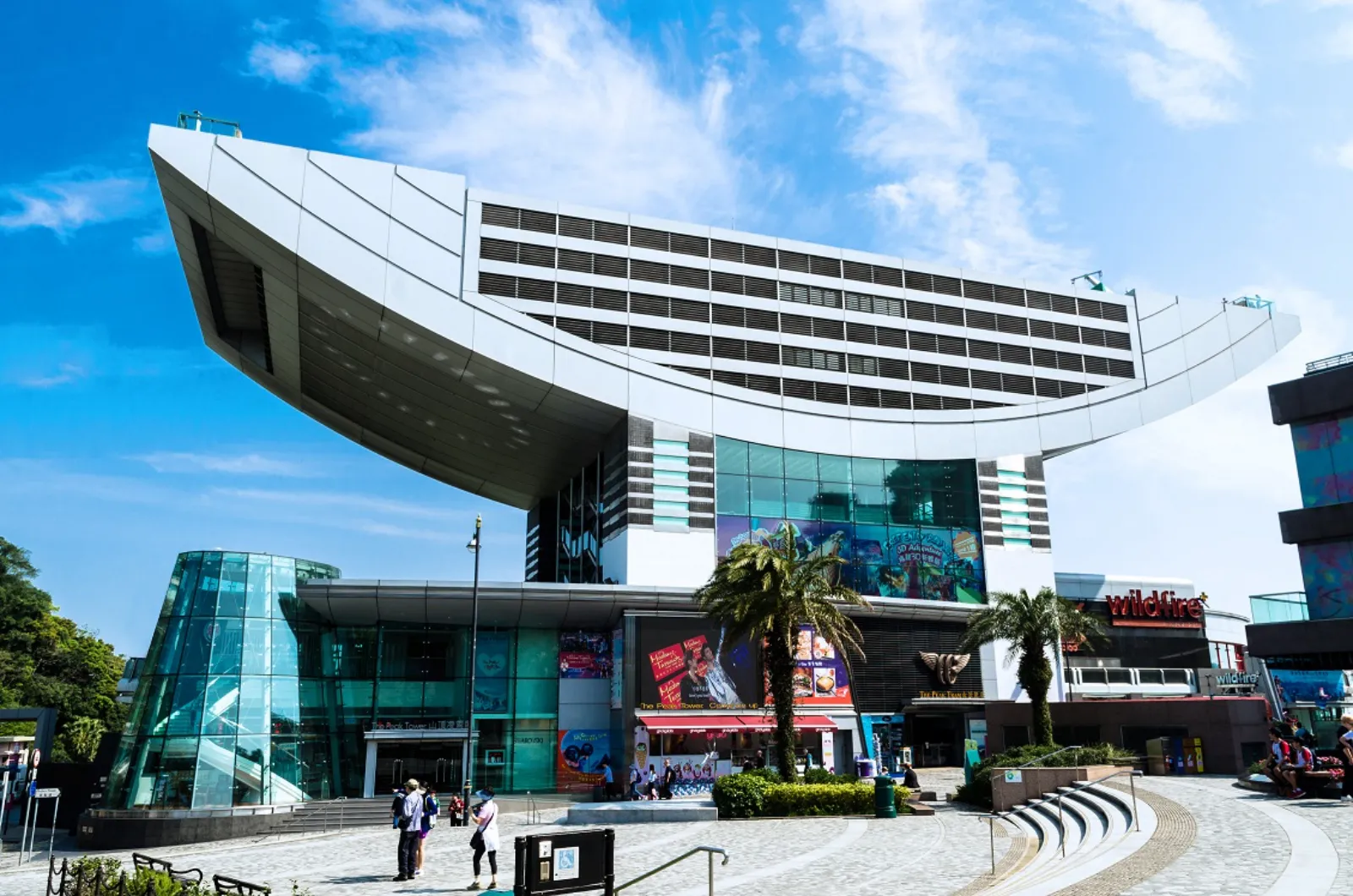
Despite growing competition from Singapore, Hong Kong remains indispensable for collectors, financiers, and cross-border wealth.
Predictions of Hong Kong’s decline have repeatedly proven premature. The city remains one of Asia’s most important centers for auctions, wealth management, luxury retail, and collecting.
Its unique position between mainland China and global markets continues to sustain its relevance. Christie’s and Sotheby’s have both deepened their presence in the city, while watch and art auctions regularly achieve some of the highest prices in the region.
For luxury brands seeking access to Chinese wealth, Hong Kong remains one of the most important gateways in Asia.
Luxury Snapshot
Strength: Collecting and finance
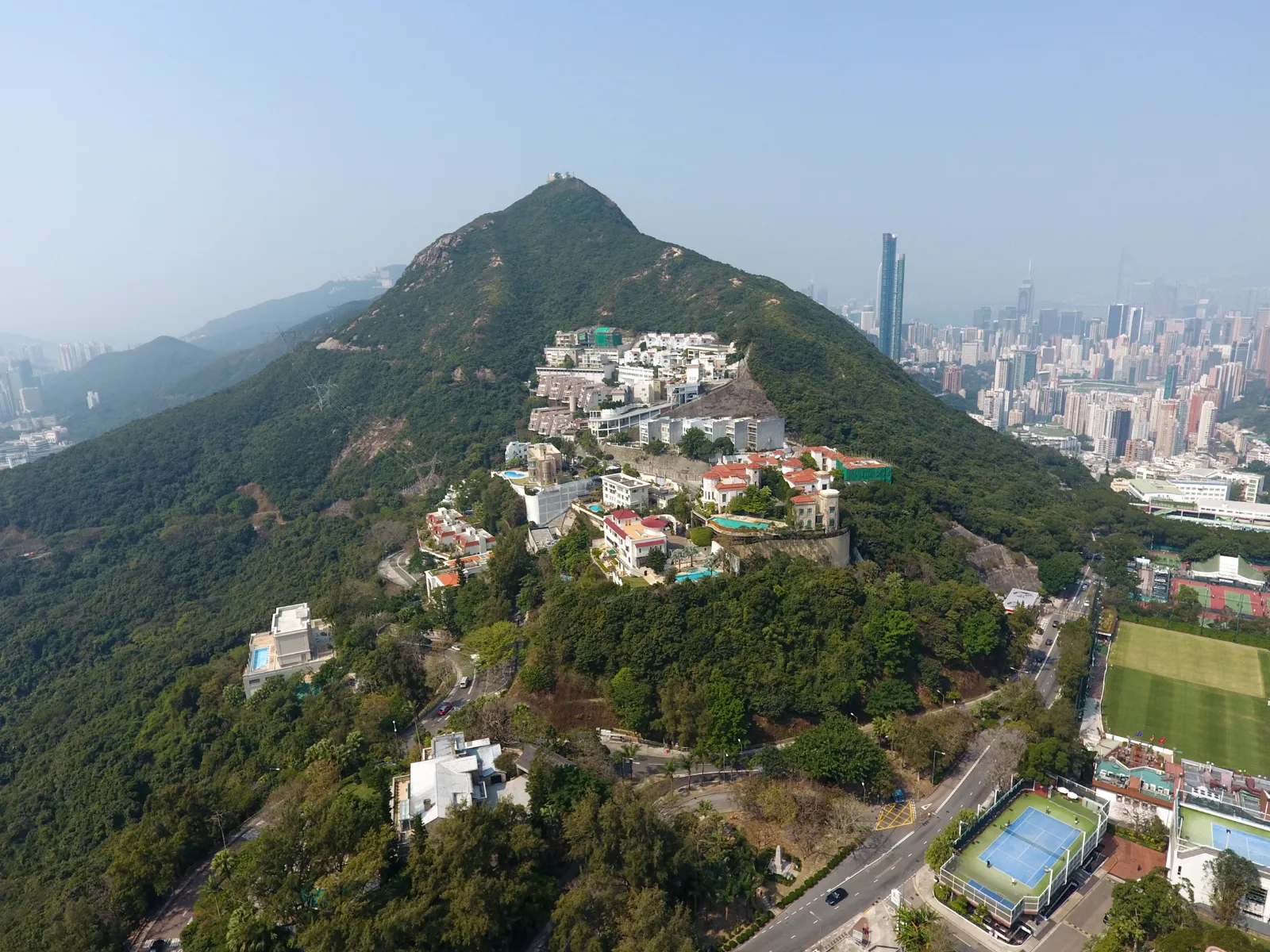
Residential Enclave: The Peak at Hong Kong Island, enduringly one of Asia’s most expensive and prestigious neighborhoods.
Trophy Residence: Mount Nicholson properties range from HK$400 million (Php3.1 billion) to HK$1.4 billion (Php10.8 billion).
Notable Trend: Hong Kong remains one of the world’s leading auction markets and a critical bridge between Chinese and global capital.
Riyadh
Why It Matters Now:
Few cities are investing more aggressively in luxury infrastructure than Riyadh.
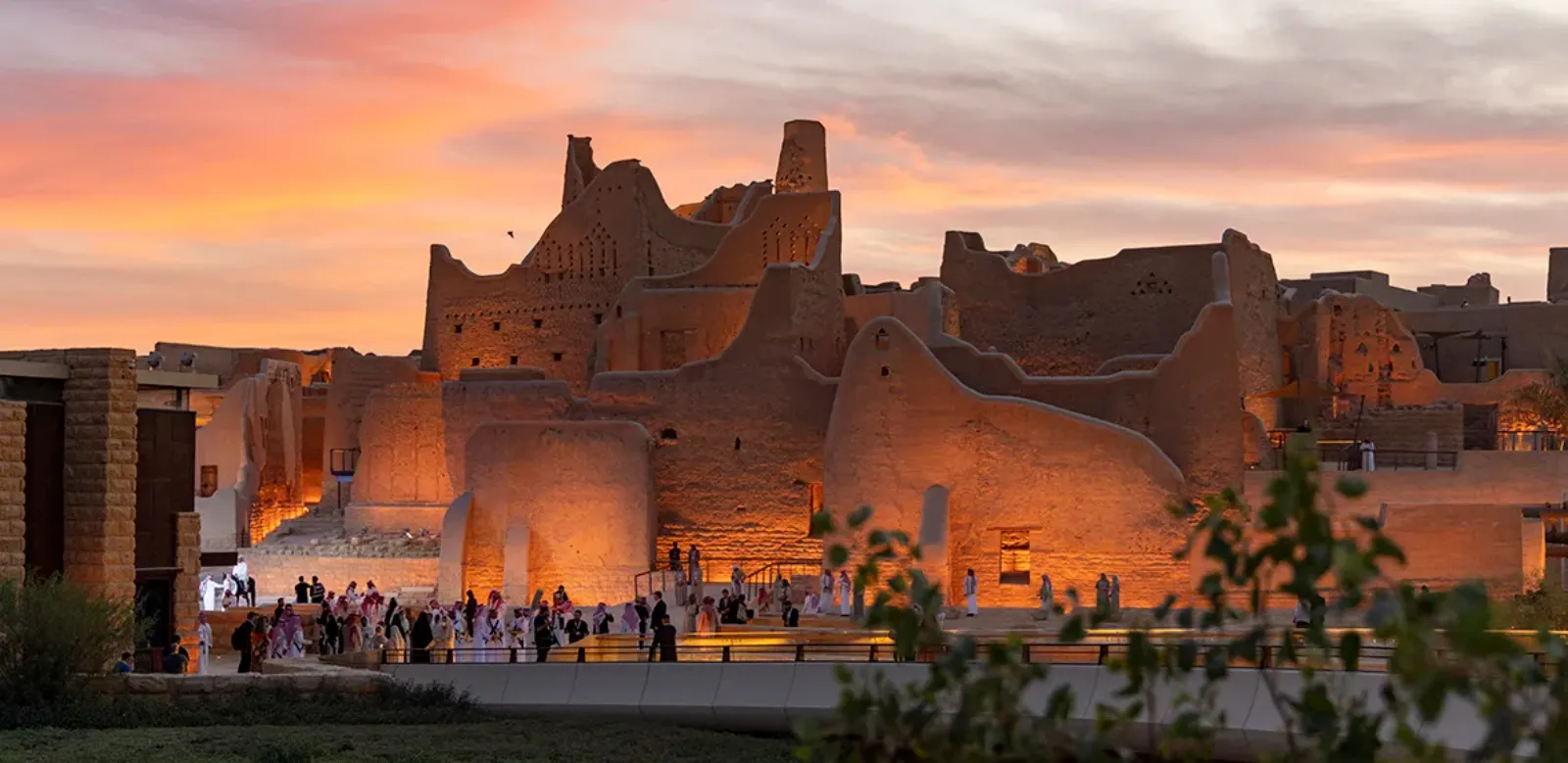
Driven by Saudi Arabia’s Vision 2030 initiative, Riyadh is rapidly expanding its cultural, hospitality, entertainment, and real-estate sectors. The city is investing heavily in museums, tourism projects, luxury developments, and lifestyle destinations designed to attract both capital and visitors.
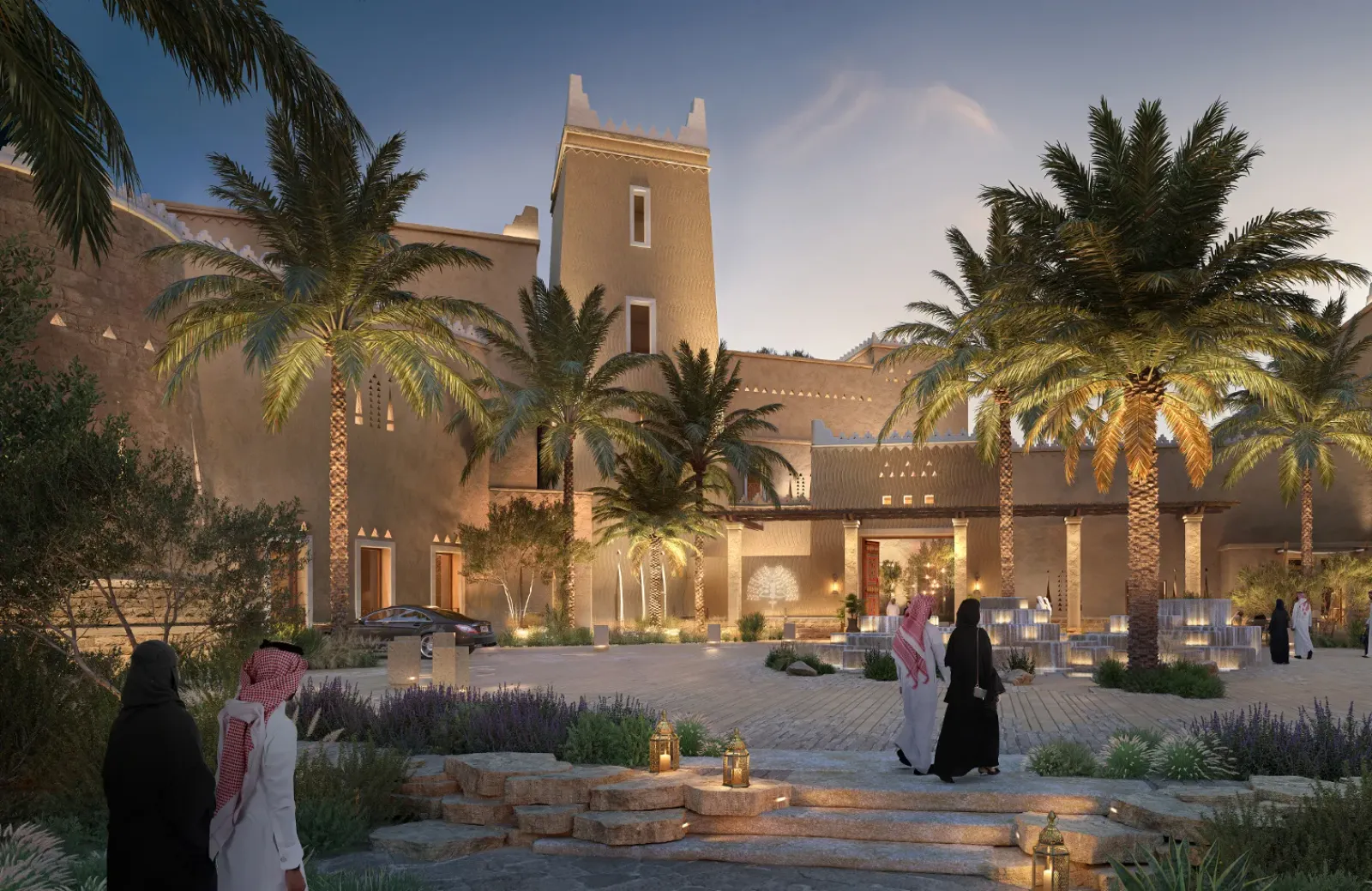
Unlike older luxury capitals that inherited their status over generations, Riyadh is attempting to build its influence within a single generation. The scale of investment is transforming not only the city itself but also the broader luxury landscape of the Middle East.
Luxury Snapshot
Strength: State-backed luxury development
Residential Enclave: Diriyah
Trophy Residence: Branded residences like Raffles Residences Diriyah or Armani Branded Residences often start around $1.47 million, or approximately Php 90 million, while 5-bedroom villas in Al Yasmin or Al Narjis range between SAR 5 million to over 12 million, or Php 81 million to Php 194 million.
Notable Trend: Hundreds of billions of dollars are being invested across hospitality, tourism, culture, and luxury infrastructure projects.
Bangkok
Why It Matters Now:
Bangkok has become Asia’s capital of luxury hospitality, wellness, and lifestyle travel.
Few cities have done more to redefine contemporary luxury hospitality. The city consistently attracts global attention through its hotel scene, destination dining, wellness programs, and branded residences.
Properties such as Capella Bangkok, Mandarin Oriental Bangkok, and Four Seasons Hotel Bangkok at Chao Phraya River have helped position the city as a destination in its own right rather than merely a stopover. Now that luxury revolves around experiences rather than possessions, Bangkok has become one of the industry’s most influential laboratories.
The city demonstrates how hospitality, wellness, and lifestyle can shape luxury as powerfully as finance or fashion.
Luxury Snapshot
Strength: Hospitality and wellness
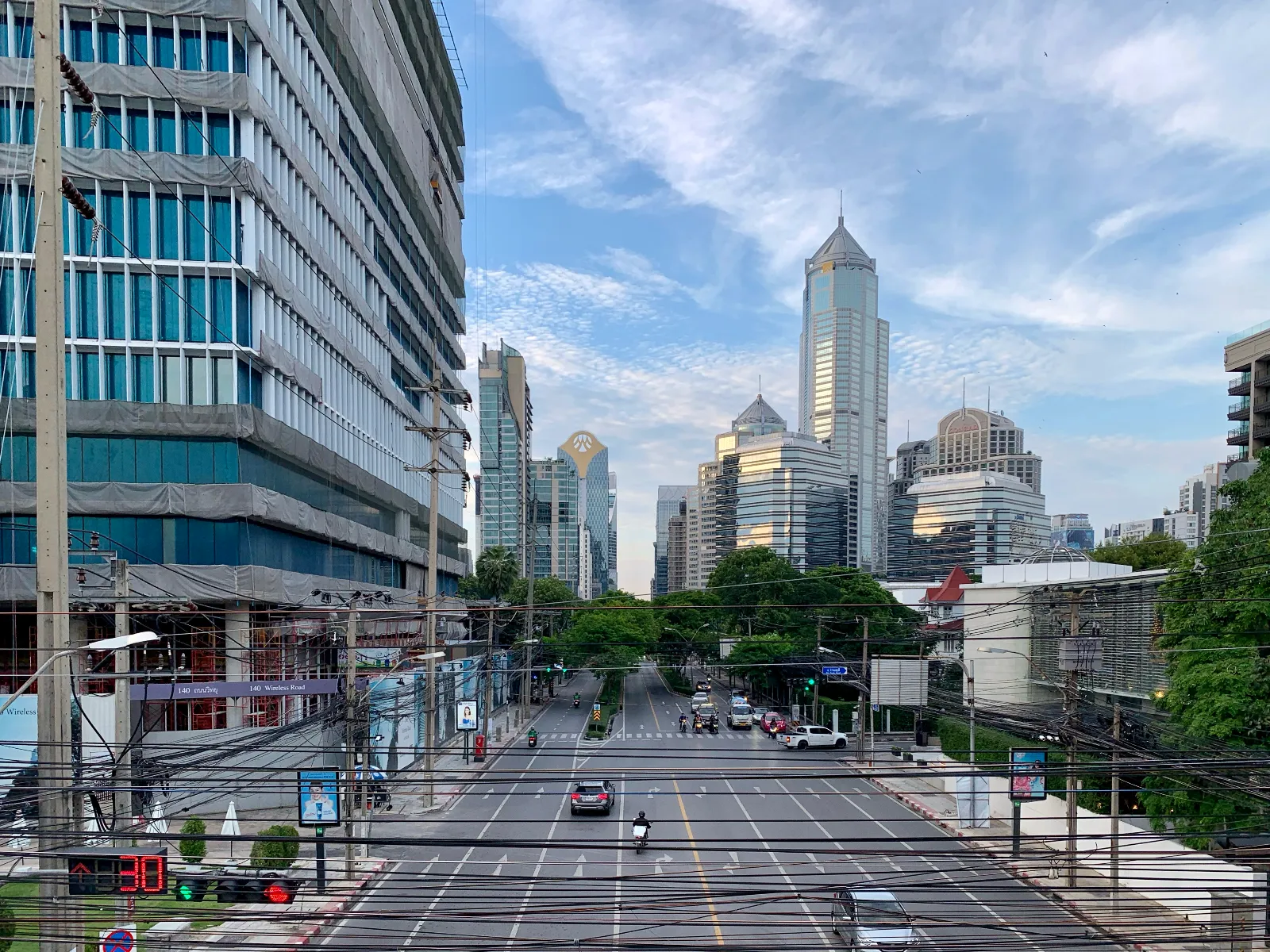
Residential Enclave: Wireless Road, or literally, “Radio Road”, gets its name from the historic Saladaeng Radiotelegraph Station, built in 1913 and one of Thailand’s earliest radio transmitter stations located on the prestigious 2.1km stretch. Wireless Road is also referred to as Bangkok’s “Billionaire’s Row”.
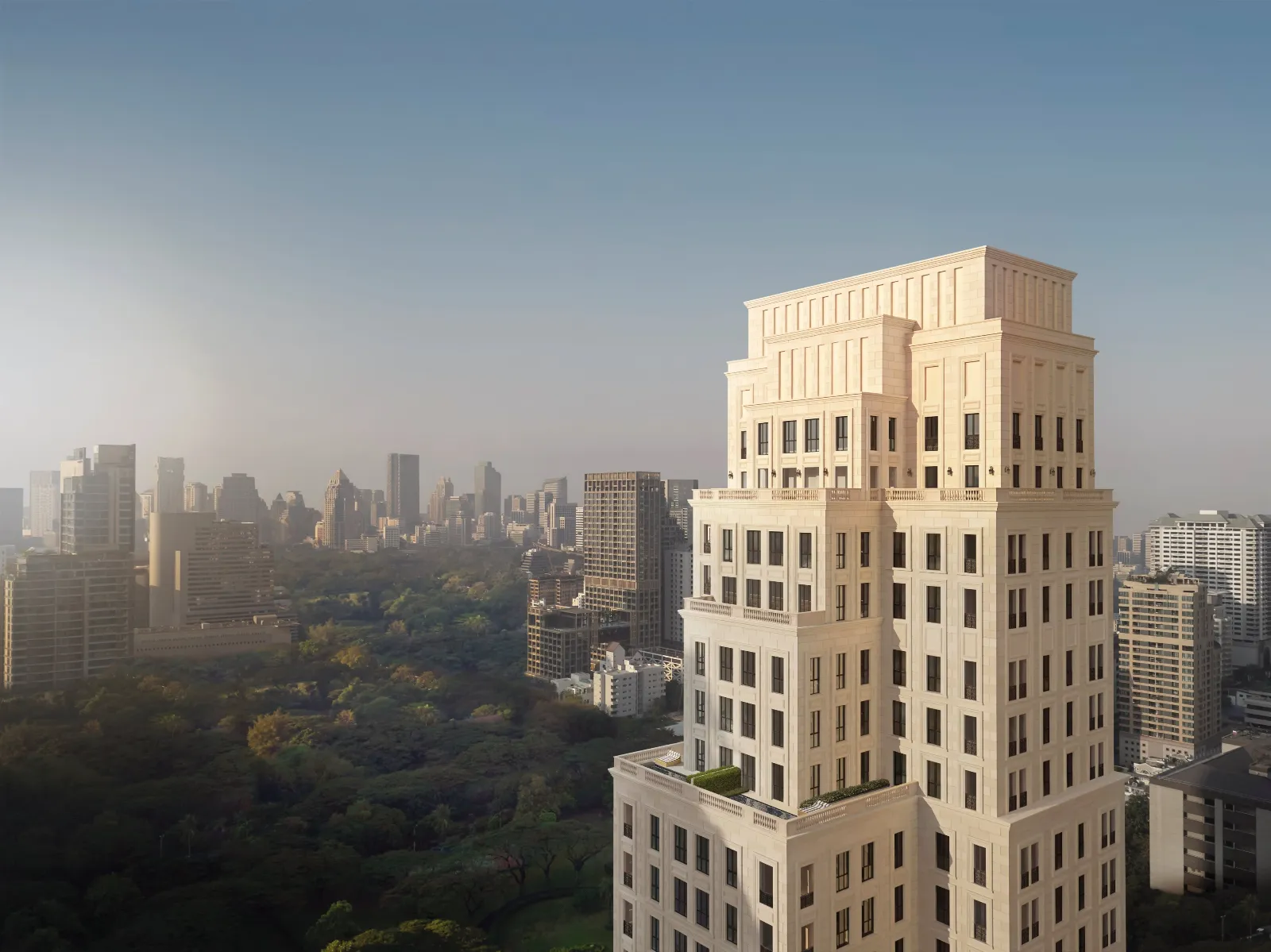
Trophy Residence: 98 Wireless‘ apartments fetch upwards of THB 400 million or Php 737.5 billion and up to Php 2 billion a square meter.
Notable Trend: Bangkok has become one of Asia’s most important destinations for luxury hospitality and branded-residence investment.
Prices approximate.