Ethics of Material Care: Christina Quisumbing Spotlighted at Lakbay


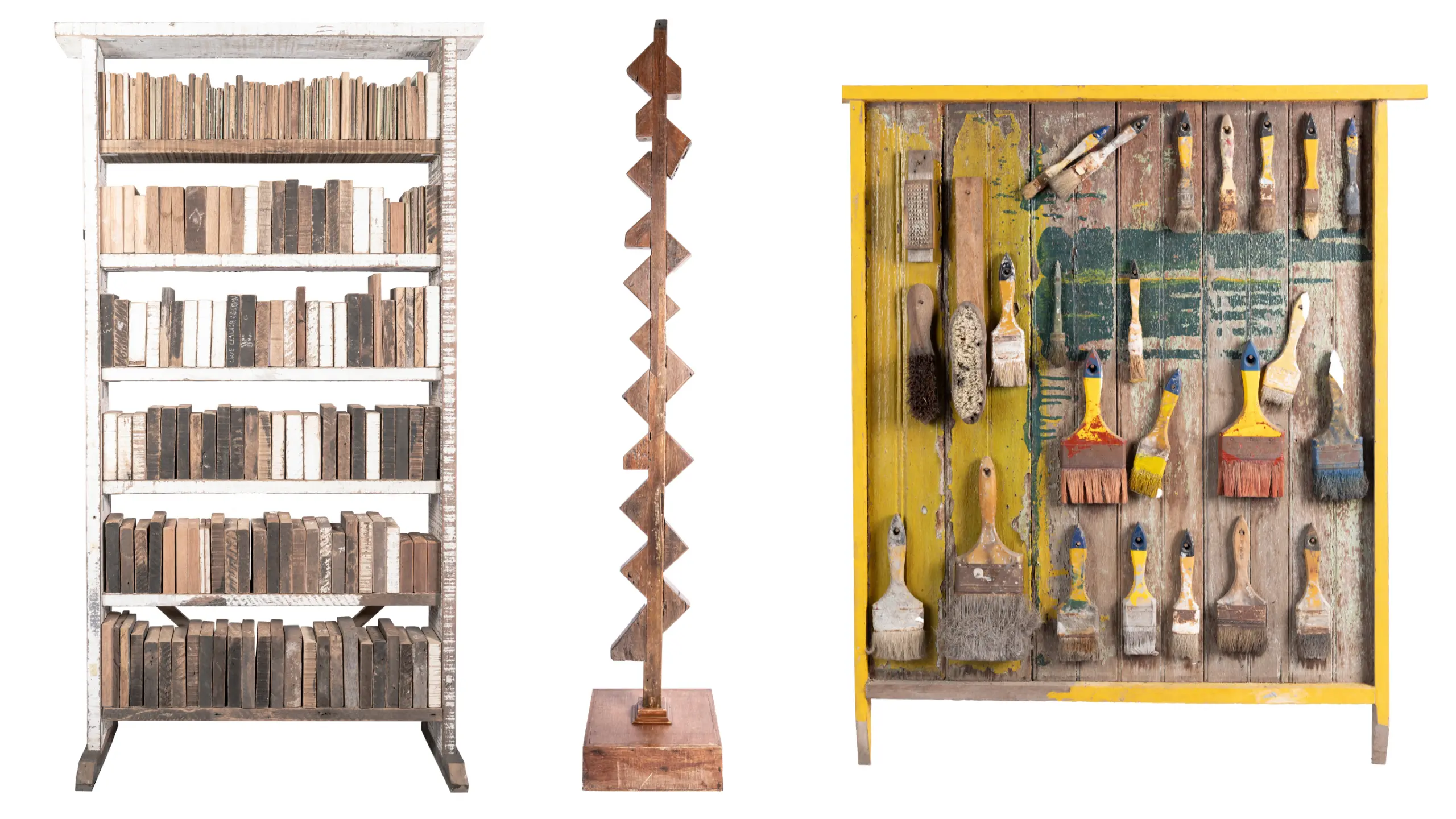
Art historian Warren Seelig once described assemblage as an “ethical mode of attention.” It’s a kind of practice grounded on care, responding to what certain materials already hold. Lakbay 2026: Through Visual Poetries works precisely within this register. Curated by Marika Constantino, the exhibition reads as an ongoing conversation between artists, materials, and the diaspora. Bringing together Christina “Ling” Quisumbing Ramilo and nine global Filipino artists, it becomes a shared reflection on movement.
Lakbay, now on its second iteration, has established itself as a platform for Filipino artists whose lives and practices unfold across borders. Following its 2025 debut centered on Nena Saguil, this year’s edition turns to Quisumbing.
Ling is known as an assemblage artist whose years in New York and subsequent return to Manila have shaped a body of work attentive to fragments and the quiet labor of recomposition. In this sense, we may argue that Quisumbing’s practice already embodies what Seelig suggests: that assemblage is not merely about collecting or reconfiguring objects, but about developing a sustained ethic of listening. She allows materials, and by extension diasporic histories, to speak before they are reshaped.
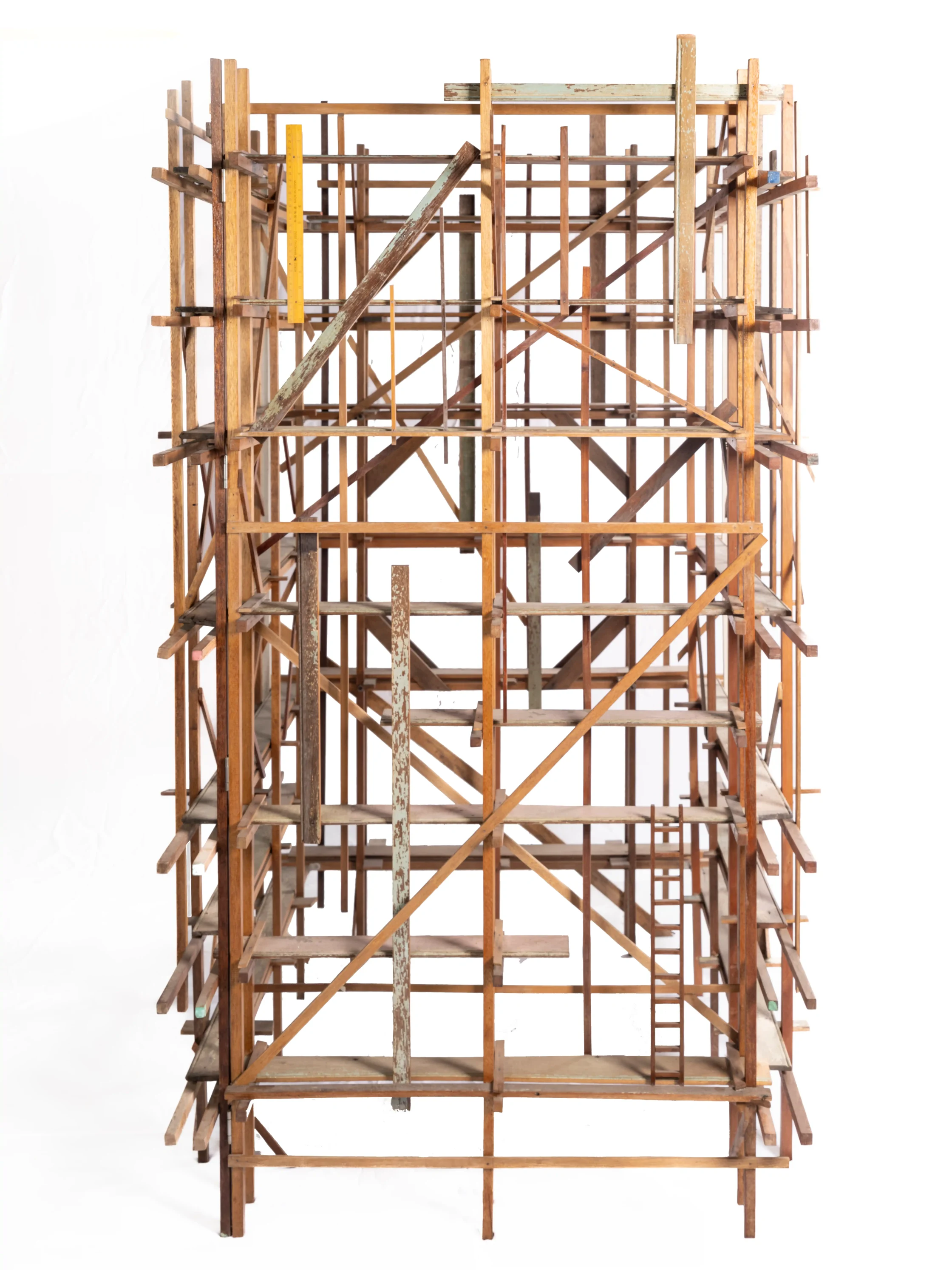
For Constantino, the curatorial premise was never about stylistic coherence, but about intellectual and material openness. “I wanted to work with artists who want to look for new ways of thinking about things,” she explains. “The other thing is how will their works respond to Ling. Their works are very different from each other. They’re actually the metaphor for the range of Ling.”
This sense of range, traversing media, approaches, and sensibilities, mirrors Quisumbing’s own practice, which resists being fixed within a single category. As Constantino points out, “She does functional works. She also does assemblages and installations.” What emerges instead is a field of affinities, where difference itself becomes the curatorial logic.
What makes Quisumbing particularly compelling in this context is her ethics of material engagement. Her works are built from discarded and repurposed objects rendered obsolete by function or time, yet these materials are never treated as mere symbols. As she explains in the curatorial notes, “When things are damaged or worn out, I feel compelled to fix it or give it a fresh start…Broken things have their own stories to tell.” This impulse becomes a metaphor for diasporic experience itself, seen specifically in lives interrupted and reconfigured.
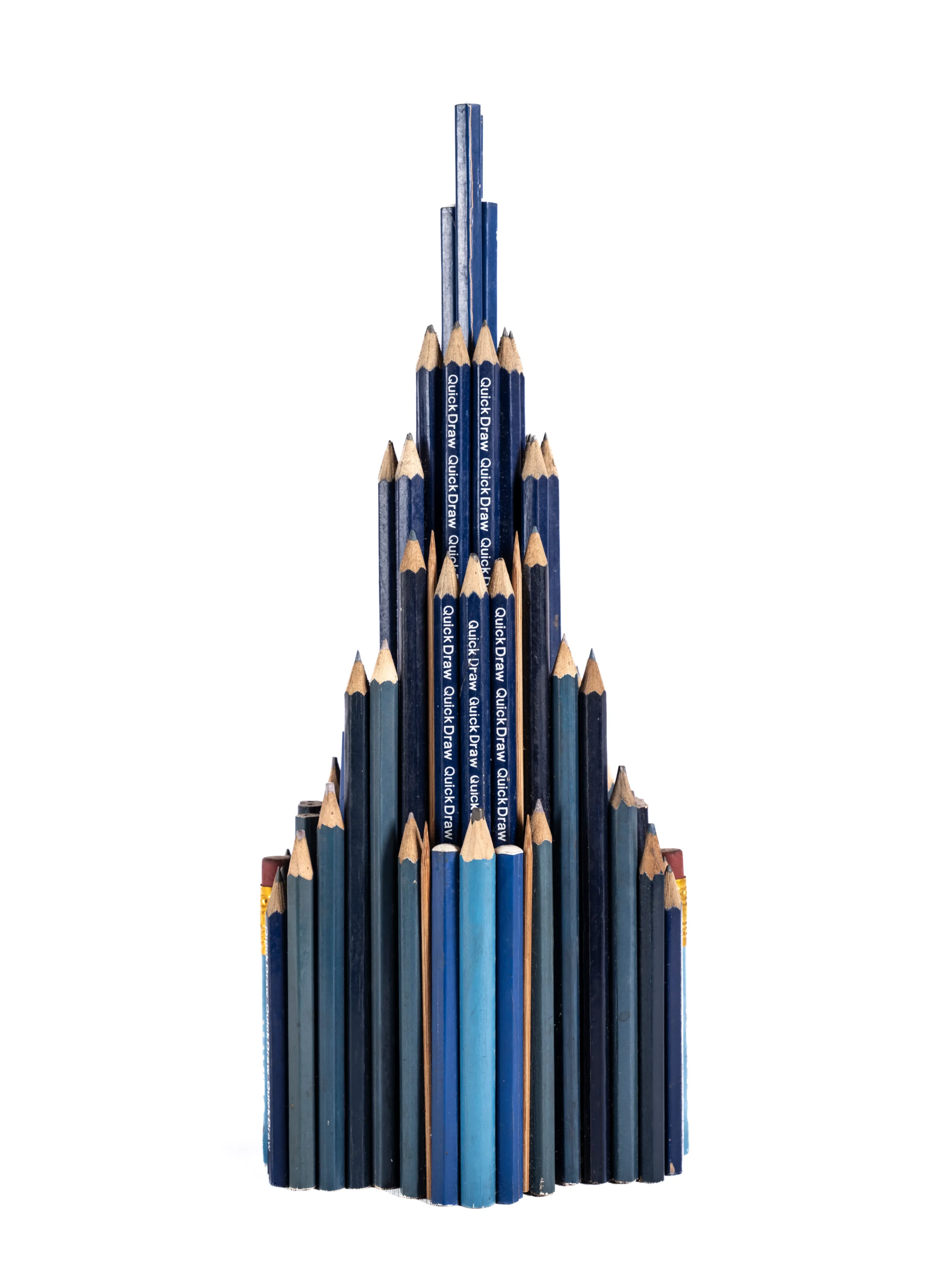
Constantino’s framing foregrounds not only the emotional registers of diaspora, but also its spatial and architectural conditions. Quisumbing’s early works, such as the case in “Blue Deco,” reveal how the built environment of New York seeped into her visual language. “Ling did this series of pencil works in the past,” Constantino recalls. “These chairs are influenced by art decoArt DecoArt Deco is a design movement that flourished in the 1920s and 1930s, defined by geometric forms, rich materials, and a confident sense of glamour, popularized by the 1925 ParisGo to Art Deco Glossary architecture in her environment in New York. You can see the influence of architecture on Ling—the forms, the lines, the materials.”
Before becoming known for assemblage, Quisumbing actually began as a figurative painter, absorbing the rhythms and geometries of the city around her. Her shift toward working with objects, however, was less a conceptual decision than a practical one shaped by return.
When she relocated to the Philippines, she found herself renovating her grandmother’s house. “At the time, she didn’t have space to paint,” Constantino explains, “and that’s when she discovered the madres.” The term (vernacular for the structural supports beneath a staircase) became a turning point in her practice. Continues Constantino, “That started her transfer to using these objects.” What began as a constraint evolved into a move away from representation toward direct engagement with the physical residues of lived space.
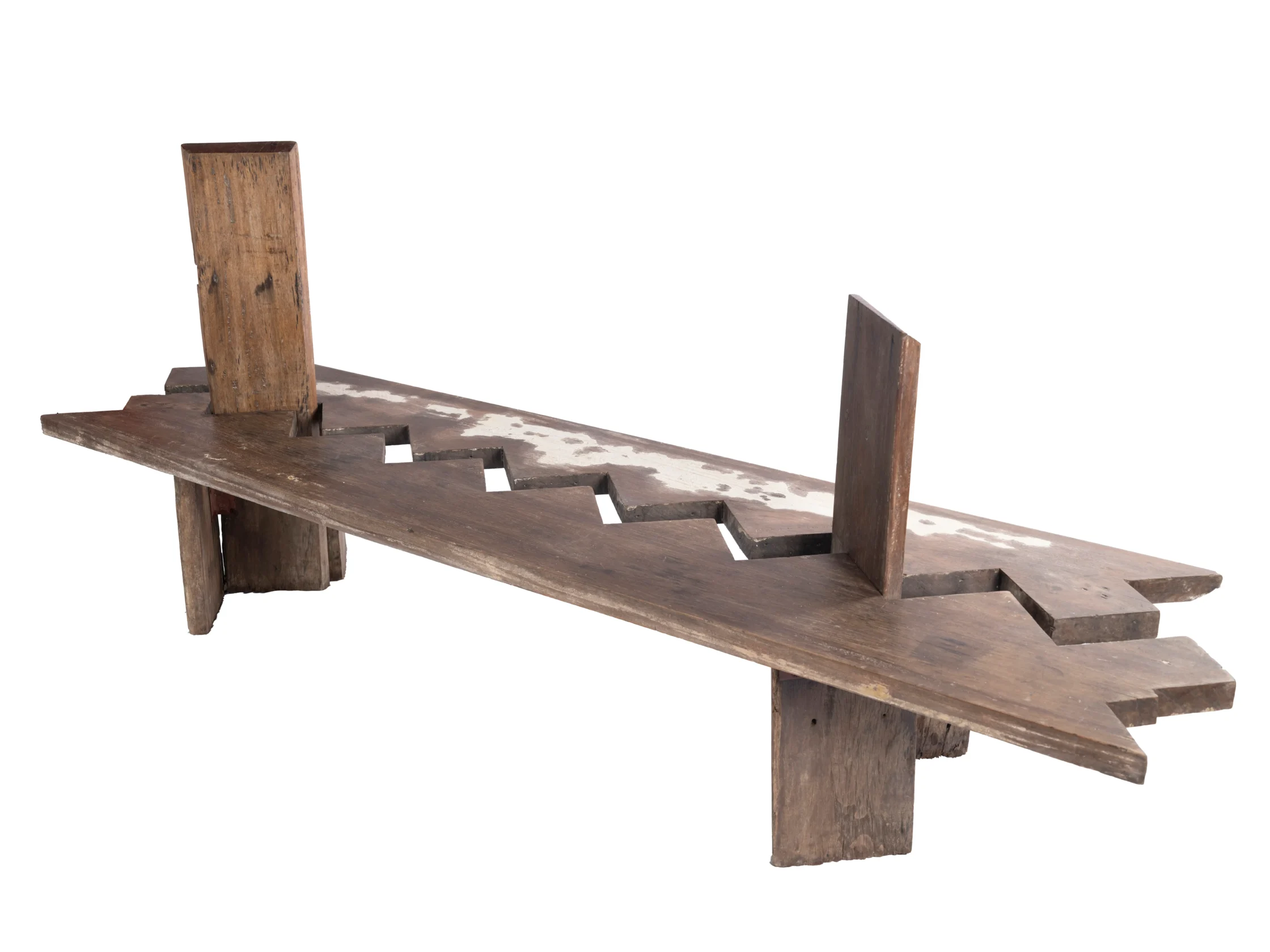
This is perhaps most evident in Quisumbing’s “Bati Galit” and “Kidlat,” benches constructed from stringers and supports, as Constantino notes. “What’s interesting about Ling’s work is that each piece has its own story. Each material has its own story.” One work draws from wood salvaged from her studio after it became infested with termites; another incorporates fragments collected over years of moving between cities.
We get a sense from Quisumbing’s works that she knows when not to intervene. Her interventions are minimal yet decisive, guided by what the material seems to ask for rather than what the artist wishes to impose. She sands, cleans, distresses, and revitalizes, but rarely erases. The object’s past then becomes recontextualized.
Multiplicity in the Diaspora
Constantino’s curation in Through Visual Poetries foregrounds multiplicity. “There are a multitude of reasons as to why Filipinos find homes in different parts of the world,” she reflects. “It’s never a one-size-fits-all kind of categorization.” This refusal of simplification is mirrors Quisumbing’s practice, where each object retains its particularity even as it is folded into a larger composition.
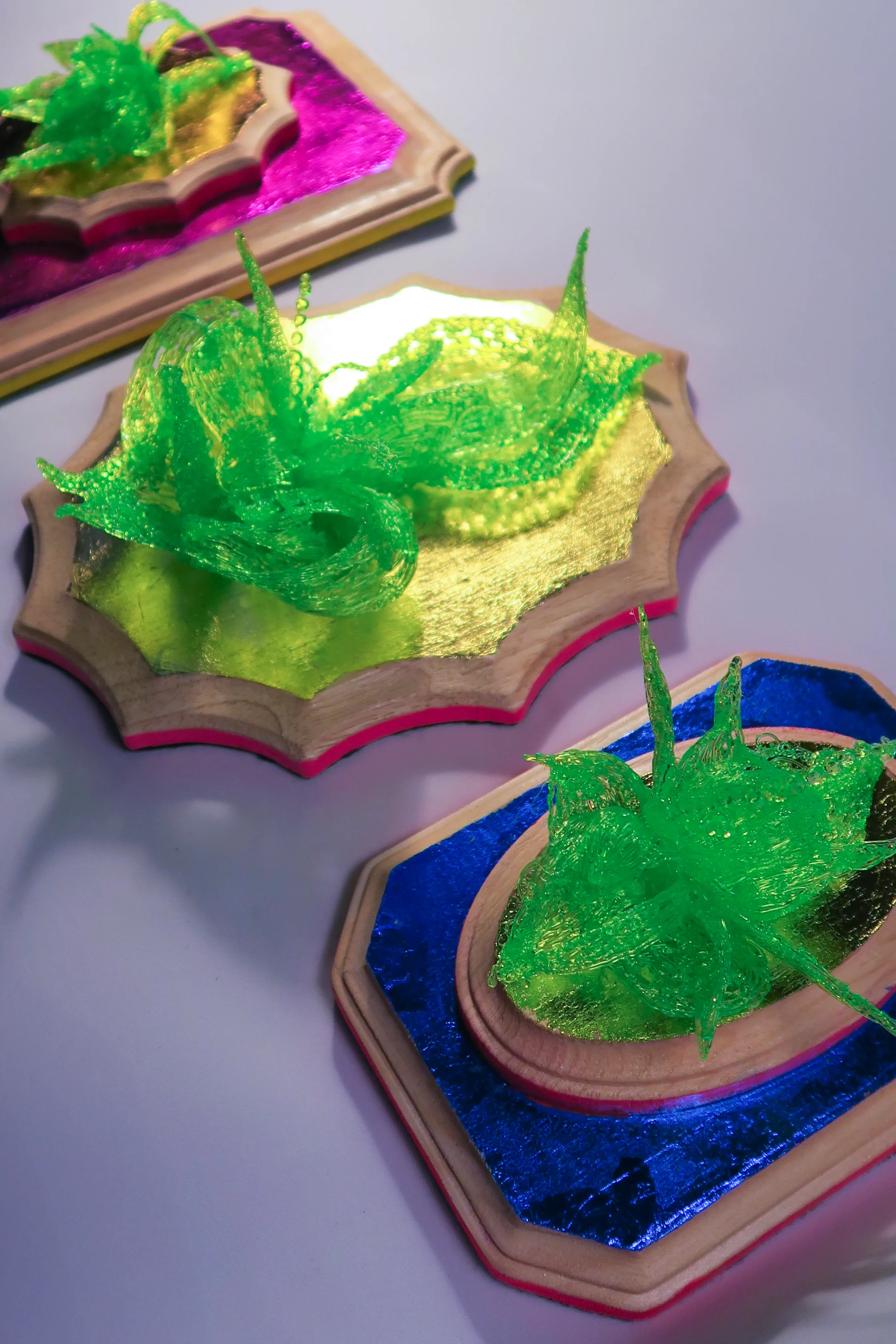
This relational logic extends to the responding artists—ALLDEFS, Katrina Bello, Kim Cruz, Joseph Gabriel, Rasco Jugarap, Kulay Labitingan, Angela Silva, and Pinky Ibarra Urmaza—whose works emerge from varied geographies and generations. Some are personally close to Quisumbing. Others encountered her practice for the first time through the exhibition. That spectrum of familiarity is intentional.
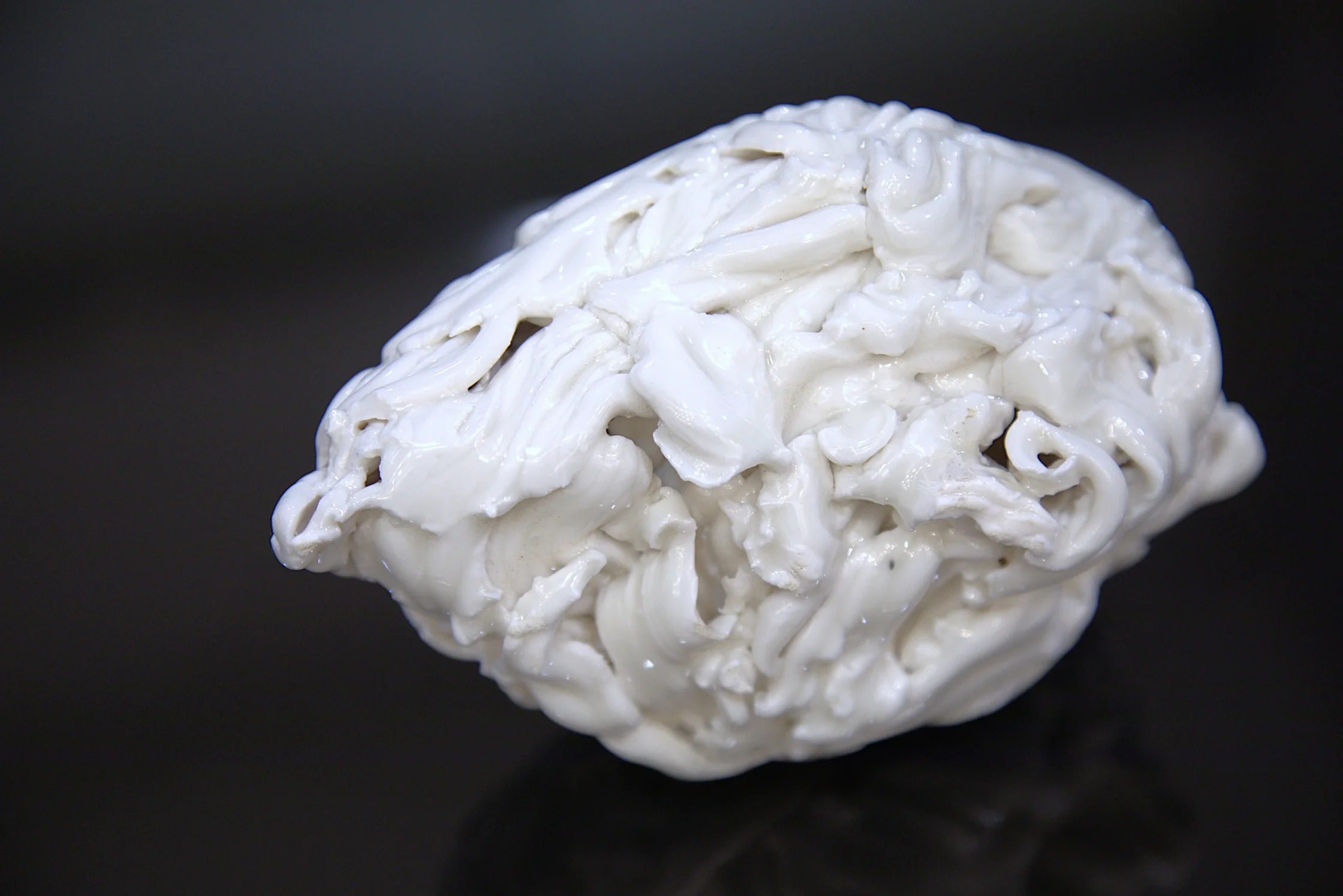
As Constantino observes, some of the artists “were unaware of her, which was interesting. We were able to educate them about her work and practice.” Each response becomes a different entry point into Quisumbing’s material universe. Seen this way, Lakbay 2026 turns to continuity. After all, objects, like people, accumulate histories, carrying damage, adaptation, and survival. Quisumbing simply arranges them so they can coexist.
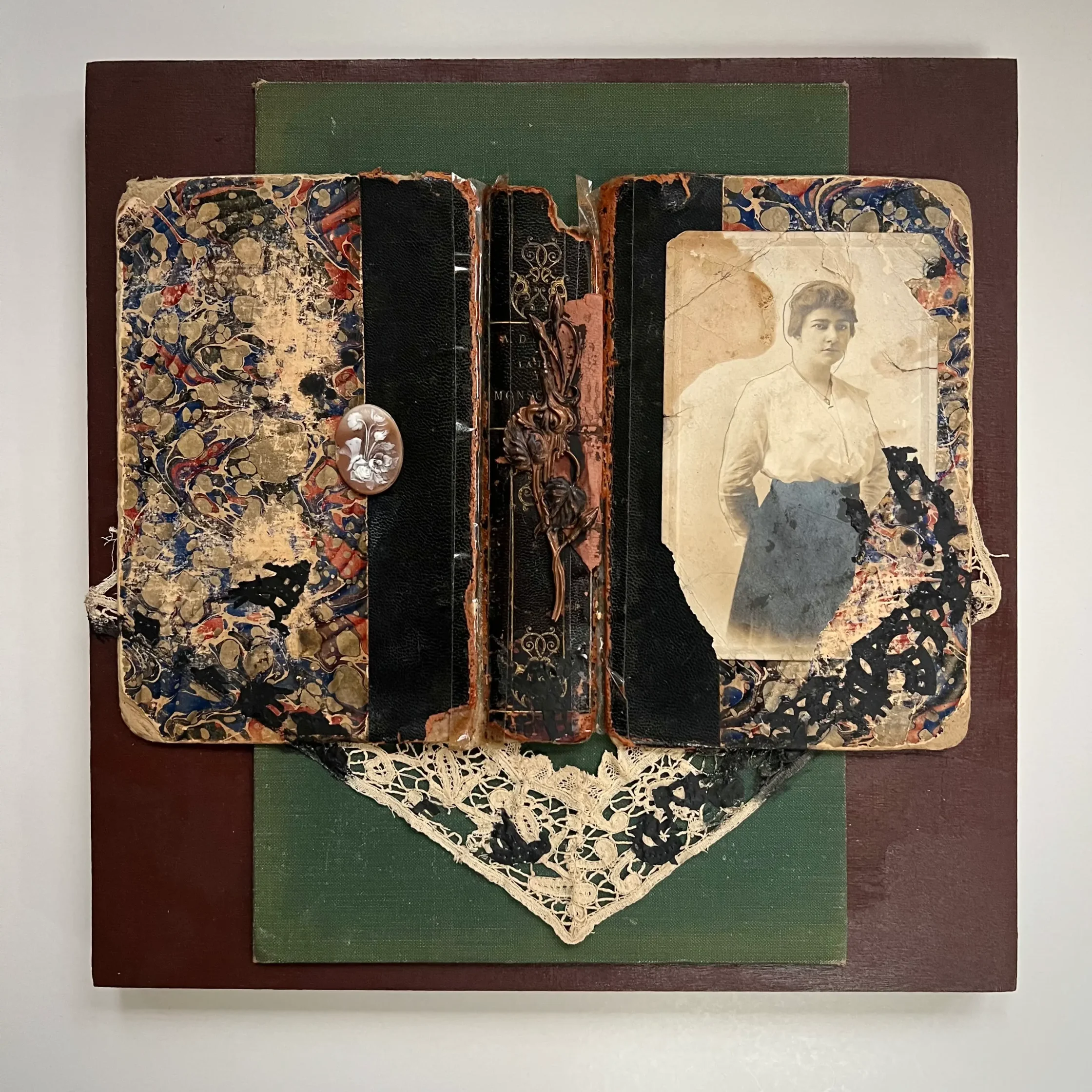
Ultimately, Through Visual Poetries asks viewers to slow down. To look closely. To consider how meaning is constructed not through grand gestures but through accumulated acts of custodianship. “Listen with your eyes,” Constantino writes in her closing note. It is an instruction that applies equally to Quisumbing’s assemblages and to the broader diasporic condition they quietly echo—lives shaped by movement, held together by attention, and continually reimagined through material and memory, crystallized by the patient art of assembly.
Lakbay 2026: Through Visual Poetries with Christina Quisumbing, presented by The Art House, will run at the Mezzanine of Discovery Primea from January 30 to February 1, 2026.