A Meeting of the Minds at the M+ for “Picasso for Asia: A Conversation”




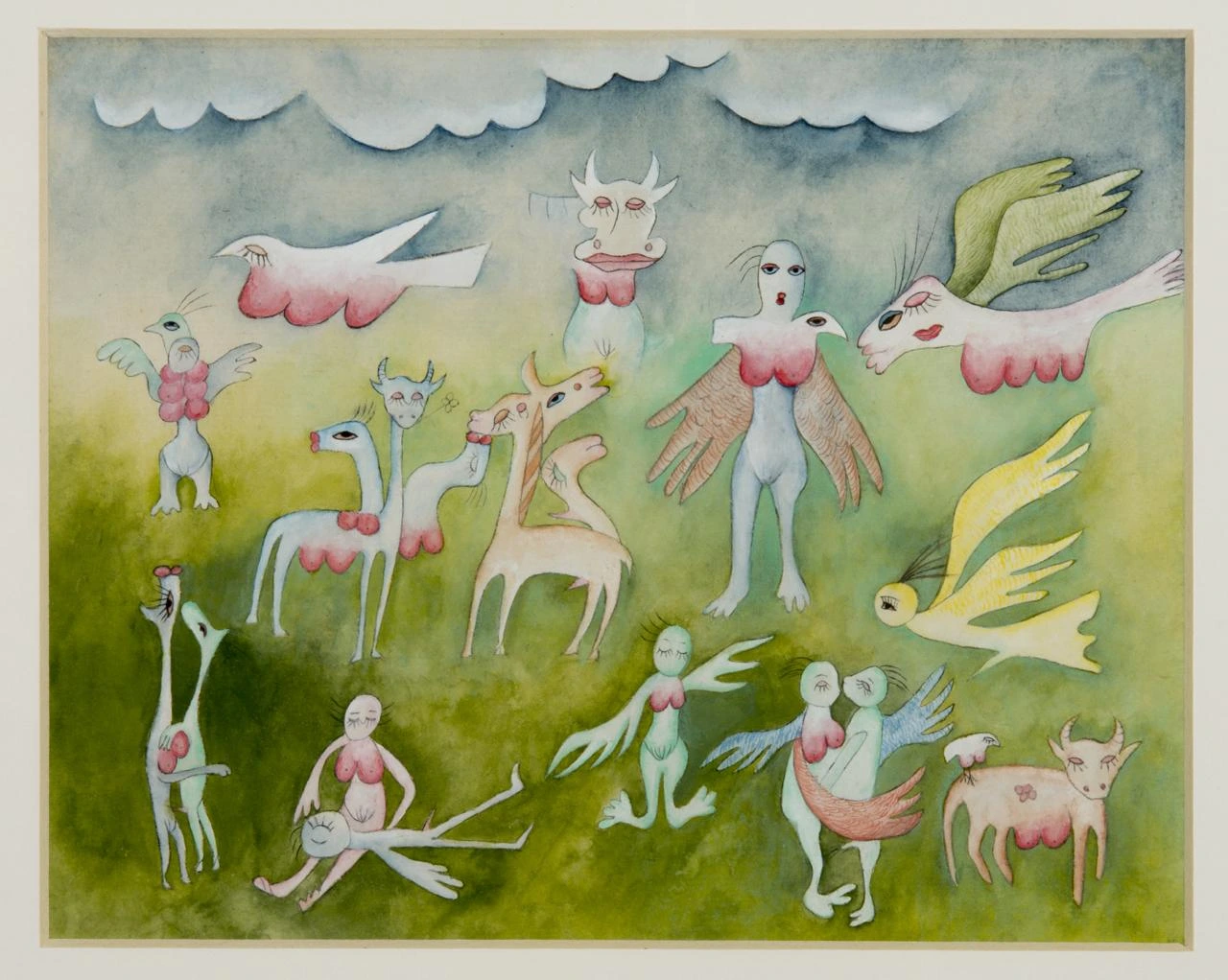
In a time when cross-cultural dialogue is becoming more important than ever, Picasso for Asia: A Conversation, which opened on March 15 at M+ in Hong Kong, offers a fresh perspective on the work and legacy of Pablo Picasso. The exhibition places over 80 works by the Spanish artist in discourse with artworks from the collections of M+ and more than 20 Asian and Asian-diasporic artists commissioned for the exhibition.
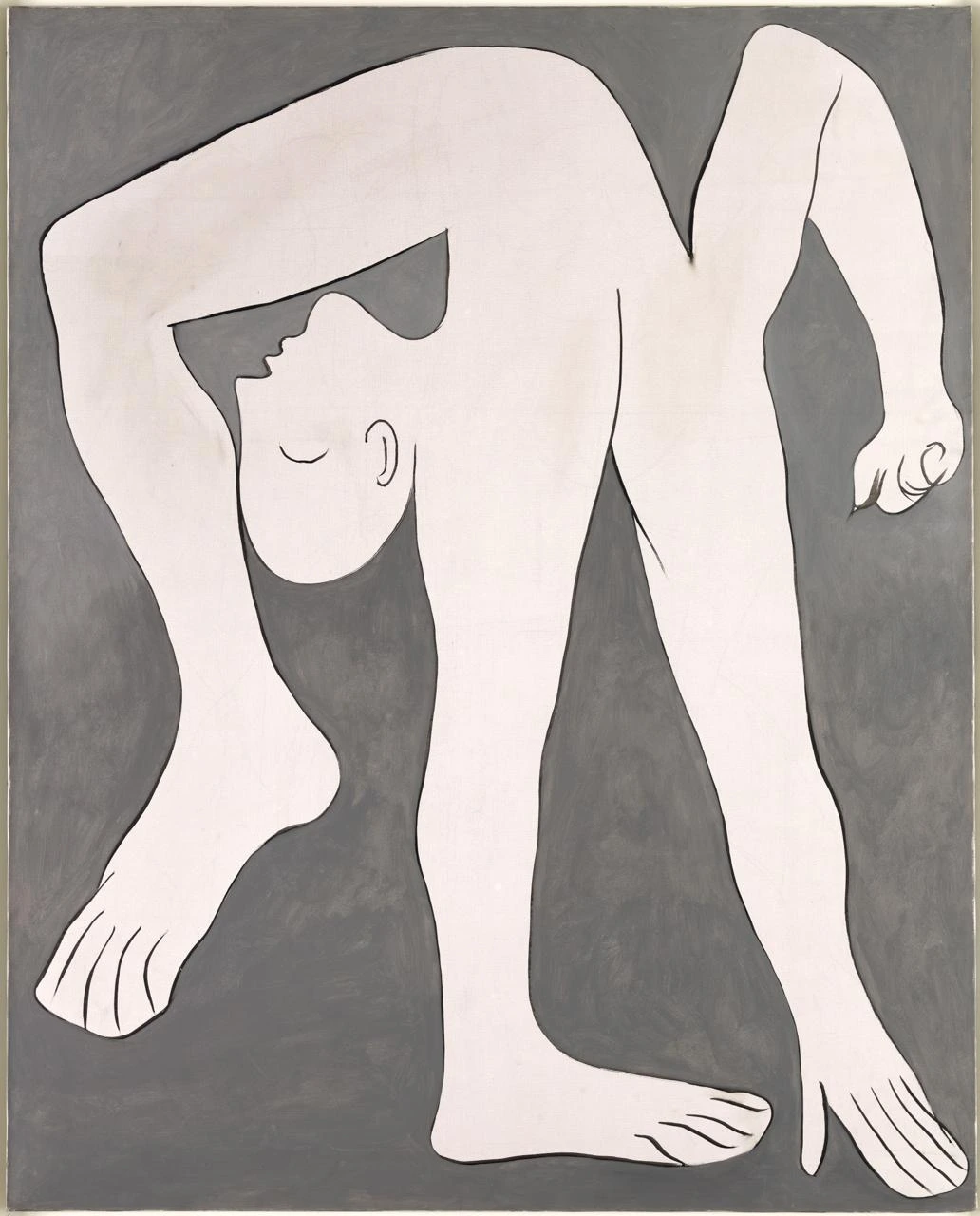
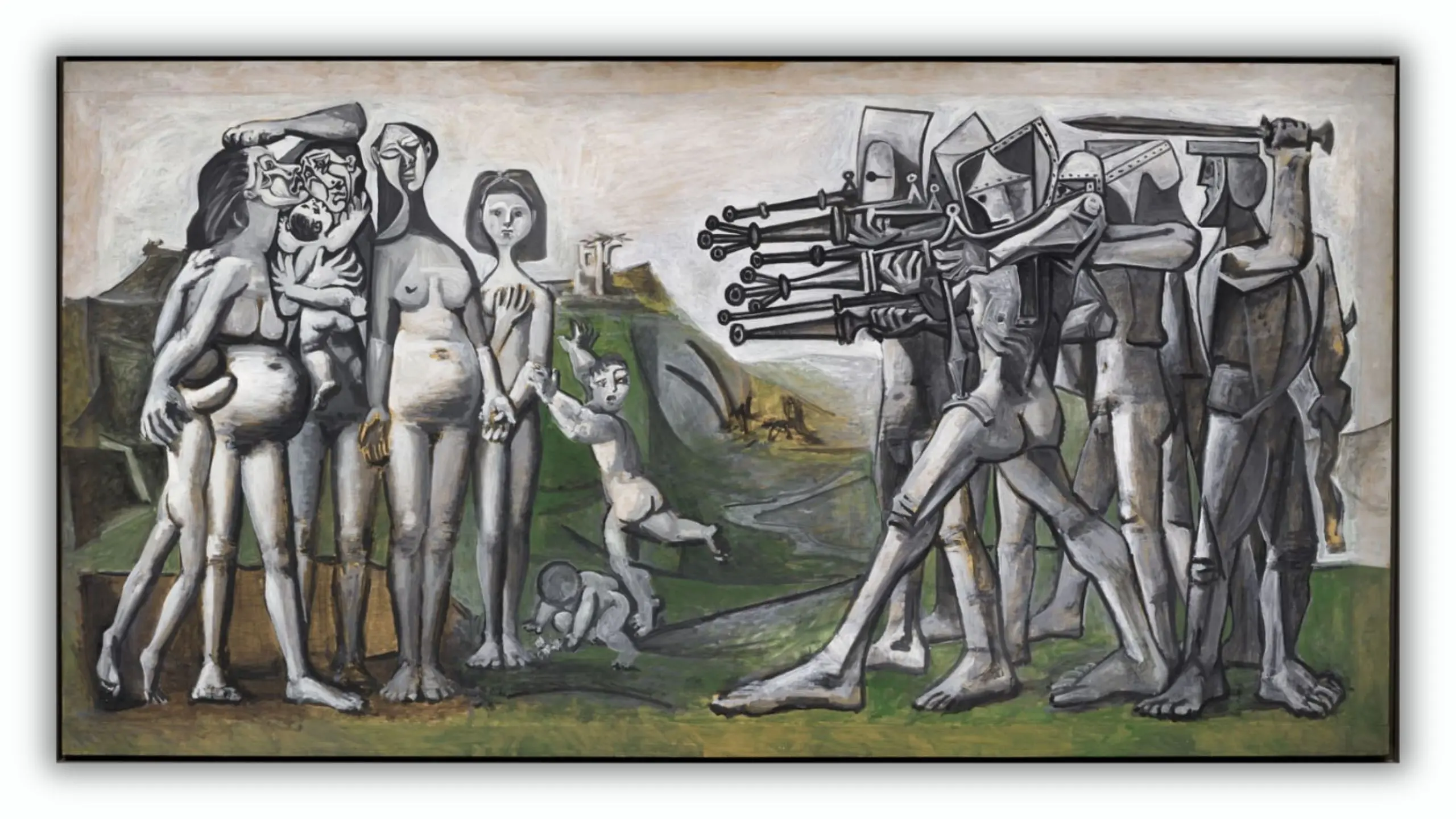
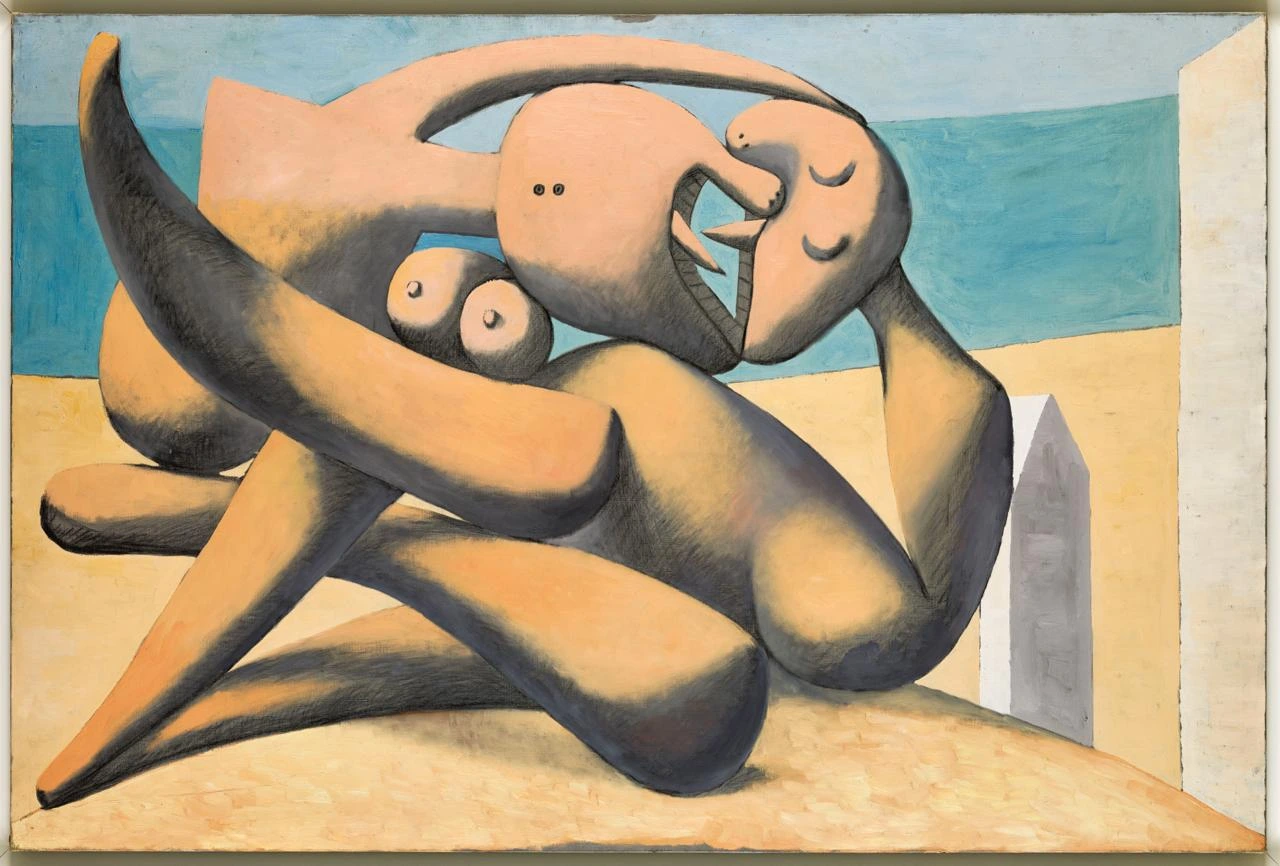
Co-curated by M+ and the Musée national Picasso-Paris (MnPP), which houses the largest and most significant collection of Picasso’s works in the world, Picasso for Asia: A Conversation includes masterpieces such as “The Acrobat” (1930), “Figures by the Sea” (1931), “Portrait of Dora Maar” (1937), and the haunting “Massacre in Korea” (1951).
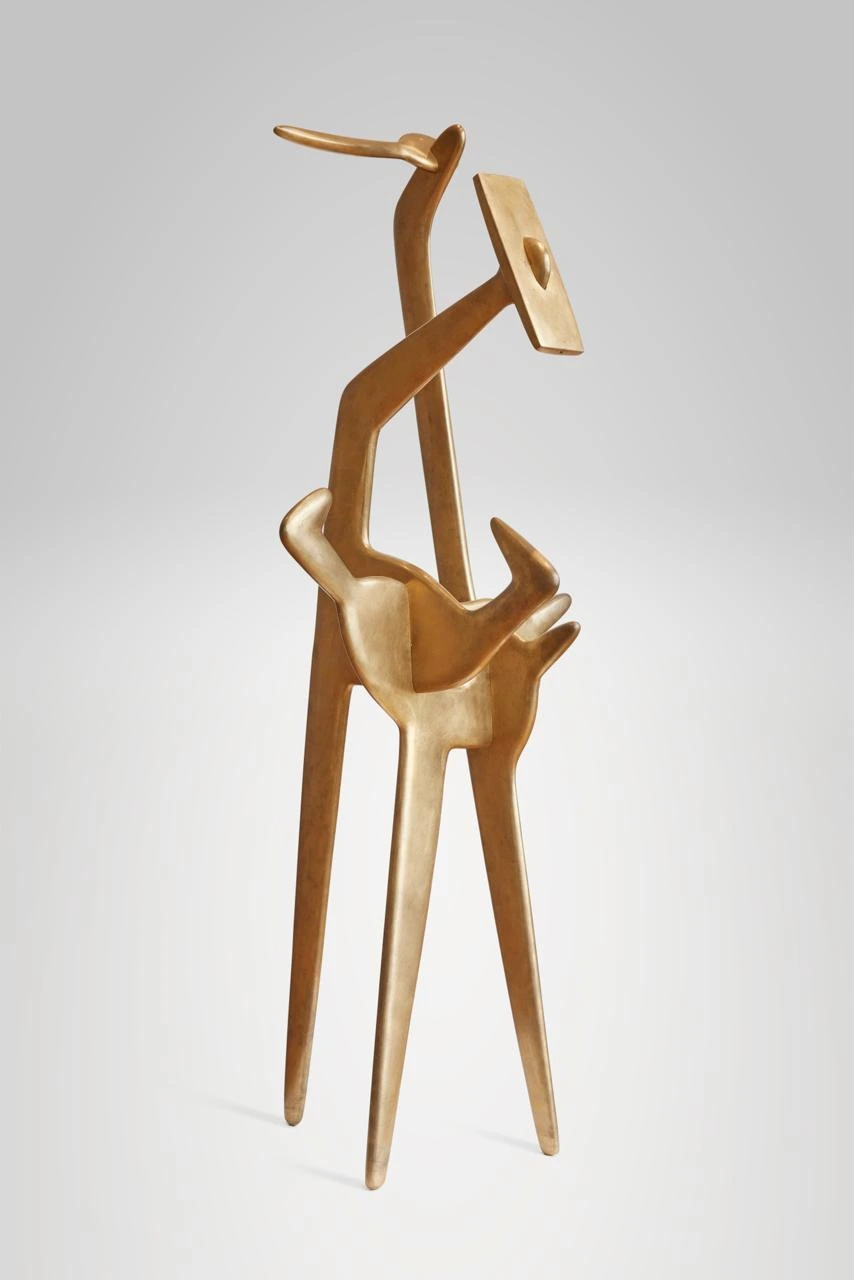
By pairing Picasso’s works with contemporary pieces from artists such as Isamu Noguchi, Luis Chan, Gu Dexin, Nalini Malani, and Haegue Yang, the exhibition reconsiders the way art transcends cultural boundaries and examines the complex intersection of origin and reception, invention and adaptation, and the West and non-West.
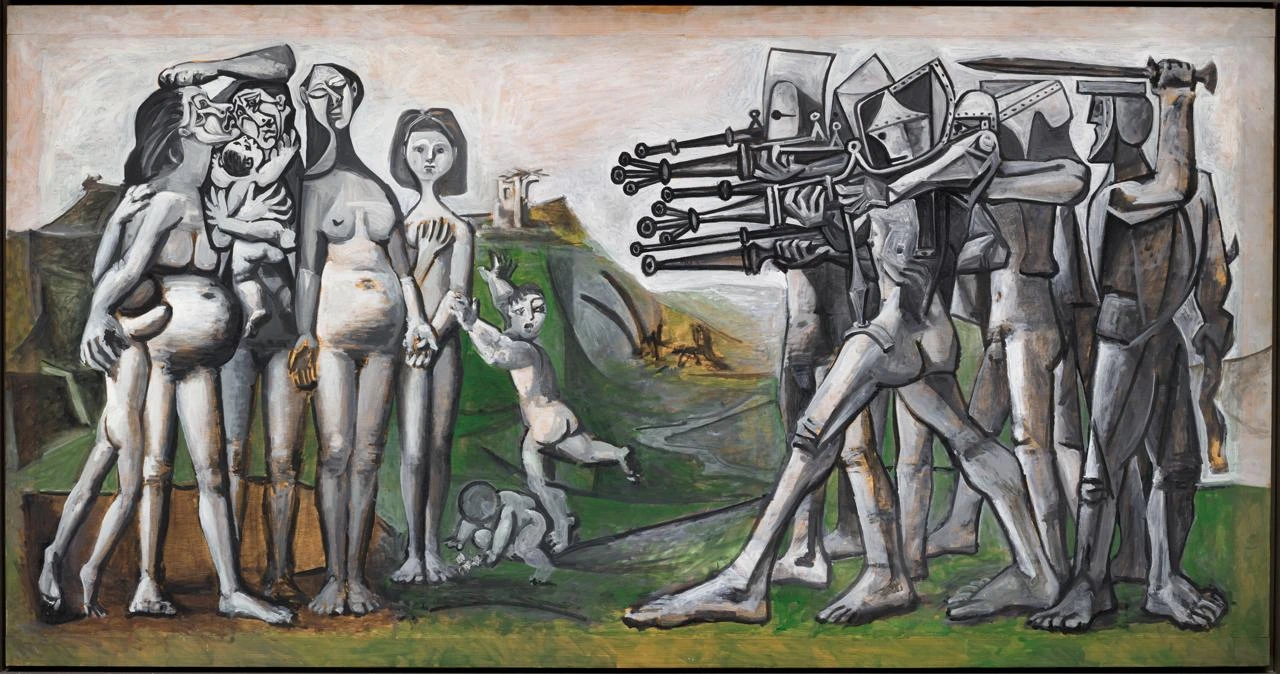
“By considering Picasso’s extraordinary work over the course of his life, this exhibition builds around a premise that museums working together can create new ways of seeing,” notes Suhanya Raffel, museum director of M+.
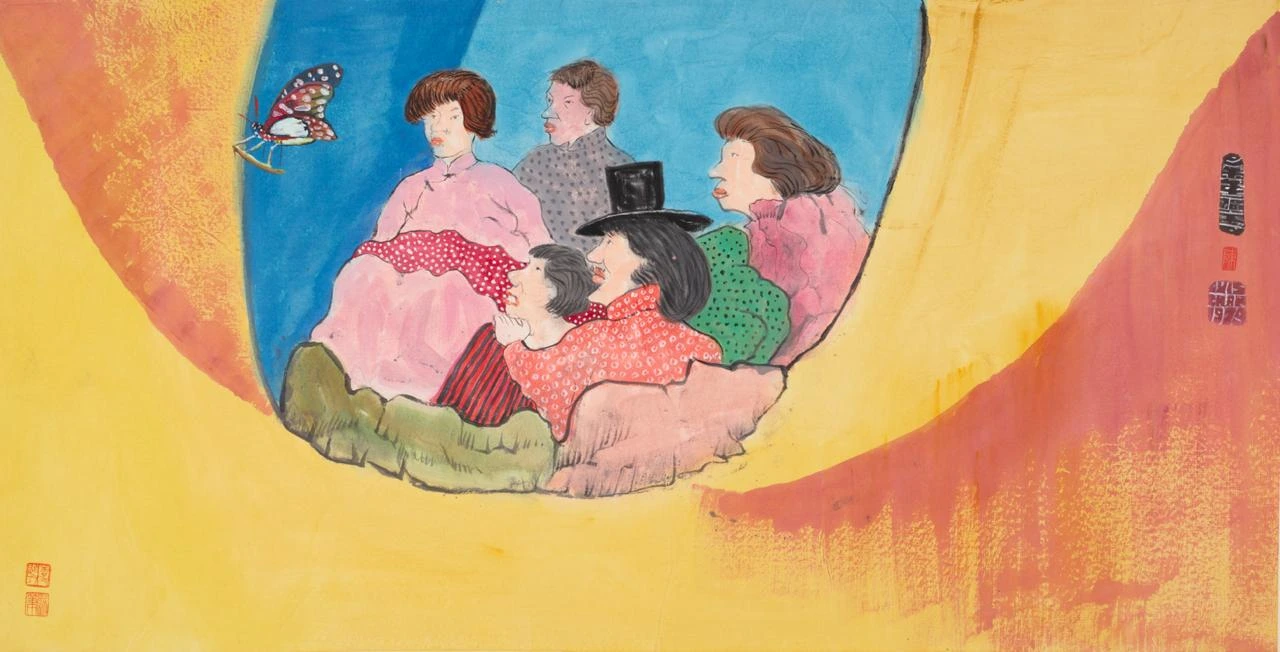
Yee
The exhibition is a landmark event on Hong Kong’s vibrant cultural calendar, marking the first major presentation of Picasso’s works in the city in over a decade. It also represents a milestone for M+, which has quickly established itself as one of Asia’s leading institutions for contemporary art.
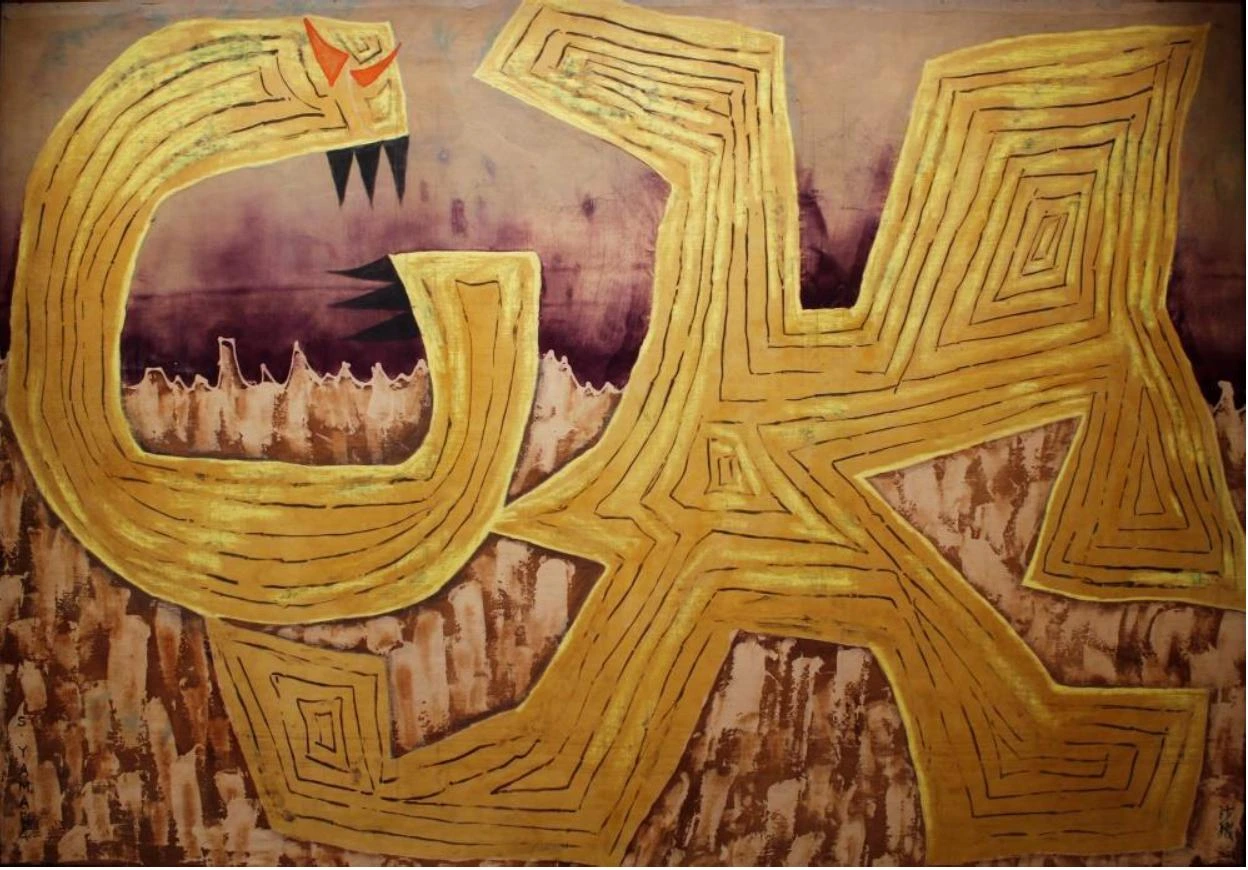
Picasso for Asia: A Conversation explores the artist’s legacy through an entirely new lens, examining not only how his works have been received globally, but how they continue to resonate in diverse cultural contexts–particularly in Asia inviting a dynamic, intergenerational conversation about the nature of creativity, identity, and cross-cultural exchange.
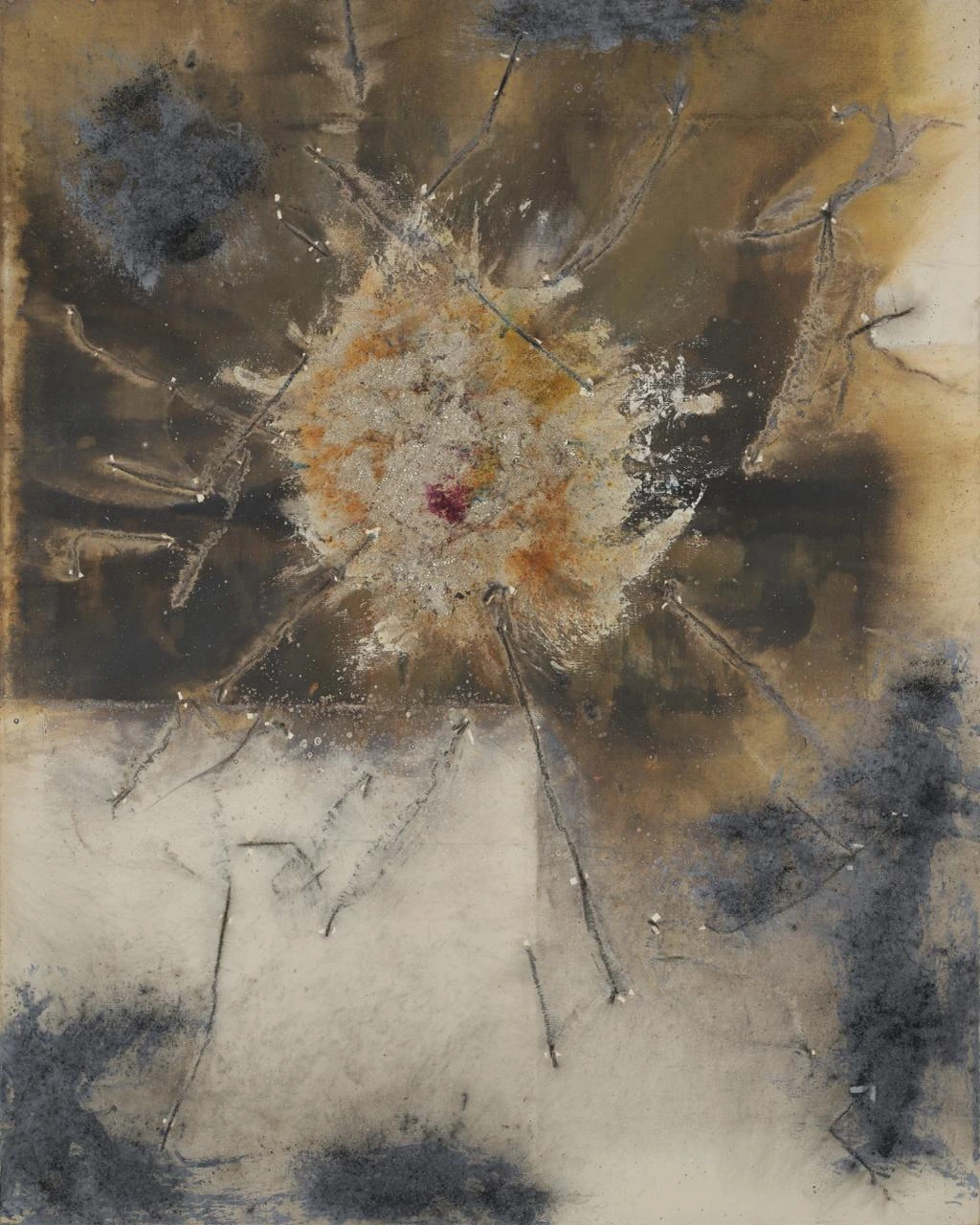
Currently, M+ also has an exhibition featuring photographers and self-portraitists Yasumasa Morimura and Cindy Sherman, which further emphasizes the museum’s framing of West/non-West art in dialogue. Both artists transform their appearances as a means to engage razor-sharp commentary on culture and history.
“Why is Picasso still the world’s most famous artist?” asks Doryun Chong, artistic director and chief curator of M+ and Picasso for Asia: A Conversation exhibition co-curator. “Why are publics around the world drawn to and fascinated by his art more than 50 years after his death? What is the source of the enduring influence and legacy of his life and art? The exhibition will answer these questions that have far-reaching ramifications for understanding the history of modern and contemporary art and visual culture on a global scale, which is the core mission of M+.”