Apéro: A French Chef Teaches Us How It’s Done


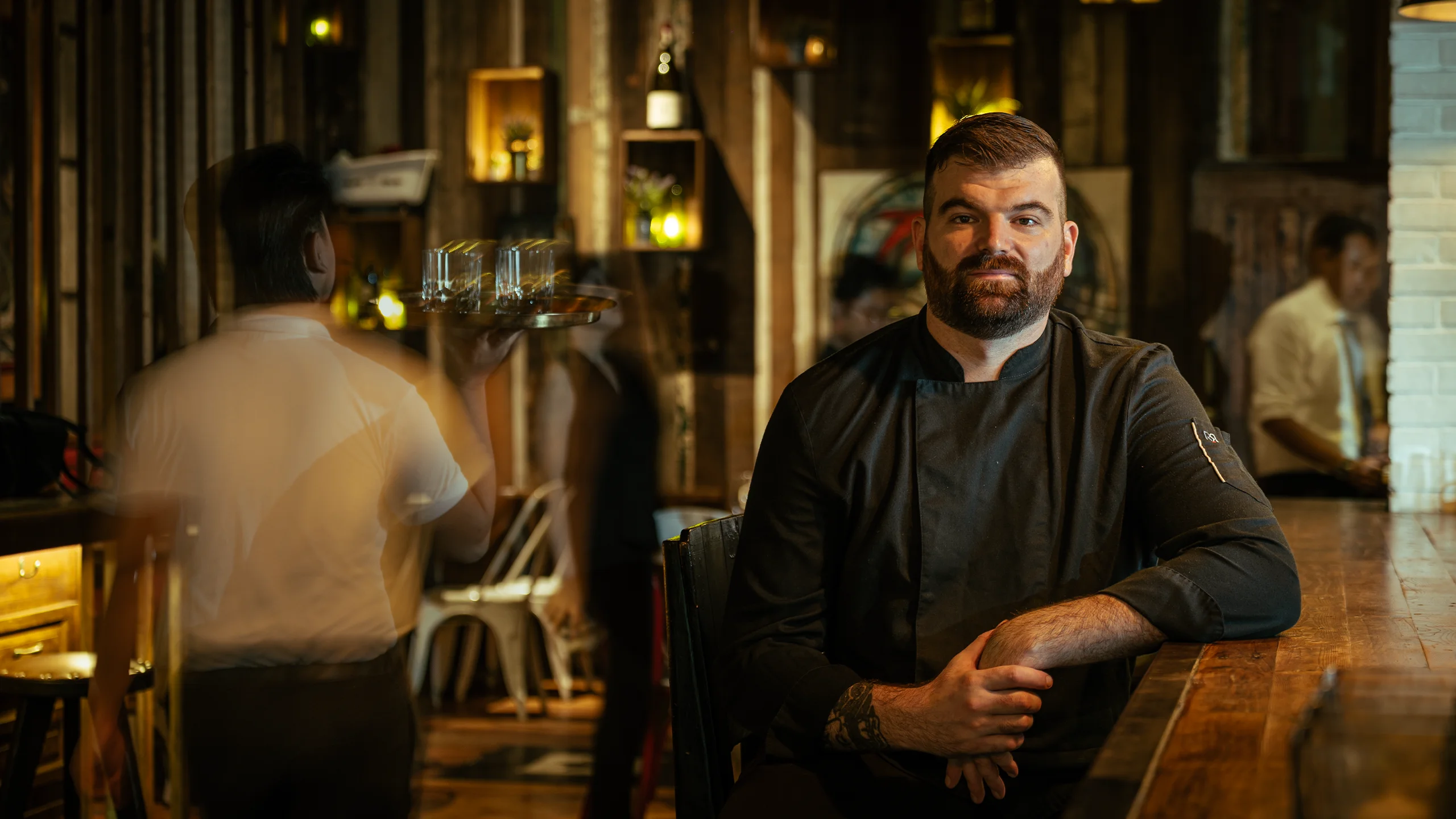
To the French, there’s a moment in the day when time slows down: not for dinner, not quite for leisure, but for something lighter, looser, and entirely social. It’s called apéro, short for apéritif, and it’s the kind of ritual that resists translation. Its spirit travels well, and in Manila it finds an easy home at Dr. Wine for the pre-dinner hour—then, when appetites open, the night can slide naturally into dinner, and at Dr. Wine, expect an authentic French one.
“As for apéro,” says Romain Escande, Executive Chef of Dr. Wine Poblacion, “it isn’t just about having a drink before dinner. It’s a part of everyday life in France. It’s when people slow down, connect, and enjoy the little things.”
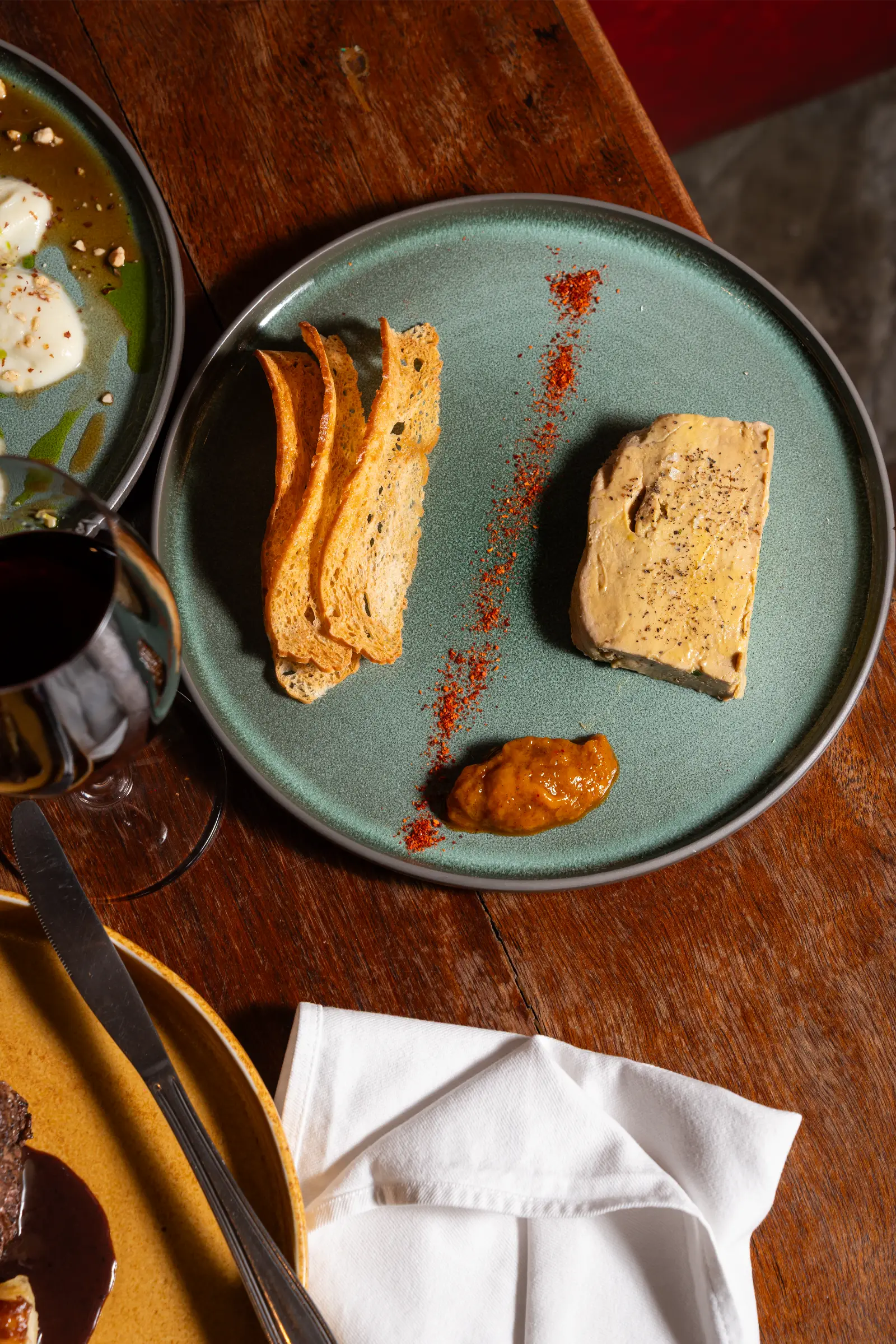
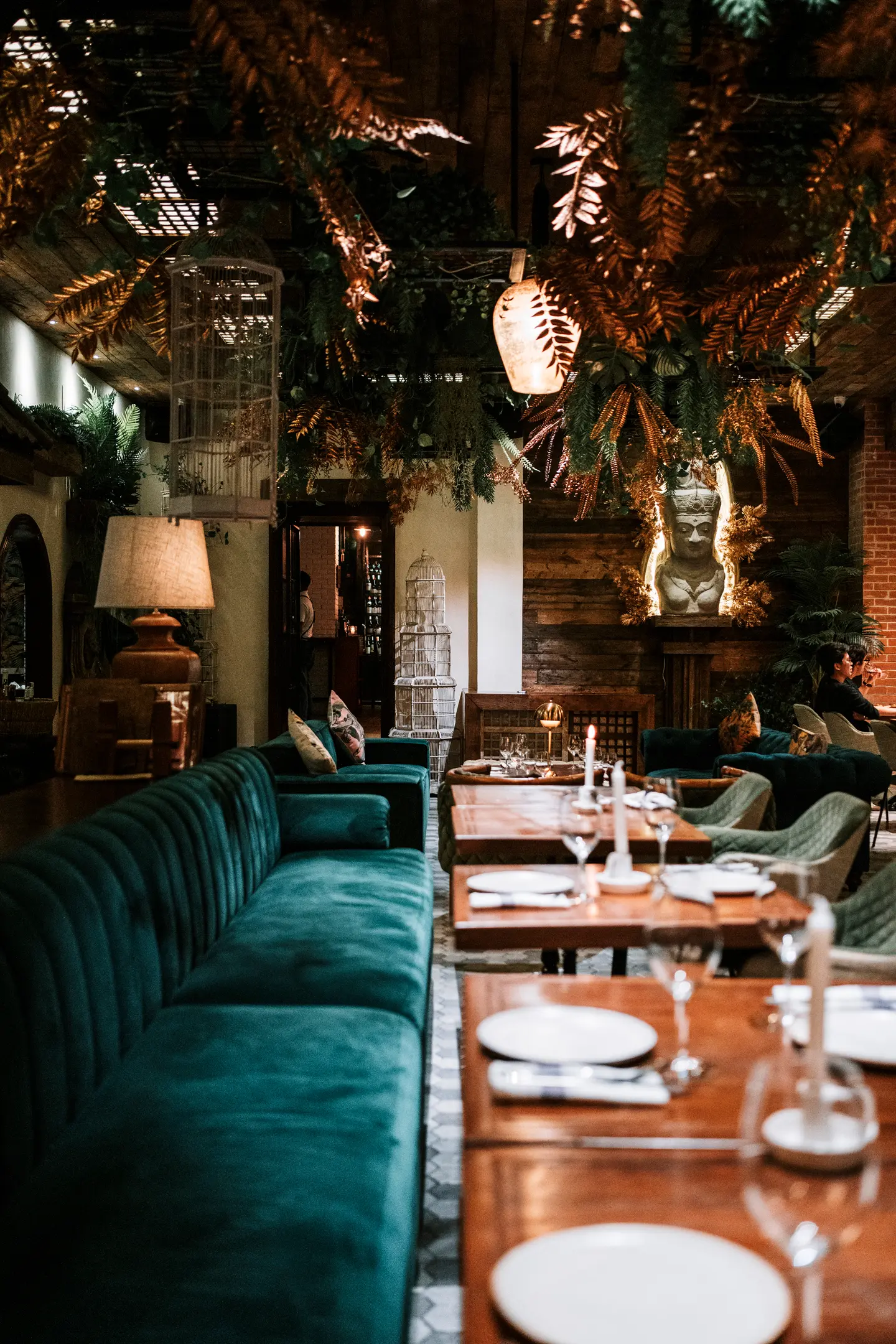
Often cast as an after-dinner haunt—late conversations, one more bottle, the low thrum of Poblacion—Dr. Wine is just as persuasive at the table: silky sauces, tenderTenderA tender is a smaller boat carried aboard a yacht to ferry guests and supplies to shore, particularly where the larger vessel cannot dock. On a superyacht, tenders are oftenGo to Tender Glossary meats, soups to tuck into (the onion soup is a must!), and considered cooking; wines from a deep and fairly priced cellar, and an overall ease of a townhouse bistro. It carries the apéro temperament from first pour to last—distinctive yet convivial, genuinely unhurried. It’s an address any Francophile would claim as their own, a reminder that an easy elegance and warmth is the kind of ambience any restaurant aspires to.
In France, apéro is almost instinctive. You pour something light—wine, perhaps, or a simple cocktail—lay out a few snacks, and settle in for conversation. “You open a bottle of wine, serve some simple snacks, and hang out,” Escande continues. “It doesn’t have to be fancy. What matters is the mood.”
That mood is deeply social but never contrived. “People will meet for apéro with one group of friends, then head off to dinner with another,” he says. “It’s built into our lives. I still have an apéro with my grandmother when I visit her. It’s not about the food—it’s about being together.”
The Mood, Not the Menu
If the apéro has a philosophy, it’s this: unhurried pleasure. It’s the opposite of efficiency, the antidote to the modern rush. “Happy hour usually feels rushed,” Escande notes. “People are trying to squeeze in cheap drinks before the clock runs out. A cocktail party is more dressed-up and structured. Apéro is different. It’s casual. It’s relaxed. No dress code, no pressure.”
You don’t even need a special setting. “You can have it at your kitchen table, out on the balcony, or even in the park. You don’t need an occasion,” he says. “It’s about slowing down, enjoying something simple, and being with people you like.” That casualness is key. Apéro isn’t an event to plan, but an atmosphere to fall into.
How to Apéro Like a French Chef
“You don’t need much,” Escande insists. “Just a few good things.”
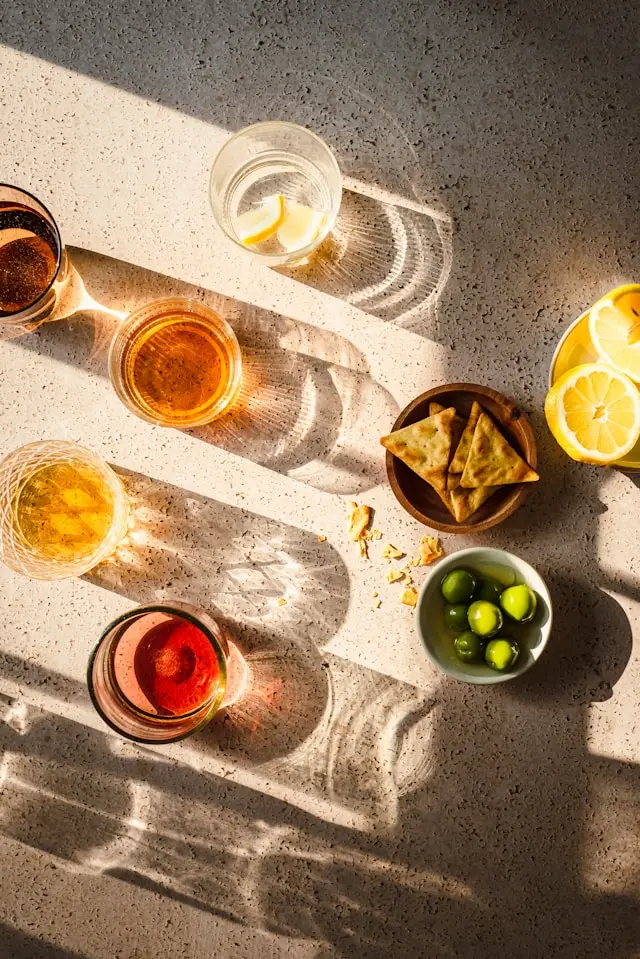
Start with the drinks. “Go with something light. A dry white wine, a chilled rosé, or a Kir if you’re in the mood for something a little sweet,” he suggests. “An Aperol Spritz works well, too. Honestly, any drink you love can work. I personally enjoy a good glass of Chablis, or if I want something different, a classic Negroni.”
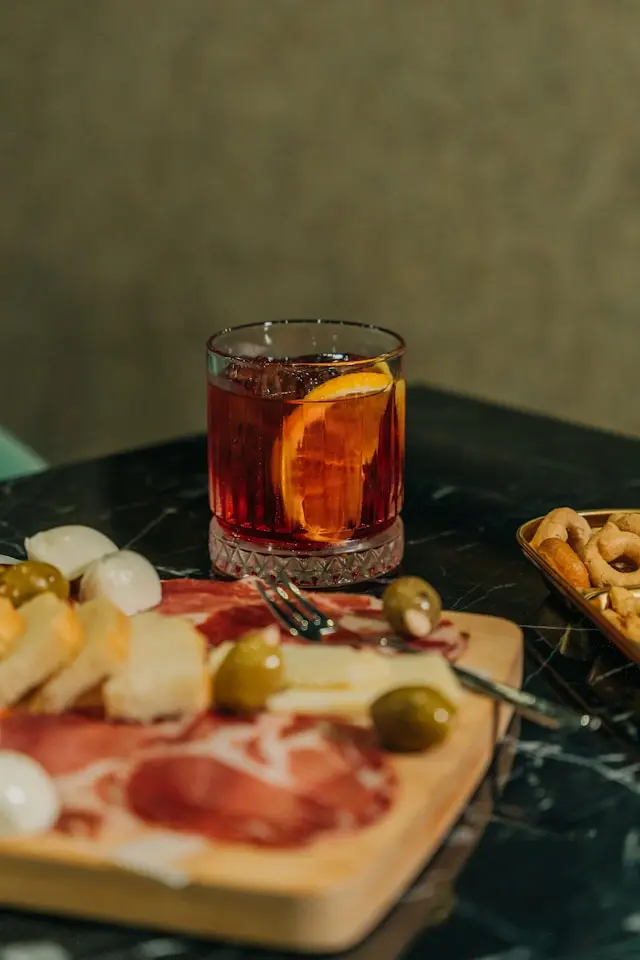
For the food, simplicity is non-negotiable. “Think something easy to share,” says Escande. “Saucisson, olives, cornichons, and a couple of cheeses, like a soft Camembert and a hard Comté or Tomme. Add some crusty bread or crackers. Maybe a tapenade or some rillettes to spread. You don’t need to cook—just mix flavors and textures.”
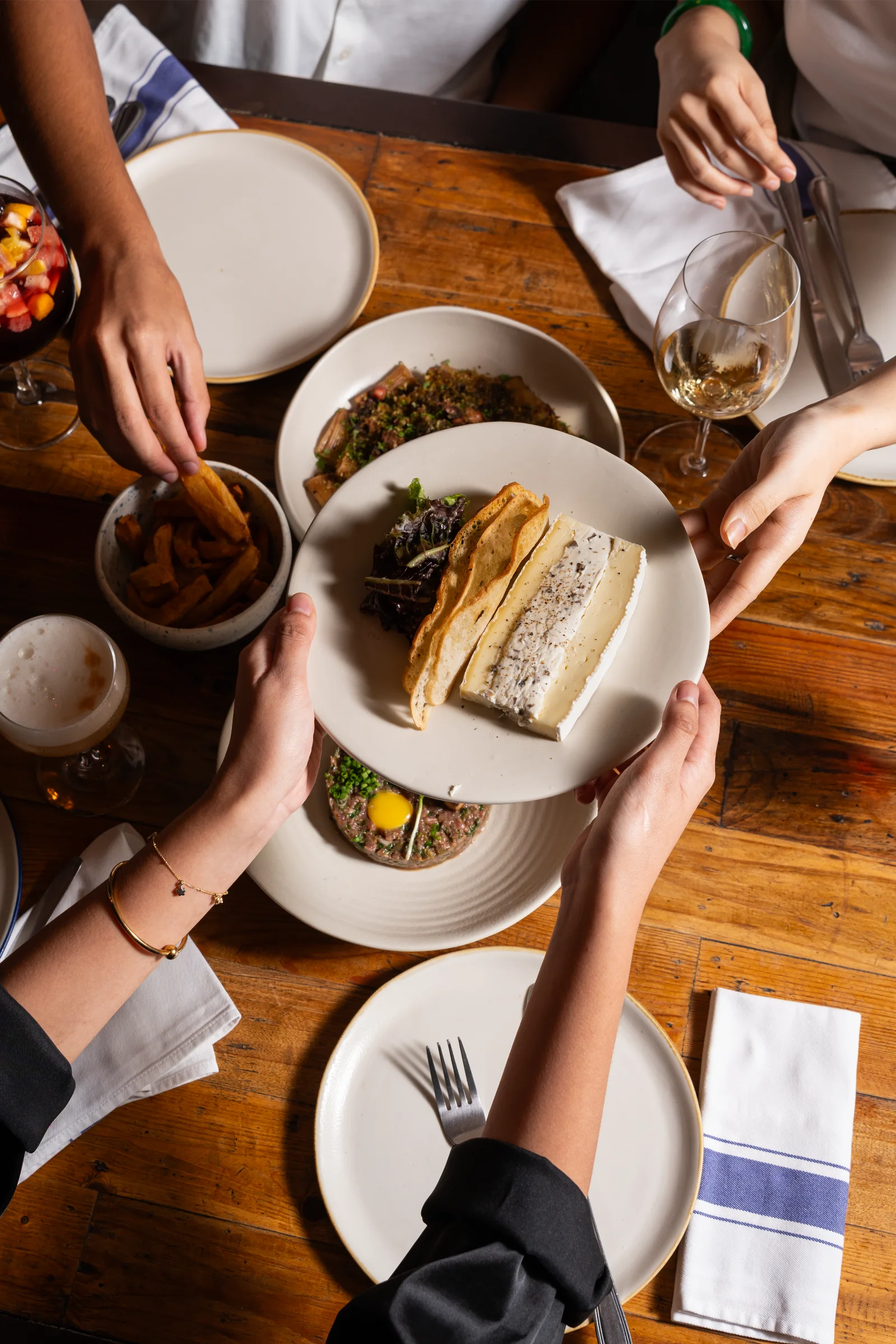
If you’re having apéro alone, the formula still holds. “Then you get to make it exactly how you like it,” he says. “A glass of wine, a few olives, a slice or two of your favorite cheese, and some good bread. Maybe a little saucisson or some nuts. Keep it light. It’s not about making a big production. It’s about taking a moment for yourself. I actually enjoy having an apéritif solo, to be honest.”
Hosting the Perfect Apéro
If there’s a rule to follow, it’s not about taste—it’s about tempo. “Apéro is meant to whet your appetite, not fill you up,” Escande explains. “Keep the flavors light, salty, maybe a little fatty, but not rich. Stay away from anything too sweet or too spicy. The idea is to wake up the palate and leave people looking forward to the meal, not feeling like they’ve already had it.”
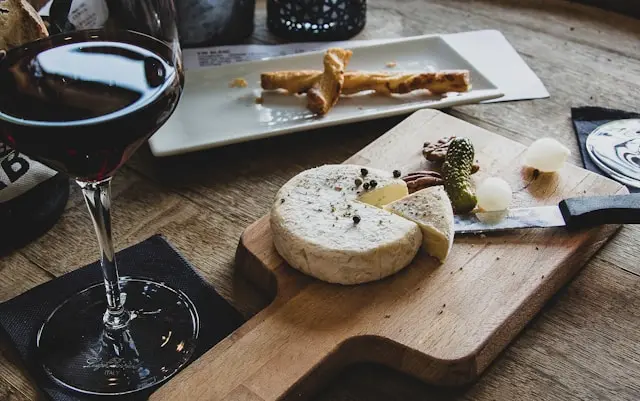
He’s equally precise about atmosphere: “Keep it simple. This isn’t a dinner party. No need to impress anyone. Set things up ahead of time so you can actually enjoy it with your guests. Make sure the drinks are cold. Take the cheese out early so it’s not straight from the fridge. Mix up the textures—salty, creamy, crunchy. Use real glasses and plates whenever you can. Light a few candles. Play something low-key in the background. And most importantly, relax. If you’re at ease, your guests will be too.”
A Filipino Twist
Even halfway across the world, the apéro finds a natural home in the Philippines. “Chicharon for the crunch, definitely,” Escande suggests. “Pair it with a little spiced vinegar and you’re good. Kinilaw with some corn chips also works—it’s refreshing, acidic, and has bite. A bit controversial, maybe, but laing on crackers instead of rice would be nice too.”
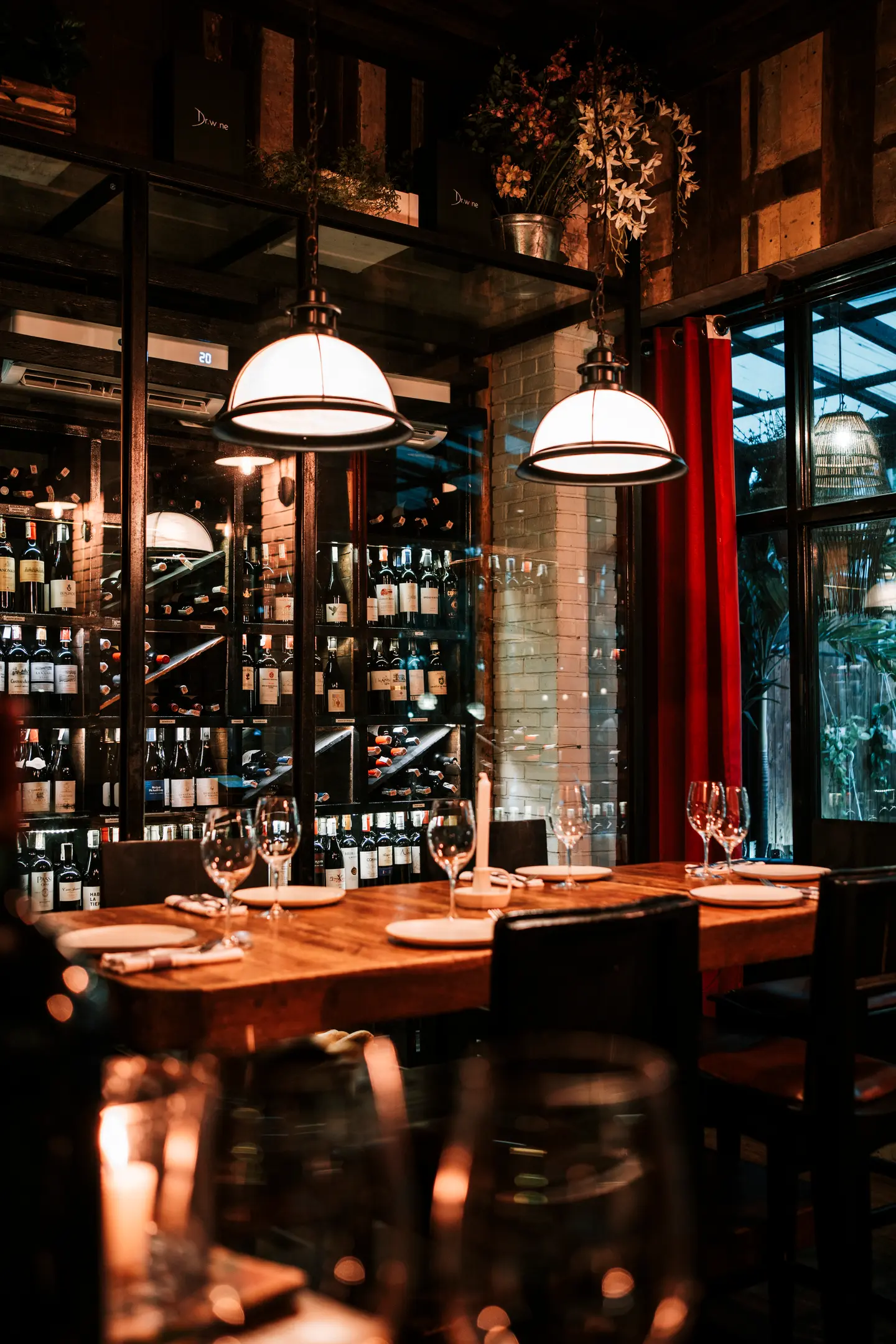
Filipino conviviality meeting French ease is an inspired match. “You’re not following any rules,” he says. “You’re creating a moment. If the flavors are good and the mood is right, people will want to stay a little longer.”
And that, in the end, is the essence of apéro: it’s not about the drink in your hand or what’s on the table, but about that fleeting, beautiful in-between, when the day exhales, the company is good, and time itself takes a seat beside you.
Dr. Wine Poblacion is located at 5921 Algier, Poblacion, Makati City; Dr. Wine BGC is located at Parklane, Forbestown Road, BGC, Taguig City.