ARC Gin: The Philippine Archipelago in a Bottle




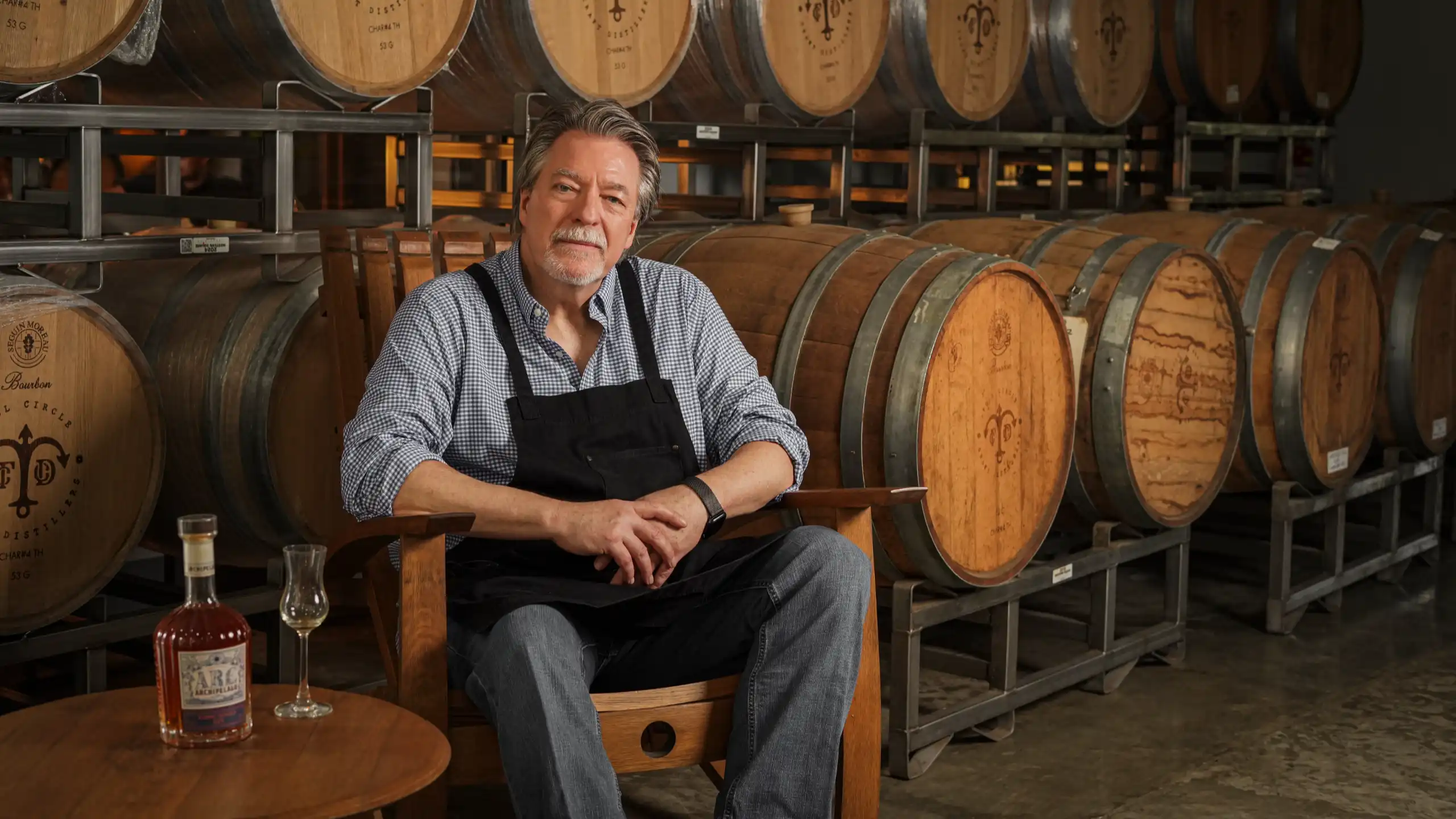
Watch Episode 2 of Genius at Work below.
By the time you arrive at ARC Gin’s facility in Calamba, the air is already perfumed. Calamansi oils misting faintly over steel tables, pomelo peels piled like gilded crescents, sampaguita, and ilang-ilang resting in shallow trays. It smells less like a factory than a kitchen mid-prep. Exactly as it should.
For its founder Matthew Westfall, gin is a kind of “a blank canvas.” Juniper may define the spirit, but the remaining space (he calls it the “10 percent you can play with”) is where identity takes shape. In ARC’s case, that identity is unapologetically Filipino.
The idea began not in a bar, but rather in a development career that spanned the Peace Corps, USAID, and more than two decades at the Asian Development Bank (plus a small cameo in Oliver Stone’s 1986 anti-war film Platoon). “This is really a development project,” Westfall says, matter-of-factly. The ambition was to build supply chains that tether small farms—from Sagada’s Benguet pine to Pangasinan mango groves—to a global market.
Video:
The mango, incidentally, was the final note in ARC’s now award-winning flagship. After 66 trial recipes developed with a German master distiller, it became the bridge between floral high notes and bright citrus. Creamy, rounded, unmistakably tropical, it was the ingredient that made the blend cohere. “We think you nailed it,” chefs told him during early tastings. International judges agreed.
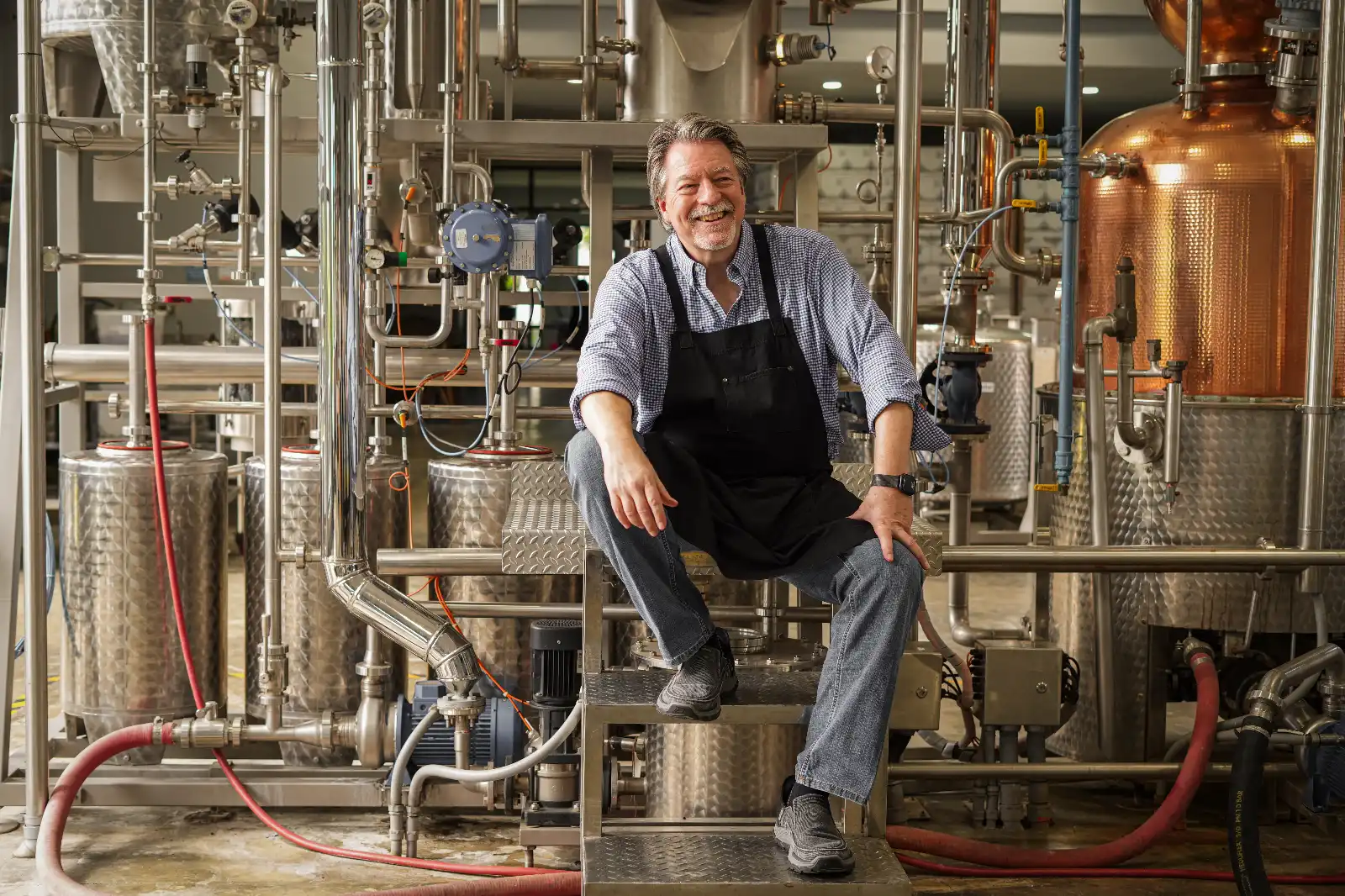
Production begins with a 450-liter German copper still (“the Rolls-Royce of craft distilling,” Westfall notes), programmed for meticulous consistency. Fresh botanicals arrive one or two days before distillation. Pomelo from Davao. Calamansi and tropical flowers from Laguna. Pine from Sagada, transported overnight by bus before dawn. They are peeled, processed, and separated. Heartier ingredients into the copper pot, delicate aromatics into a vapor basket above.
A long distillation follows, slow and deliberate. “It’s almost like making soup,” Westfall quips. Heat rises gently through seven control plates before condensing into a crystalline spirit at 94.5 percent ABV. The gin then rests, batches blended and settled, before hand-labeling and individual numbering. From there, it travels to Singapore, Hong Kong, Amsterdam, and nearly 40 U.S. states, among other locations.
If crafting the liquid is poetry, exporting it is prose. Logistics, intellectual property disputes, regulatory labyrinths. These things, Westfall admits, comprise 95 percent of the battle. “It’s the hardest thing I’ve ever had to do in my life,” he notes. Yet the harder fight only sharpens the mission. “The ability to go storytell on behalf of the Philippines is really one of the best parts of this operation.”
Tuscan juniper meets Champagne-grown winter wheat, anchored by a citrus clarity and a humid, floral warmth unmistakably of the tropics. Geography, distilled in a bottle. Here’s how ARC Gin is made.
Step By Step:
Step 1
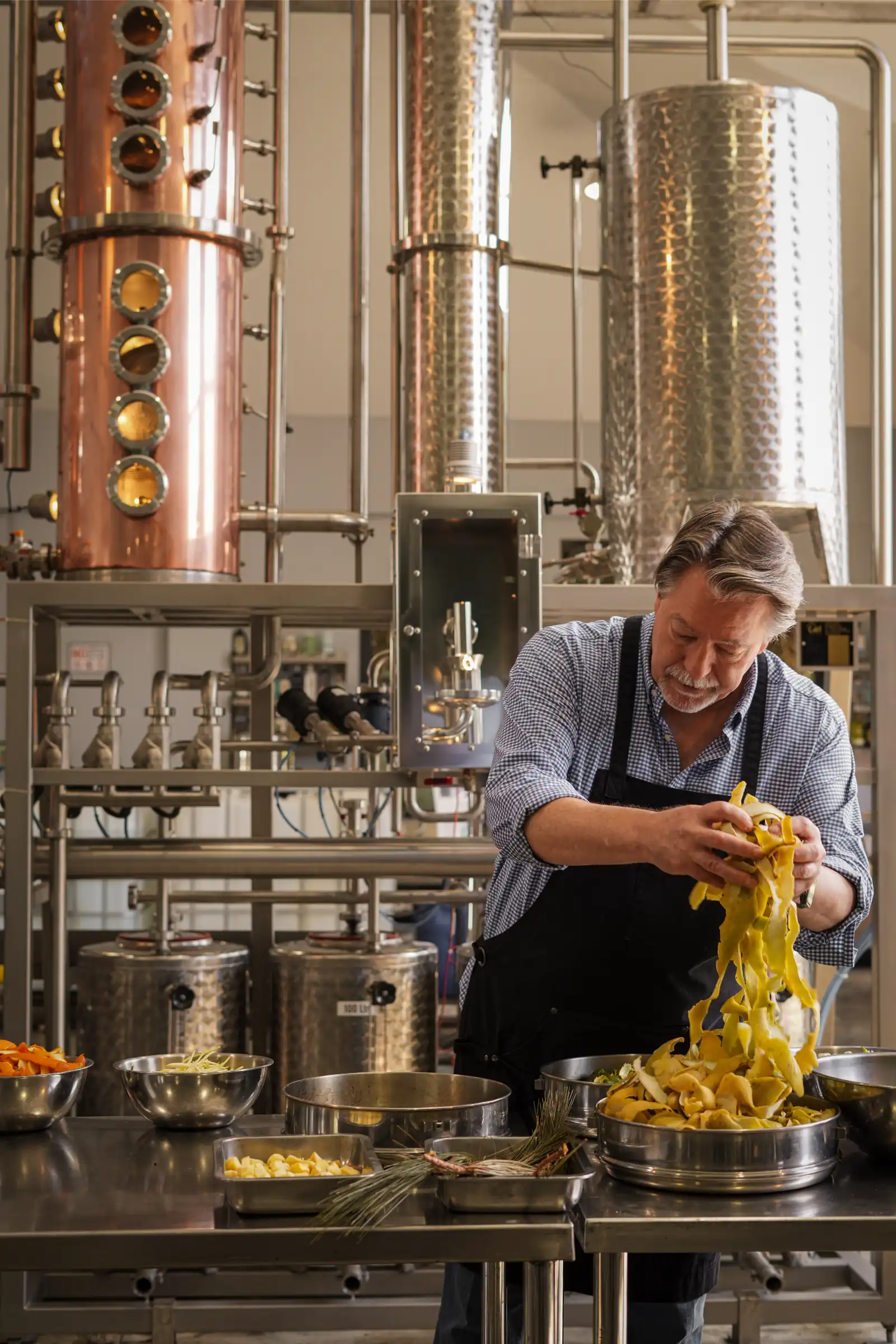
Fresh arrivals—citrus peels, tropical aromatics, and pantry botanicals—are staged like mise en place. ARC’s edge is timing, which is to say that ingredients land one to two days before distillation, so essential oils are still lively, not flattened by drying.
Step 2
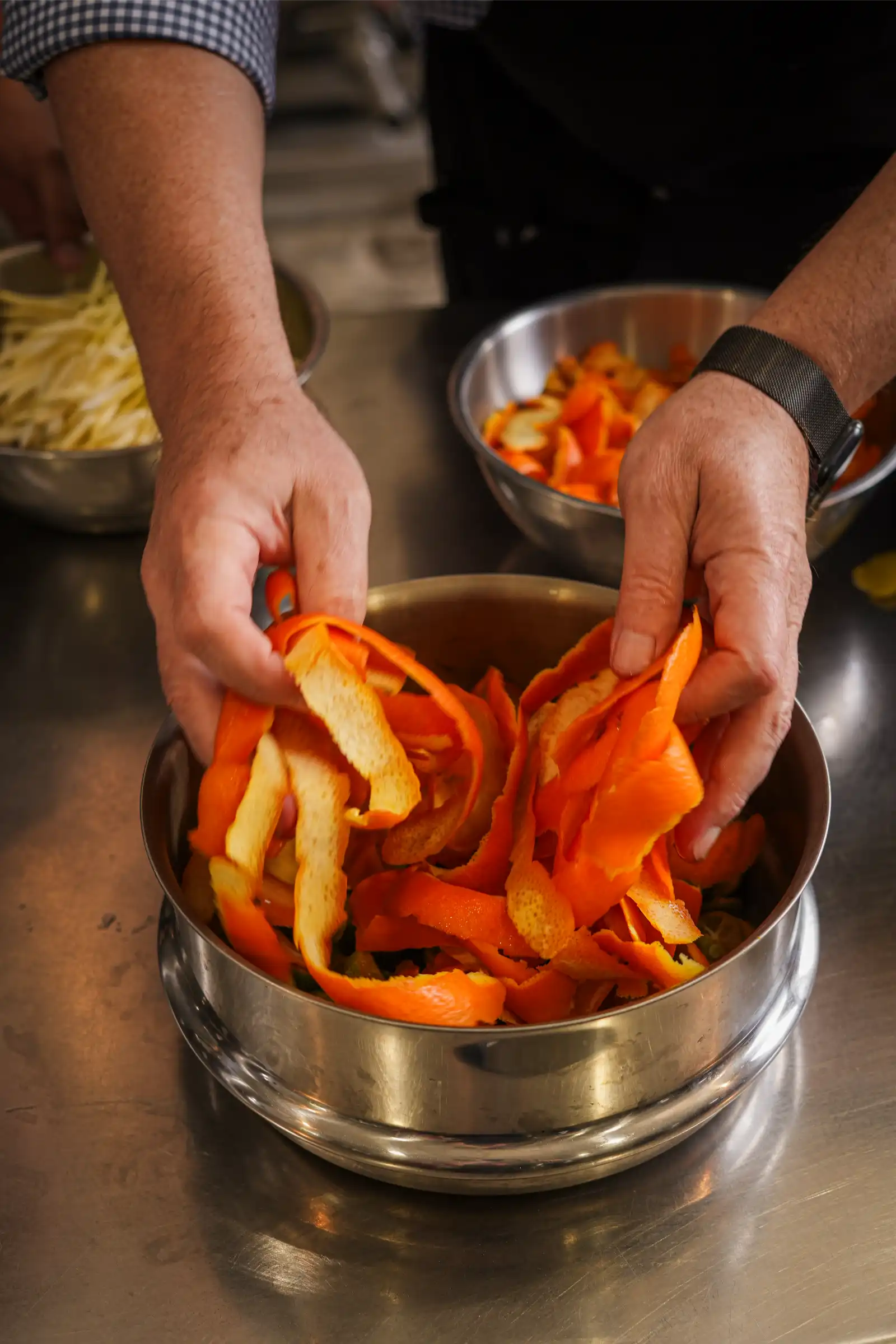
Citrus is handled for precision. Peels are stripped clean, minimizing bitter pith while maximizing fragrant oils. Calamansi, dalandan, and pomelo, to name a few botanicals, become the bright top notes that make the gin feel sunlit and unmistakably local.
Step 3
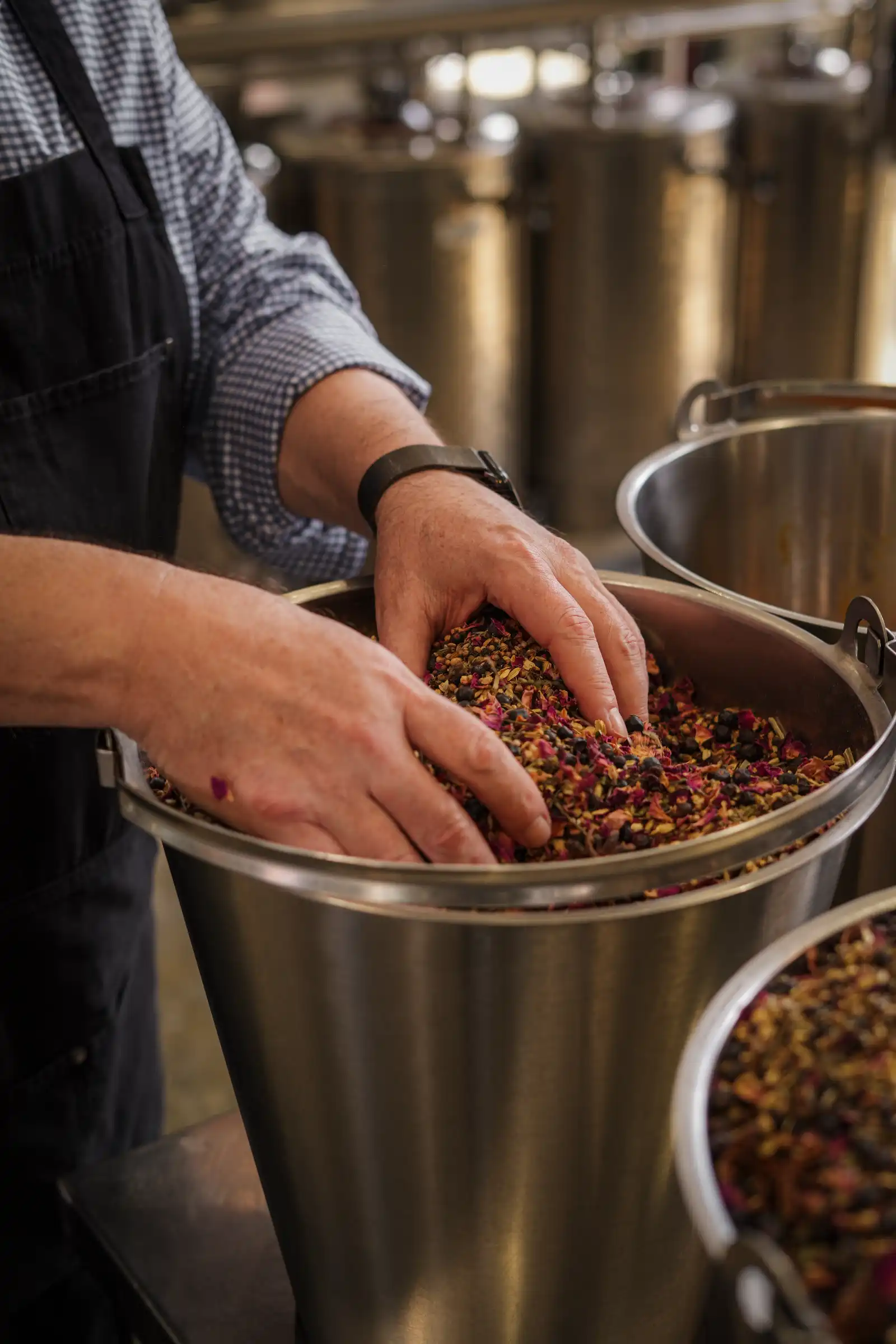
The recipe is assembled in layers, with juniper at the core, then spice, then florals. Each is measured to balance clarity with complexity. Think of it as composing a chord where individual notes matter, yes, but harmony is the real objective.
Step 4
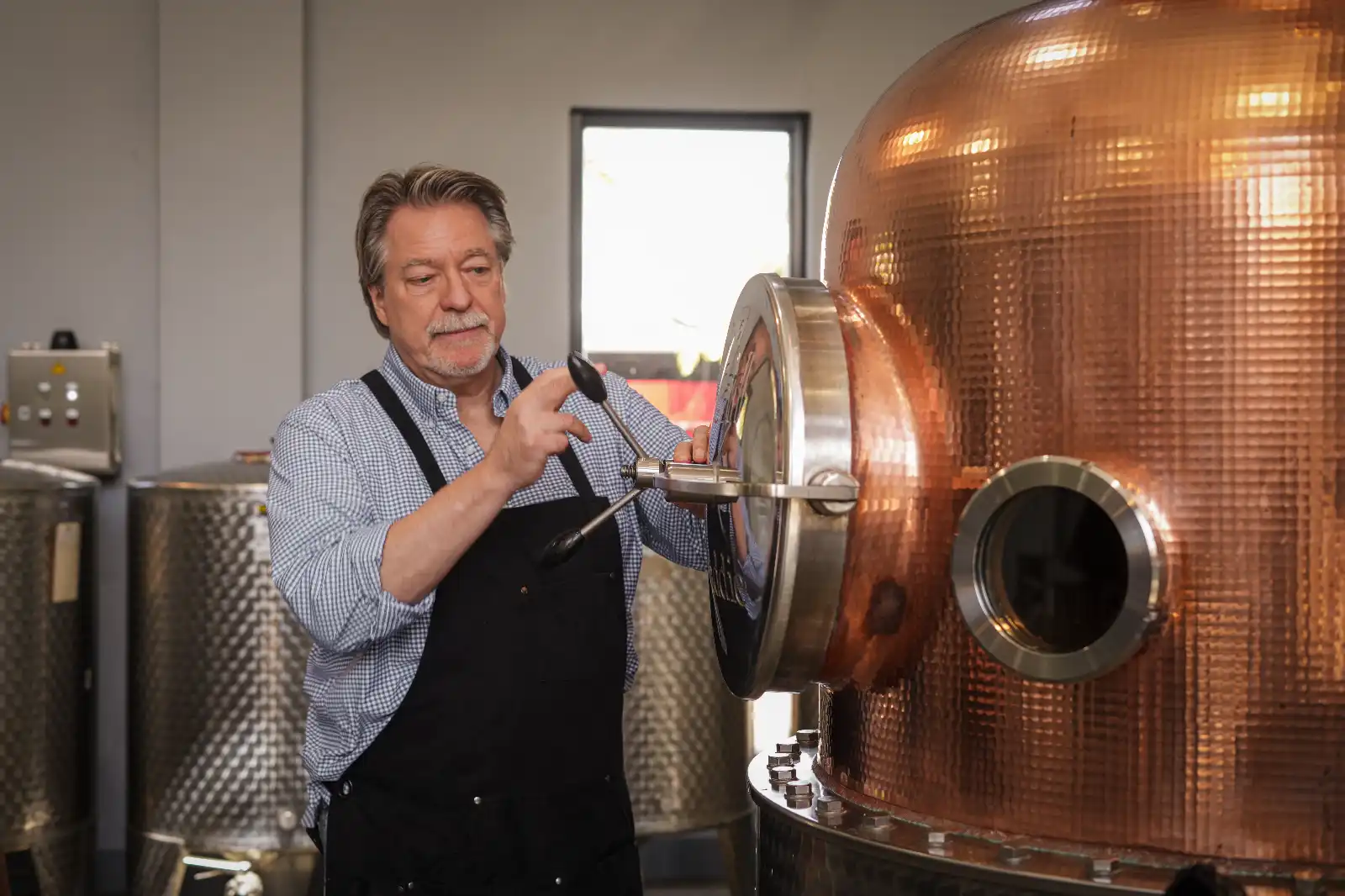
Botanicals, neutral spirit, and water meet inside the copper belly of the still. Copper smooths the spirit as it works, but the craft begins here. What goes in dictates what can come out in terms of structure, texture, and aromatic depth.
Step 5
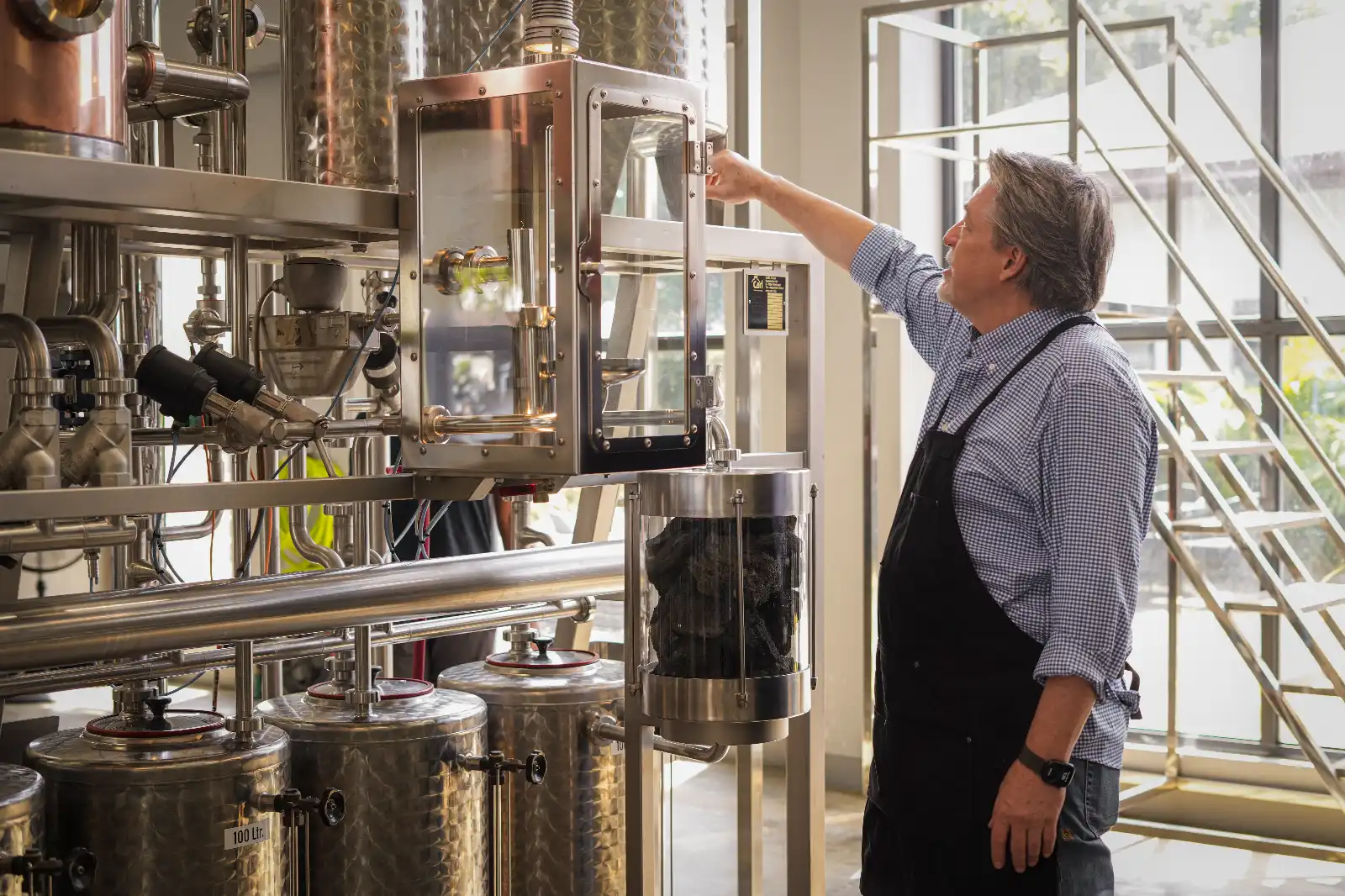
The distillation is deliberately slow (an eight-hour coaxing rather than a sprint). Heat rises gradually, pulling volatile oils into vapor, then guiding them through the system for a clean, consistent expression that still tastes handcrafted.
Step 6
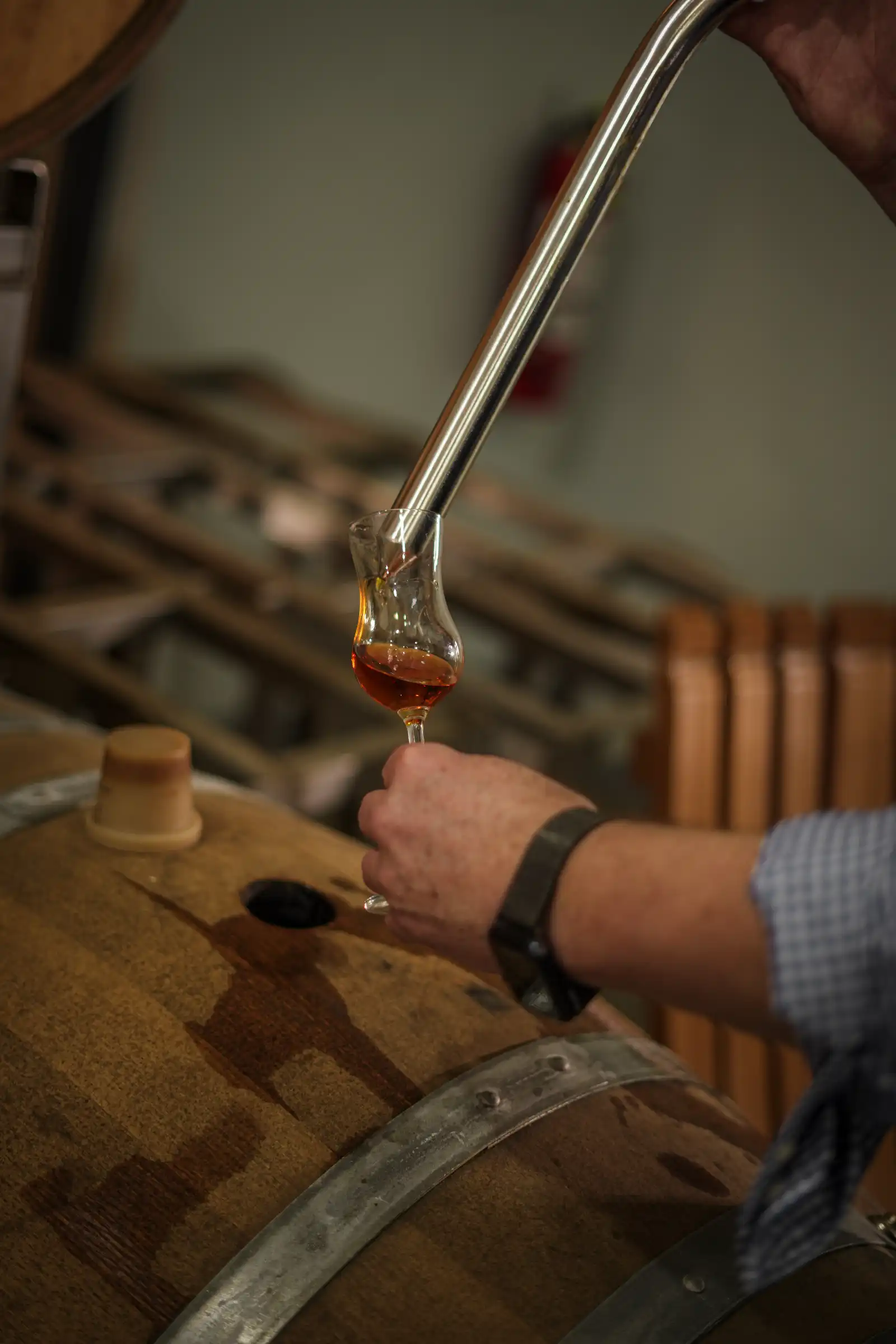
This is where judgment beats instrumentation. The run is tasted continuously to separate heads, hearts, and tails, keeping purity while protecting nuance. The goal is to have a refined spirit that still carries its botanical fingerprint.
Step 7
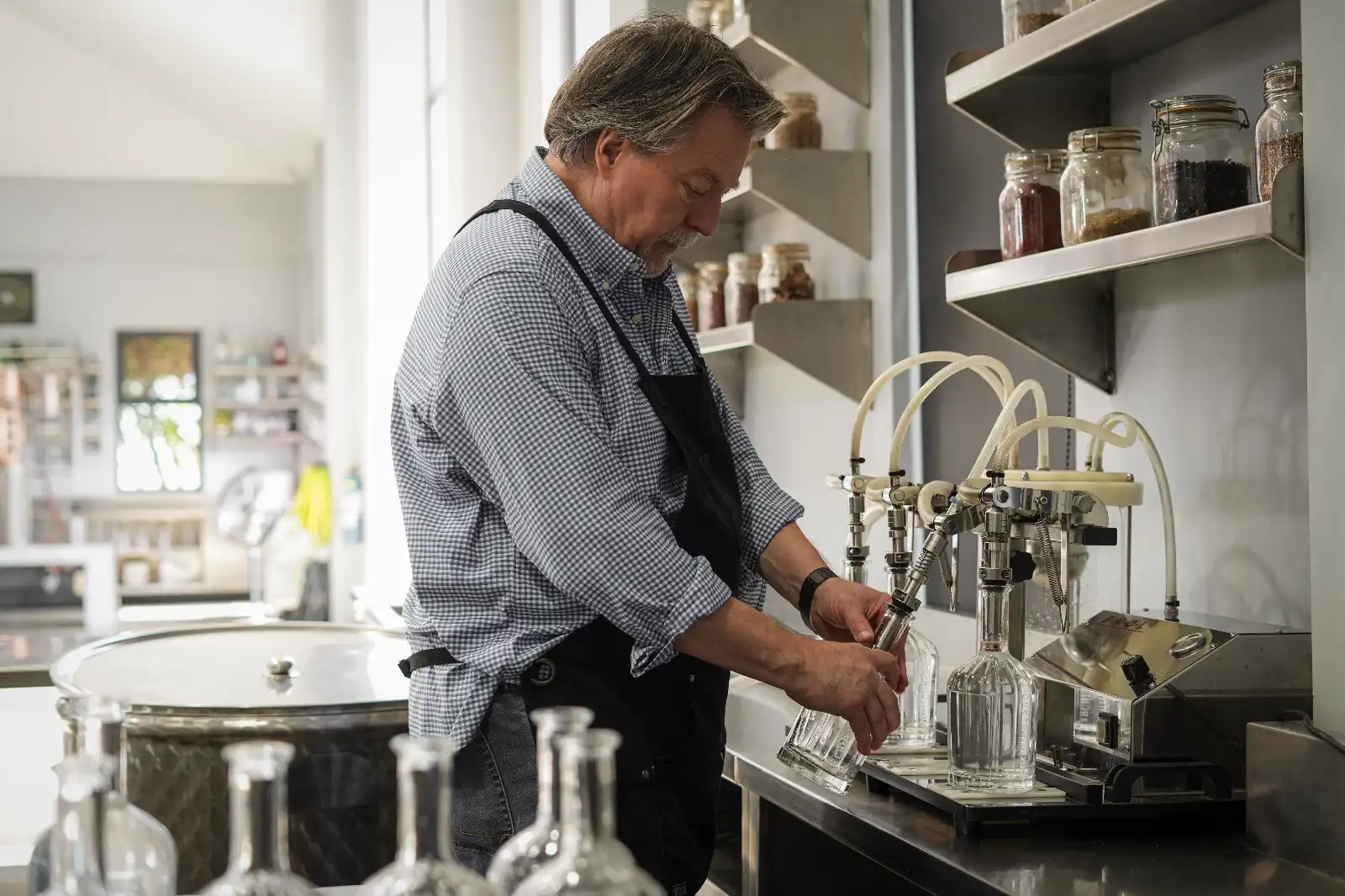
After resting and blending batches for consistency, the gin moves to the bottling line—filled, sealed, and checked with a hands-on rhythm. It’s part craft, part choreography.
Step 8
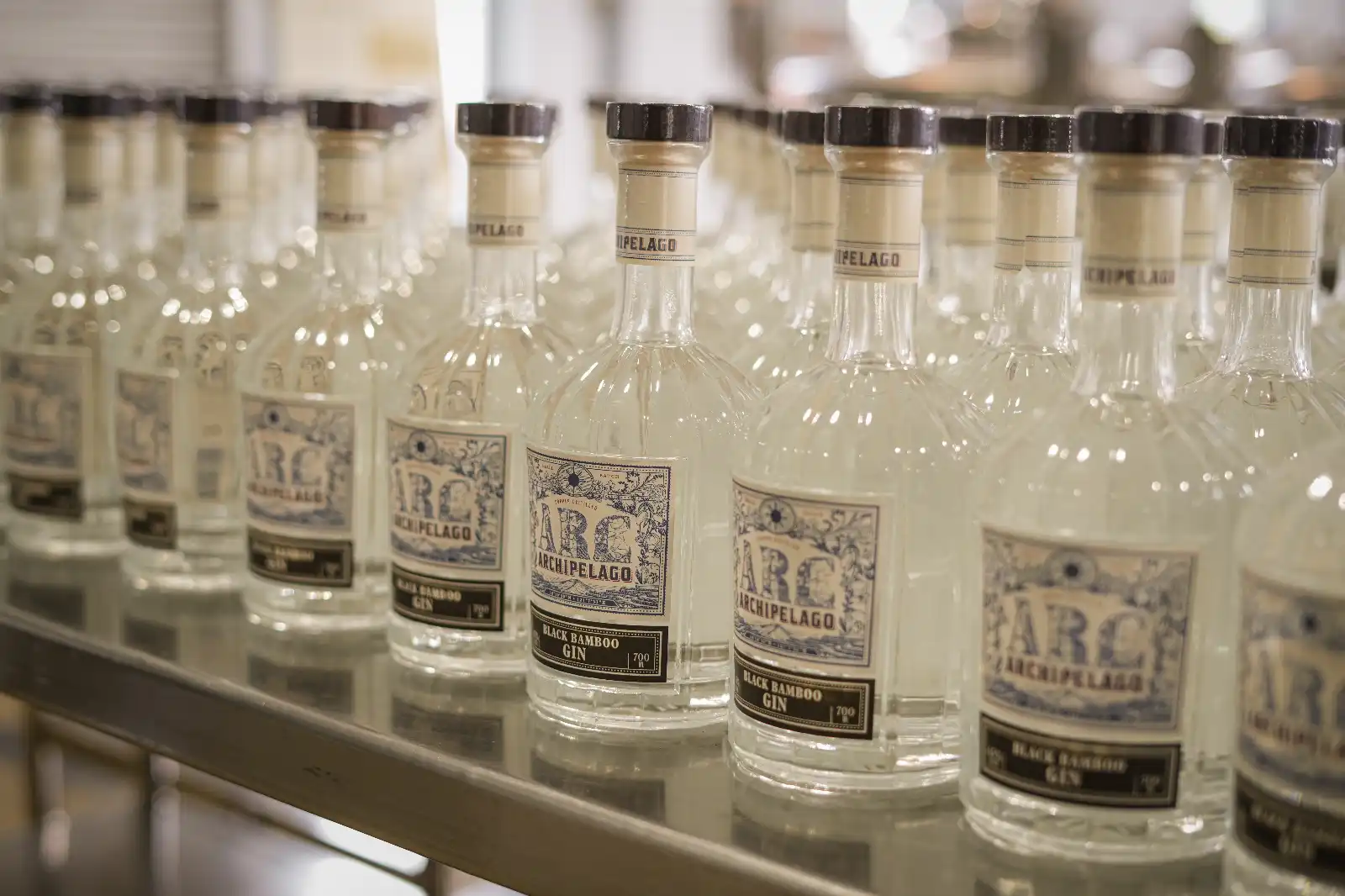
Finished bottles stand in formation, proof that a far-flung supply chain has become something tangible. From fresh Philippine botanicals to a shelf-ready spirit, each bottle reads like a stamp of the country’s finest aromas.
FAQs
ARC Gin is made with a mix of traditional and Filipino botanicals, including Tuscan juniper, calamansi, pomelo, mango, sampaguita, ilang-ilang, and Benguet pine from Sagada. Its flagship gin uses mango as a key finishing note, giving the spirit a rounded, tropical character.
ARC Gin is produced at the brand’s distillery in Calamba, Laguna. Fresh botanicals are sourced from different parts of the Philippines, including Davao, Laguna, Sagada, and Pangasinan, before being distilled in a German copper still.
ARC Gin is Filipino in both flavor and purpose. Its botanicals are sourced from local farms, and founder Matthew Westfall built the brand around connecting Philippine ingredients, growers, and stories to a global spirits market.
This article orignally appeared in Robb Report’s Food and Drink issue.