Obscure Table: A Salo-Salo, Revisited




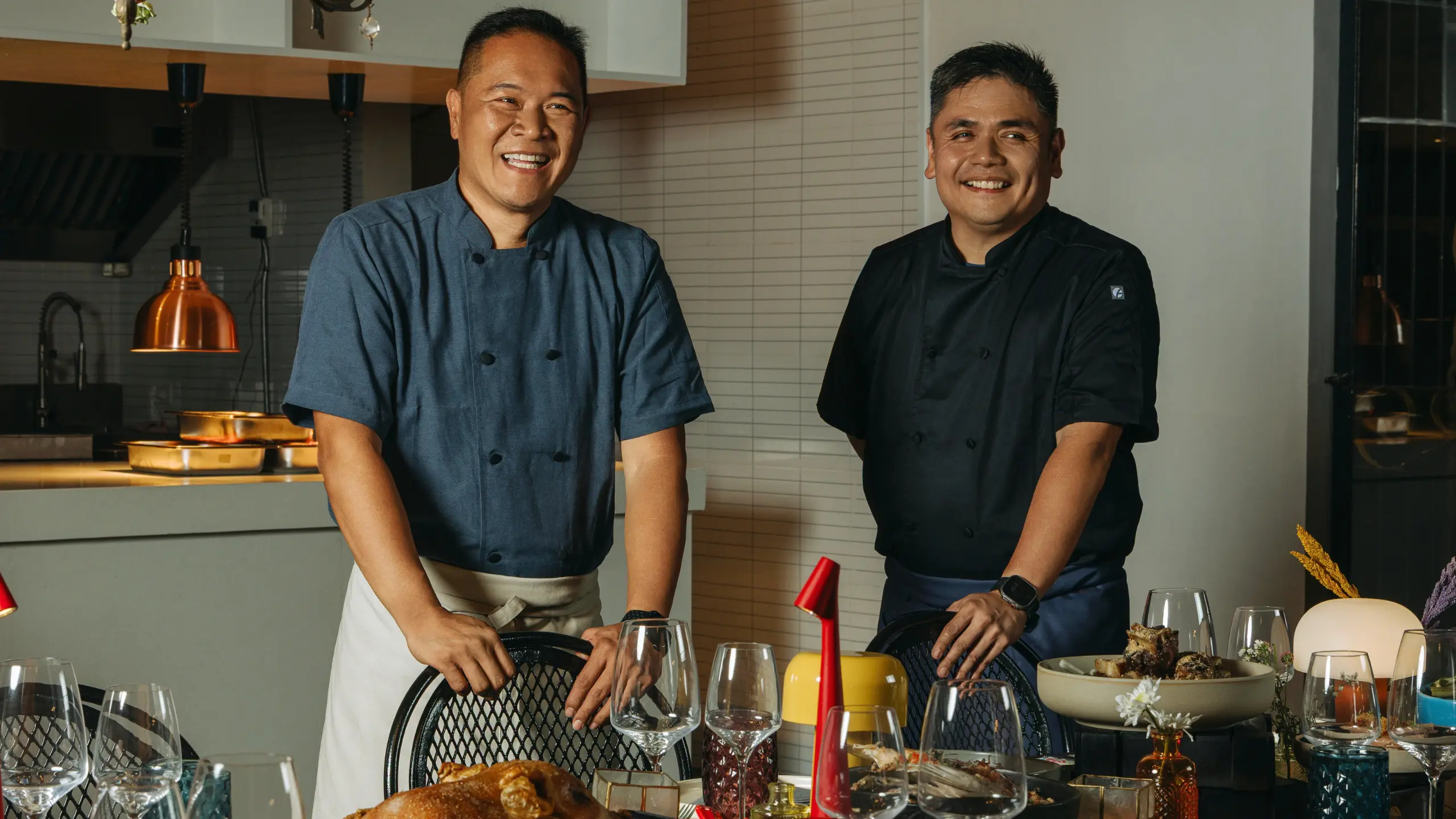
Tucked into the quieter reaches of Silang, Cavite, Obscure Table makes its first impression through its rustic charm. An old farm now comprises a series of intimate dining spaces, from a garden terrace to country-house interiors softened by wood, woven textures and the ease of a well-lived-in Filipino home. Still, the better reason to make the drive appears once dinner begins.
Obscure Table serves only 15 to 20 diners per evening, Fridays through Sundays, where the founders of the concept, Chefs Dennis Hipolito and GB Barlao, both graduates of the Culinary Institute of America in Hyde Park, N.Y., organize dinner as an “elevated salo-salo,” its menu comprised of three acts and three spaces. Guests move through the property as the meal progresses, a conceit that could easily tip into dinner theater. It works best when the staging recedes and the food no longer needs the scenery.
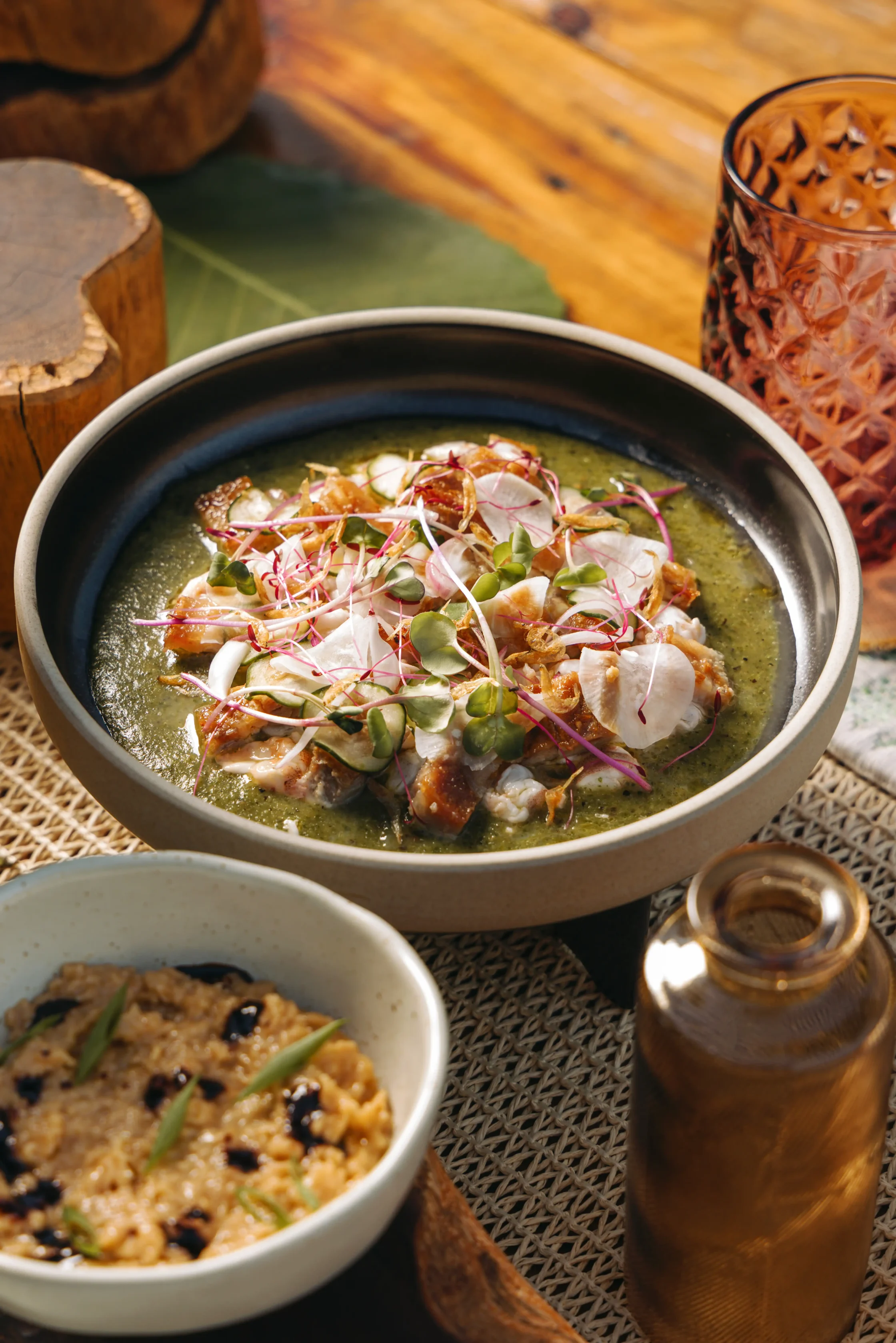
The phrase risks turning a simple meal into branding theater, a danger Obscure Table occasionally flirts with. Courses have names like “Rice Is Life,” “Pata Kare Special,” and “Desserts Worth Keeping Quiet About,” while diners move from garden to dining room to another space for sweets. Such a menu makes the argument that Filipino eating has always depended on accumulation, conversation, and the passing of plates. The choreography simply gives those habits a more deliberate setting.
Dinner starts outside, around carved wooden grazing boards, as the light drops over the garden. The opening spread is already an indication of how Hipolito and Barlao think. The opening courses make their point through recognition and surprise. Balut is smoothed into pâté, while ensaymada survives mostly as a memory in coffee butter. Elsewhere, the kitchen pushes familiar combinations into stranger territory, turning tokwa’t baboy into a terrine and recasting embutido as a corn dog. Sinuglaw wanders even farther from home, picking up an aguachile of shrimp and Thai-style barbecued pork along the way.
“We don’t claim authenticity. We cook the food based on how we actually want to cook it.”
Some of these ideas are more convincing on paper than others, which is almost inevitable for cooking so dependent on reinterpretation. The interesting question is whether a familiar dish can survive the cleverness imposed on it. “We don’t claim authenticity,” Hipolito notes. “We cook the food based on how we actually want to cook it.”
The second act is where the cooking grows heavier and more assured. Grilled hamachi collar appears with tocho, the fermented-bean preparation the chefs describe as an heirloom dish. The fish substitutes richness for the humbler proteins traditionally associated with it, but tomatoes, black beans and fermentation keep the sauce from becoming merely decorative. Barlao and Hipolito describe much of the menu as a record of their families and their own culinary histories, with dishes referencing the food of their childhoods.
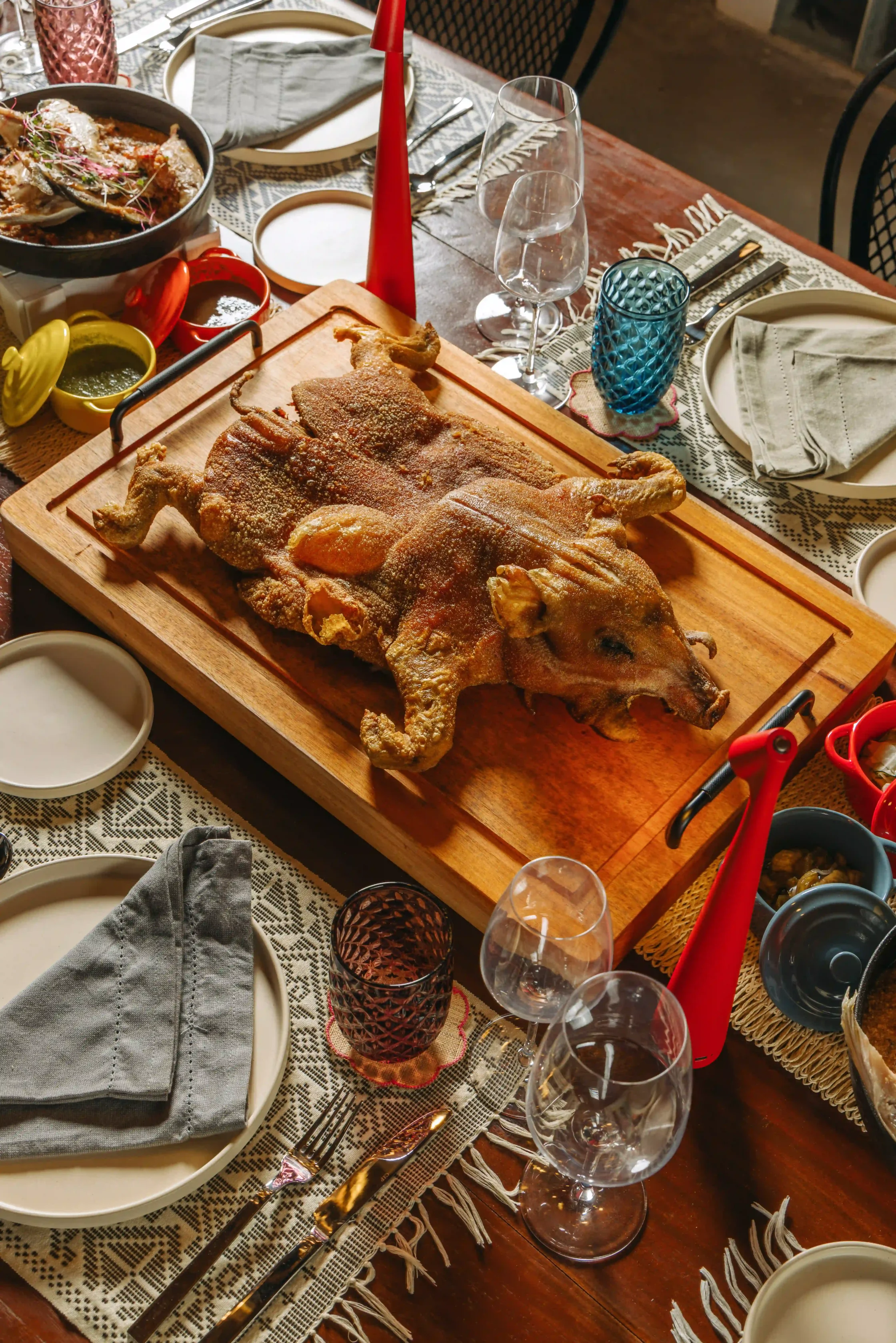
Then comes the evening’s calculated showpiece. The Chicharonillo is essentially cochinillo given the skin of chicharon, a trademarked idea refined through repeated trials. It arrives whole before being carved tableside. The name is slightly ridiculous, of course, and that’s part of its appeal. In a sense, the pork also offers a concise explanation of the restaurant, taking a familiar appetite and running it through an R&D department. Crisp skin matters here as much as conceptual ingenuity, and its accompanying roasted pineapple, pickled radish, atchara, romesco and salsa give diners enough acid and sweetness to negotiate the richness.
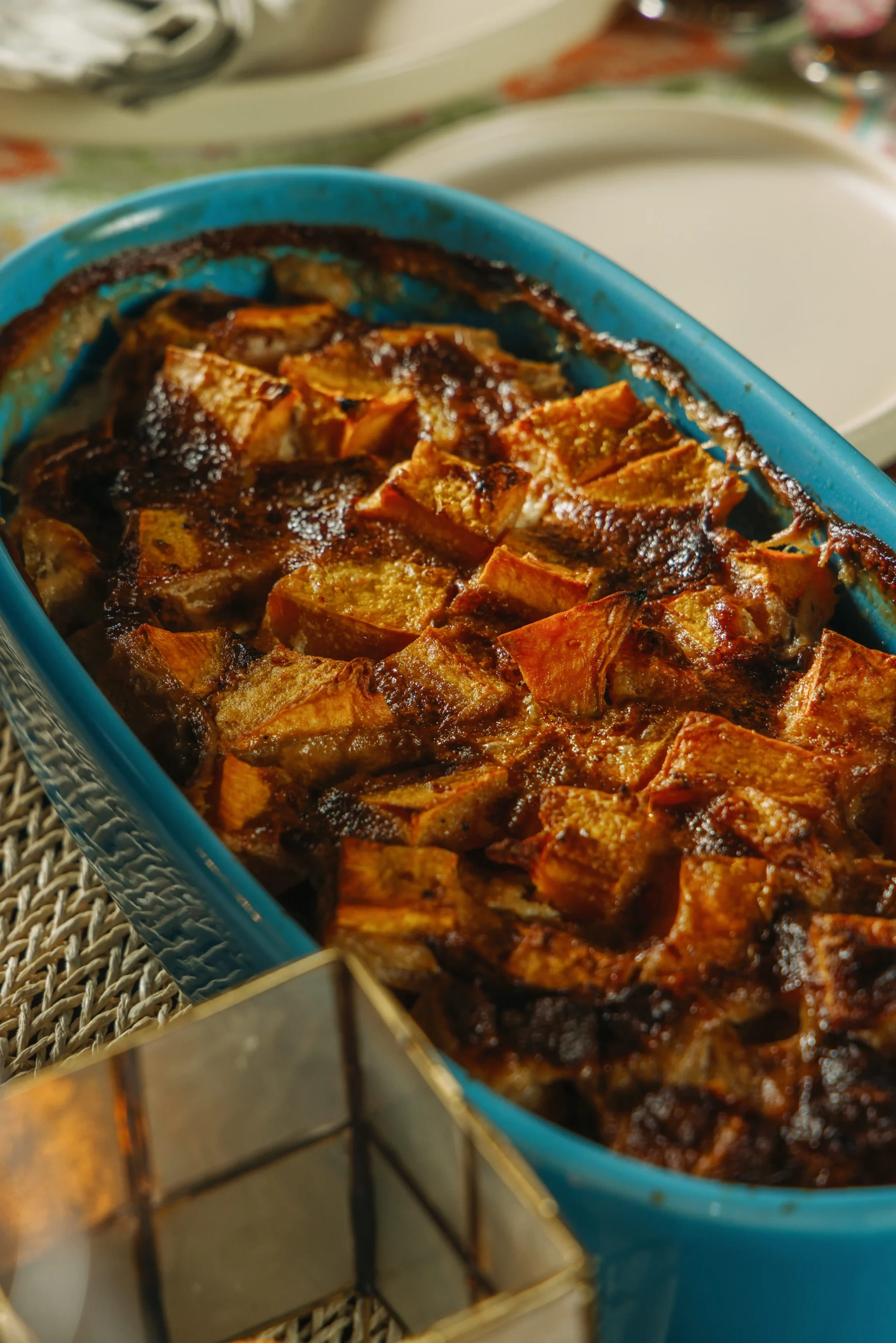
Obscure Table is strongest when it understands that abundance needs contrast. A bulalo-dashi broth cuts through the heavier courses, while the kare-kare stretches toward spiced lamb shank without losing its depth. Vegetables get equal billing, from charred cabbage glazed with fish-sauce caramel to a slow-cooked squash casserole. Even the grandly named “Rice Is Life” rests on a simple principle of seasoning in stages. “For us, flavor comes first,” Hipolito says. “Taste first, then you beautify it, and the rest follows.”
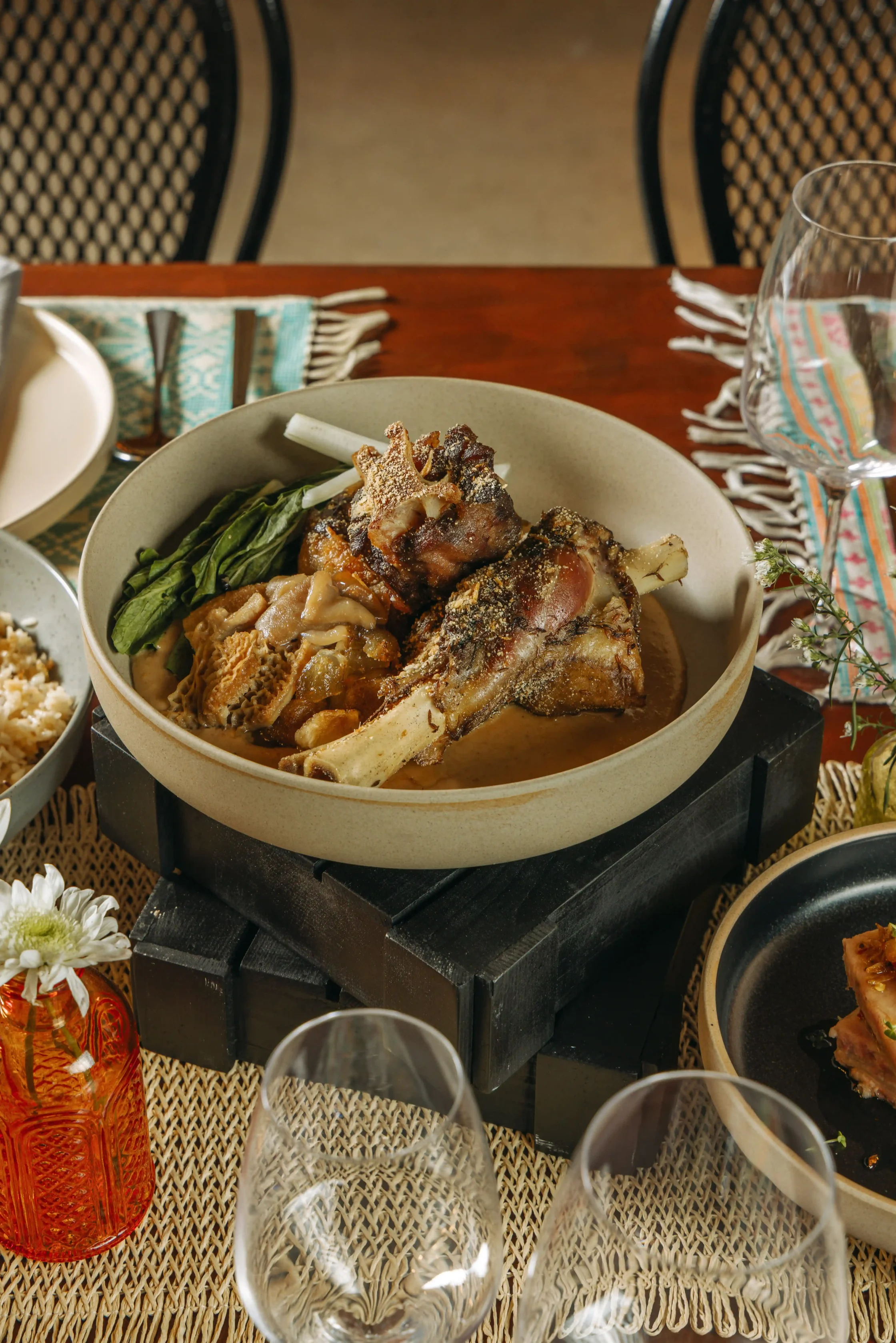
The more interesting achievement of the concept lies beyond the three-act format. Obscure Table is most convincing when technique sharpens recognition, allowing a familiar dish to change without losing what makes it appealing in the first place. By dessert, the choreography loosens. Pianono reappears through dacquoise and caramel crémeux, then the evening settles into sweets and conversation. The movement between rooms, so noticeable at the beginning, starts to feel incidental. By then, the salo-salo reasserts itself more familiarly. Plates circulate, people linger, and there is still too much—way too much, as Hipolito intends—food on the table.
Obscure Table offers a Grand Menu at PHP 8,500++ per person, and a shorter Salo-Salo Menu at P4,850++. There is one seating a night from Friday through Sunday. Book here.
FAQs
Obscure Table is a destination restaurant set in a rustic farmhouse in Silang, Cavite. It serves an “elevated salo-salo” organized across three acts and several dining spaces.
Obscure Table was founded by Chefs Dennis Hipolito and GB Barlao, both graduates of the Culinary Institute of America in Hyde Park, New York.
The restaurant serves only around 15 to 20 diners per evening and operates from Fridays through Sundays.
The menu reinterprets familiar Filipino dishes through contemporary techniques. Highlights include balut pâté, tokwa’t baboy terrine, grilled hamachi collar with tocho, lamb-shank kare-kare, and the restaurant’s trademarked Chicharonillo.
The Chicharonillo is Obscure Table’s take on cochinillo, prepared with an especially crisp, chicharon-like skin. It is served whole before being carved tableside and paired with roasted pineapple, pickled radish, atchara, romesco, and salsa.