Southern Comfort: Breaking Bread With Our Western Mindanao Kin at Hapag




There are some meals that awaken a different kind of appetite, the kind reserved for those who crave discovery. In the new menu of Hapag exploring the roots and rhythms of Western Mindanao, that hunger—for story, for place, for connection—is fed course by course.
Chefs Thirdy Dolatre and Kevin “Nav” Navoa and lead sommelierSommelierA trained wine professional who carefully curates wine lists, advises guests, and manages cellars in fine restaurants. A skilled sommelier pairs wines with dishes and guides diners through selections, andGo to Sommelier Glossary Erin Ganueles-Recto embarked on a research tour to Zamboanga, Basilan, and Tawi-Tawi last March to uncover the nuances and the boldness of their cuisines. “Mindanao has always felt distant, even to us. But once we were there, the food, the people, and the stories opened up a part of the Philippines we hadn’t seen,” Navoa explains. “This menu is our way of saying: there’s more to Filipino food than what we think we know.”
Dinner begins with a presentation of ingredients unfamiliar to many, but integral to some of the ten courses ahead—like bubuk or golden, toasted coconut mixed with dried jalapeno, dried shallots, dried garlic, and charred coconut, burnt to ebony. There is also agal-agal, a species of seaweed abundant and popular in the area’s coastal towns, whose resulting texture, after being boiled thrice, is more like jellyfish and less like its more mucilaginous, and popular, cousin, lato.
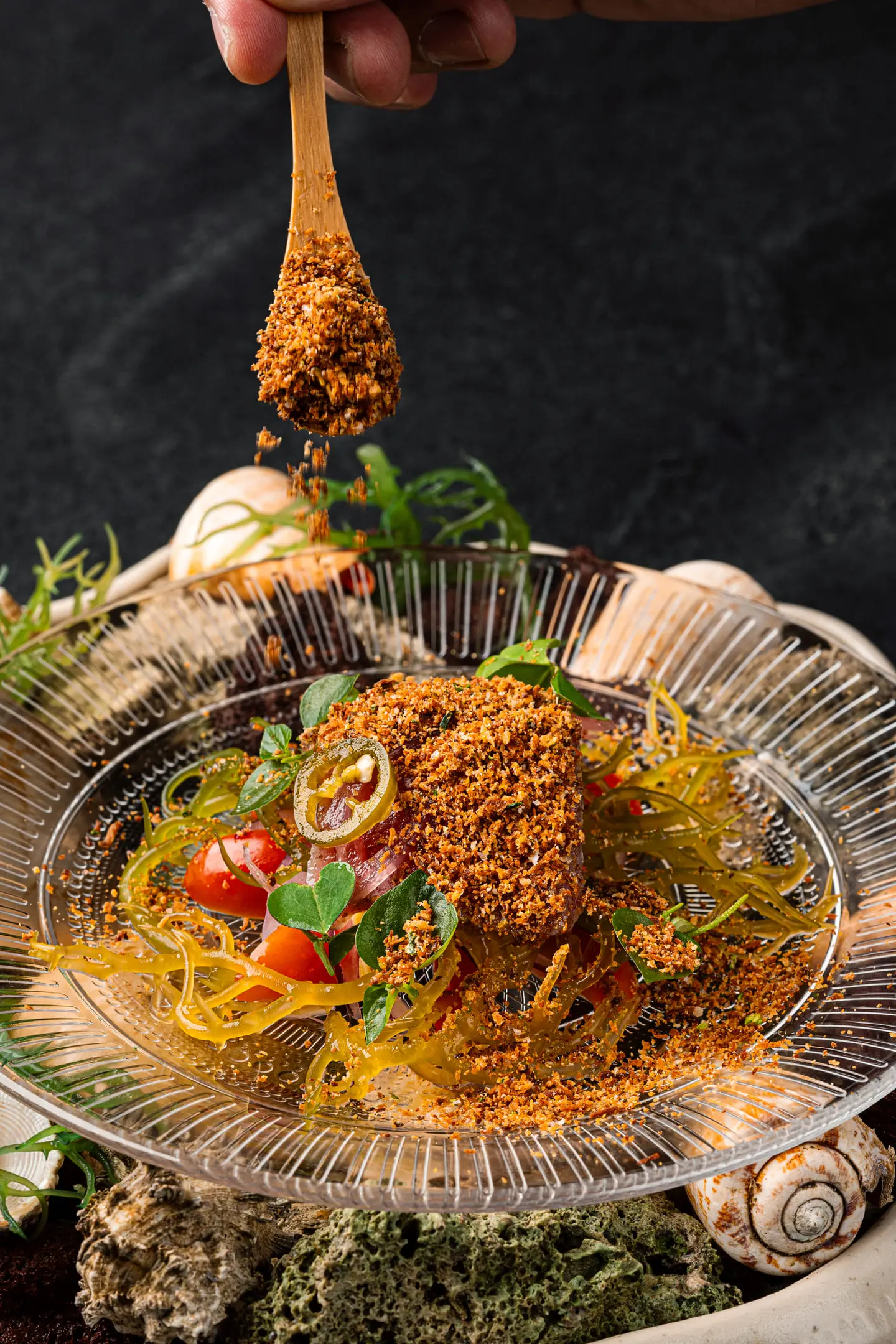
Dolatre and Navoa craft a narrative that begins with tiyula itum, which gets its inky color from the aforementioned charred coconut, giving the beef base a subtle minerality while still maintaining familiarity and comfort in aromatics like ginger, galagal, turmeric, lemongrass. The dinner flows into more unfamiliar territory with a refreshing agal-agal salad, where bubuk coats tendrils of the seaweed, lending a surprisingly pleasant grainy texture, topped with slim slices of kinilaw: yellowfin tuna drizzled with a dressing of two-year-old shoyu and calamansi.
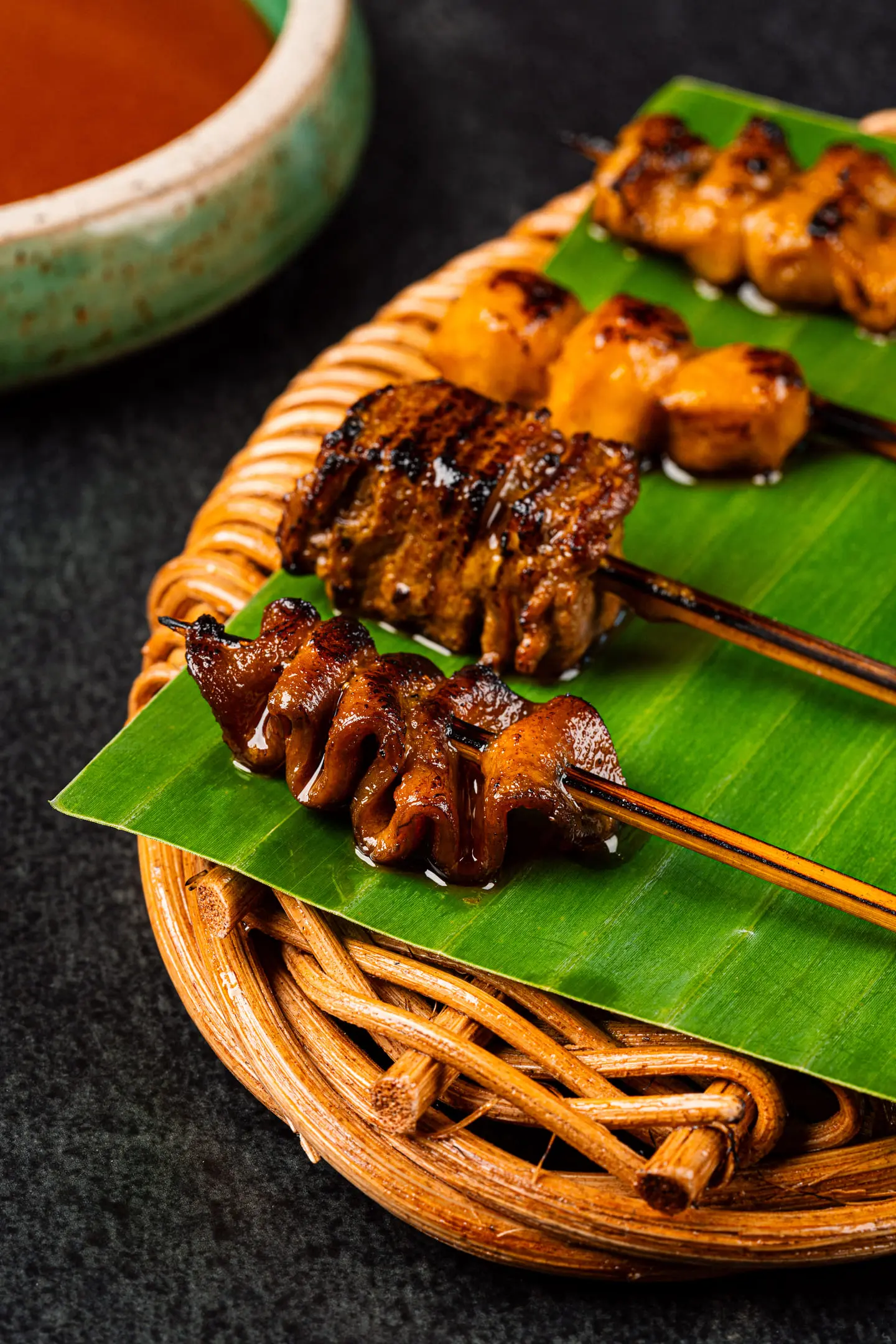
Signalling the cuisine’s many Malaysian and Indonesian influences from centuries of maritime trade with our neighbors are dishes like satti—beef rump, tongue, and chicken buttskewers meant to be dipped in a spiced peanut-coconut sauce reminiscent of satay (this writer requested an omission of the latter two, which were substituted with skewers of chicken skin and mushrooms); a hearty, flavorful mee goreng with wok-fried mushrooms and made-from-scratch noodles and oyster sauce, topped with a single quail egg yolk; and in riyandang, a Maranao beef stew similar to beef rendang, slightly less sweet and spicy, but no less punchy and layered.
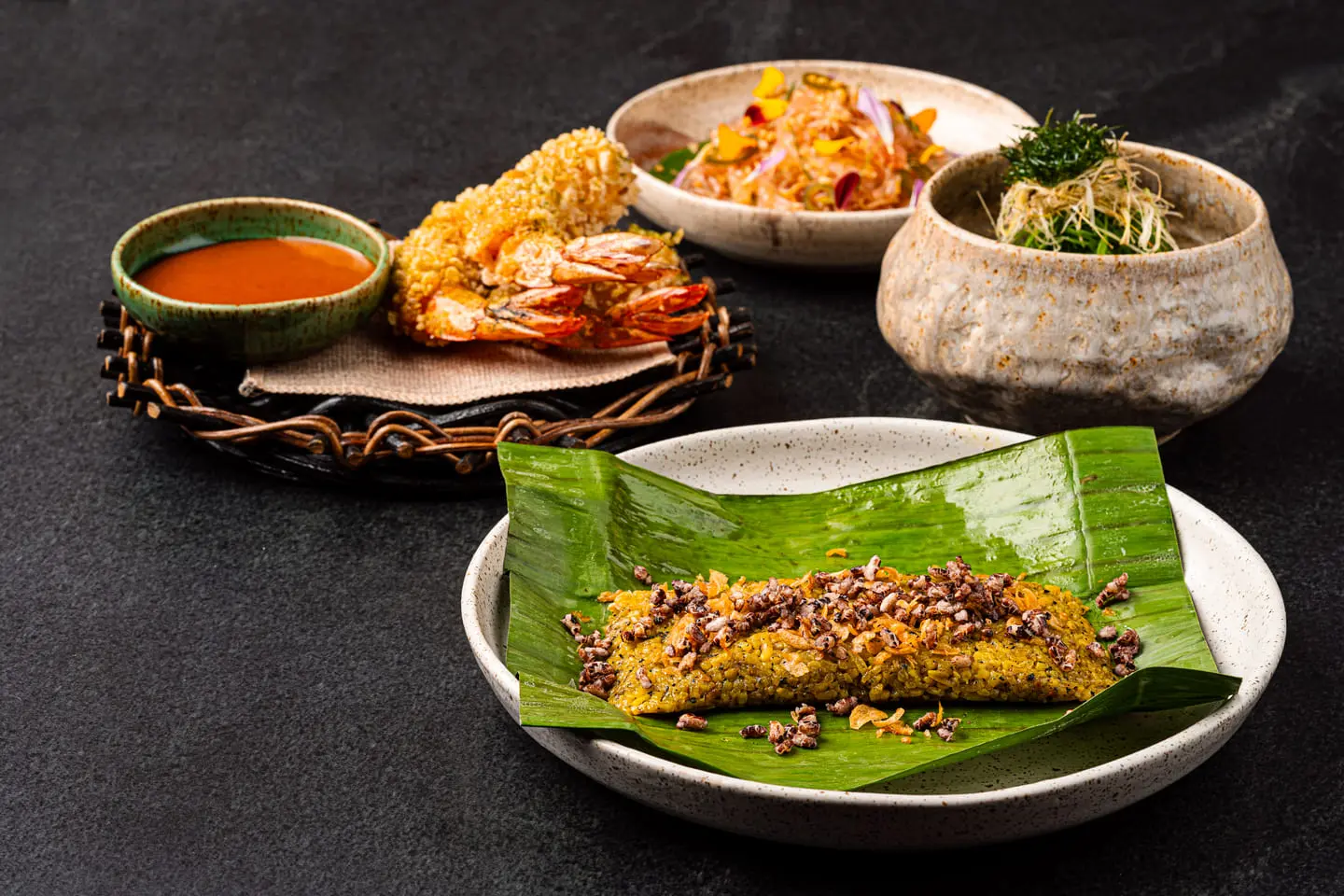
The riyandang is part of the menu’s main course and is served alongside a palate-cleansing pomelo and pako salad. With it also comes Camaron Alavar, a tribute to a dish from Zamboanga’s Alavar Seafood Restaurant. In Hapag’s version, prawns are enveloped in sourdough discard and are deep fried, served with a sumptuous curry and crab fat dipping sauce. There is rice, of course: junay, a rice cake wrapped in banana leaves and topped with fried shrimp and shallots.
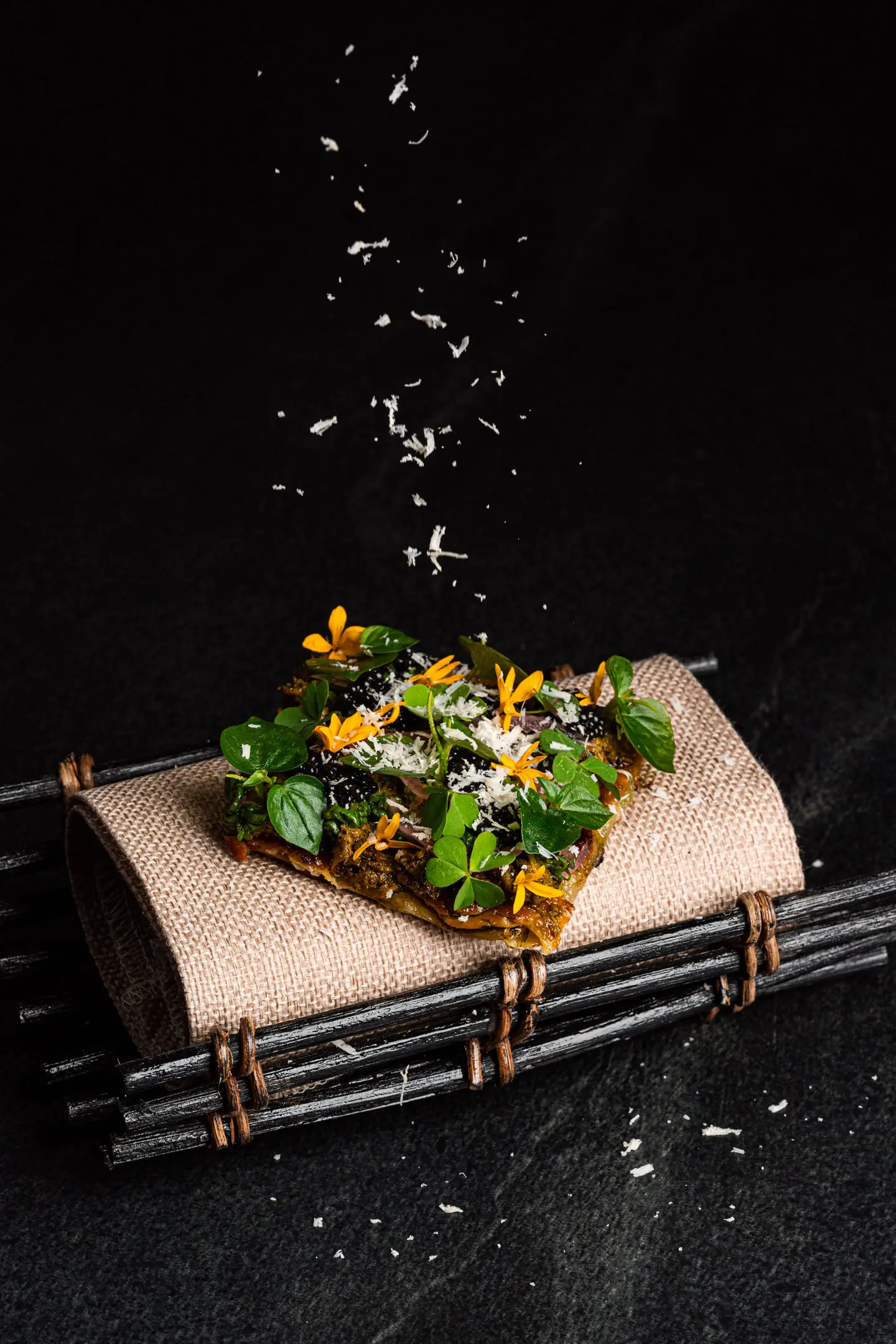
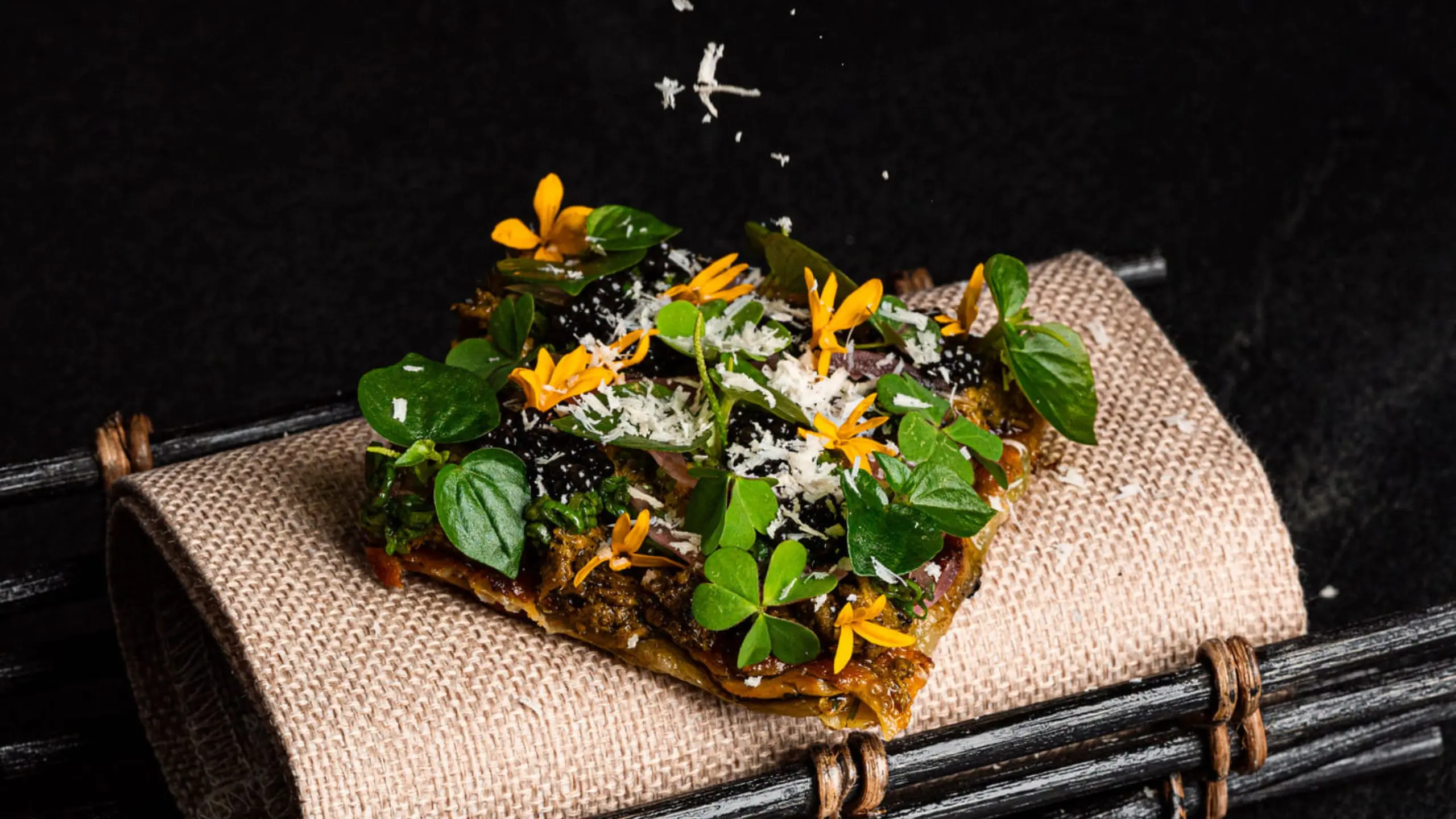
Homage meets technique in the siyagul with roti martabak, inspired by Ramadan street snacks, and is the chefs’ most daring departure. The dish is traditionally made a with piece of roti and stingray, but Hapag’s version is swordfish cooked in coconut and aromatics and delicately spooned over with a turmeric Mornay sauce, finished with caviar. A crispy martabak flatbread spread with herb pesto holds it all, and a blizzard of Malagos cheese is grated over all of it. They’re ingredients that, on paper, aren’t supposed to work together successfully, but they do, and wonderfully; if Hapag ever offers dining a la carte, this is a dish that could easily stand on its own.
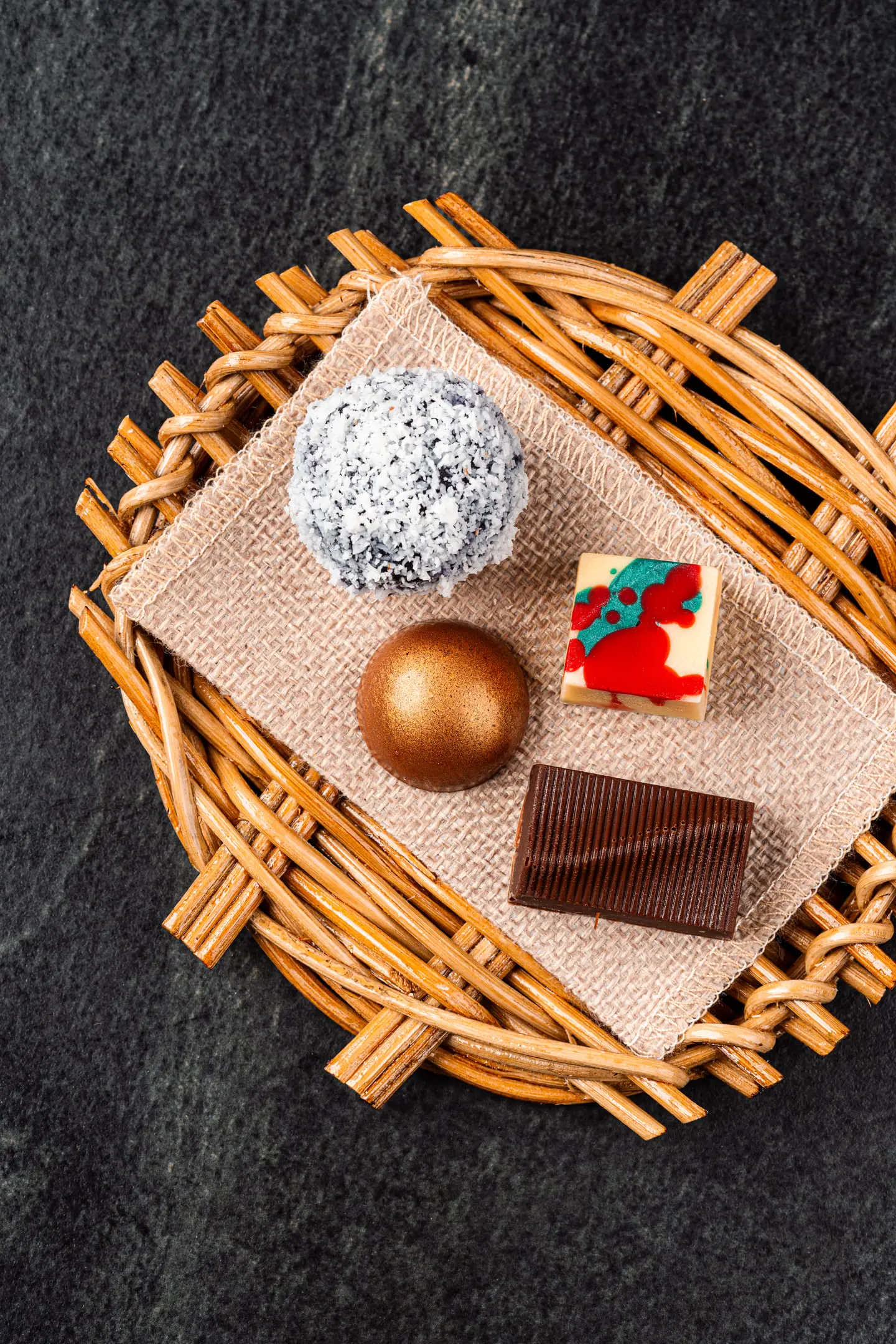
The area has a palate for sweet treats in kakanin, which makes its way to the dessert menu in various interpretations, like petit fours filled with corn mousse, smoked bananas, biko, and chewy bilo-bilo enrobed in chocolate.
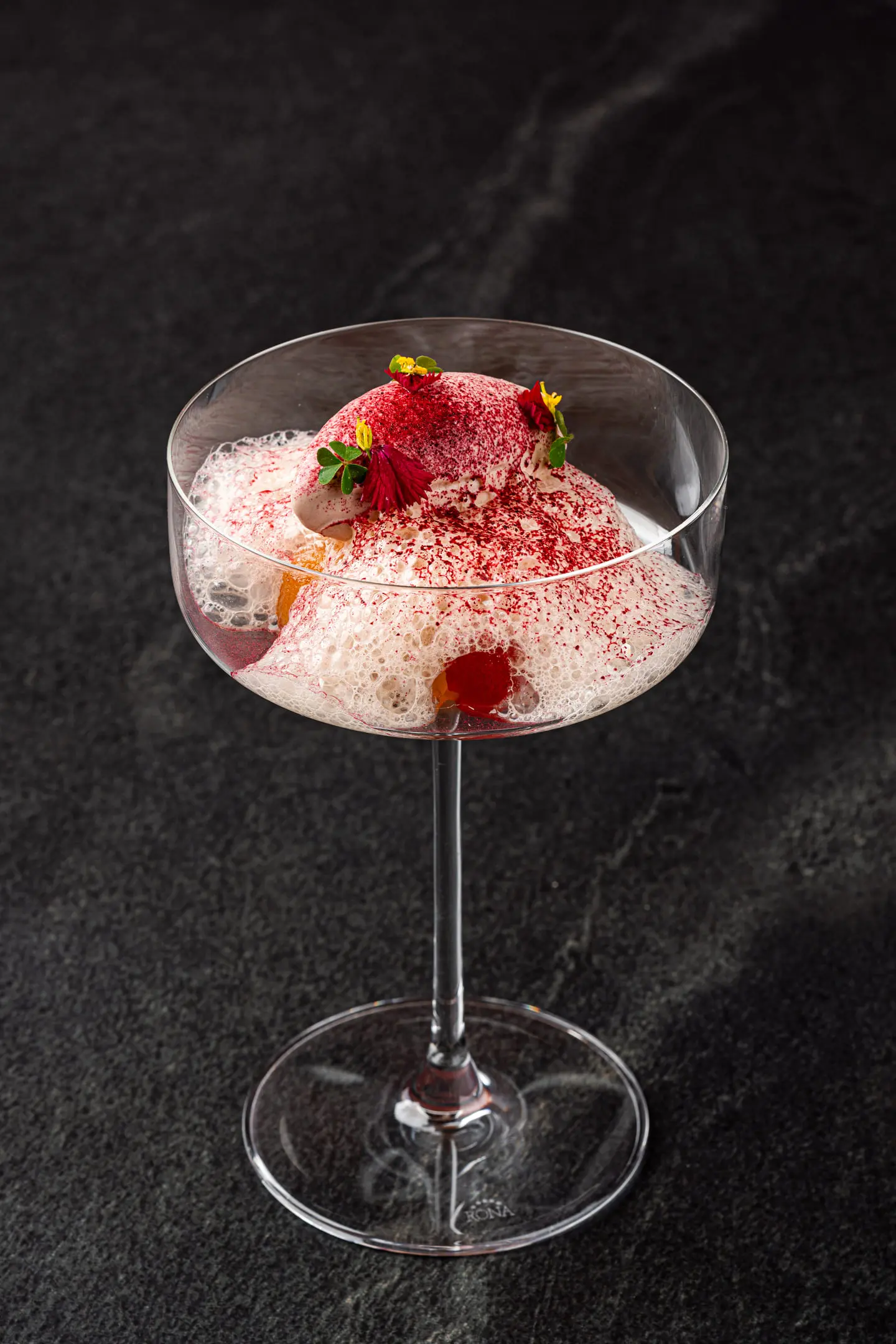
Hapag’s careful attention extends beyond the kitchen to its wine and non-alcoholic pairings by Erin Ganueles-Recto. “Western Mindanao’s flavors are unapologetically bold, so our pairings had to meet that energy,” she says. From fuller-bodied Champagne Rosés to probiotic sodas and ginger bug beverages, each pairing complements the spices, smoke, and subtle sweetness on the plate.

Before each of the ten courses, a photograph of the original dish it draws from is presented on a small stand. It’s a simple gesture, but there’s a tension in seeing the rustic and real beside the versions on our plates which are developed with a fine dining eye and palate. It’s a risky move that could invite unwelcome suggestions that polish is premium. But this is not the first menu developed at Hapag based on a region’s cuisine, so those familiar with Navoa and Dolatre know of their earnestness and approach, which extends to the convivial service and atmosphere throughout the restaurant.
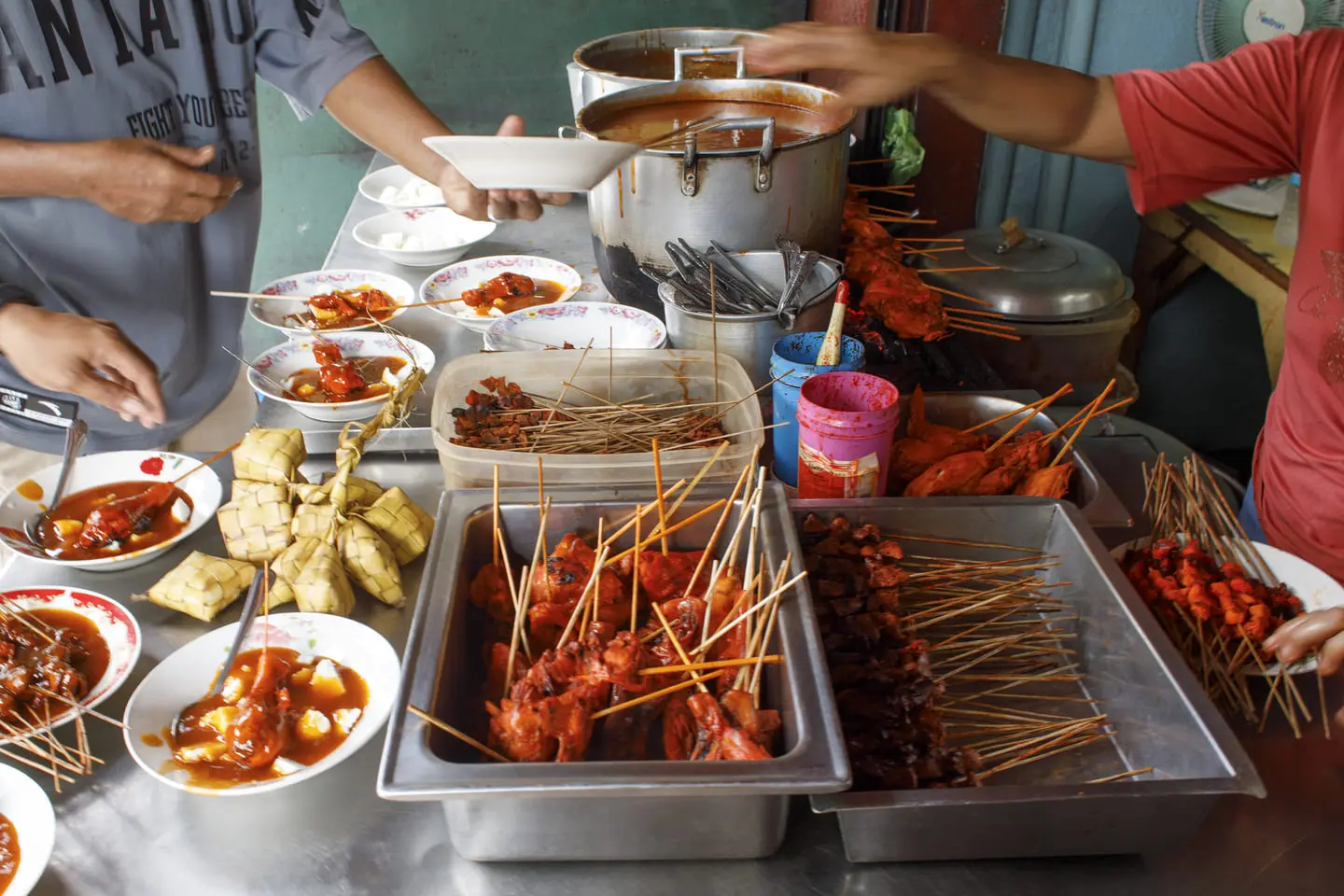
“We’re focusing on honest storytelling, showing how our understanding evolved,” says Dolatre. And for someone like this writer, who has neither tasted the traditional dishes nor seen them in their original context, it offered a necessary point of reference and curiosity, grounding the experience.
In this way, Hapag’s Western Mindanao tasting menu endeavors to do more than simply bring its flavors to Manila. There’s a helping of fine dining tradition, of course, but a lot of the culture from 655 miles away: around Hapag’s hapag we sit with our Tausug, Chavacano, and Yakan kin, conversing merrily, breaking bread.
Hapag is located on the 7th Floor of Balmori Suites, Hidalgo Drive, Rockwell Center, Makati City, right next to Power Plant Mall. For reservations, please call 0917-888-5757