The New Menu at Gallery by Chele Is a Tribute to the Coconut




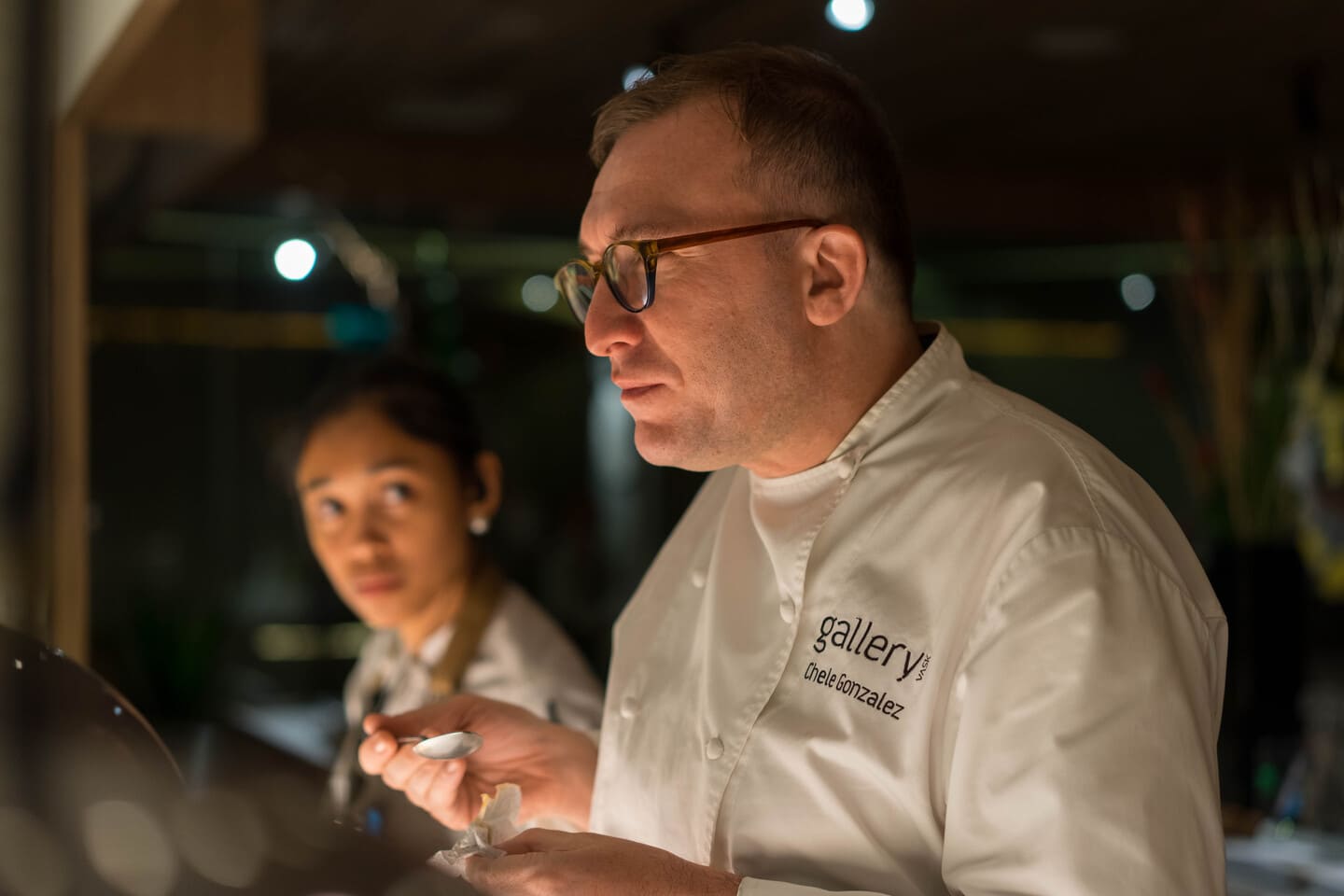
At Gallery by Chele, Chef Chele González and Chef Carlos Villaflor have long explored the potential of local flavors, and, after extensive research, marry them with the modern techniques and fresh flavor pairings they have always championed. Their latest tasting menu is another incarnation of this methodology, centering only on one resource: the coconut. Nicknamed the Tree of Life for its countless utilizations in food, drink, shelter, and textiles (to name a few, and which, as a whole, appeals to the duo’s other advocacy: sustainability), the coconut has been a staple in Filipino households—and cuisine—for centuries.
While this thesis—a full tasting menu based on one ingredient to ground the entire experience—may be one that they’ve applied before (and successfully: a previous notable and well-received menu was centered on just the cacao plant), trust Gonzalez and Villaflor to surprise. If you’re expecting an abundance of coconut milk emulsions or the oleaginous mouthfeel of coconut cream to balance a healthy dose of spice, you won’t find it in any of the ten courses. That is the surprise. And also the delight.
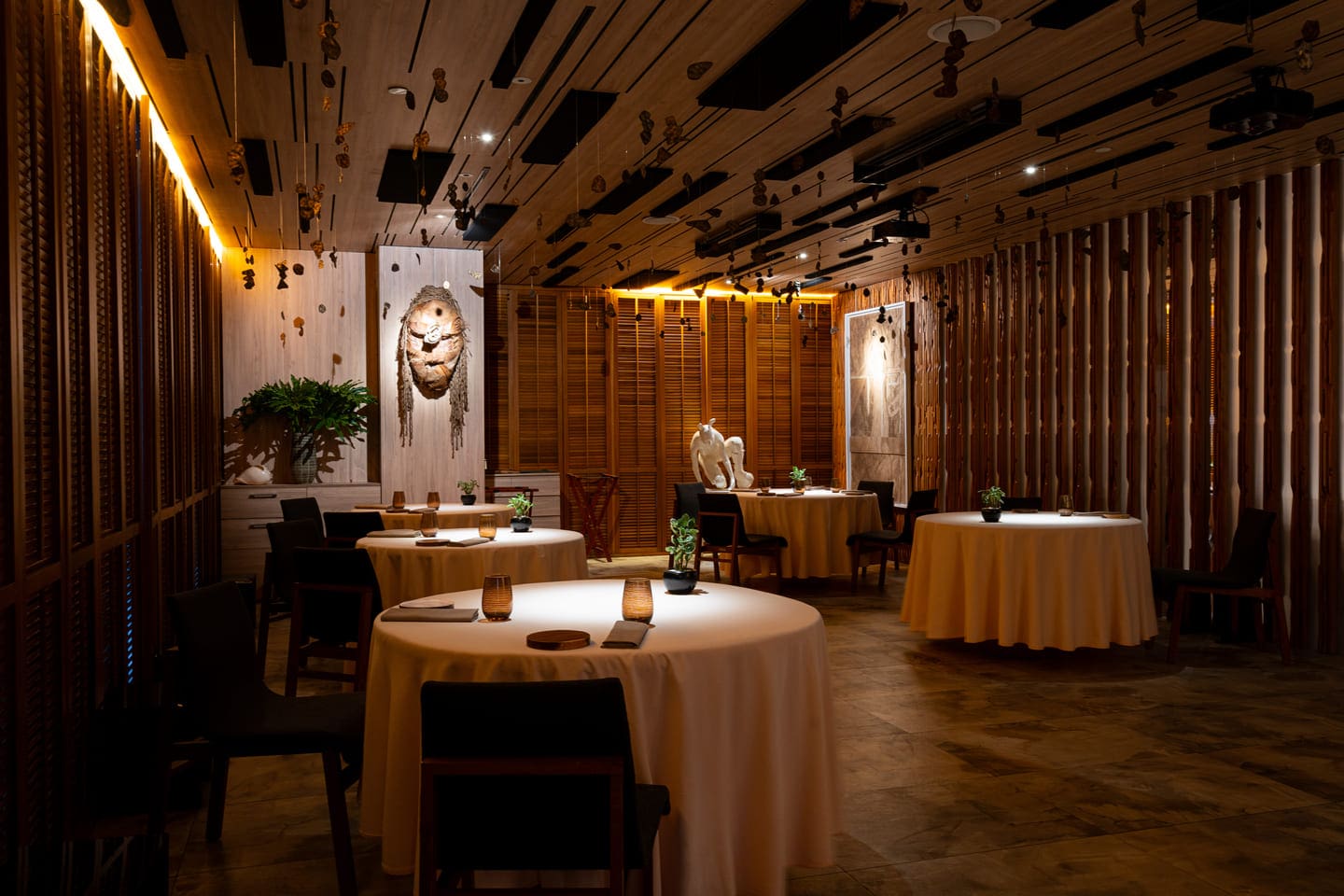
The full tasting menu, also named “The Tree of Life,” is composed of ten courses, prefaced by a tour around the restaurant’s bar, rooftop garden, and test kitchen. At each stop are carefully crafted small bites: a single grape—from a vineyard in, of all places, La Union!—infused with lambanog, coconut juice, pomelo juice, and lemon juice; a lumpia wrapper tart shell, brushed with brown butter and baked, a vessel for “Filipino sushi” or diced scallops, yellow mangoes, and pumpkin puree, seasoned with toyo and calamansi and topped with mustasa foam. There is nata de coco and frozen coconut cream, which is probably the most obviously constructed coconut dish of all of the Gallery’s offerings (save for the buko salad later served before the main course to refresh the palate), but it is still cloaked in clever, ingenious disguise: fermented in yeast, its malty taste makes it subtly, refreshingly savoury and new; novel, but also nostalgic.
In the main dining area itself, more bites. WagyuWagyuA Japanese beef breed celebrated for intense marbling that creates a buttery, melt-in-the-mouth texture, graded on a scale where A5 is the highest. Wagyu is a luxury dining staple prizedGo to Wagyu Glossary longganisa puffs, kare-kare bonbons (on the menu since 2019, and for good reason), crystal bread (in which a starch mixture is cooked until transparent and crisp, then filled with coconut foam and topped with ikura), and corn puree, coconut ice cream, and shallot tamales were some other inventive, bite-sized hors d’oeuvres that set the tone for what was to come.
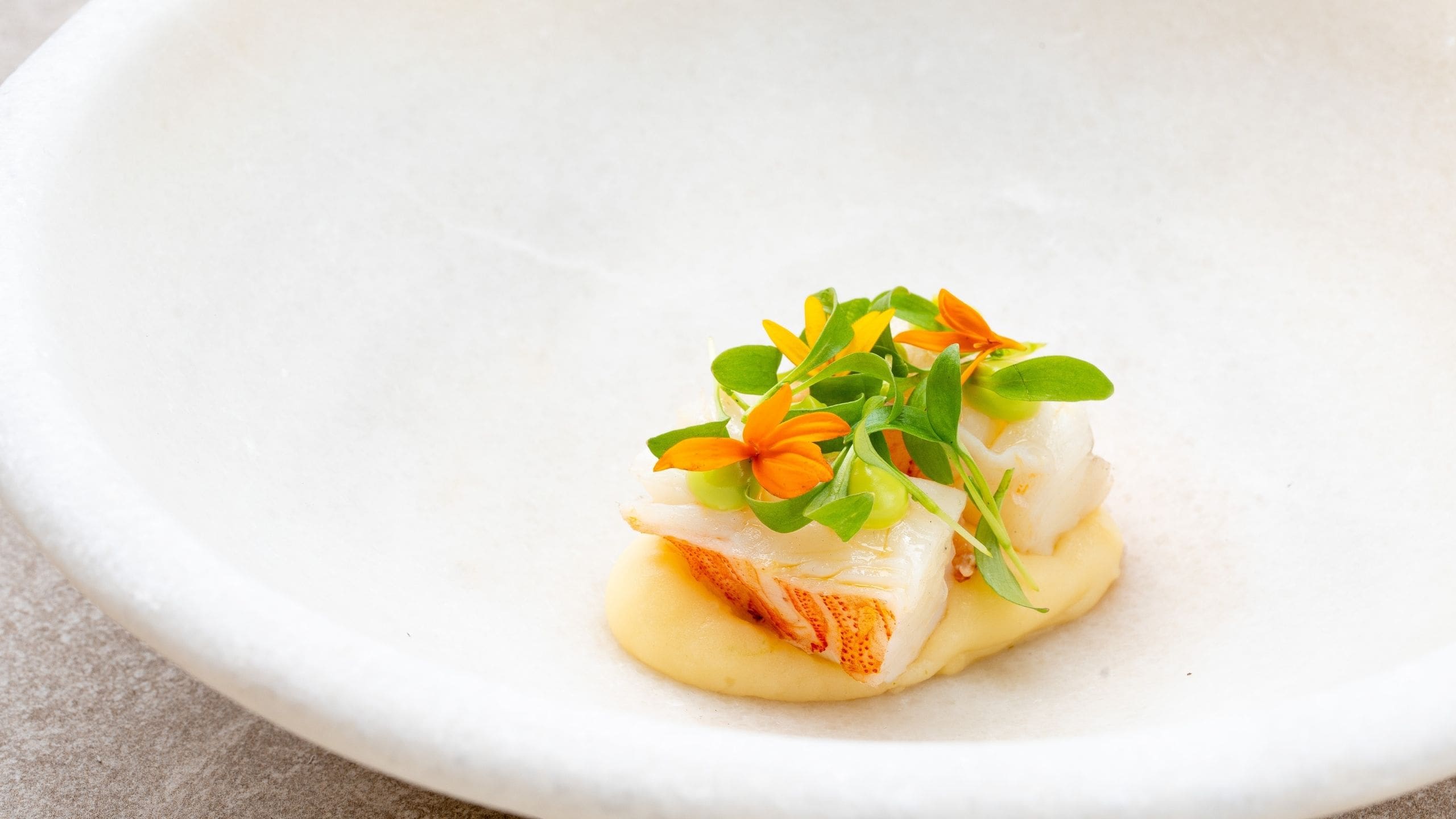
First, a refreshing kinilaw of oysters, senorita banana, longgan, and cacao pulp, bathed in dayap juice and topped with a granita of coconut juice and lemongrass. Next, Crab XO, where the XO sauce has the added ingredient of burnt niyog (mature coconut), and which in this dish is the XO (extra old), balancing out the saltiness with its deep, caramel flavour. Third, uni sauce poured over Palawan lobster, set on a cushion of pommes puree flavored with calamansi zest and juice, brilliantly cutting through all that luscious richness.
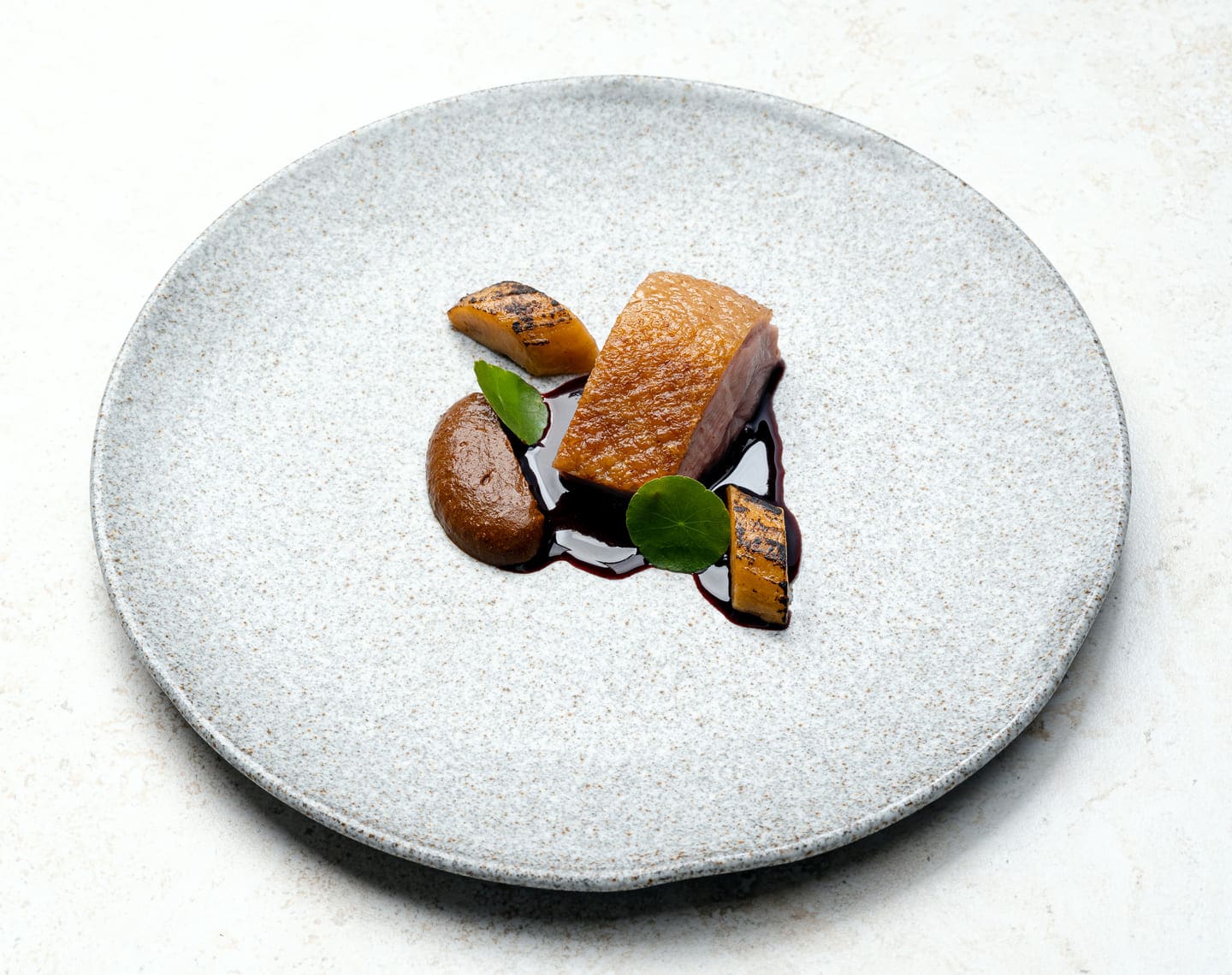
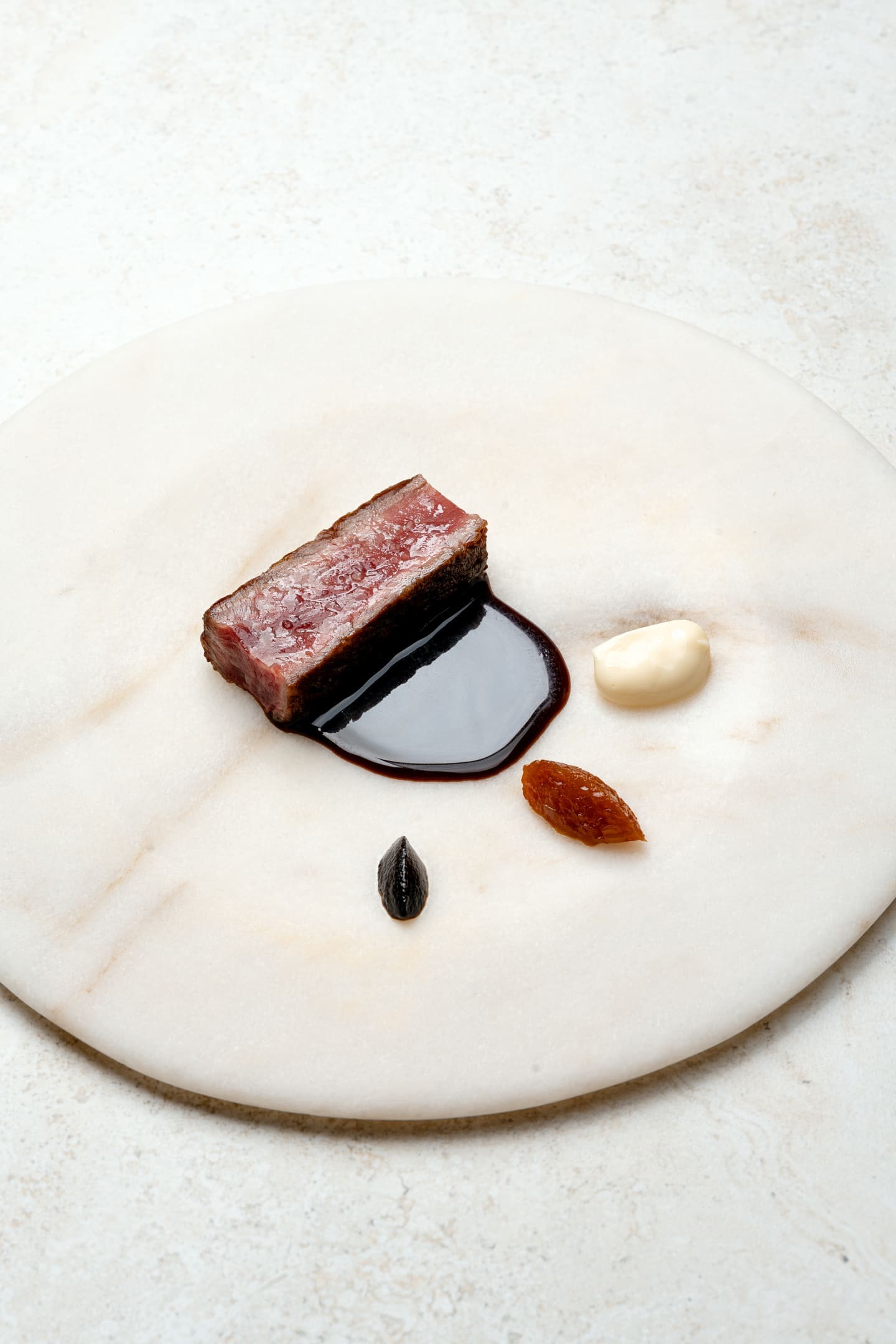
It is a succession of heavy-hitting proteins after that: tender, flavorsome octopus marinated in inasal seasonings, its foil in sheets of crispy chicken skin meant to be dipped in coconut vinegar; melt-in-your-mouth grouper pilpil, the sauce owing its velvety structure to collagen extracted from the grouper itself and coconut milk; this writer’s favorite, the duck roselle, named so due to the addition of roselle (gumamela) to the duck jus, adding another facet to its aroma and flavor, alongside which is a dollop of possibly the best mole in town (and yes, made with coconut); Wagyu beef with calamansi and soy sauce in its demi-glace, with a bonus in a sumptuous cup of rice, flavoured with drippings and garlic.
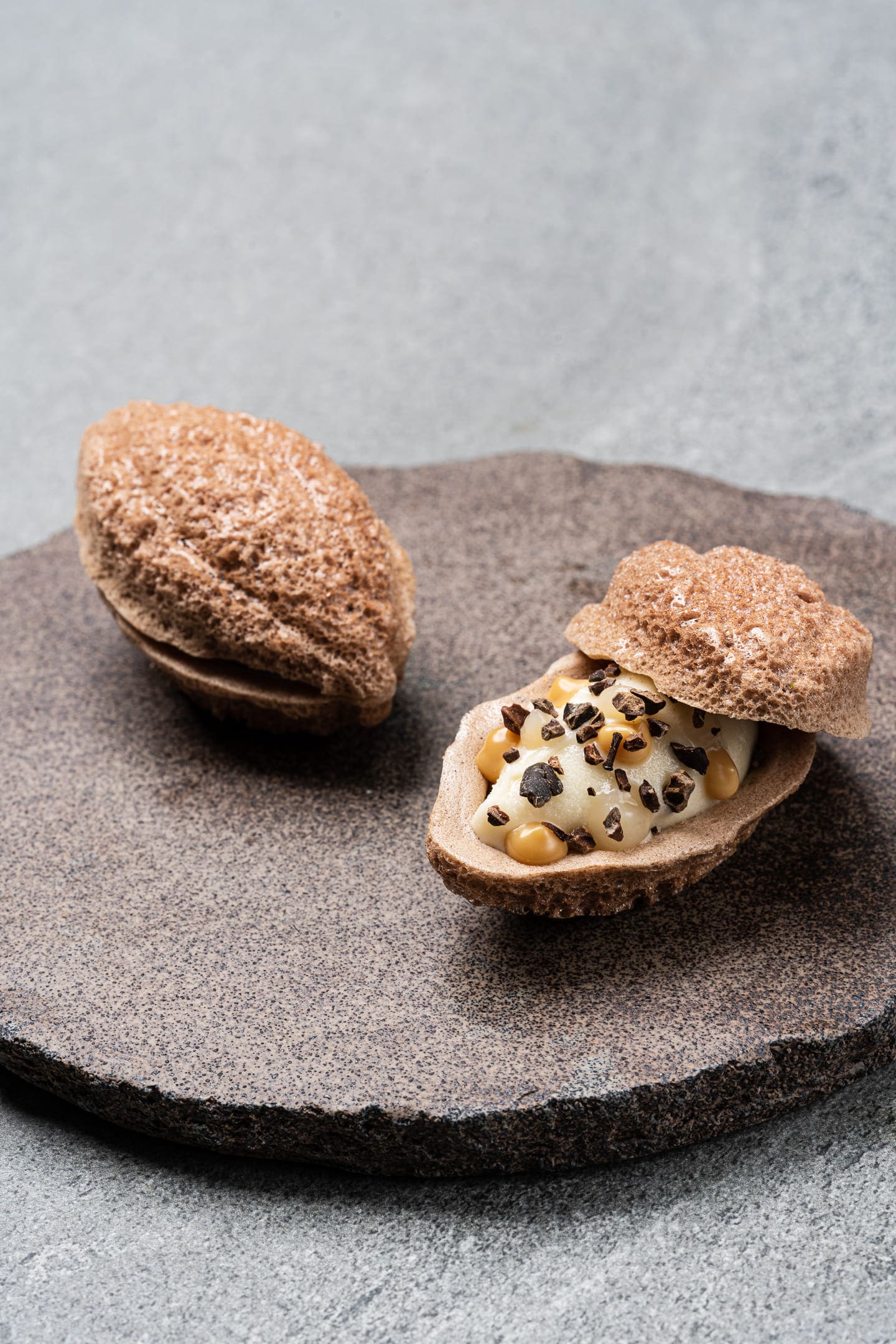
To end the meal, a cheese course: kamote camembert and roquefort made with and aged by the same methods and mold as the traditional cheeses, but created entirely with coconut milk. There is dessert, of course—“Mucilage,” a holdover from the cacao menu: cacao fruit pulp ice cream and ganache encased in a chocolate meringue shell shaped like a cacao bean. Lastly, coconut sago and petit fours.
González has acknowledged the cultural and culinary significance of the coconut in Filipino cuisine, yet he has also been candid about his initial reservations, finding its traditional applications often too rich and overpowering for his palate. In this context, his menu represents a bold undertaking: a foreign chef reinterpreting an ingredient that Filipinos hold beloved, one deeply embedded in their culinary heritage. It is a delicate balance to strike, but González approaches the challenge with precision and restraint in a manner both meticulous as it is daring, proving that even the most familiar flavors can be reimagined with technical sophistication and, in this respect, a deep love for and understanding of the Philippines, its people, and its resources.
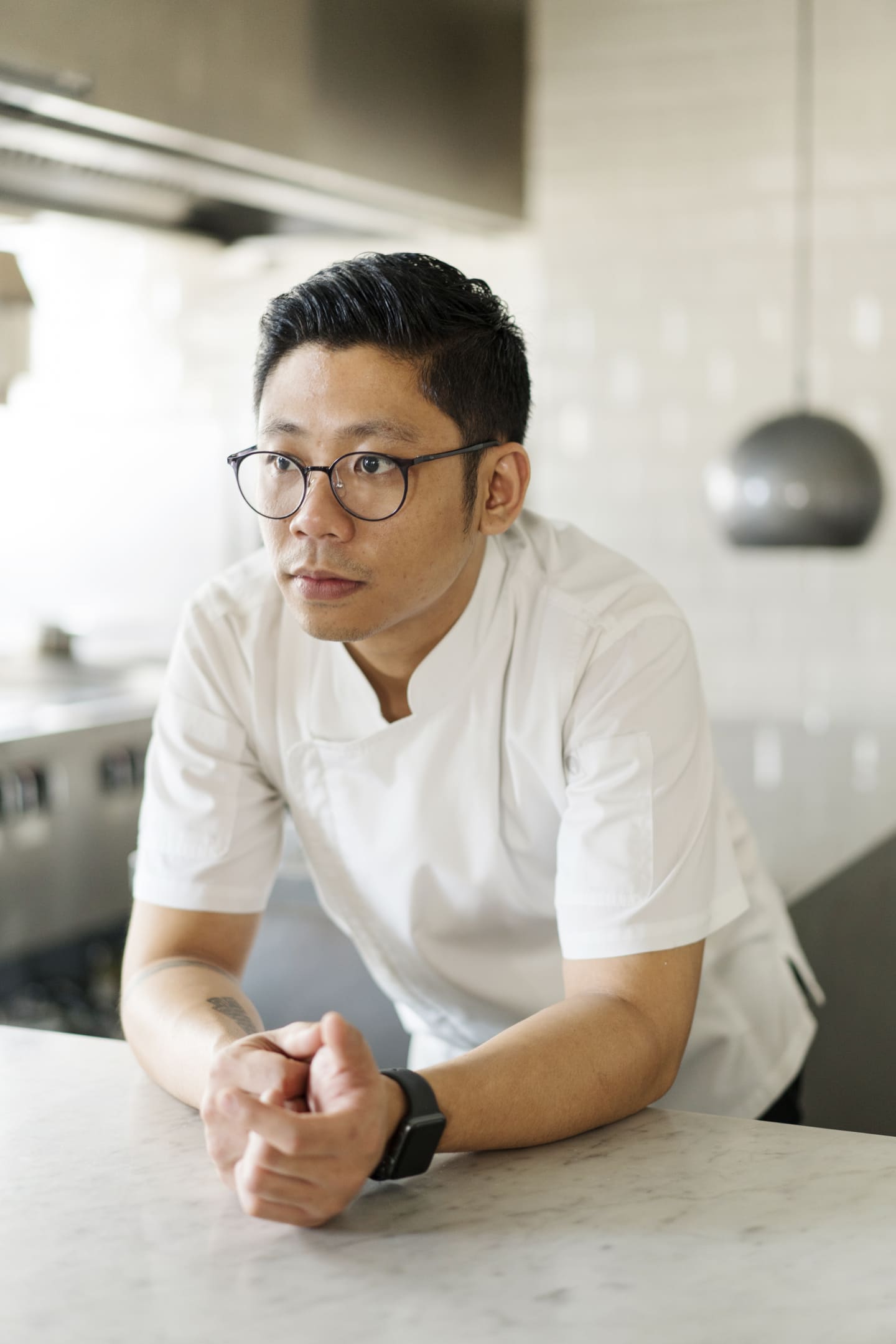
The menu is unequivocally a triumph, an immersive dining experience that transforms the coconut we know into a multi-faceted culinary star, owing its time in the spotlight to the mastery and skill of González and Villaflor. Their instincts, as it turns out, are not just well-intentioned but remarkably astute. It is a rediscovery, long overdue—one that enriches the local culinary landscape in ways that feel at once familiar and entirely new.
To make a reservation, email [email protected] or contact +63 917 546 1673.