Porsche 911 Turbo S: The Easy Answer


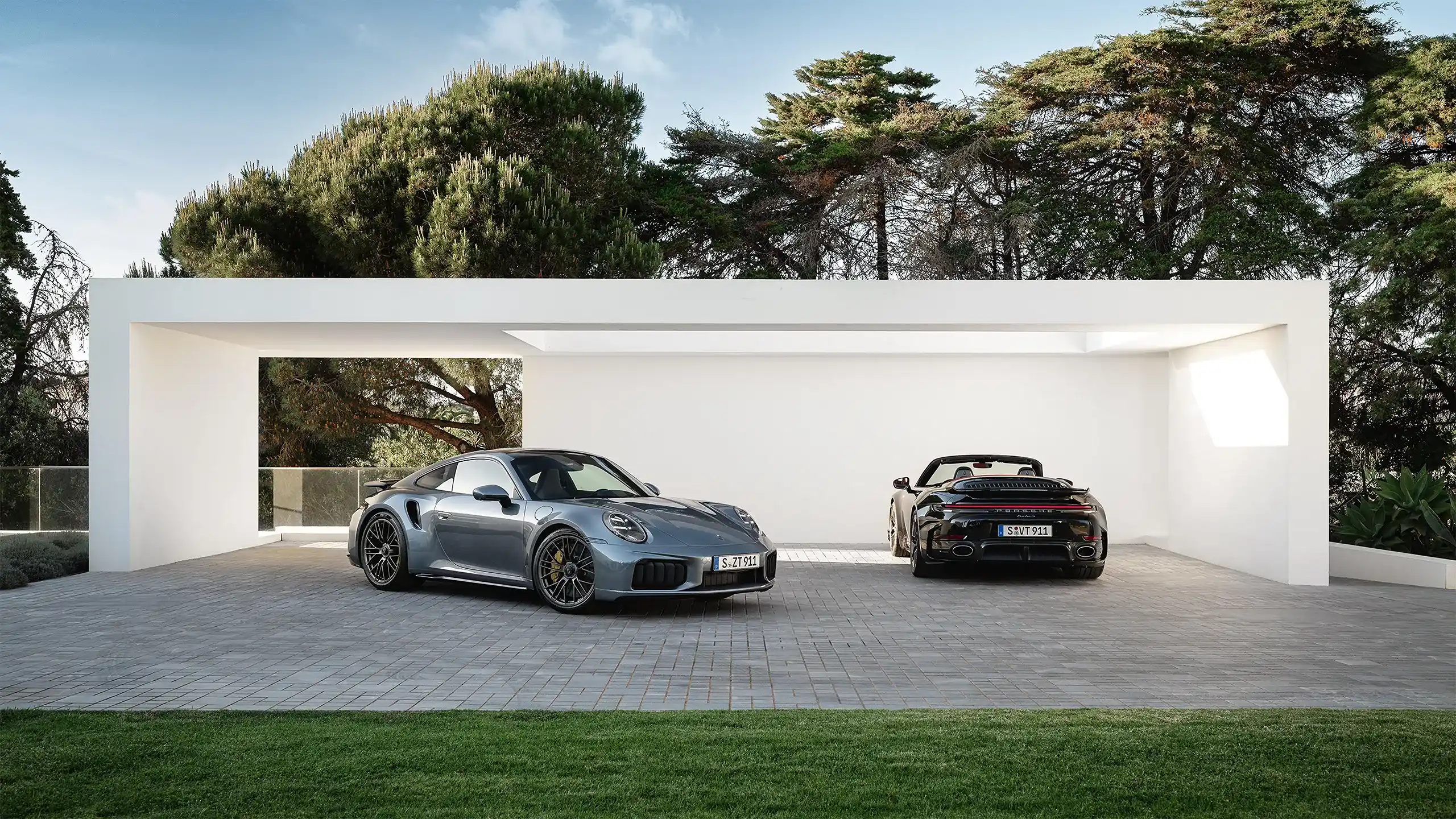
Someone recently asked me if he should get the new Porsche 911 Turbo S. The thing is, he already owns five 911s, including the closest predecessor to this car, the previous 911 Turbo S. The one just launched, and the one we happily tested in Germany around Stuttgart, is the 911 Turbo S 992.2.
This person already has the latest-generation 911 Turbo S in his garage, which is stellar in its own right, along with a few other fun toys. When I asked him which was his favorite, he said the 911 GT3 Speedster (991.2). So he’s got hyper-modern rockets, and he’s got collectibles.
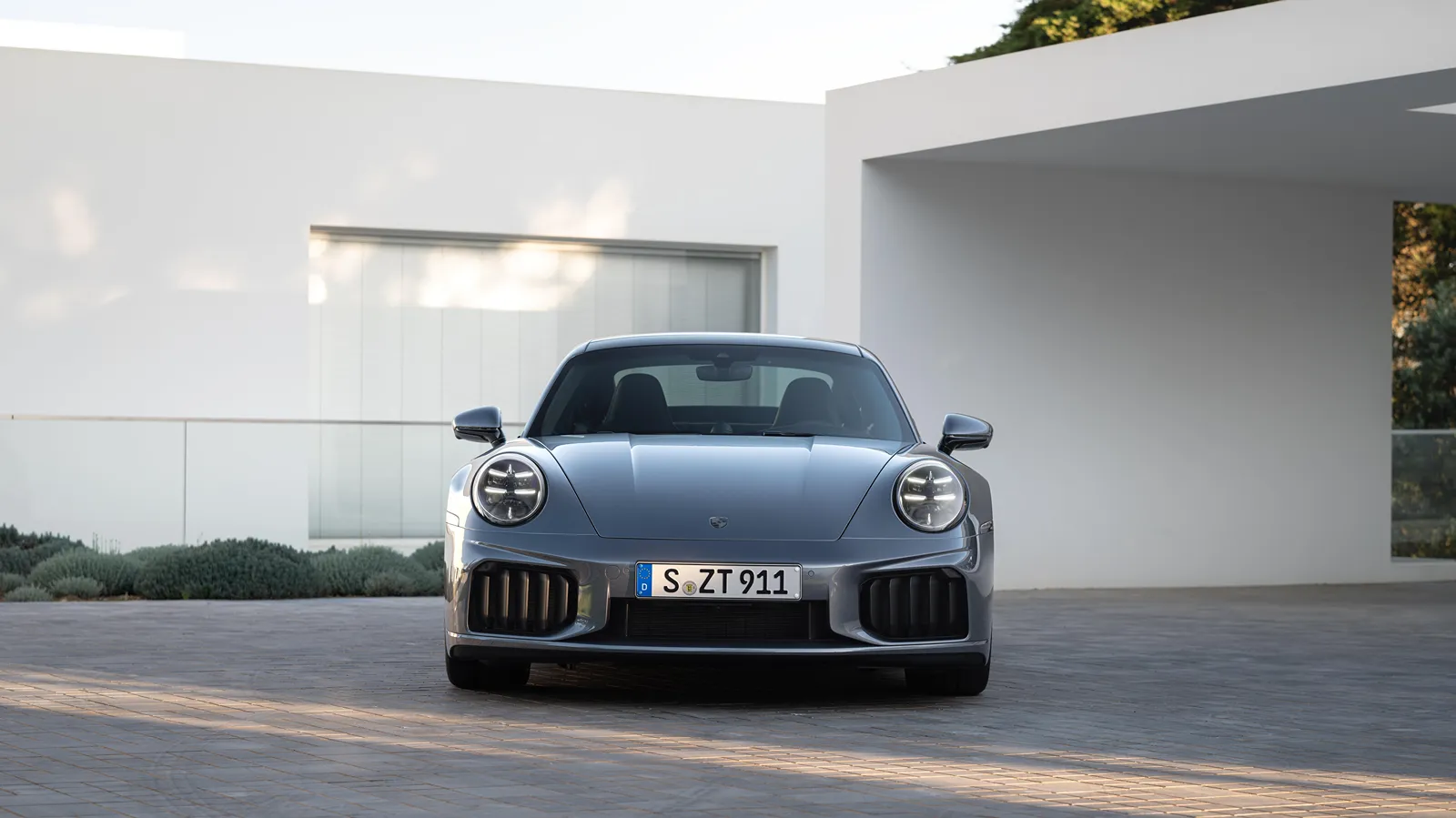
It’s hard to tell someone like that, “Yes, you should buy the new 992.2 911 Turbo S,” because I’m not sure what it would replace in his garage. Though honestly, I don’t think he worries much about what gets replaced.
If you look at the 911 Turbo S today, it is stellar in many ways. It is the most powerful production-series 911 Porsche has ever created, with 711 PS of power output. It goes from zero to 100 kilometers an hour in 2.5 seconds. None of that is what impresses me most. What impresses me is that this is arguably the most refined 911 Turbo S while also being the most powerful. One of the key things to look at is that it lapped the NürburgringNürburgringA famous German racing circuit in the Eifel mountains with a punishing, twenty-kilometer Nordschleife loop where manufacturers test and benchmark performance cars. Lap times around the Nurburgring are a covetedGo to Nürburgring Glossary Nordschleife around 14 seconds faster than its predecessor.
The NürburgringNürburgringA famous German racing circuit in the Eifel mountains with a punishing, twenty-kilometer Nordschleife loop where manufacturers test and benchmark performance cars. Lap times around the Nurburgring are a covetedGo to Nürburgring Glossary Nordschleife is 20.8 kilometers long, with 73 corners and more than 300 meters of elevation change. That last fact means you can launch over a blind crest while accelerating uphill. It isn’t just power that’s going to get you through.
How is this car shaving off 14 seconds? The answer lies mainly in the suspension and handling, and I could feel that immediately on Germany’s autobahns, both restricted and unrestricted. As soon as I started driving through corners, even before reaching the unrestricted high-speed sections, I could make small twitches at the steering wheel and the car would settle almost instantly, pointing itself exactly where I wanted it to go. This is the kind of handling you might expect from a dedicated sports car or race car, not from what is effectively a very fast daily driver from Porsche.
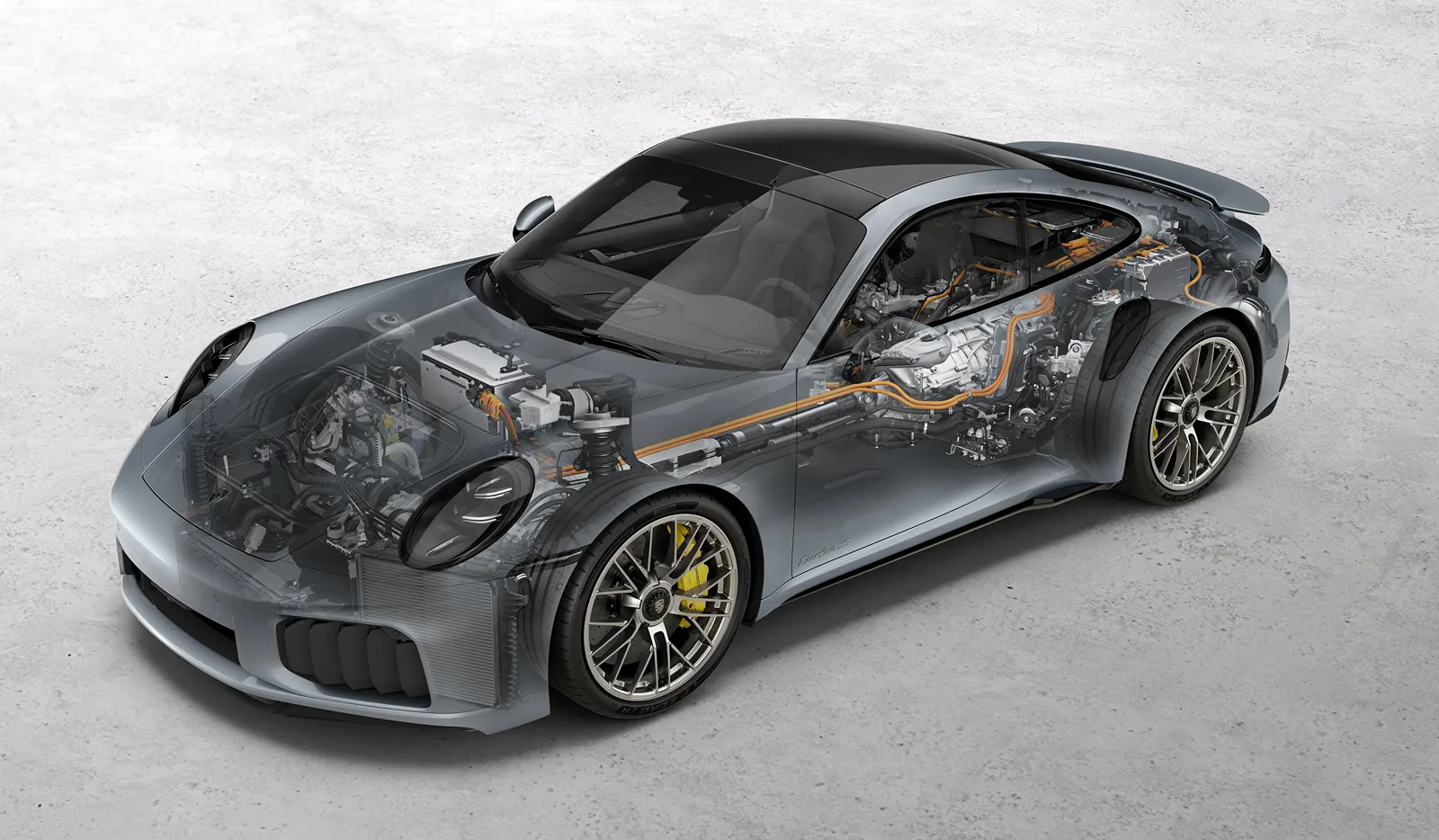
I attribute this improved handling to the electro-hydraulic Porsche Dynamic Chassis Control system, or ehPDCC. Porsche has integrated it with a 400-volt high-voltage system, which means everything reacts more quickly. It’s not just the speed of reaction, though. It’s almost the speed of thought, because those small steering inputs made it feel as though the car had already reoriented itself. Rather than waiting for the chassis to settle or deciding whether it had settled, I could immediately put the power down.
There’s a great deal of technology contributing to what this car can do. It uses the innovative T-Hybrid powertrain system, which incorporates two electric motors within the exhaust gas turbochargers to eliminate the lag that would normally be there. At the same time, there’s a third electric motor within the PDK transmission. All of this adds up to what I feel is a significant improvement in handling. It also expands both ends of the car’s character, if you think of the upper end as dynamic ability and the lower end as comfort. It’s a more comfortable long-distance drive while also being a very sharp instrument.
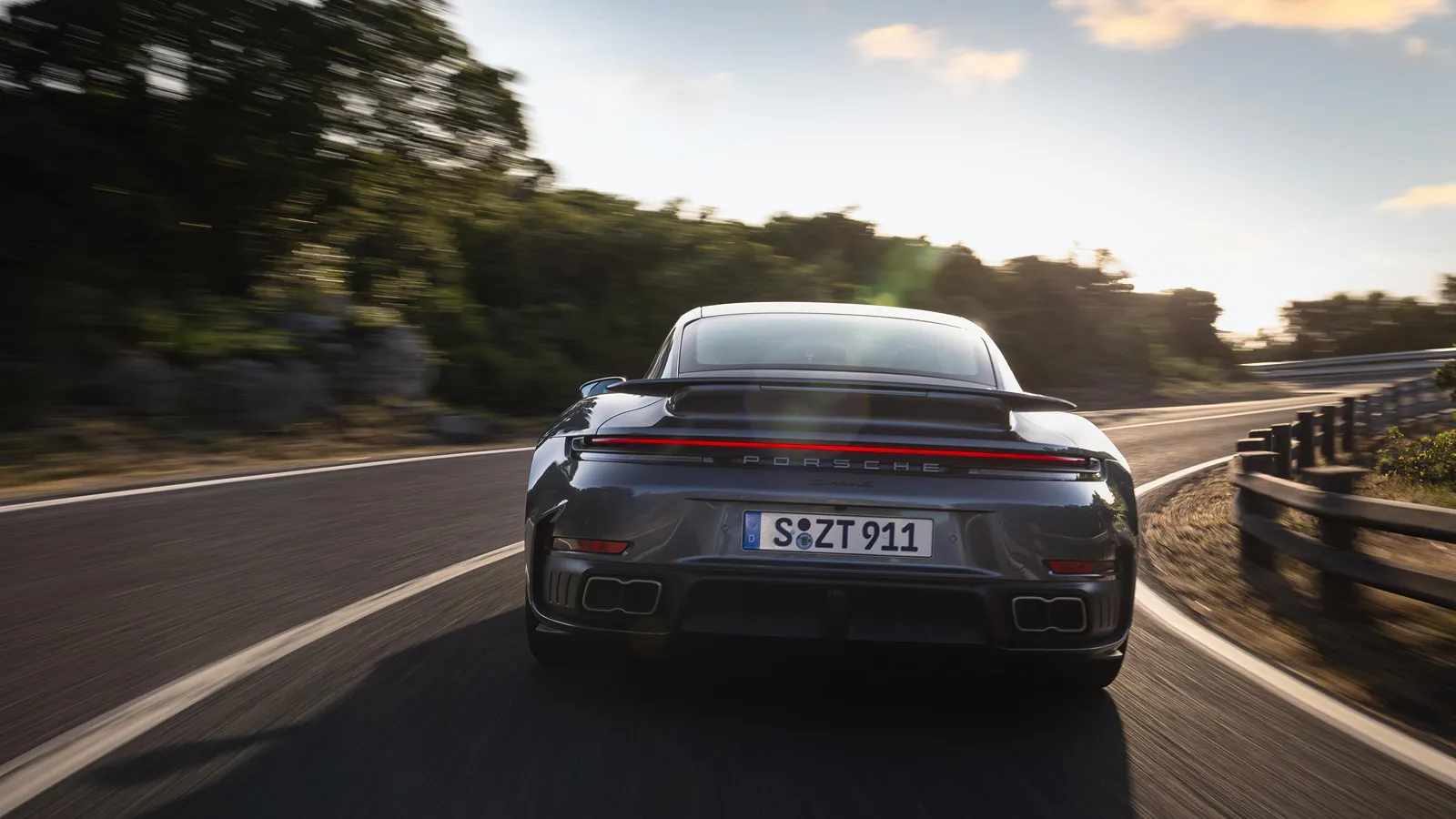
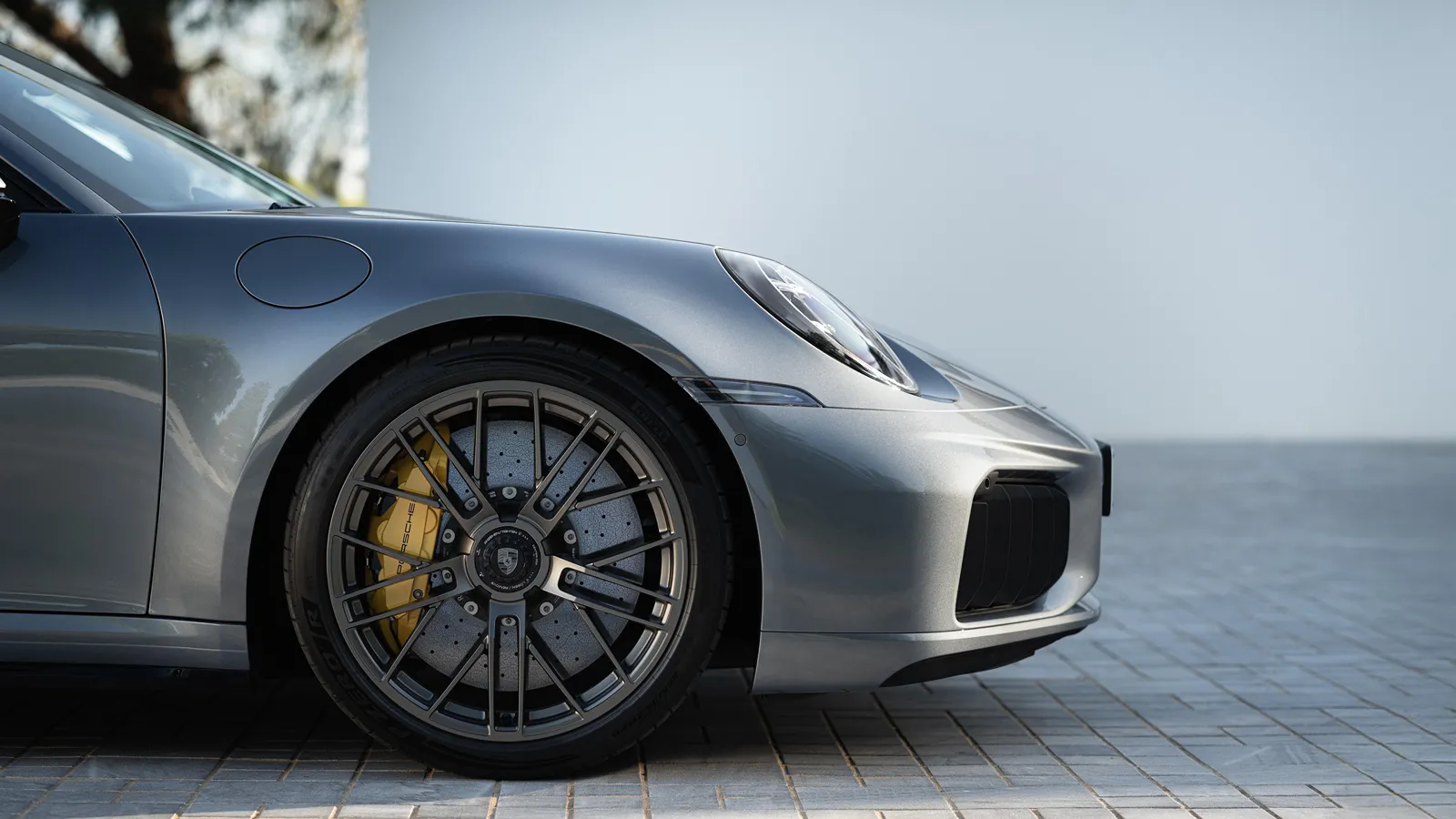
So yes, the new car has more power, and yes, Porsche has further optimized the chassis and suspension, resulting in greater agility and stability. Braking is improved as well, with Porsche Ceramic Composite Brakes (PCCB) fitted as standard. These are the largest-diameter brake discs ever fitted to a production 911.
And yes, the Porsche 911 Turbo S still sounds wonderful. But you know what might give a buyer that final push? It’s actually something much more everyday. With sports cars like this, you have to think about real-life concerns, like how low the car is when approaching a driveway, garage entrance, or speed hump. In the new 911 Turbo S, the deciding factor for some may be that the front-axle lift system operates a little faster and increases the approach angle by 2.4 degrees. A tiny detail for some, and for others, the difference between peace of mind and the heart-stopping fear of scraping the front end.
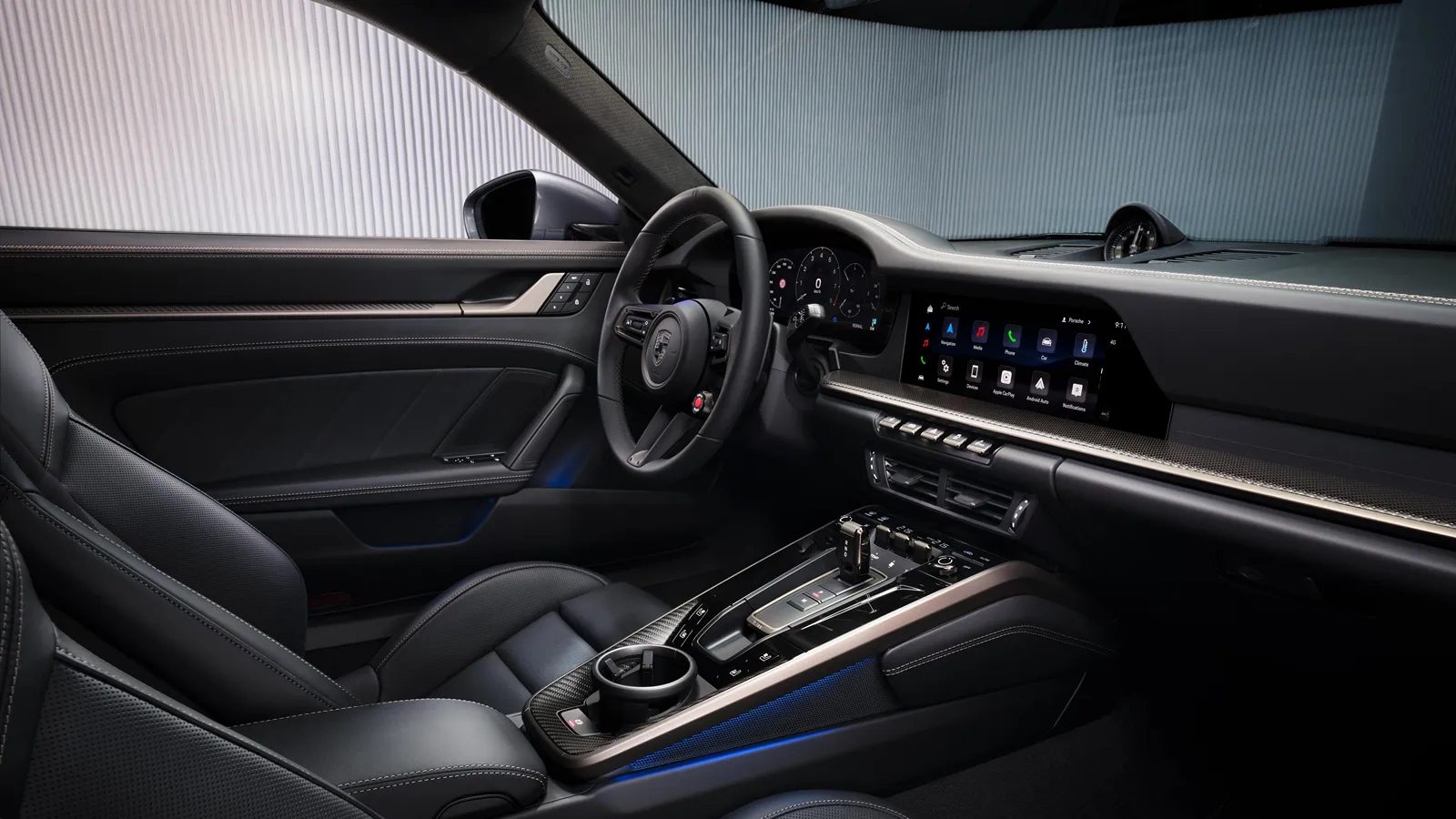
As much as the new car is more powerful, quicker through corners, and more capable across the board, what impresses me most is Porsche’s ability to combine all of that in a package that can stir your soul, make your heart race, and hopefully save you from the crunch of a badly designed driveway ramp.
Oh, and a rated top speed of 322 kph isn’t bad. Yes, that figure is conservative. No, you don’t need to get anywhere near it to appreciate how special this car is.
The answer to my friend?
“Do you really want me to answer that?”
This article originally appeared in Robb Report Philippines’ Muse Issue, July 2026.
FAQs
The latest 911 Turbo S produces 711 PS, making it the most powerful production-series 911 Porsche has built.
The 911 Turbo S can accelerate from zero to 100 km/h in 2.5 seconds and has a rated top speed of 322 km/h.
Porsche says the new Turbo S lapped the 20.8-kilometer Nürburgring Nordschleife roughly 14 seconds faster than its predecessor.
The T-Hybrid powertrain uses electric motors integrated into the turbochargers, along with another electric motor in the PDK transmission, to improve response and reduce turbo lag.
Beyond its performance gains, the Turbo S offers greater refinement and practical upgrades such as a faster front-axle lift system, which increases the approach angle by 2.4 degrees to help clear steep driveways and speed humps.