Ferrari Goes Electric With Ferrari Luce. The Real Question Is What Carries Forward.




Ferrari has named its first full-electric sports car the Ferrari Luce.
The announcement, made in San Francisco alongside the unveiling of the car’s interior design, signals more than the arrival of a battery-powered model to the Prancing Horse’s lineup. “‘Luce’ is more than a name. It is a vision,” Ferrari said in a statement. The company framed the car as a broader shift in approach with “electrification as a means, not an end.”
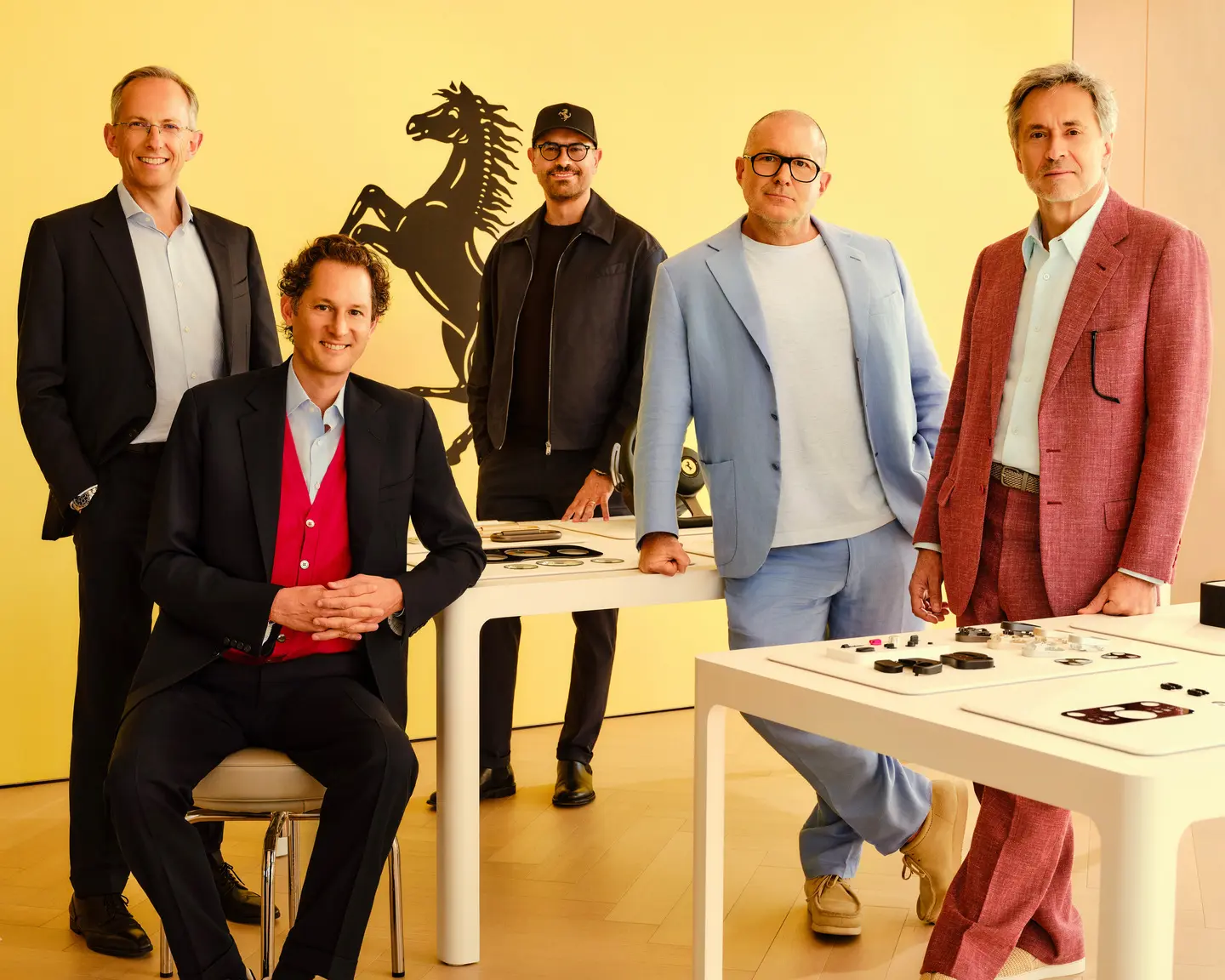
The project has been developed in collaboration with LoveFrom, the creative collective founded by Sir Jony Ive and Marc Newson. The partnership, now five years old, extends across multiple aspects of the new car’s design. The launch in San Francisco underscored the emphasis on digital integration.
For a marqueMarqueA brand name of a car manufacturer, particularly one associated with prestige, such as Ferrari, Rolls-Royce, or Aston Martin. The term emphasizes a make's heritage and identity beyond product lines,Go to Marque Glossary built on combustion engines and racing pedigree, the choice of name is deliberate. Ferrari describes Luce—Italian for “light”—as a symbol of clarity and direction, reflecting “uncompromising vision, transparent design, silent energy that is felt in every fibre, and form shaped by function.” Electricity becomes another tool in Ferrari’s engineering vocabulary rather than a break from it.
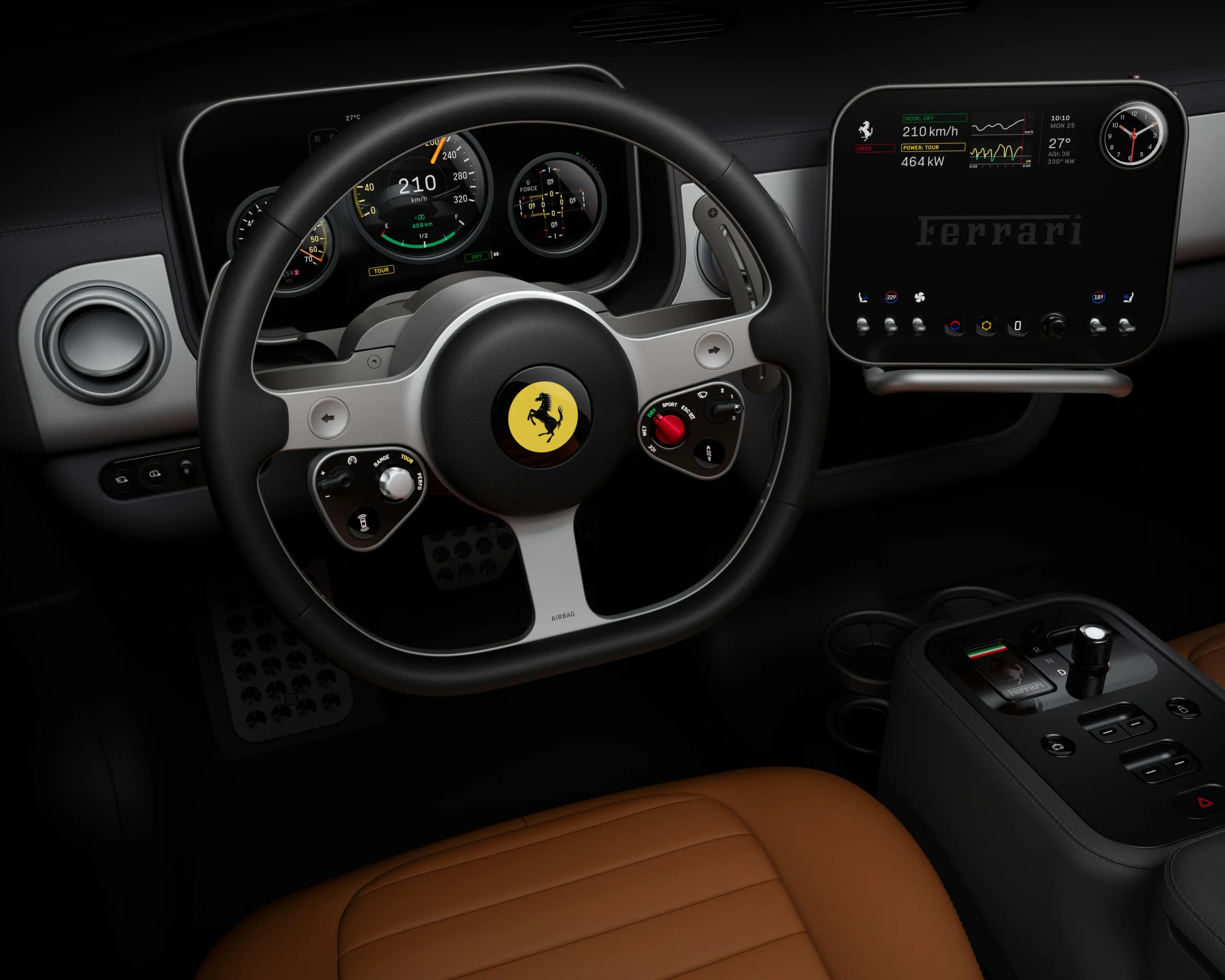
Ferrari’s decision to involve LoveFrom from the outset gave the collective latitude to define the car’s design direction across materials, ergonomics and interface. During development, LoveFrom worked with the Ferrari Styling Centre led by Flavio Manzoni, adapting concepts to meet the practical constraints of a production sports car, including packaging and homologation requirements.
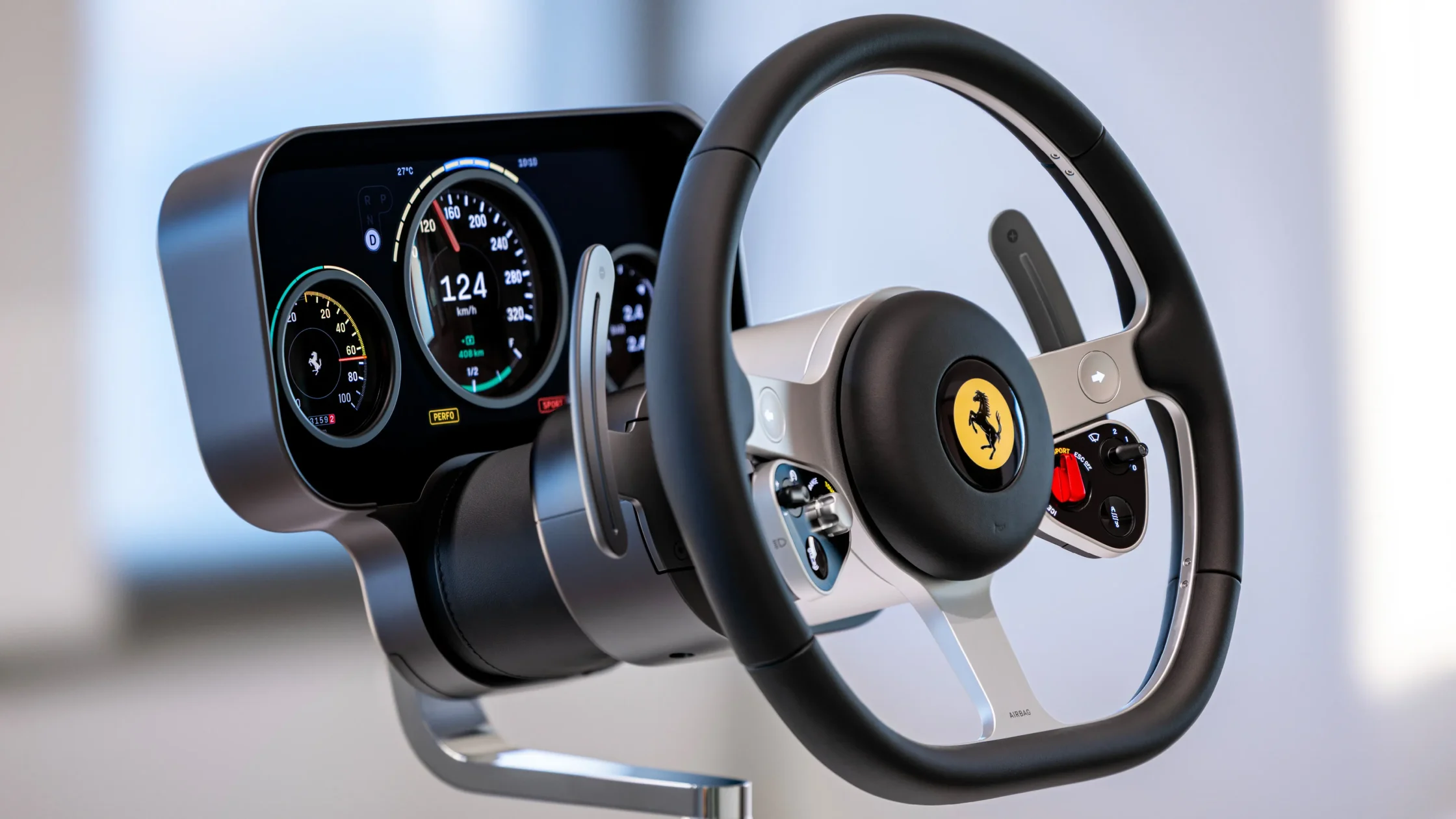
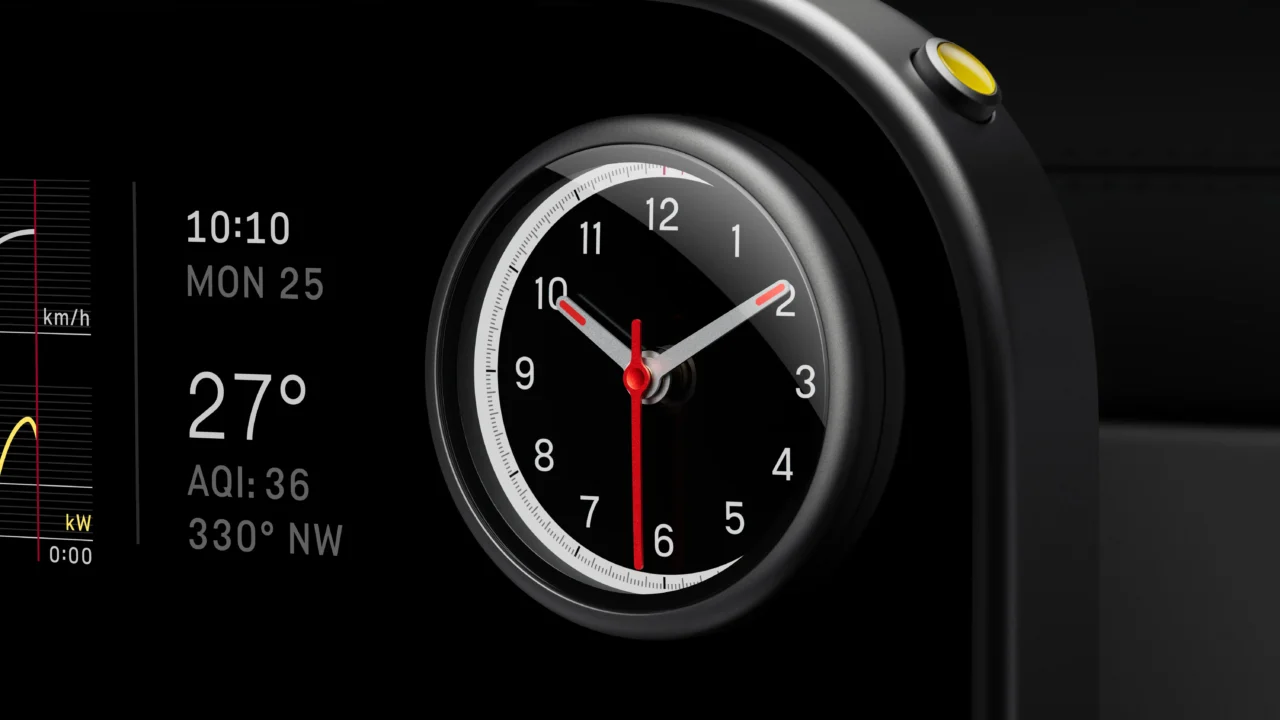
Materials are central to that effort. Aluminium was selected for its suitability for precision machining and is used in components milled from solid billets using three- and five-axis CNC processes. The alloy is 100 per cent recycled and finished through anodisation to produce a thin hexagonal microstructure designed to increase hardness and resistance. Glass elements are made from precision-milled Corning Gorilla Glass, chosen for scratch resistance and clarity.
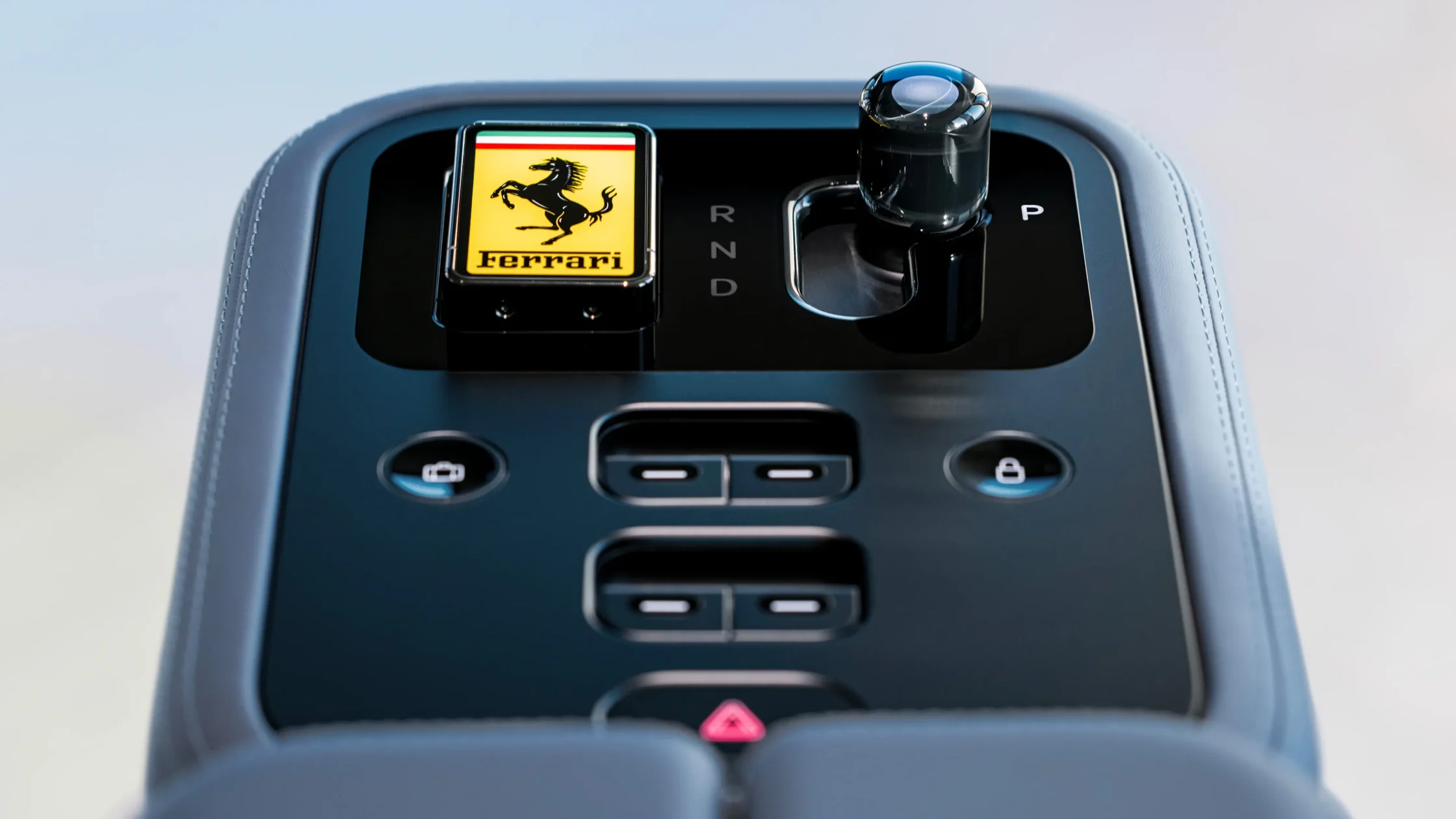
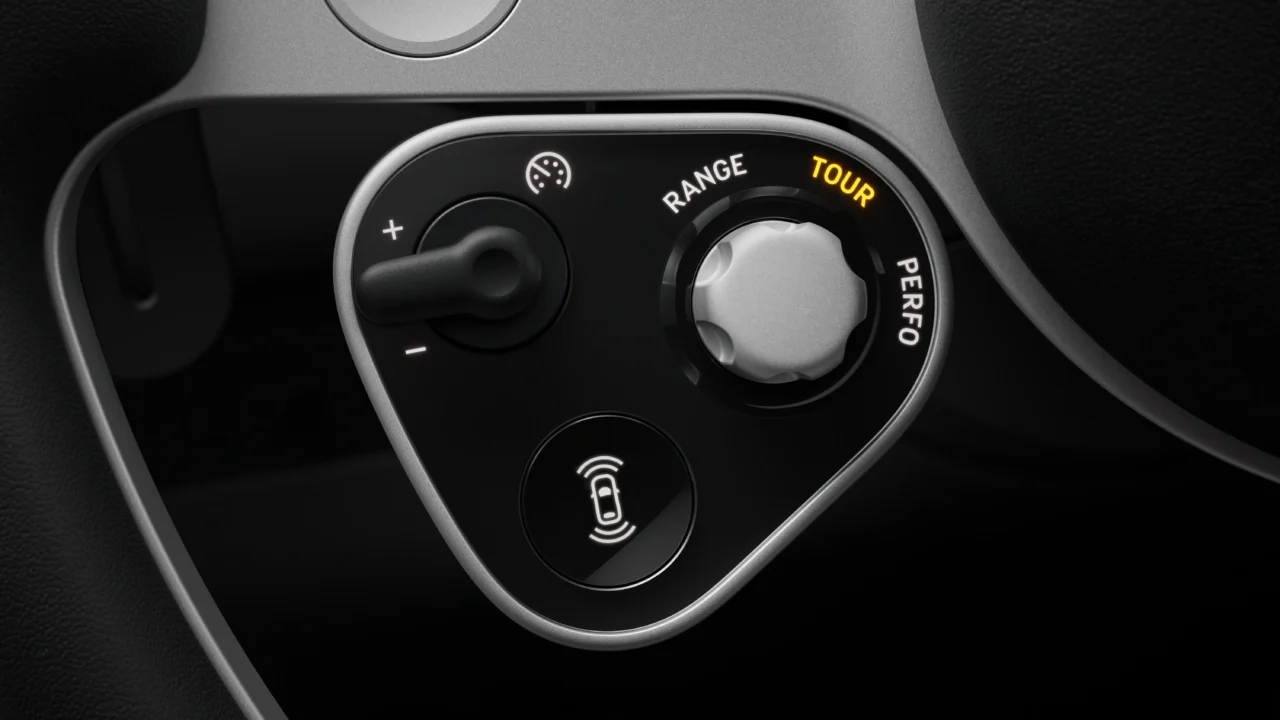
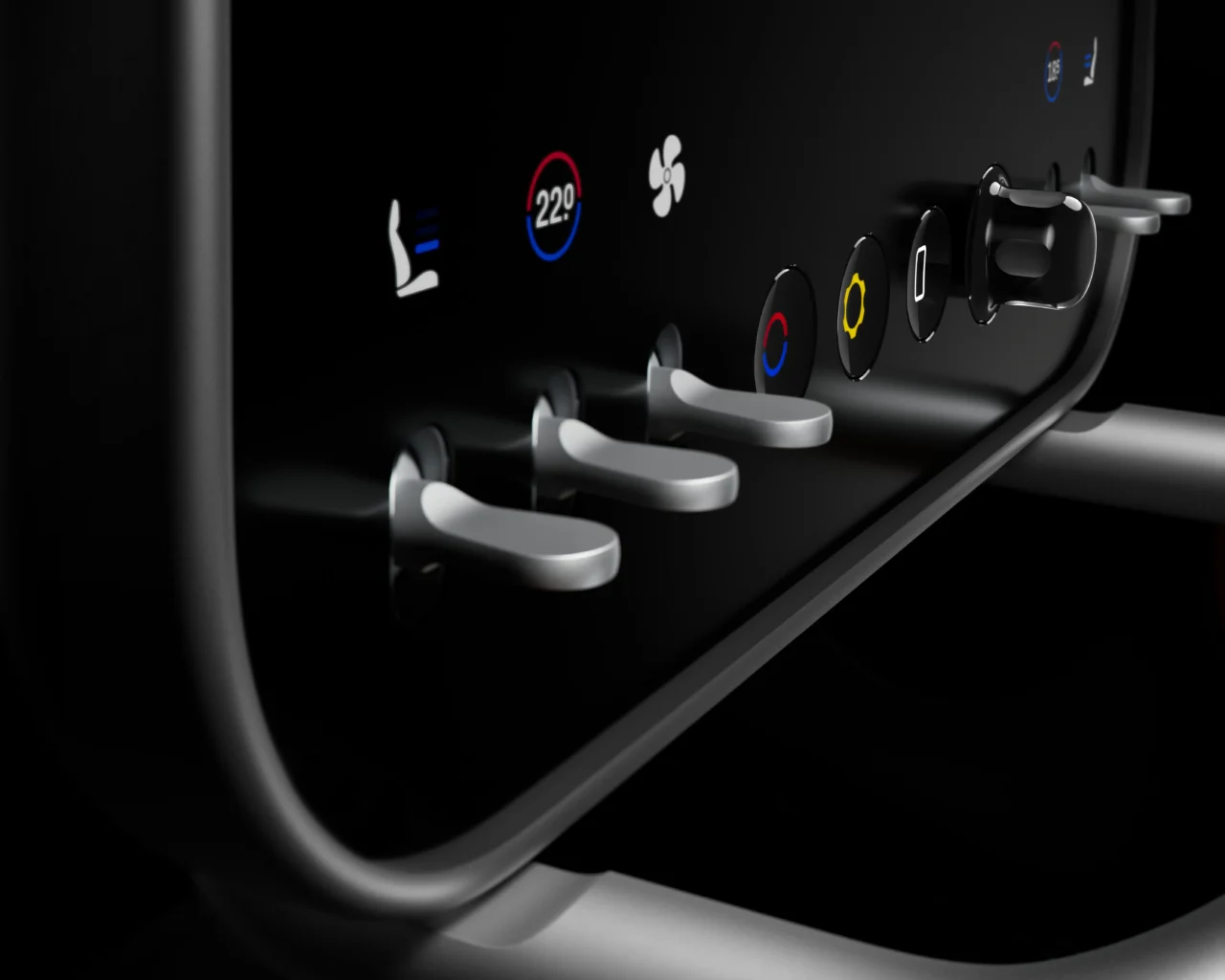
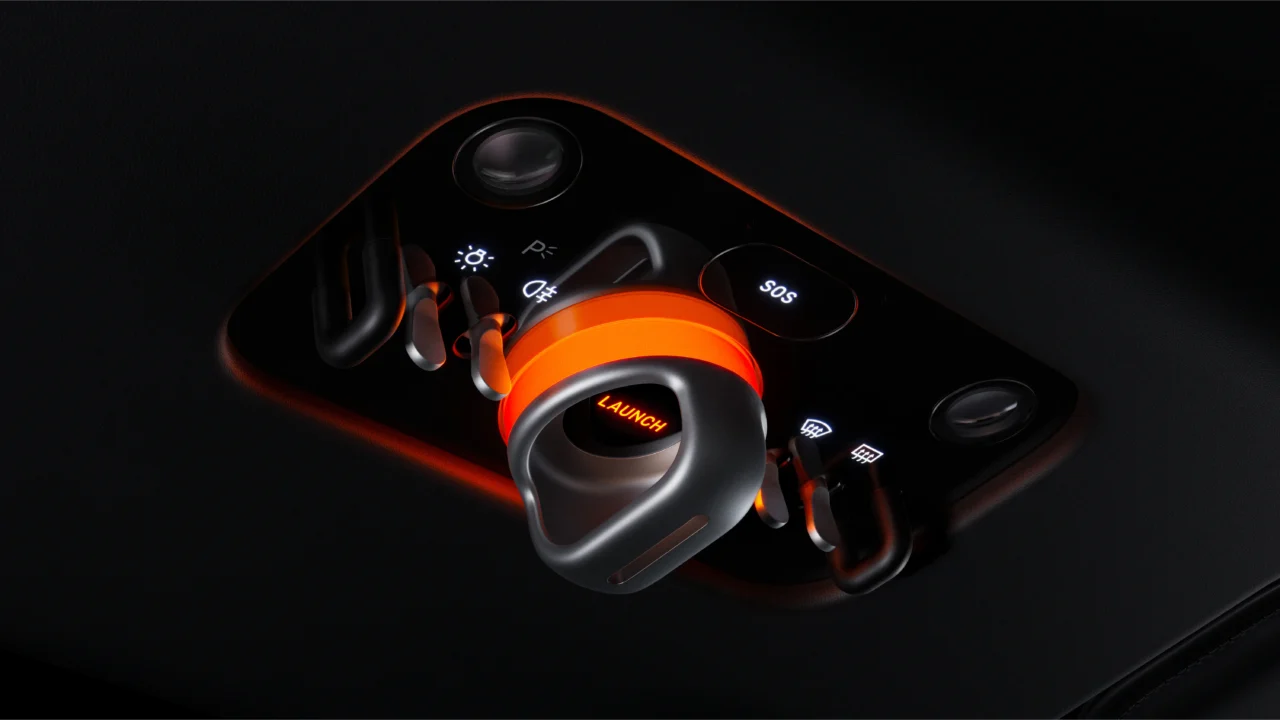
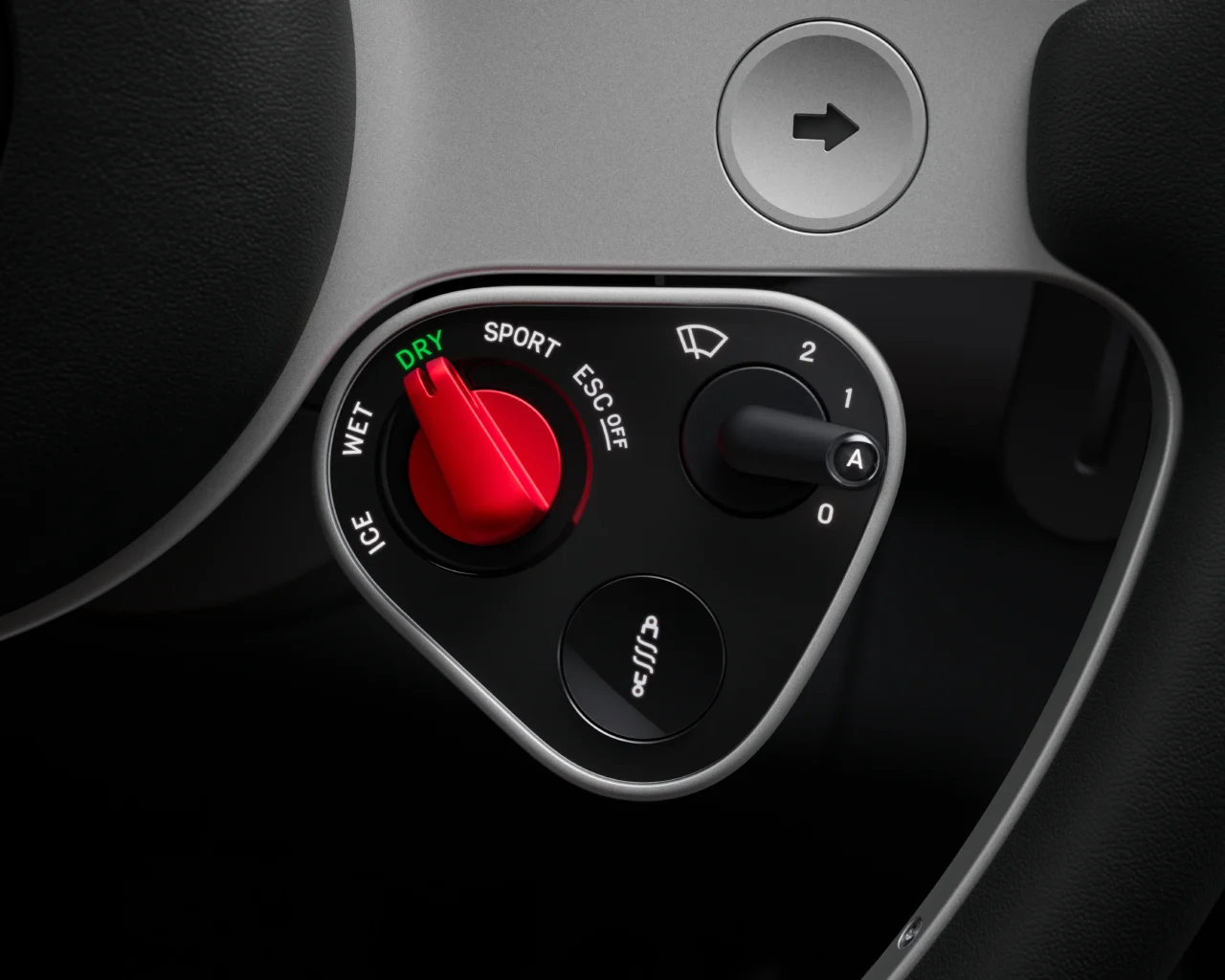
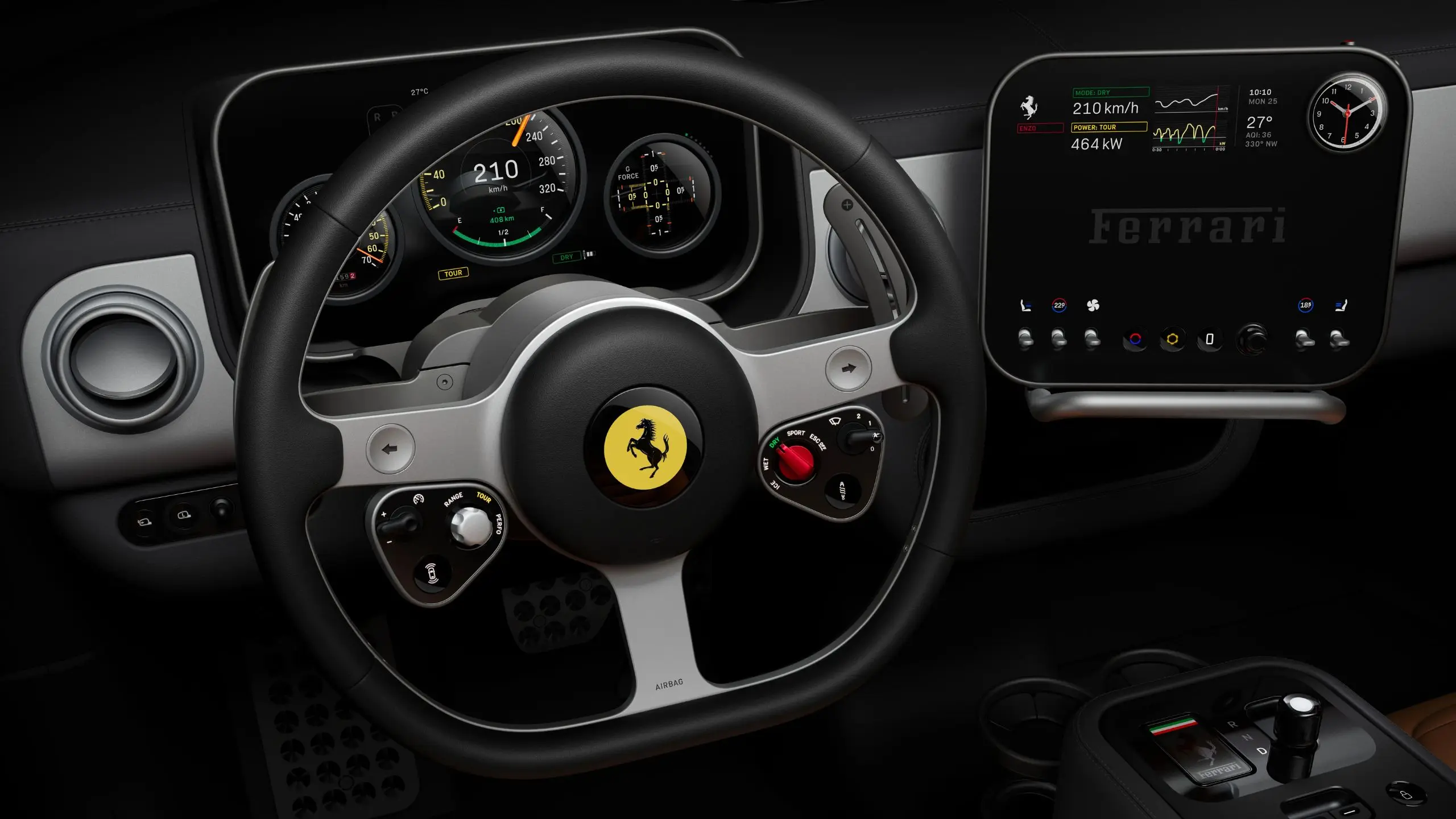
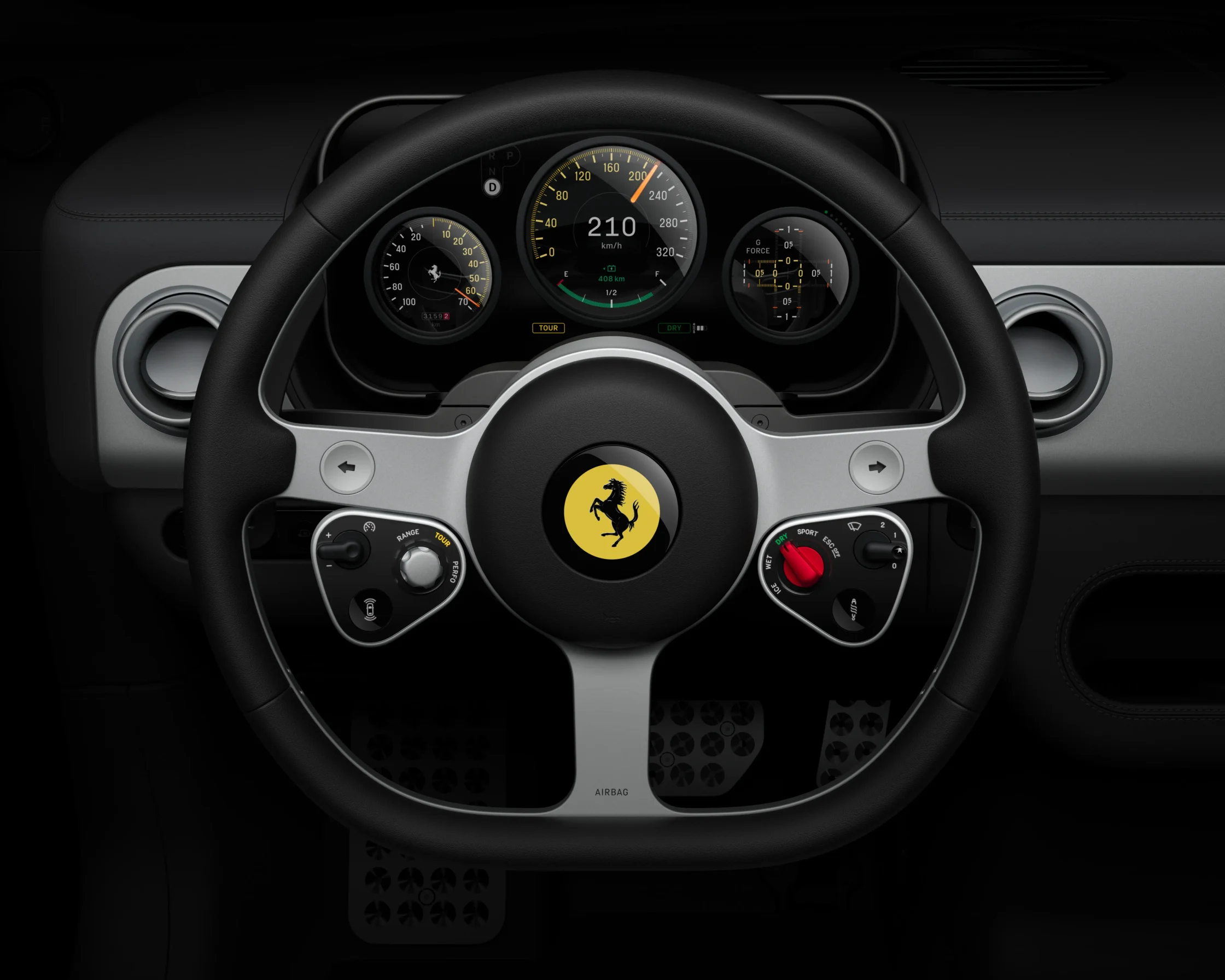
The cabin of the Luce has been simplified, with hardware and software developed in tandem so that controls and displays feel coherent rather than layered. The binnacle, control panel, and central console are organized around clear distinctions between inputs and outputs. Ferrari describes the result as an environment that is “calm, focused and spacious,” which, one may consider, is a rather unexpected set of priorities for a brand more commonly associated with theatrical interiors.
But it still retains a distinct sports car edge, with details unique to an electric platform, such as a docked key that sends Ferrari’s signature yellow across the interface.
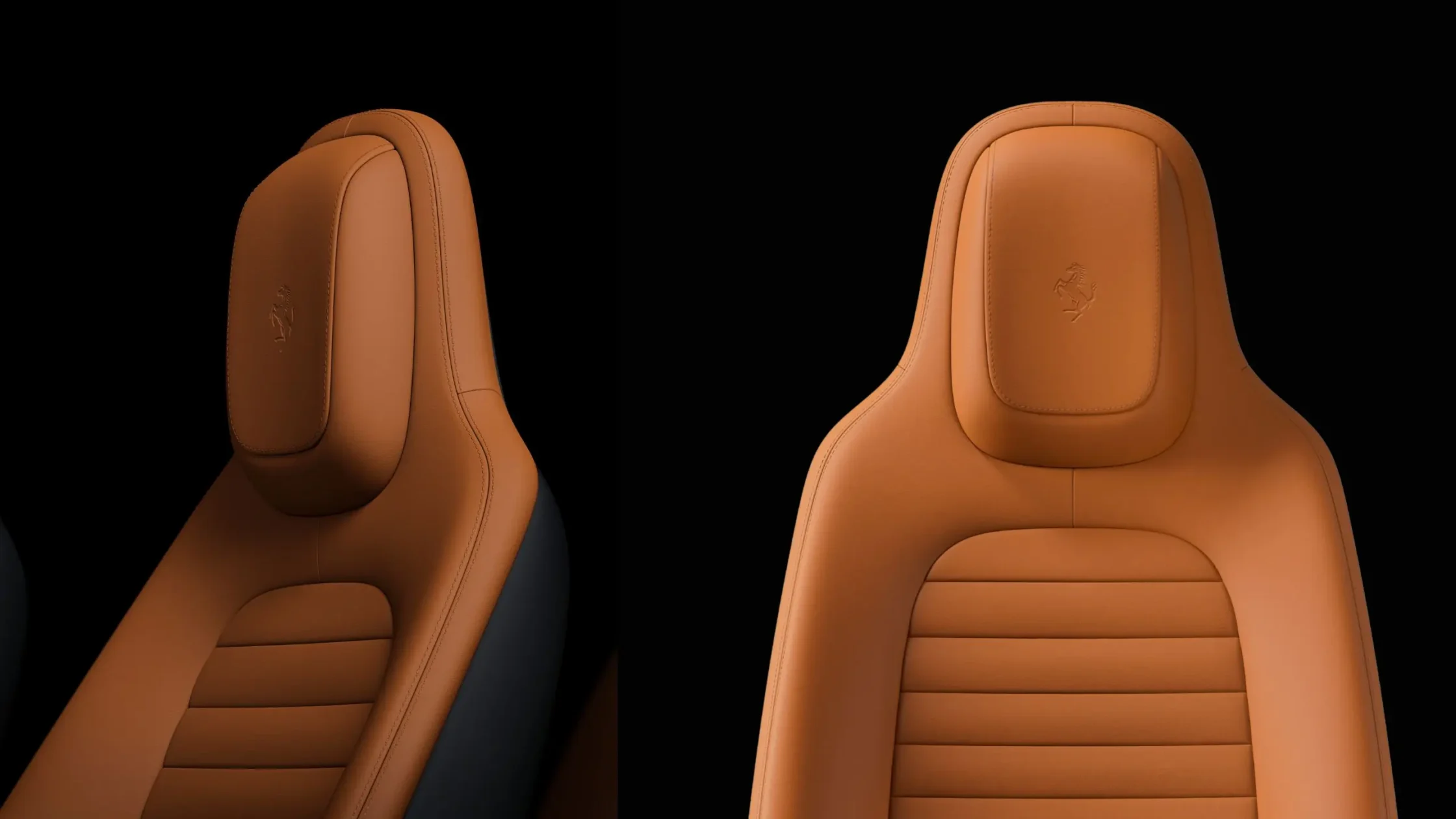
Ferrari emphasizes that the Luce unites its racing heritage with contemporary lifestyles. Whether that claim will resonate with long-standing customers remains to be seen. What is clear is that the company is positioning its first electric sports car as an extension of its design and engineering culture rather than a concession to regulatory pressure. The Luce is set to be formally unveiled in May.
“Leading means illuminating the path ahead—and Luce embodies that mindset,” the Ferrari statement said. The car marks a decisive shift for the marque; for Ferrari, the test will be whether this shift feels continuous with the last.
Gallery: