Classic Porsches rule 12th Tour de Cebu


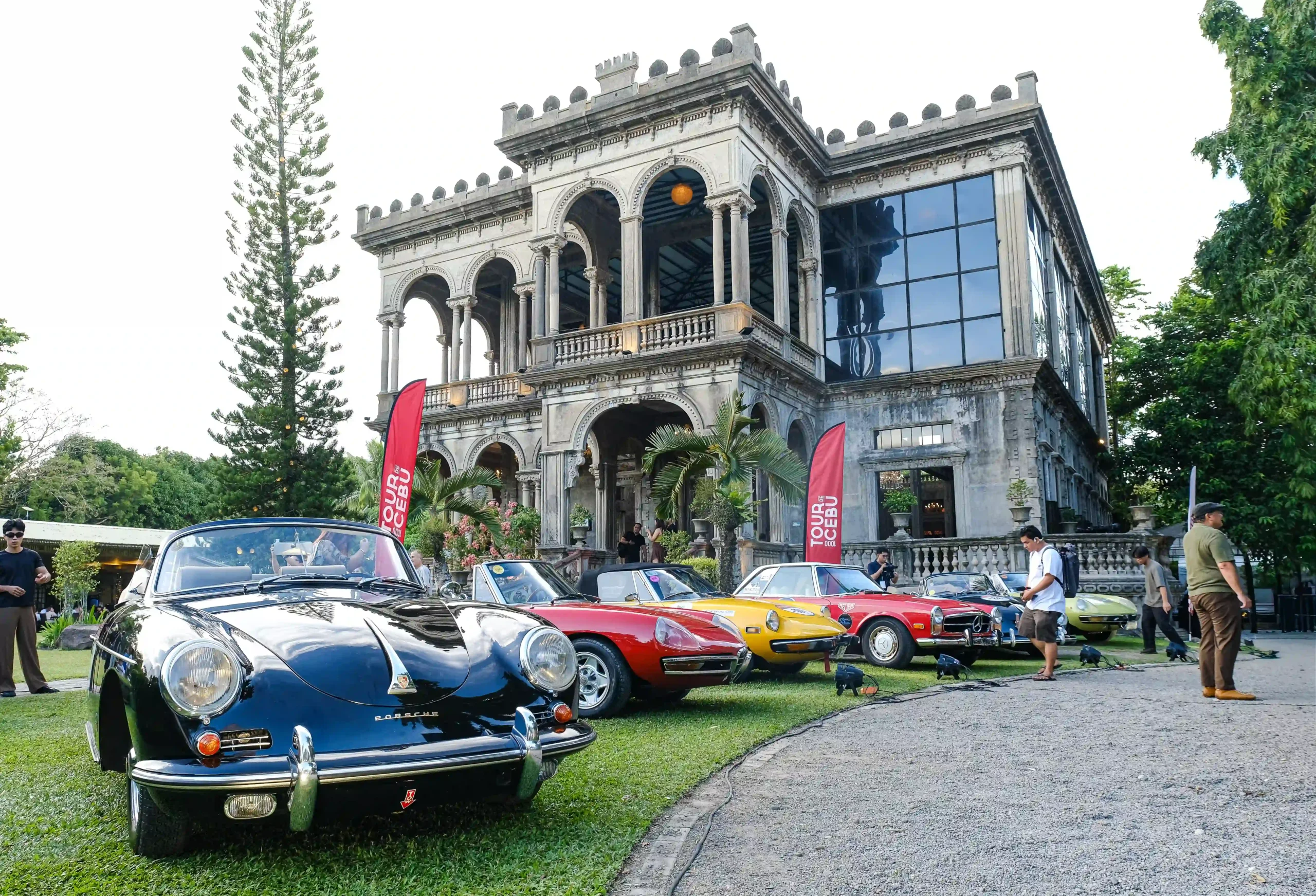
No one can dispute that there’s an unmistakable, lasting allure in classic cars. Not only do they transcend – and, verily, connect – generations; they also symbolize a permanency and stability amid the inevitable forward march of time and the changes it brings. Like museum pieces, they remind us of the past – good or bad – that has shaped our present and will definitely factor into molding our future. Plus, we have always loved our cars. We’ve given them names and we take care of them like family, just as they’ve taken care of us.
Constructed in the early 1900s, the famed Lacson Mansion, today simply known as The Ruins – a seemingly cruel appellationAppellationAppellation refers to a legally defined wine-growing region whose geographic boundaries and production standards are officially regulated to protect the designation's authenticity and quality. Appellation systems, most notably France's AOC,Go to Appellation Glossary that actually accurately captures its state – still attracts throngs to its beautiful Neo-Romanesque façade that features mighty columns reaching to the sky to this day. It is known as the Taj Mahal of Talisay, as it is similarly a monument to lost love: in this case, Maria Braga Lacson, the departed wife of Don Mariano Lacson.
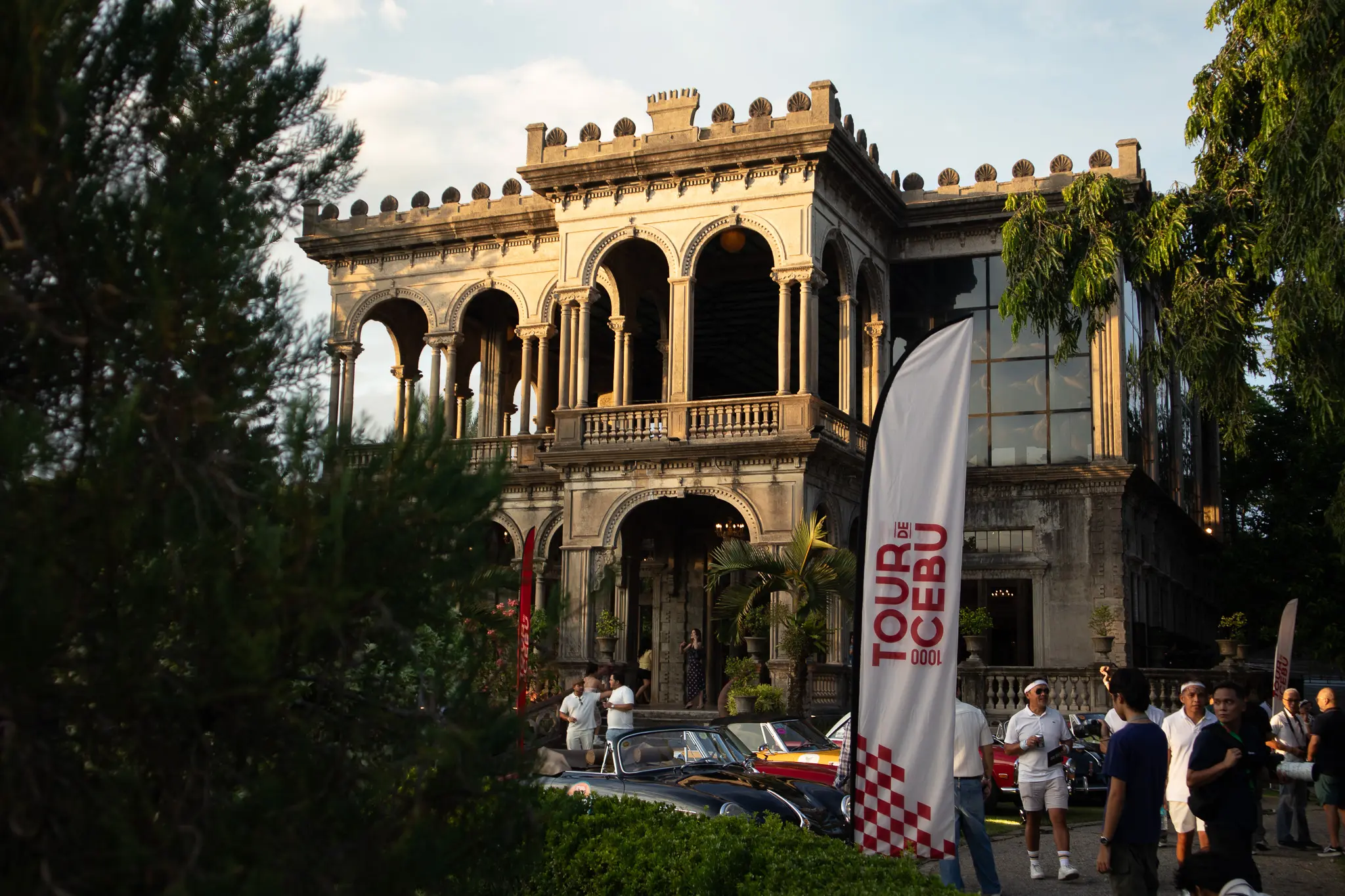
It is apropos, then, for the Talisay City landmark to be a venue for Tour de Cebu (TDC), whose latest edition marks its first-ever stop in nearby Bacolod City. The local “tulip rally” takes its name from the Netherlands’ premier classic car rally, Tulpenrallye. To be precise, the TDC is specifically modeled after the Mille Miglia, an iconic Italian open-road endurance race and modern classic car rally that runs around 1,600 kilometers from Brescia to Rome and back. The TDC started as a convoy among car-loving friends in Cebu, and TDC Rally Director Pepon Marave said he decided to put in “a little competition” because a convoy proved “too boring.”
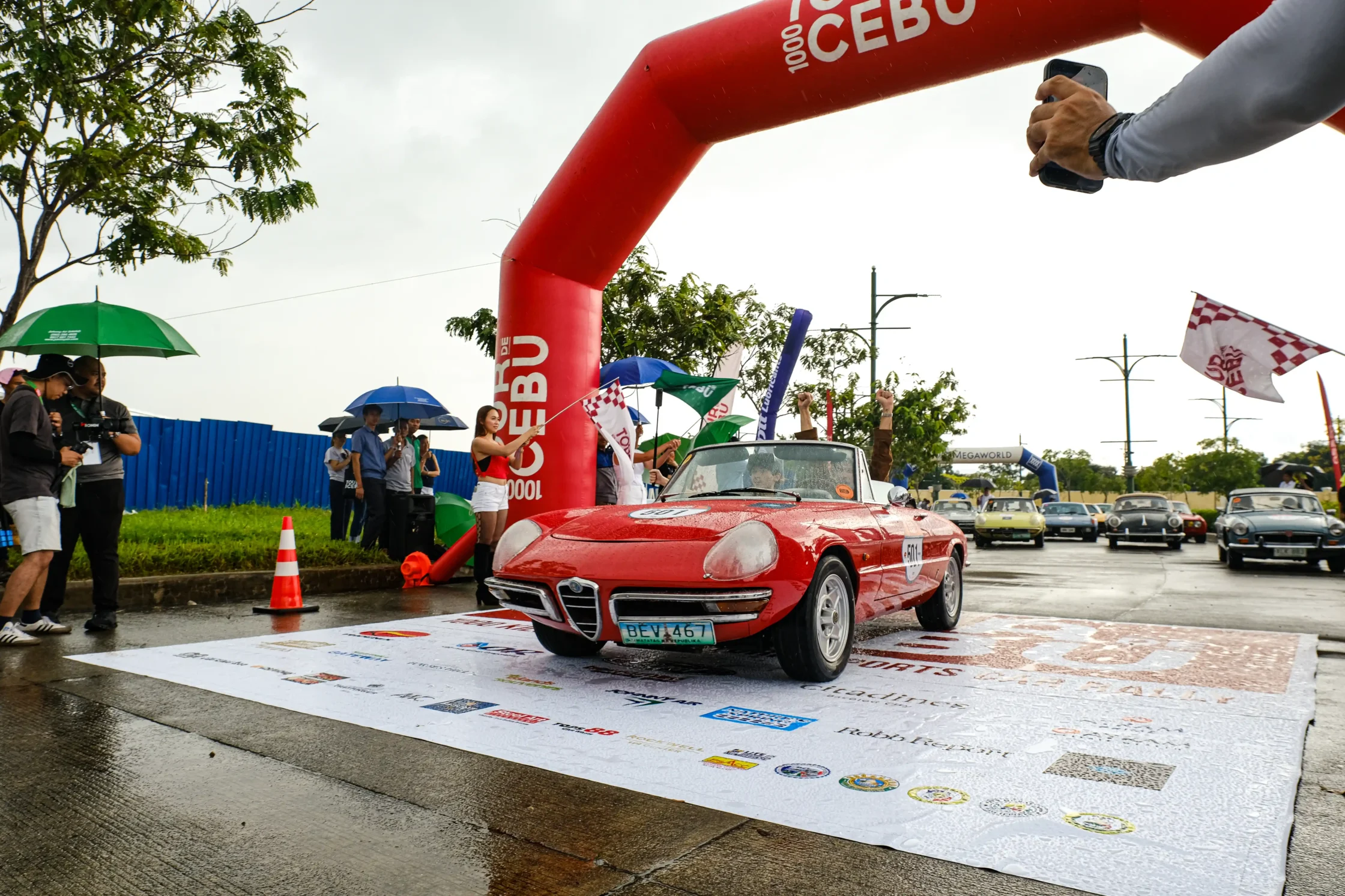
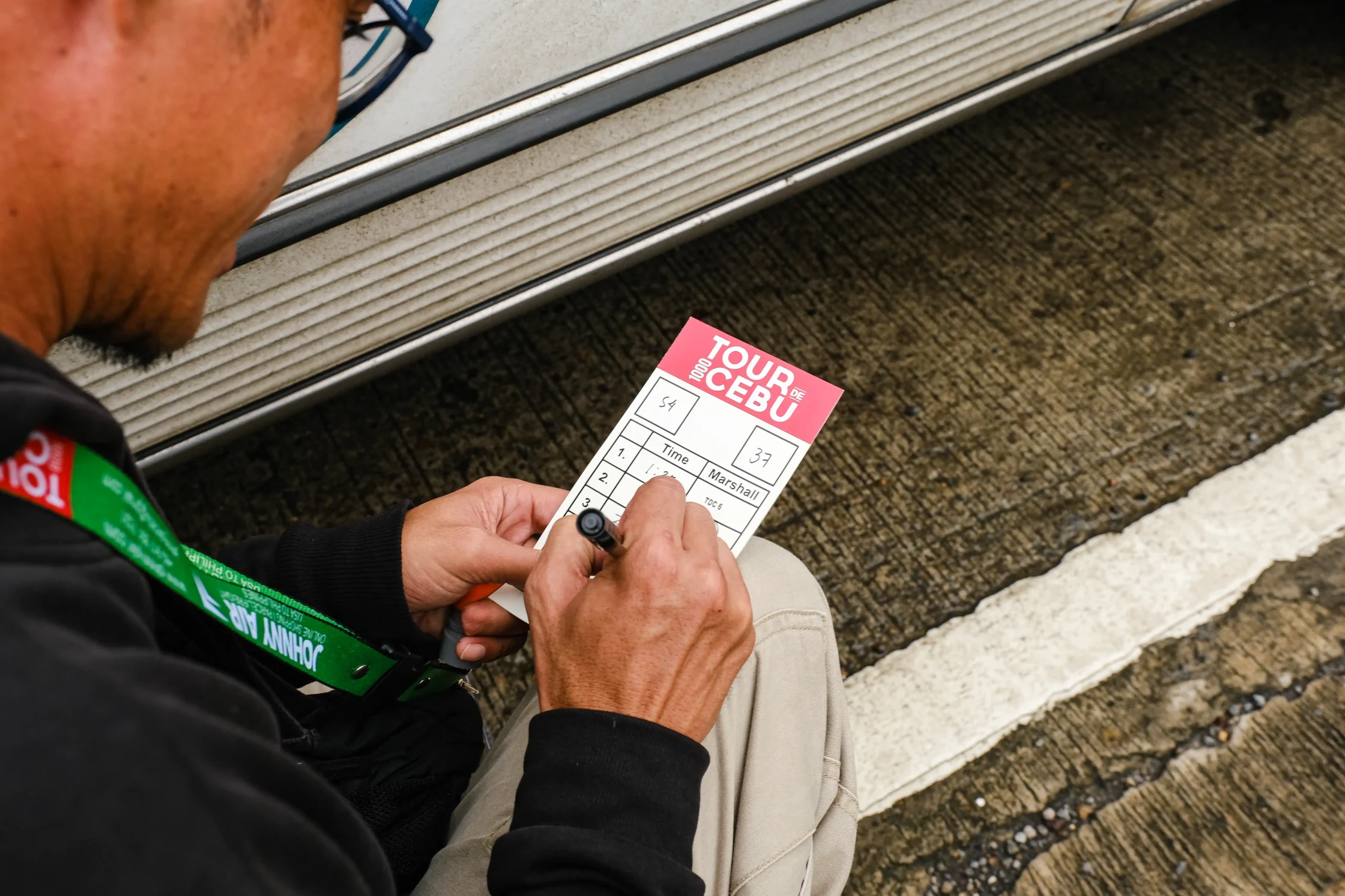
For this edition of TDC, some 40 vintage cars, over the course of three days and five stages, logged almost 1,000 kilometers. The TDC is not a race in the traditional sense. Rather, it involves getting from one checkpoint to the next “just in time,” adhering to the route map or “road book” that is a closely guarded secret – turned over to the drivers and their navigators just a few seconds before they are flagged off. Also given at the start are the timecards which the navigator will then have “punched” at checkpoints scattered throughout the stages.
Already a spectacle on its own, the gathering of this many classic cars is a feat and a reason to celebrate. They come from all over the Philippines, including Metro Manila and Metro Cebu. There are European brands, Japanese rarities, and American muscle and, inevitably, great pride in the owners/drivers. The cars defy age time and again, seemingly renewing their vow with the road – unshakable and perfect.
“I’ve been joining the series for seven years now,” Marcelino Ugarte told Robb Report before the start of the first stage. He entered his 1983 Mercedes-Benz 280 SL and again conscripted his son Diego as his navigator – their second year together in the series. “I have a lot of friends that are doing the Tour de Cebu, and they convinced me to join.” The TDC veteran bought his Mercedes four years ago off the internet; prior to that he was a navigator for a friend.
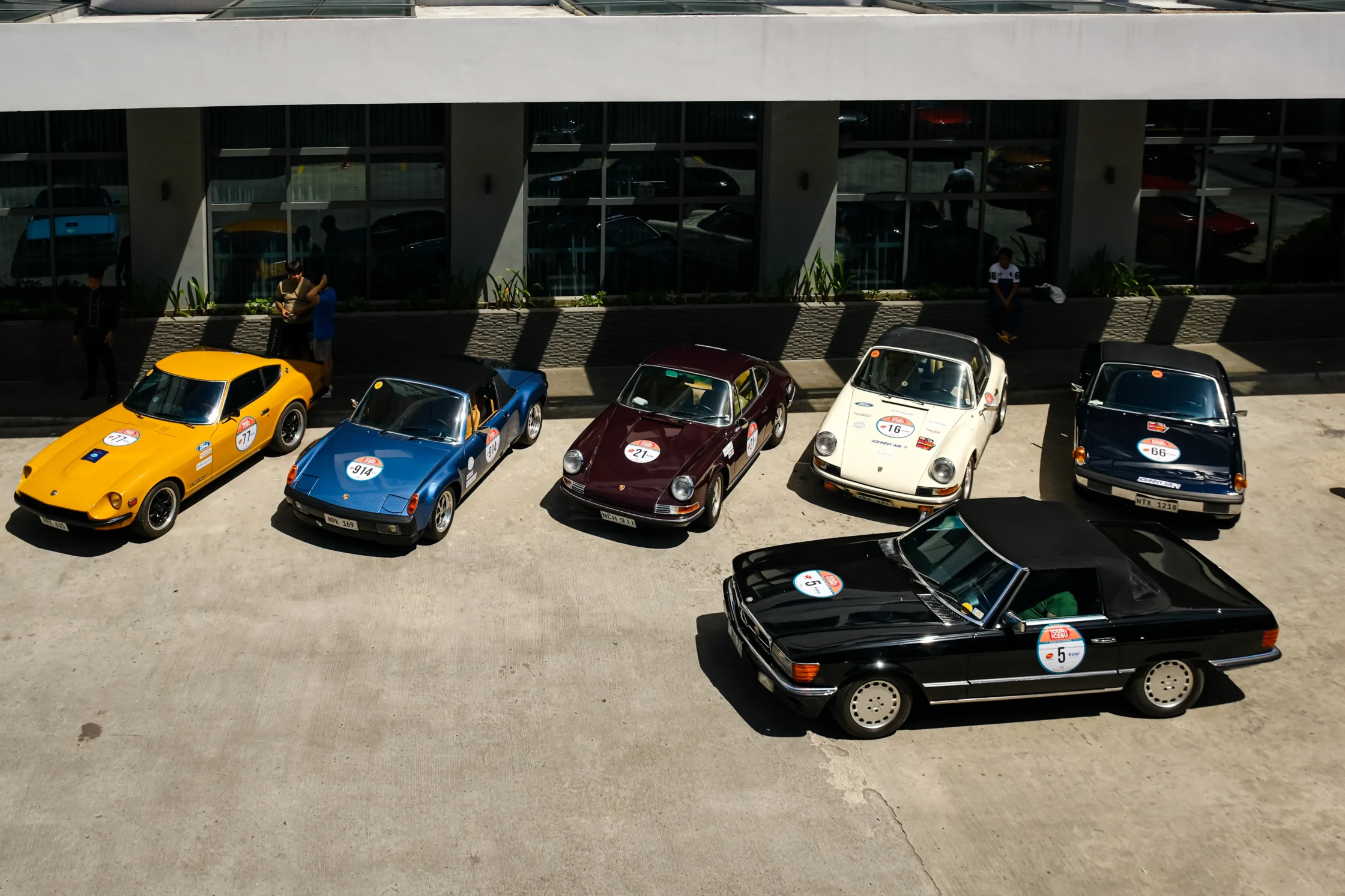
He maintained that it’s a lot of fun, and is “extremely well-organized and managed,” so much so that it feels less like a competition than just an incredible event to be part of. Ugarte shared, though, that behind the scenes is a lot of work. “These cars are more than 40 years old. A thousand kilometers is no joke for these older cars. It takes a lot of effort and spending to keep them running, and it’s still no guarantee that you’re going to finish the rally,” he cautioned.
The more closely the competitors adhere to the “perfect time,” the better the chances of winning the rally. A stage is defined as the section of the rally between the start and finish lines. This is crucial because competitors can get penalty points when, say, a car reaches the checkpoint before or after the prescribed time. It’s obvious, of course, that the Tour de Cebu is not about pure speed; it’s about the details. The navigator has a crucial task in letting the driver know not just where to go but the target average speed.
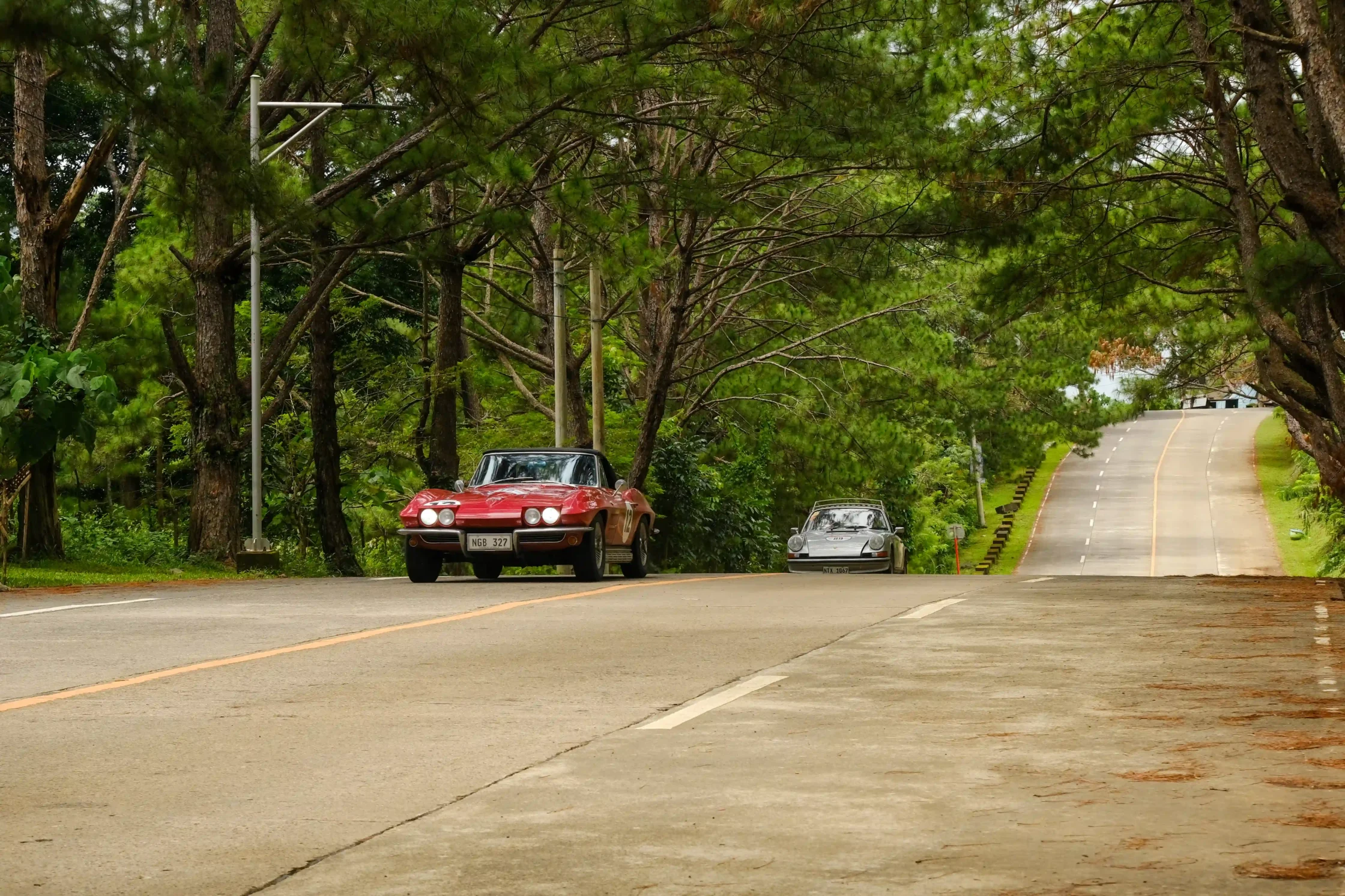
Six classifications group cars by age or type: Roberto Aboitiz Class (1966 and older), Pace Chairman (1967 to 1972), Sportsman (1973 to 1978), Historic Tribute (replicas and reproductions), Clubman (up to 1978), and Modern Classic (1979 to 1988).
The rally commenced at the Northhill Gateway property of Megaworld, where an overcast sky soon rained on the proceedings. Undaunted, the participants soldiered on – focused on nothing but the red digital timer at the inflatable arch, waiting for the signal to drive off. The second- and third-day flag-offs were held at the Citadines Bacolod.
Shortly after seeing the cars off for Stage 3, Marave said, “There are a lot of winding roads and elevation changes for this stage. This will be especially difficult for older cars which have less power. The car and driver will be tested. You need a lot of driver skill to navigate the mountains.”
Meanwhile, he insisted that for TDC, the navigator is king. “The navigator is the boss. He or she tells the driver where to go, how fast to go, because this is a time-speed-distance challenge,” continued Marave. It’s not an outright speed race. In fact, a participant will need to adhere to a certain average speed between certain checkpoints indicated in the road book.
Marave revealed that a lot of the drivers in Stage 1 were good, but a lot of the participants got overeager in Stage 2. “They got caught speeding,” Marave said. “You incur bigger penalties if you speed at the checkpoints… If you’re late, the penalty is not as severe. They really have to control the urge to go fast. Yesterday, we had a lot of open roads, and drivers got very enthusiastic and were caught speeding.”
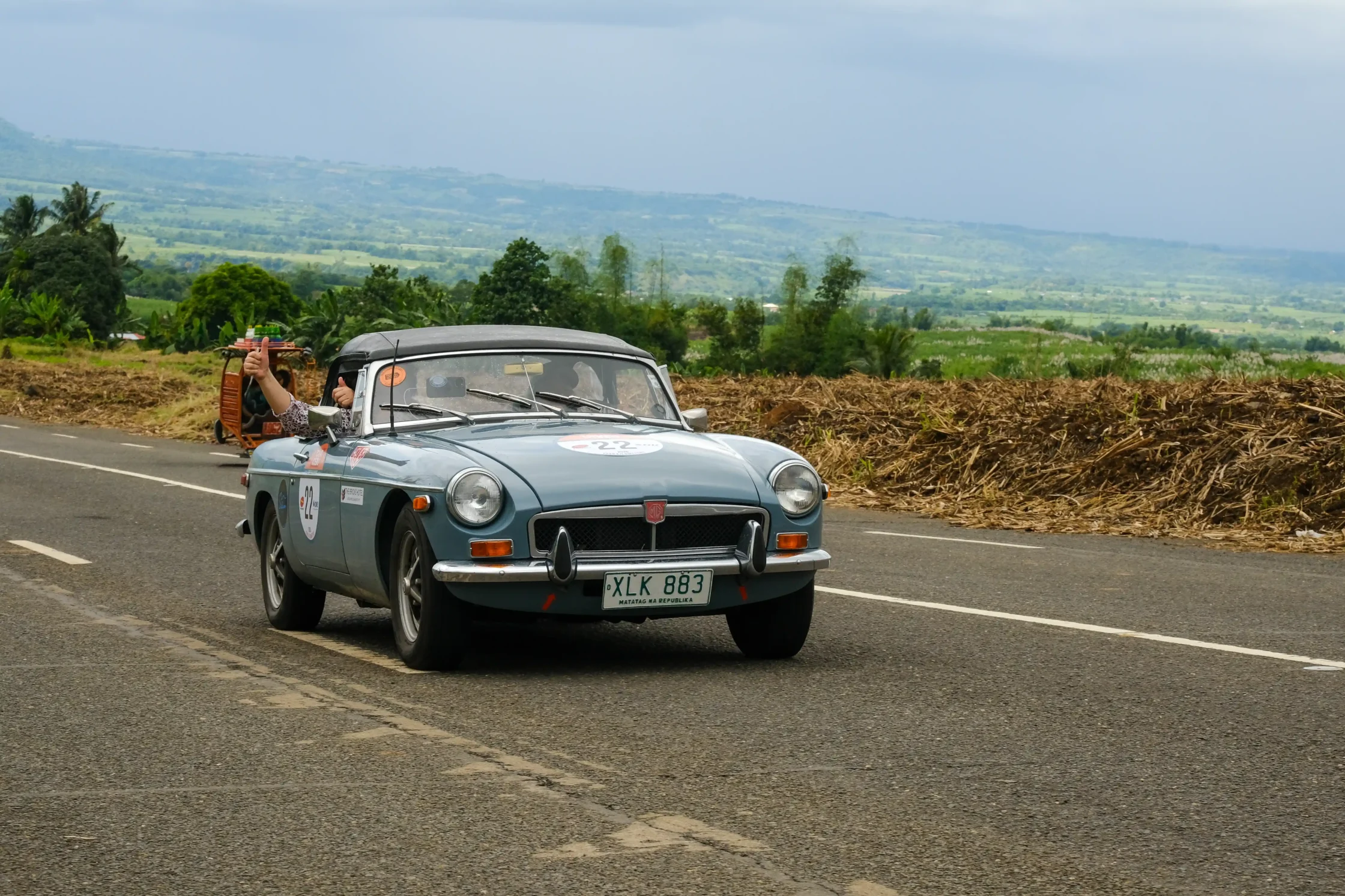
It was TDC’s first time in Bacolod City, and the rally director commented, “The road network here, especially the northern side, is beautiful. Compared to the south in Dumaguete, the roads here are more developed.”
Marave said that the TDC was actually slated to be held just outside of Metro Manila in 2020. “I had already mapped out the route in Northern Luzon. It was good to go but, unfortunately, the pandemic hit us,” he rued.
In 2022, the TDC resumed in Bohol following a halt during the pandemic. It’s up to the organizers whether the series will ever be staged near Metro Manila, but several participants from the Manila Sports Car Club are already regulars. That’s a good sign.
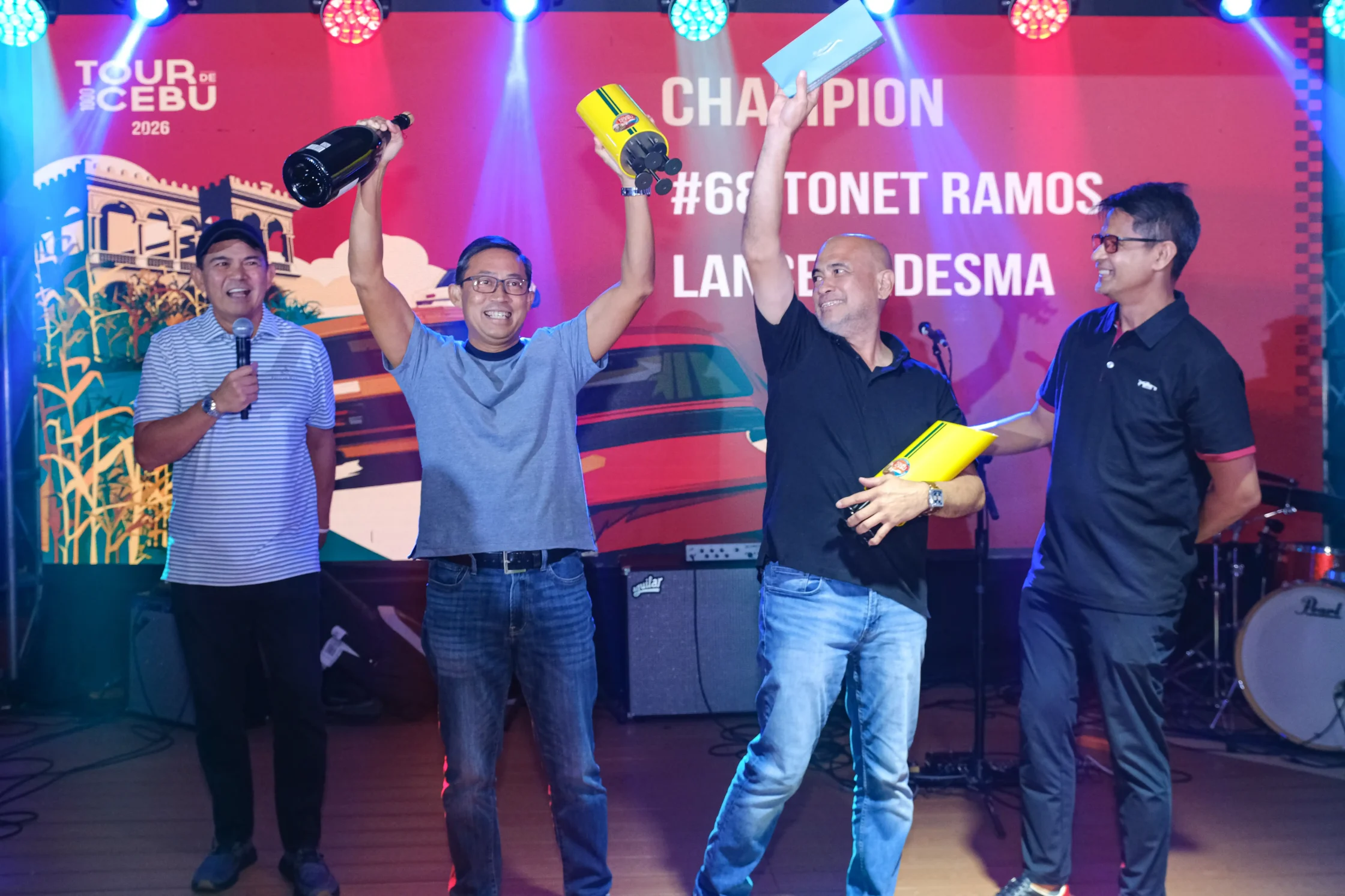
At the close of the 12th TDC, a trio of Porsches dominated the overall results. Leading the pack were Tonet Ramos (driver) and Lance Ledesma (navigator) aboard the 1967 Porsche 912, with the lowest penalty point total of 14. Four points behind was the 1960 Porsche 356B piloted by Jay Aldeguer with navigator Ariana Aldeguer. Making it onto the podium in third were Kenneth Cobonpue (driver) and Andre Cobonpue (navigator) aboard their 1959 Porsche 356A, garnering 20 points. These same three crews won the Roberto Aboitiz Class (cars made before and up to 1966).
The Pace Chairman Class with 16 participating cars was led by the 1971 Datsun 240Z of Cesar Azanza and Maria Elera Azanza as driver and navigator, respectively (37 points); Anthony Ong Oh and Vince Ong Oh aboard their 1973 Porsche 911E Targa (56 points); and Coco Garcia and Inaki Araneta in a 1974 MG (75 points).
Jayjay Neri and Pio Neri in their 1974 Porsche 914 paced the Sportsman Class with 30 points, followed by Marcelino Ugarte and Diego Ugarte with 41 points in a 1983 Mercedes-Benz 280 SL. Finishing third were Franklin Vicoy and Philip Tiu aboard a 1972 Porsche 914 with 53 points.
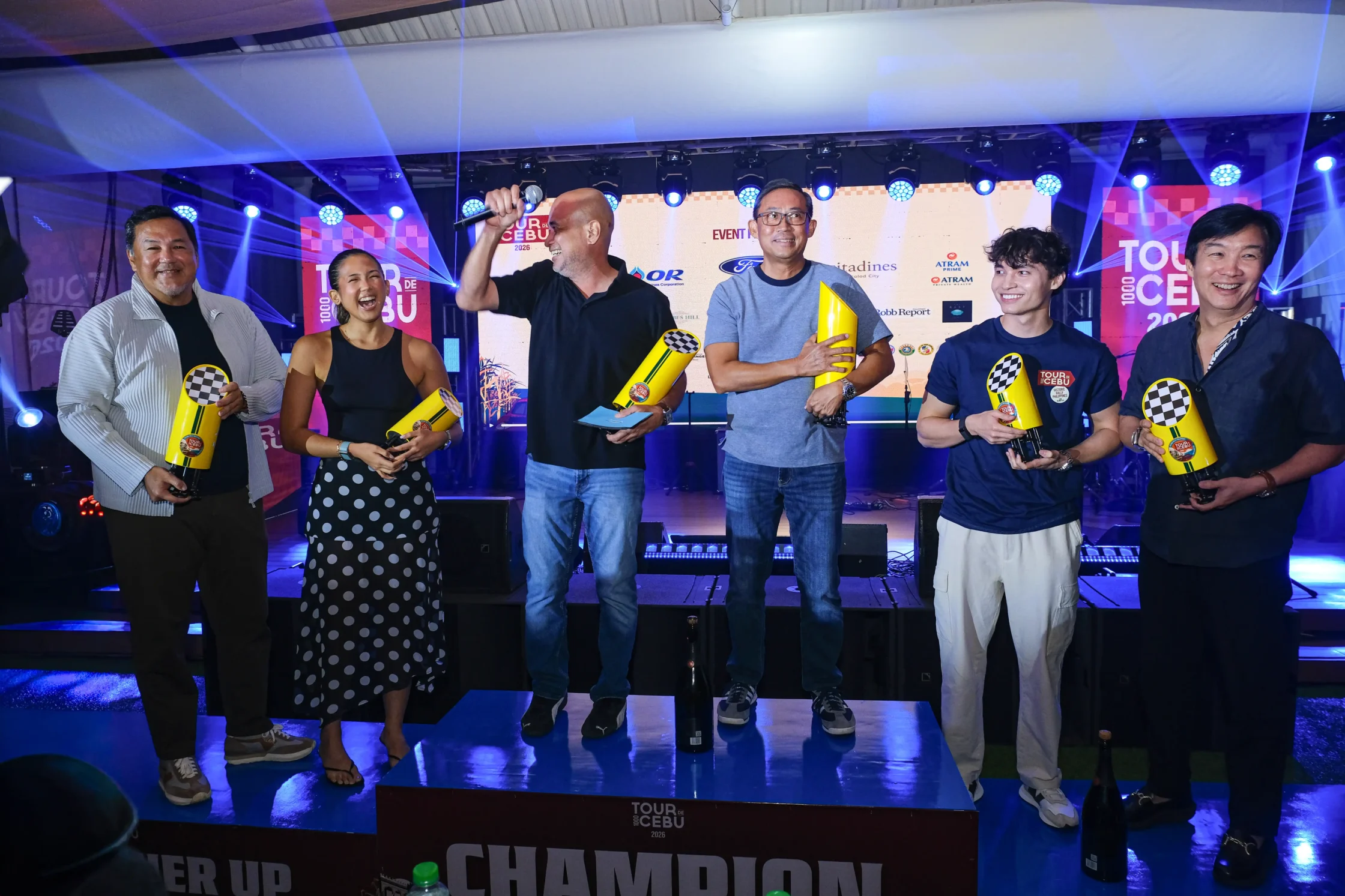
The Clubman Class saw only two entries, a 1972 Volkswagen Karmann Ghia driven by Marcos Escalante with Carl Oliver Rode as navigator (62 points), finishing ahead of a 1971 Toyota Celica piloted by Abraham Zayco with Emmanuel Zayco as navigator (65 points).
Finally, a trio of Mercedes-Benz models led the Modern Classic Class: a 1986 Mercedes-Benz 500 SL driven by Renato Cabati with George Garcia as navigator (90 points), a 1983 Mercedes-Benz 380 SL with Alfred Mandel (driver) and M. Mandel (navigator) accumulating 234 points, and a 1984 Mercedes-Benz 560 SL with Danielle Ramos (driver) and Cara Leonio (navigator) getting 239 points.
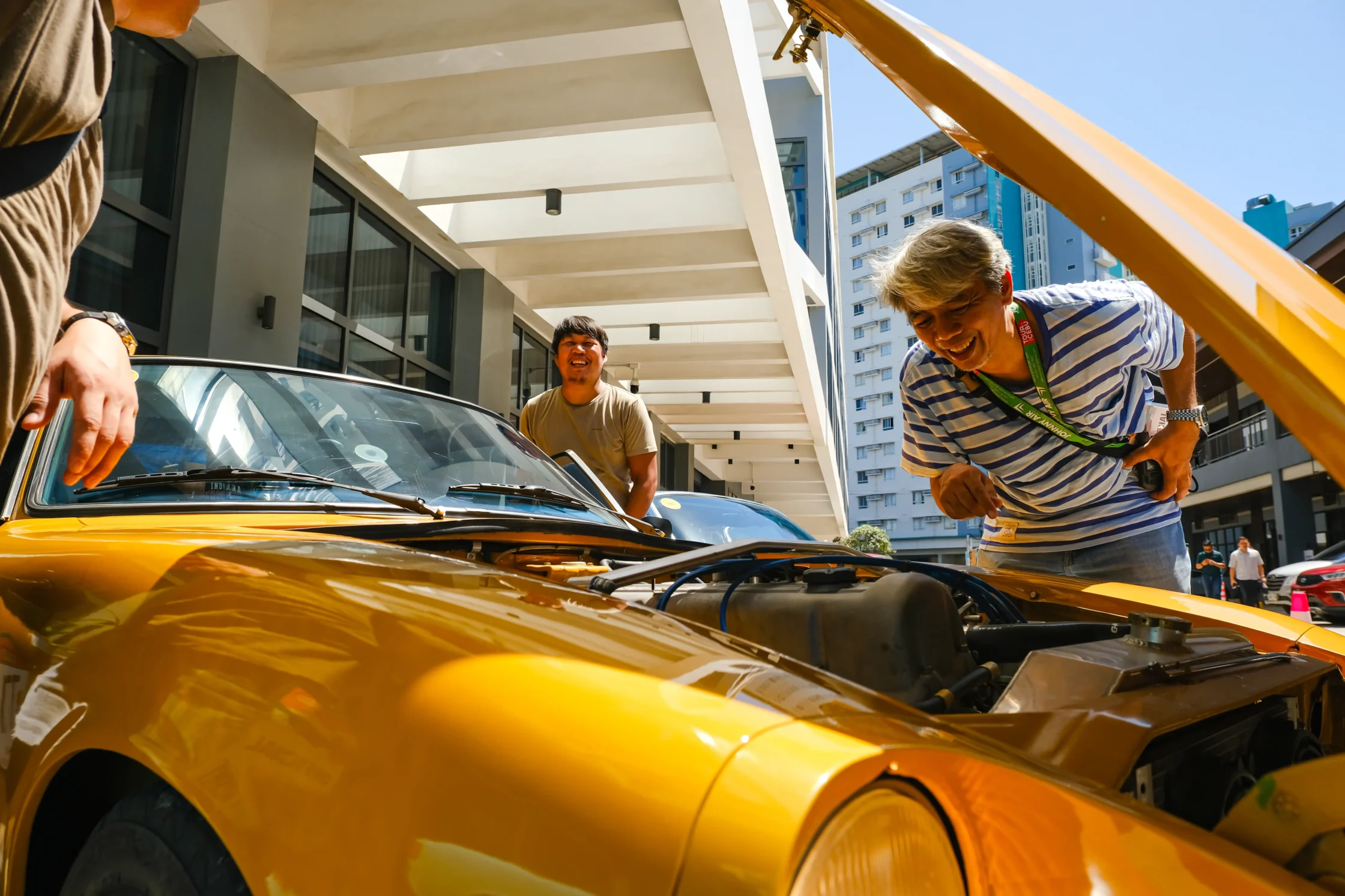
“It’s a great experience to spend time with my son over 1,000 kilometers and countless hours,” Marcelino Ugarte said, before sharing the secret to an even more memorable TDC participation.
“You need a good mechanic,” he said with a smile.
FAQs
Tour de Cebu is a classic-car regularity rally inspired by events such as Italy’s Mille Miglia. Rather than rewarding outright speed, competitors aim to reach checkpoints as close as possible to prescribed times and average speeds.
The 12th edition marked the rally’s first stop in Bacolod City and included routes through Negros, with locations such as The Ruins in Talisay forming part of the event.
Around 40 vintage and classic cars participated, covering nearly 1,000 kilometers across three days and five stages.
Driver Tonet Ramos and navigator Lance Ledesma took the overall victory in a 1967 Porsche 912 with just 14 penalty points. Jay and Ariana Aldeguer finished second in a 1960 Porsche 356B, while Kenneth and Andre Cobonpue placed third in a 1959 Porsche 356A.
Competitors follow a secret road book and must maintain prescribed average speeds between checkpoints. Arriving too early or too late results in penalty points, with speeding generally carrying heavier penalties. The crew with the lowest total score wins.