A Porsche Cayenne That Launches at Over 1100 HP?




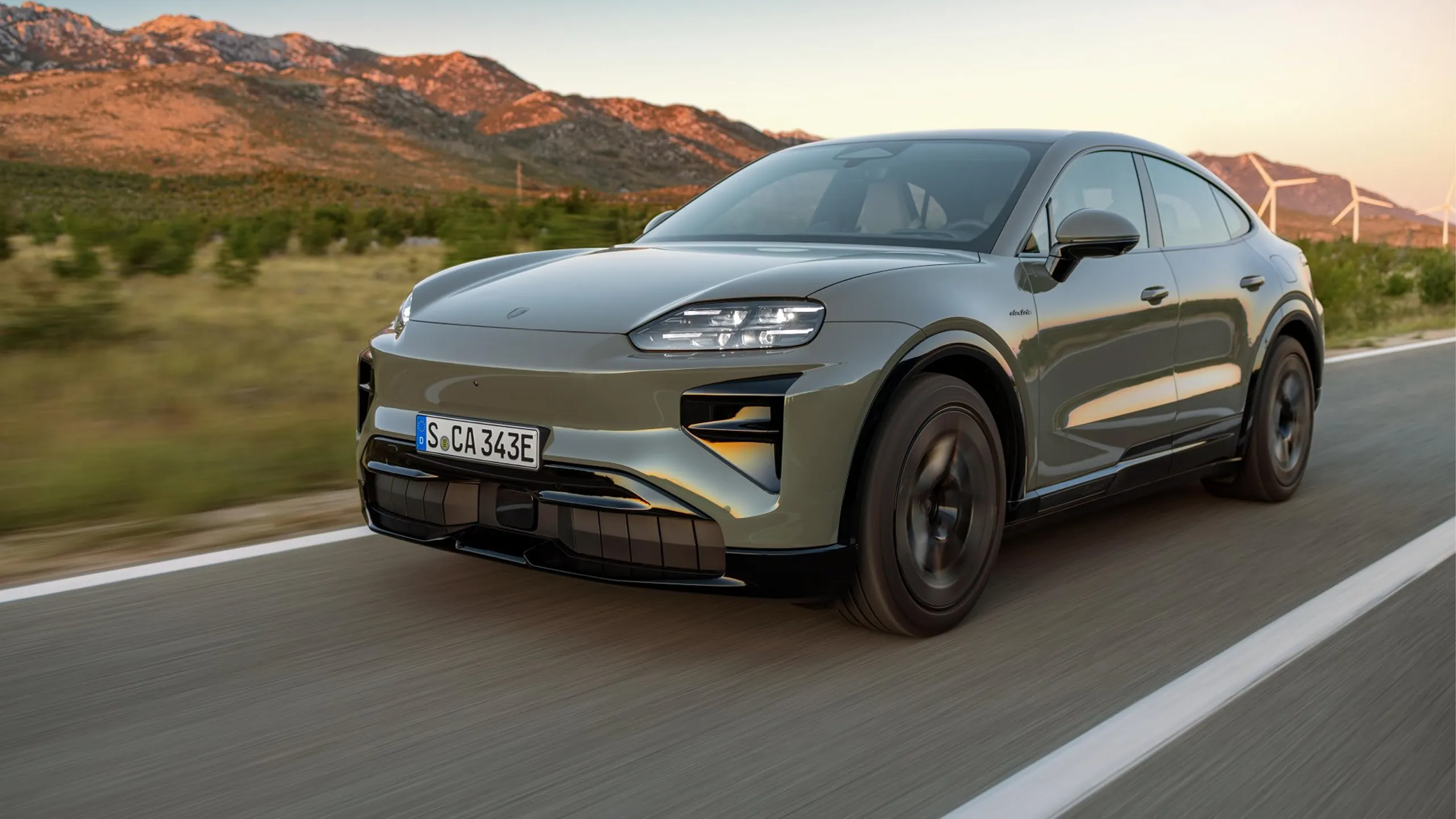
Getting a chance to run the new Porsche Cayenne Coupe Electric was, of course, a welcome invitation for us. Especially since it came just after we had run the new Porsche 911 Turbo S. These two cars are surprisingly similar in some ways when you look at the numbers, but very different in feel, which of course makes complete sense given that one is an SUV and the other is a 911.
The similarity comes from the fact that the new Porsche Cayenne Coupé Electric, as we tested it, produced over 1,140 horsepower from its full electric powertrain, allowing it to hit 100 kilometers per hour in 2.5 seconds using full overboost maximum power with launch control. This is pretty much the same number you get from the 911 Turbo S. But just as the Turbo S has broadened its range, stretching the boundaries of the comfort and dynamism it now provides, so has the new Cayenne.
What this tells us is that Porsche is pushing higher performance across all of its model lines, while making sure buyers of these top-tier cars aren’t shortchanged on comfort. The questions we get asked more often than anything else for those that have 911 Turbo S variants in their garage are usually about comfort and refinement. They have cars like the Speedster and the GT3 RS for rawness.
This is the first fully electric Cayenne. The model family that shaped the SUV segment and that Porsche calls its most versatile sports car. It’s available in the traditional SUV format, with the expected higher rear roofline, and as a coupé. The coupe now has a completely different silhouette starting from the beltline up, as opposed to the past, when the difference was only visible toward the rear. As a result, the coupe reads as clearly sportier, in vision and, once again, in how it handles.
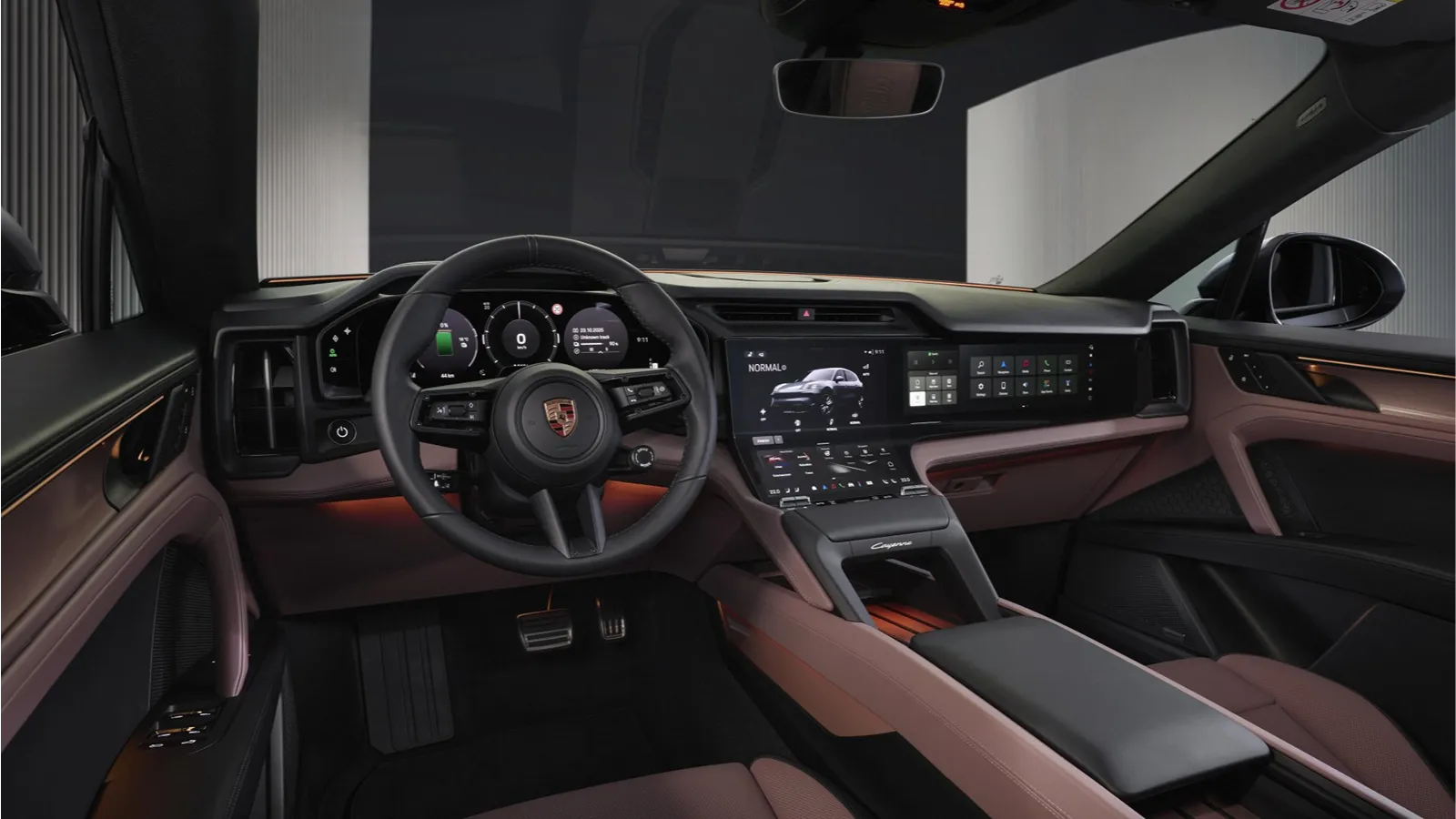
The new Cayenne Electric lineup comes in three powertrain models that follow the usual Porsche nomenclature. Cayenne Electric, Cayenne S Electric, and Cayenne Turbo Electric, and two body styles, SUV (which just goes unnamed as Cayenne) or Coupé (as Cayenne Coupé). The Turbo variants naturally get the most power, but the longest rated range (WLTP Combined) goes to the Coupé S Electric and Electric models, which makes sense. The coupé shapes across the board get a slightly better rated range, which may be explained by the fact that the coupé models also sit about 24 millimeters lower than standard, and, also, well, a coupé. Luggage volume, with or without the seats folded, is naturally lower in the coupés too, but again, that’s only above the beltline.
What I found interesting was how different the S and Turbo Coupé electrics feel from one another especially given that people tend to lump all electrics together. I’d expected more of a gap given one is rated at 1,156 PS and the other at 666 PS on overboost maximum power and and 857 PS and 544 PS respectively, but the difference was really more about feel than outright numbers. The Turbo Coupe felt more determined and serious, while the S felt lighter and easier to drive, less physical input needed at the wheel. Keep in mind these are both fully electric systems, so everything is tuned precisely and remains highly adjustable by the individual driver.
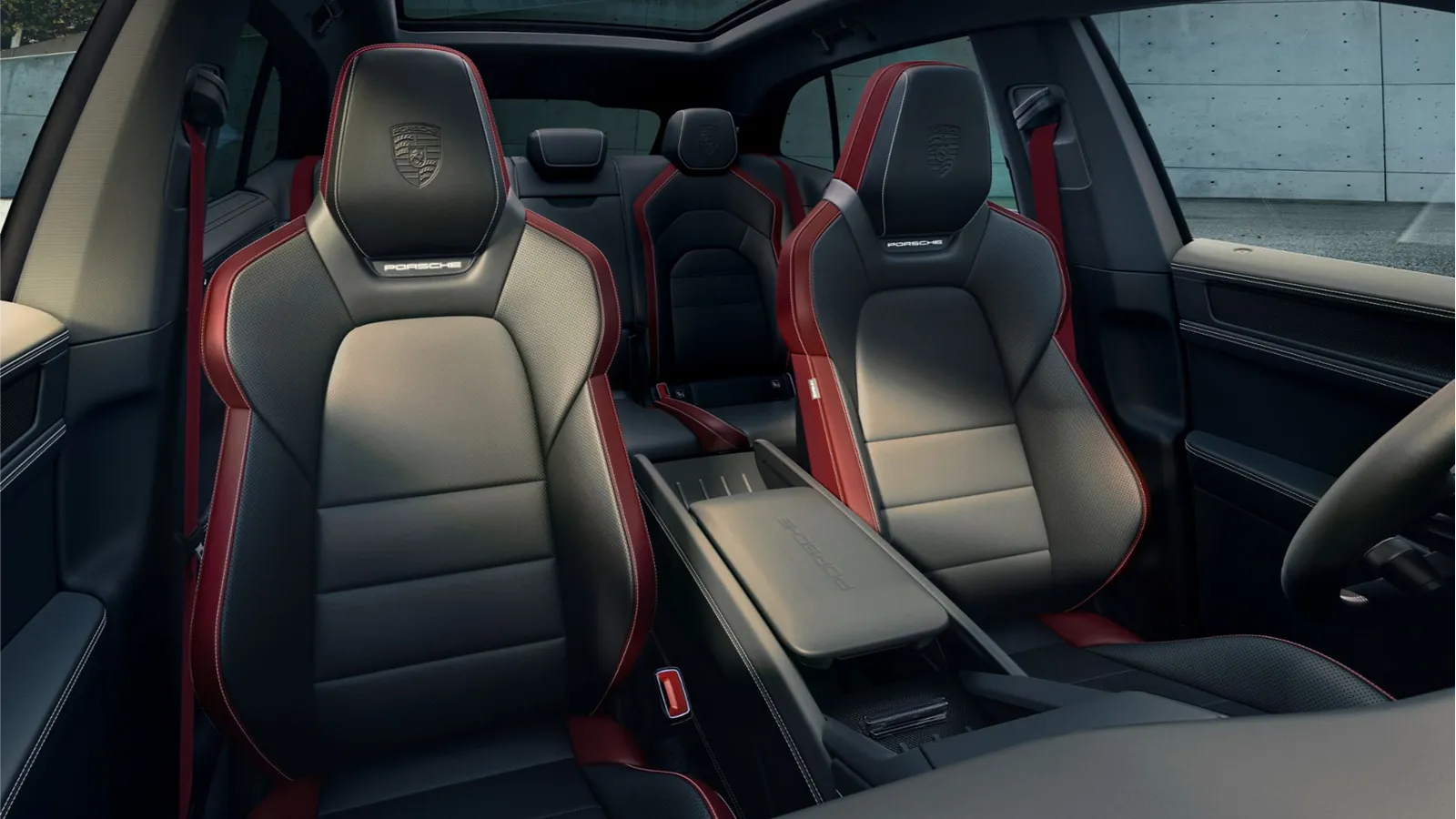
Beyond the powertrain choices, Porsche says there’s an unprecedented level of personalization available on the new Cayenne, more standard exterior colors, more interior combinations, more wheel designs, and more interior and accent packages than ever before. You can also go further through the Porsche Exclusive Manufaktur and Sonderwunsch programs if you want a true one-of-a-kind car.
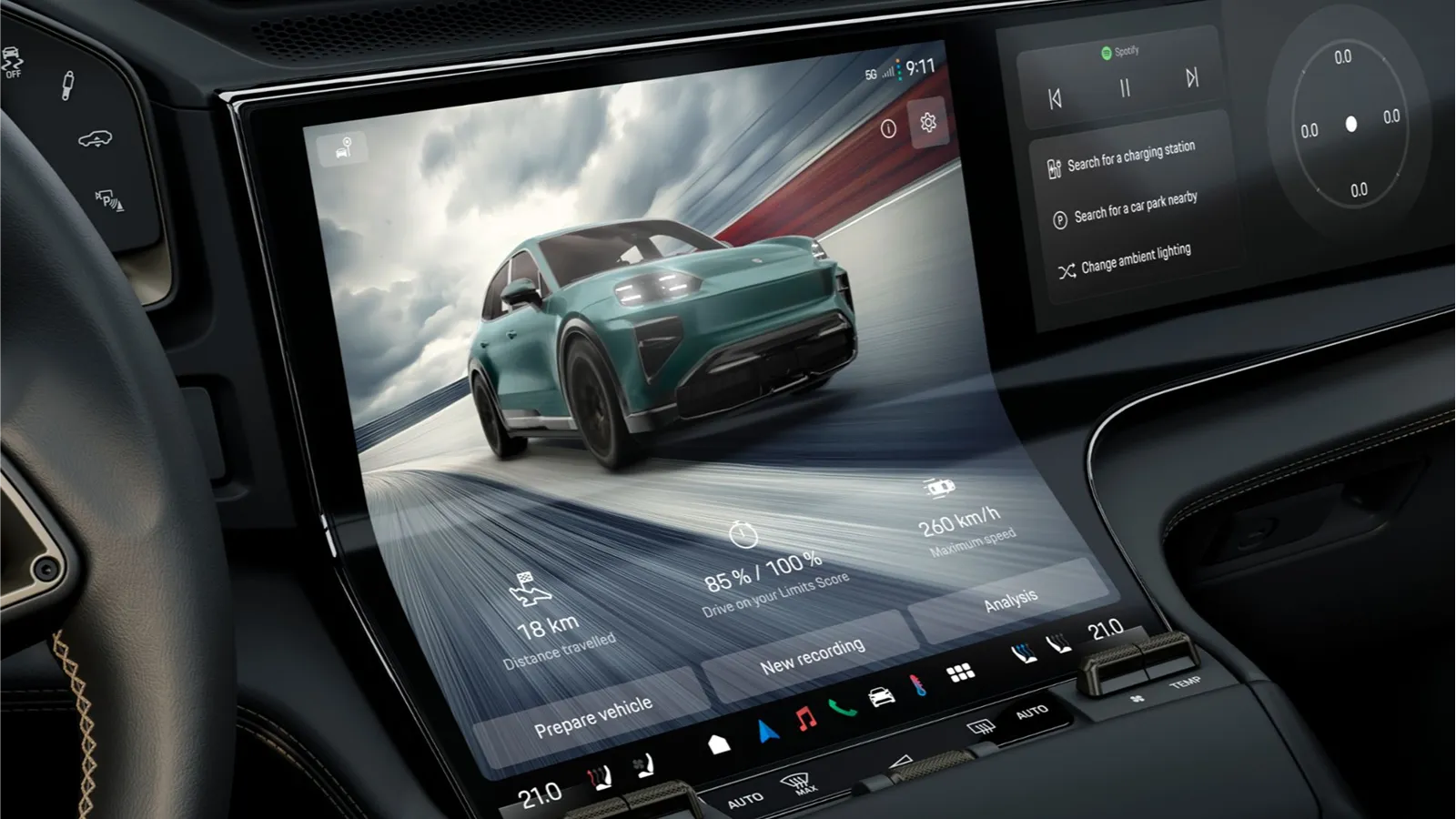
Among all these choices, the suspension options stand out. Picture a graph with dynamic properties toward the upper right and comfort-oriented ones toward the lower left. The new Cayenne is already well balanced on its own, coming with their adaptive air suspension and PASM (Porsche Active Suspension Management). Add systems like rear axle steering available on all models or Porsche Active Ride and the PCCB Porsche Ceramic Composite Brakes offered in S Electric and Turbo Electric for even more specialization and breadth of improvement. The comfort parameters can shift out a bit, but the dynamism parameters can increase more drastically. In short, you gain comfort, but you gain even more in stability and dynamism, especially at speed. The car feels softer and more stable overall, yet turns into corners more eagerly at both high and low speeds, while staying flatter and better controlled thanks to improved pitch and roll compensation and body stability.
Which brings us to the real question: which of these do you actually want? The Cayenne already comes with a high level of comfort, dynamism, and, frankly, exclusivity, and all of that only increases as you move to the S or Turbo, or from SUV to Coupé. There’s no question the flagship of the range is the Cayenne Turbo Coupe Electric, but it’s built on the bones of an already stellar base. Porsche’s decision to go fully electric here follows the success of the four-door Taycan, still arguably the best sports sedan in the world regardless of powertrain. Just as with the Taycan, Porsche took the strengths of the electric platform and built around them to create a vehicle that acts like a Porsche, just a different kind of Porsche.
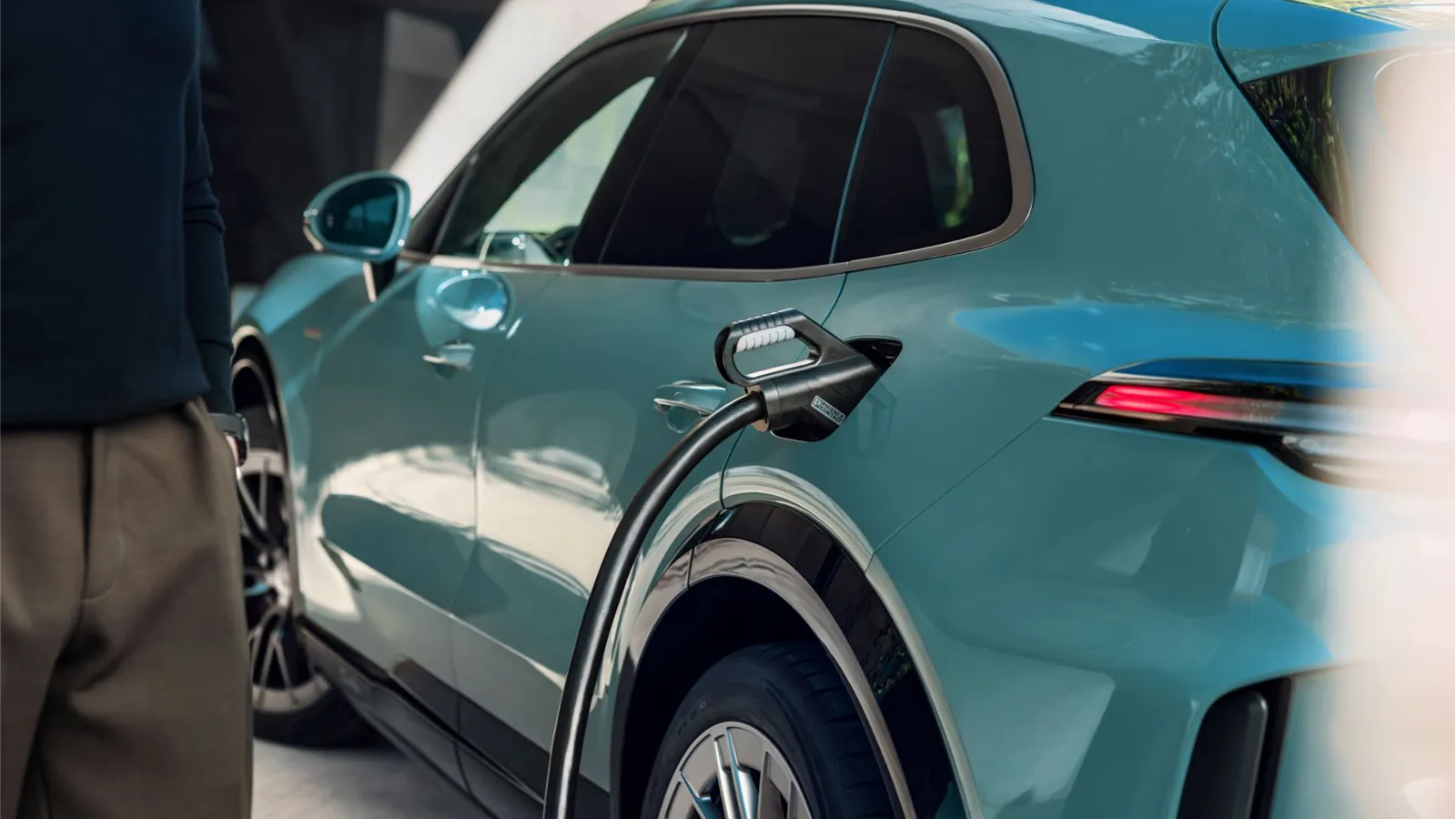
One of the more eye-opening parts of the drive experience was the wireless charging system Porsche demonstrated, which worked surprisingly well. This in real life at home or work would of course depend on your electrical setup. It would replace a plug-in home charger, and rolling onto the charging pad felt like matching gates in a video game. Power flowed within five seconds and ramped up to 11 kilowatts almost immediately. The car itself can likely handle more than most home systems can deliver, but the point is that it’s seamless. You’ll forget you’re even charging.
If there’s one thing Porsche does better than almost anyone, it’s understanding its enthusiasts, collectors, and buyers. As those groups grow increasingly niche, the Cayenne, and especially the Cayenne Turbo Coupe Electric, shows Porsche aiming precisely at what each of those niches wants. And yes, over 1,100 horsepower on overboost with launch control will pull you off the line harder than a lot of supercars.
More information here.
FAQs
The Porsche Cayenne Turbo Electric produces up to 1,156 PS, or roughly 1,140 horsepower, with overboost and launch control engaged.
The Porsche Cayenne Turbo Electric can accelerate from 0 to 100 km/h in 2.5 seconds when using maximum overboost power and launch control.
The Cayenne Turbo Electric feels more forceful and performance-focused, while the Cayenne S Electric feels lighter and easier to drive. Both offer adaptive suspension, extensive personalization, and a balance of comfort and handling.