A Peek at the Craftsmanship of the Bulgari Hotel in Rome




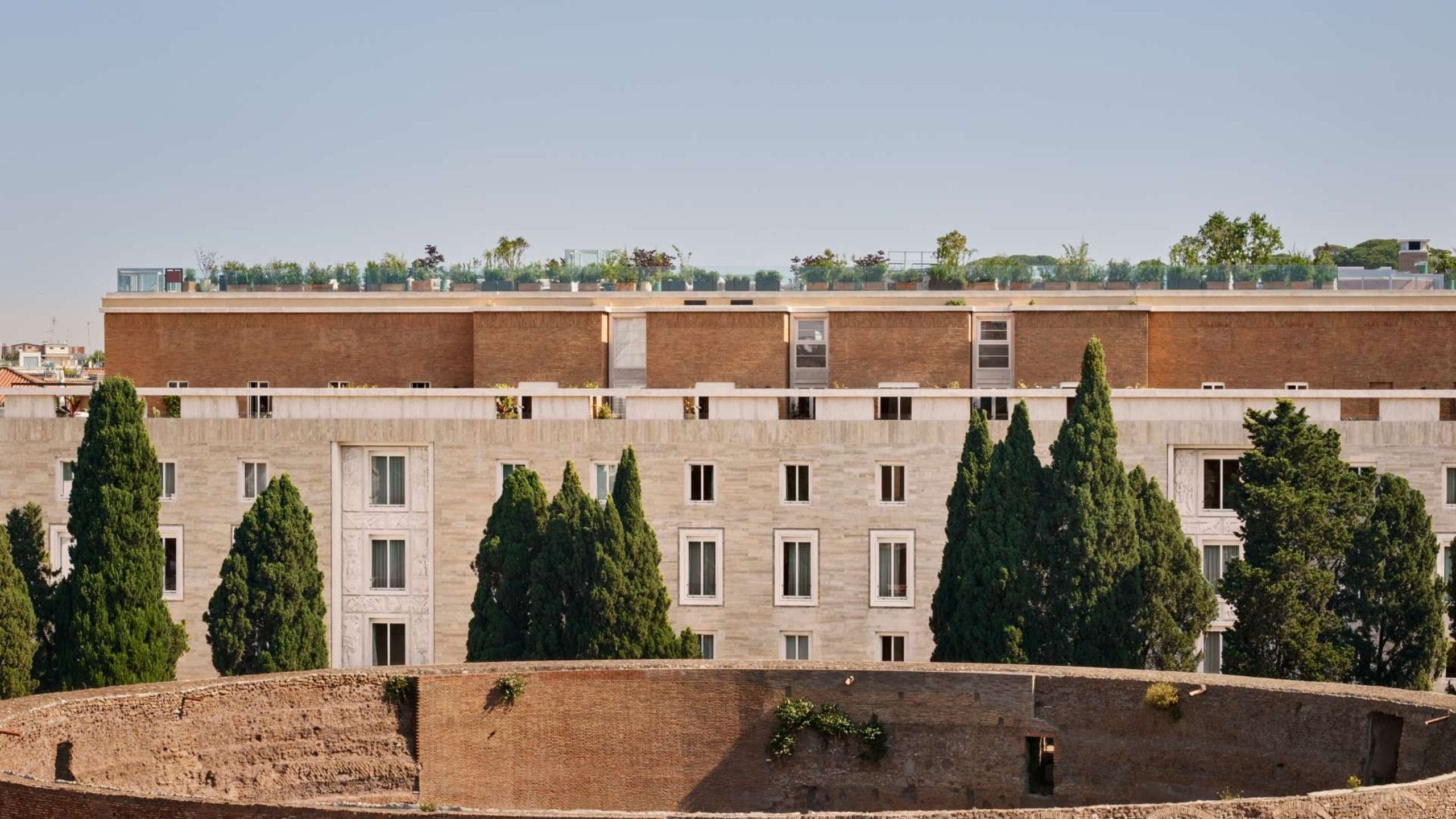
Nestled in the heart of Rome, the Bulgari Hotel Roma is a testament to the unparalleled craftsmanship and timeless elegance that define Italy’s rich and storied past. It is housed in a historic building, designed by architect Vittorio Ballio Morpurgo and built between 1936 and 1938. Its historic architecture has been transformed into a luxurious haven, reflecting the expertise and artistry of Italian masons—brought to life by the bold vision of ACPV Architects Antonio Citterio Patricia Viel.
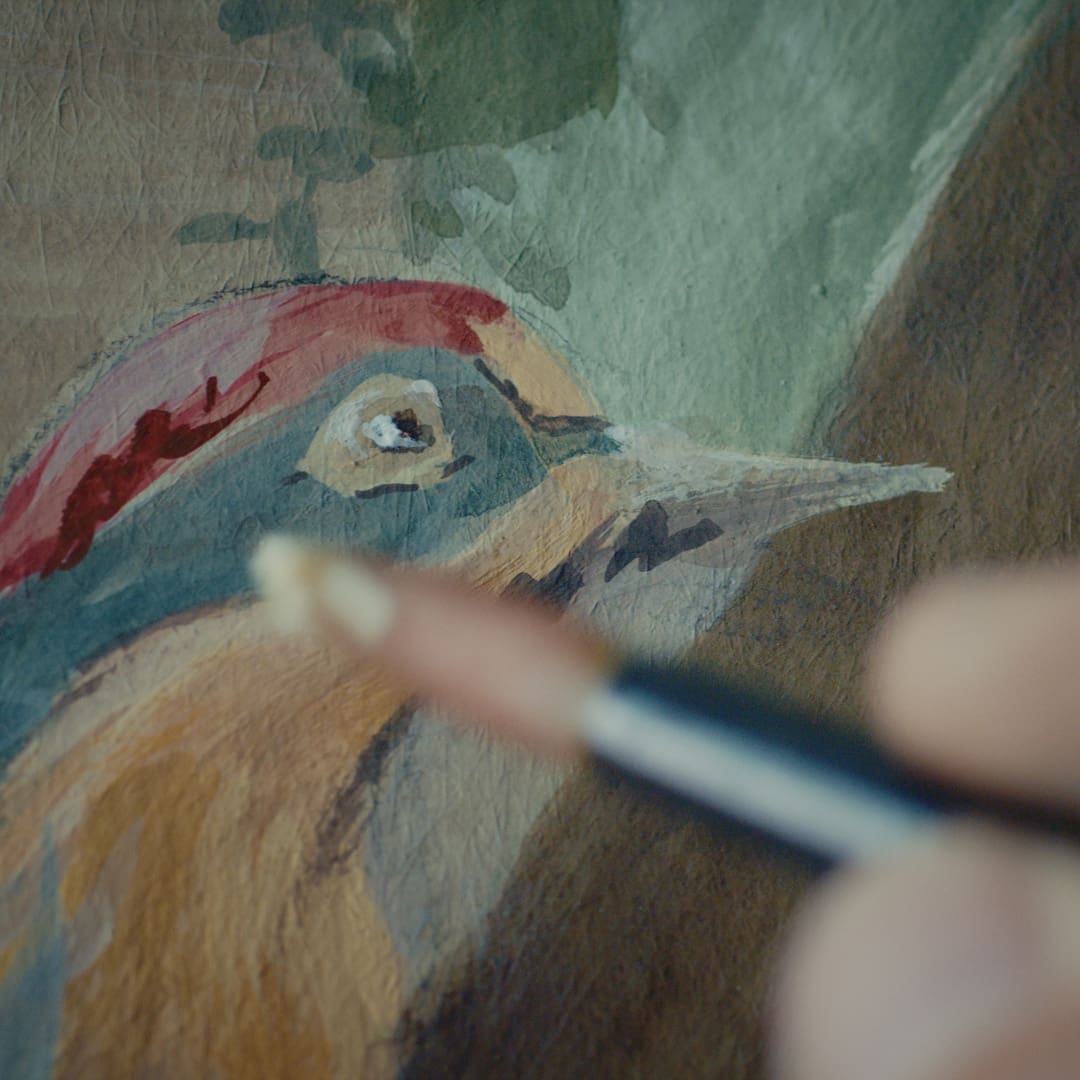
From the intricate textiles to the stunning glasswork and mosaic pieces, every element of the hotel combines traditional craftsmanship with innovative techniques, creating a space where guests can fully immerse themselves in the best of Italian artistry and timeless traditions, all while enjoying world-class luxuryLuxuryA lifestyle defined by exceptional quality, craftsmanship, exclusivity, and sophistication, encompassing the finest products, services, and experiences that represent the highest standards of refinement and excellence.Go to Luxury Glossary.
Mosaic making: an ancient Roman art
One of the most iconic Italian crafts featured in the Bulgari Hotel Roma is a collection of 60 bespoke mosaic roundels which adorn the bathroom walls in several of the rooms. Mosaic making, an ancient Roman art form known as opus tessellatum, plays a significant role in the hotel’s interior design. This traditional craftsmanship, deeply rooted in Italy’s cultural heritage, involves creating intricate images or patterns using small, colored pieces of stone, glass, or ceramic.
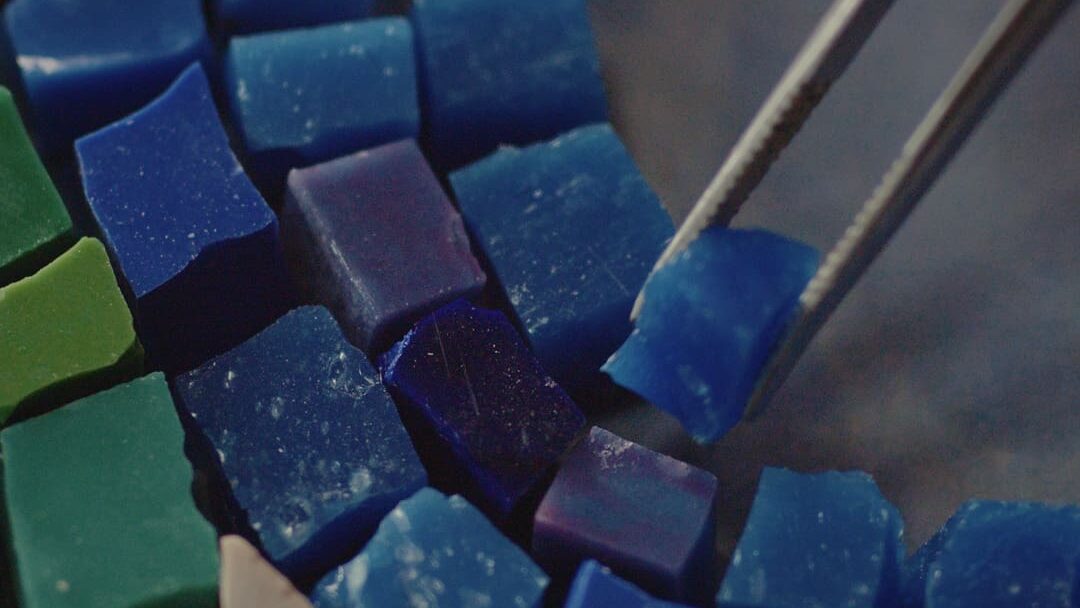
Friul Mosaic, the artisan workshop in San Martino al Tagliamento, crafted exceptional mosaic artworks, featuring Bulgari jewels from the mason’s archives. In addition to using colored stones to create these masterpieces, the artisans also utilized the same marble from the bathrooms to produce tesserae for some of the design details.
Elevating spaces with Italian flooring techniques
Another famed craft integrated into the terraces of the hotel is a flooring technique called opus spicatum. This technique is reminiscent of fish scales and utilizes hand-made clay bricks produced by Sugaroni on Lake Bolsena, a kiln company founded in 1685.
The company is the official supplier of the Archaeology, Fine Arts, and Landscape Authority of the City of Rome and is in charge of some of the restoration works in Roman monuments. As a result, they use the same clay mines that were exploited in antiquity. The choice of clay has ensured that the floors are in complete tonal harmony with the Roman rooftops and the bricks used in mausoleum.
Additionally, the Bulgari Hotel Roma features Venetian terrazzo floors in some of the areas of the hotel. This flooring technique is a combination of marble fragments bound together with cement, which creates a striking effect and stunning patterns, enhanced by the natural colors of the marble.
Vicenza-based firm Cancian created the terrazzo flooring for the hotel, using hand-cut chips of black Aquitaine marble to enrich the pattern and design.
In the corridors leading to the bar and restaurant, wood panels and curved barrel vaulting enhance the interiors. These are not ordinary panels; they feature an inlay of Italian walnut with a shellac finish, creating a texture reminiscent of fabric with its warp and weft. This technique, which dates back to medieval times, was further refined during the Renaissance period and eventually became a true form of figurative art.
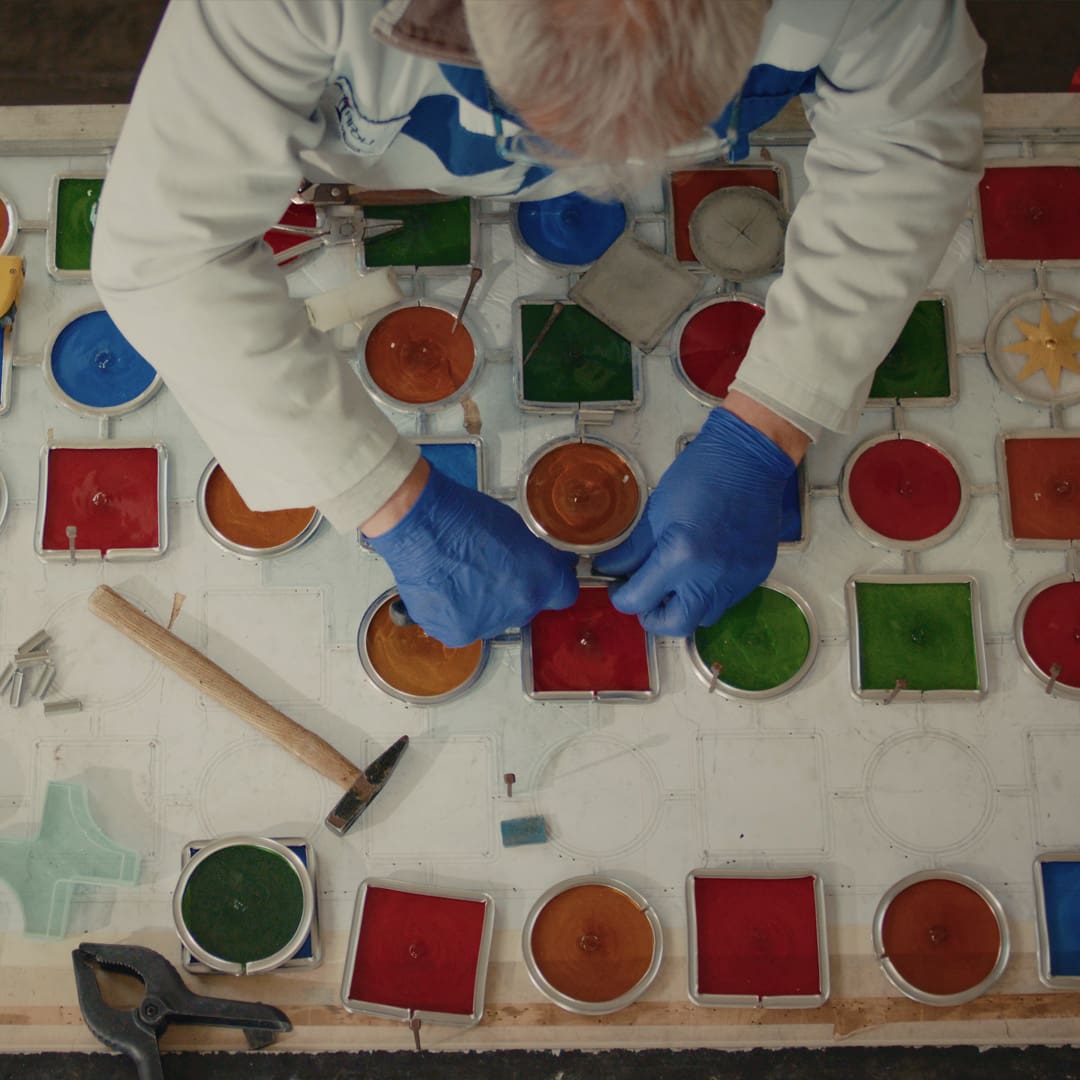
The use of glass is another defining feature of the hotel’s interiors. Barovier & Toso, a prestigious glassmaking company with a history dating back to 1295, created stunning Murano chandeliers, which are showcased in the hotel’s most prominent spaces.
Additionally, the windows in the Bulgari Spa are crafted using the Venetian crown glass technique. This artisanal method involves using circular glass pieces, or “crowns,” approximately 10 cm in diameter, which are joined together with lead to form a complete window. For the hotel, square crowns were chosen to mimic the design of the Pantheon’s floors, some of which feature the iconic eight-pointed Bulgari star, delicately applied in gold leaf.
On the hotel’s façade, the lost wax technique was used to create the bronze openings of the fountain. Traditionally employed in the creation of bronze statues, this method involves making a mold from clay and wax, which is then filled with melted bronze. For Bulgari Hotel Roma, this technique was modernized with the use of a 3D printer to create the molds for both the bronze fountain openings and the pool at the Bulgari Spa.
By incorporating each of these ancient techniques, the hotel not only showcases the timeless beauty of Roman art but also highlights Italy’s unparalleled legacy of craftsmanship, celebrating the skill and precision that have defined the country’s artistry for centuries.
The design of Bulgari Hotel Roma is extensively covered in the documentary, “An Emperor’s Jewel.”
Photographs courtesy of Bulgari Hotels