What Makes an Artwork Valuable? Three Specialists Explain




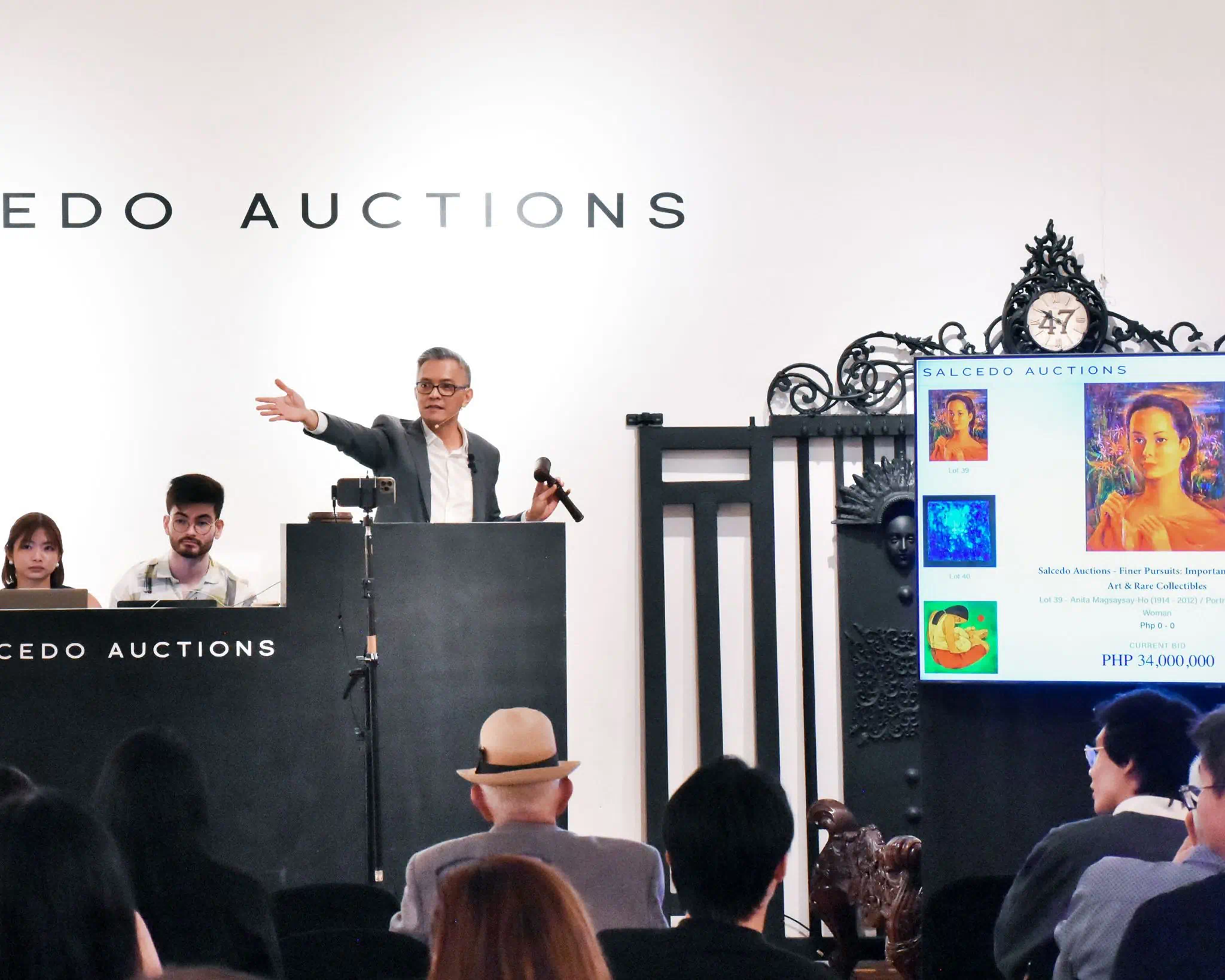
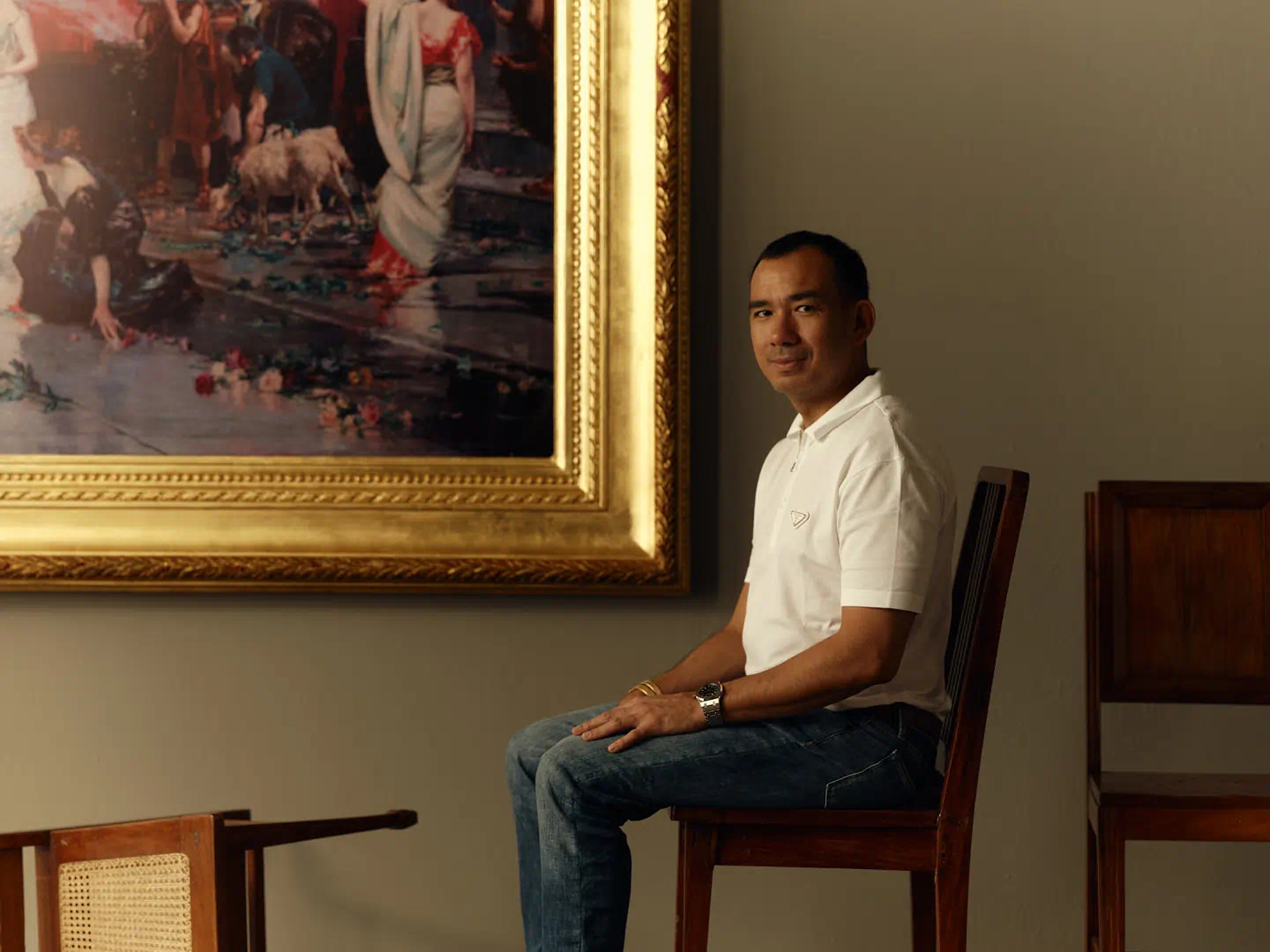
Understanding what makes an artwork valuable requires more than checking an artist’s name or an auction database. It begins with an intimate encounter with the object. For Boris Cornelissen, head of sale for contemporary art at Sotheby’s Asia, the process has become both faster and more complex. At Leon Gallery, director Jaime Ponce de Leon approaches valuation through years of experience in the Philippine secondary market. At Salcedo Auctions, chairman and chief specialist Ramon “Richie” Lerma brings a background in art history, curatorial practice, and collection management.
The Art of Looking
For Lerma, connoisseurship starts with the artwork. When he receives a work for evaluation, he deliberately sets aside supporting documentation. “Connoisseurship always begins with careful observation,” he says. He studies the work’s visual qualities, materials, execution, and overall presence, allowing the object itself to suggest the direction of subsequent research.
Ponce de Leon approaches the initial stage by examining the artwork while simultaneously gathering its history. “When someone comes to us, we take a look at the piece, we ask for the provenanceProvenanceThe documented history of an object's ownership, origin, and authenticity, particularly important for classic cars, watches, art, and wine. Strong provenance can dramatically raise an item's value, and collectors andGo to Provenance Glossary of the piece, we ask all the information relating to the piece,” he explains.
For Cornelissen, the physical encounter is fundamental, even in an age when enormous amounts of information can be accessed remotely. “There is no substitute for seeing a work in person and assessing its condition, quality and presence firsthand,” he says.
Appraisal remains a physical discipline, even as the research surrounding it becomes increasingly digital.
What Makes an Artwork Valuable?
“ProvenanceProvenanceThe documented history of an object's ownership, origin, and authenticity, particularly important for classic cars, watches, art, and wine. Strong provenance can dramatically raise an item's value, and collectors andGo to Provenance Glossary, exhibition history, publication history, rarity, condition, medium, size, and market demand can all contribute to an artwork’s significance and desirability,” Lerma explains.
Ponce de Leon considers historical significance, ownership pedigree, exhibition history, artistic period, and market performance. “We base it on past results, our knowledge of the market,” he says. “We base it on the period when the artwork was created and on certain historical significance of an artwork, the ownership, its pedigree, its exhibition history.”
Cornelissen adds another layer relevant at the very top of the market: rarity and historical importance can distinguish an exceptional work from merely a desirable one. For many important artists, he explains, there is a defining period that transforms their career, or even the course of art history. Works from these pivotal moments can become sought after because they capture the artist at their most innovative and influential. They can also be extraordinarily rare, with many examples already held by museums. “Museum-quality works are distinguished not only by their market value, but by their cultural and art historical importance,” Cornelissen says. “They are the works that best represent an artist’s achievement and are often considered benchmarks within their oeuvre.”
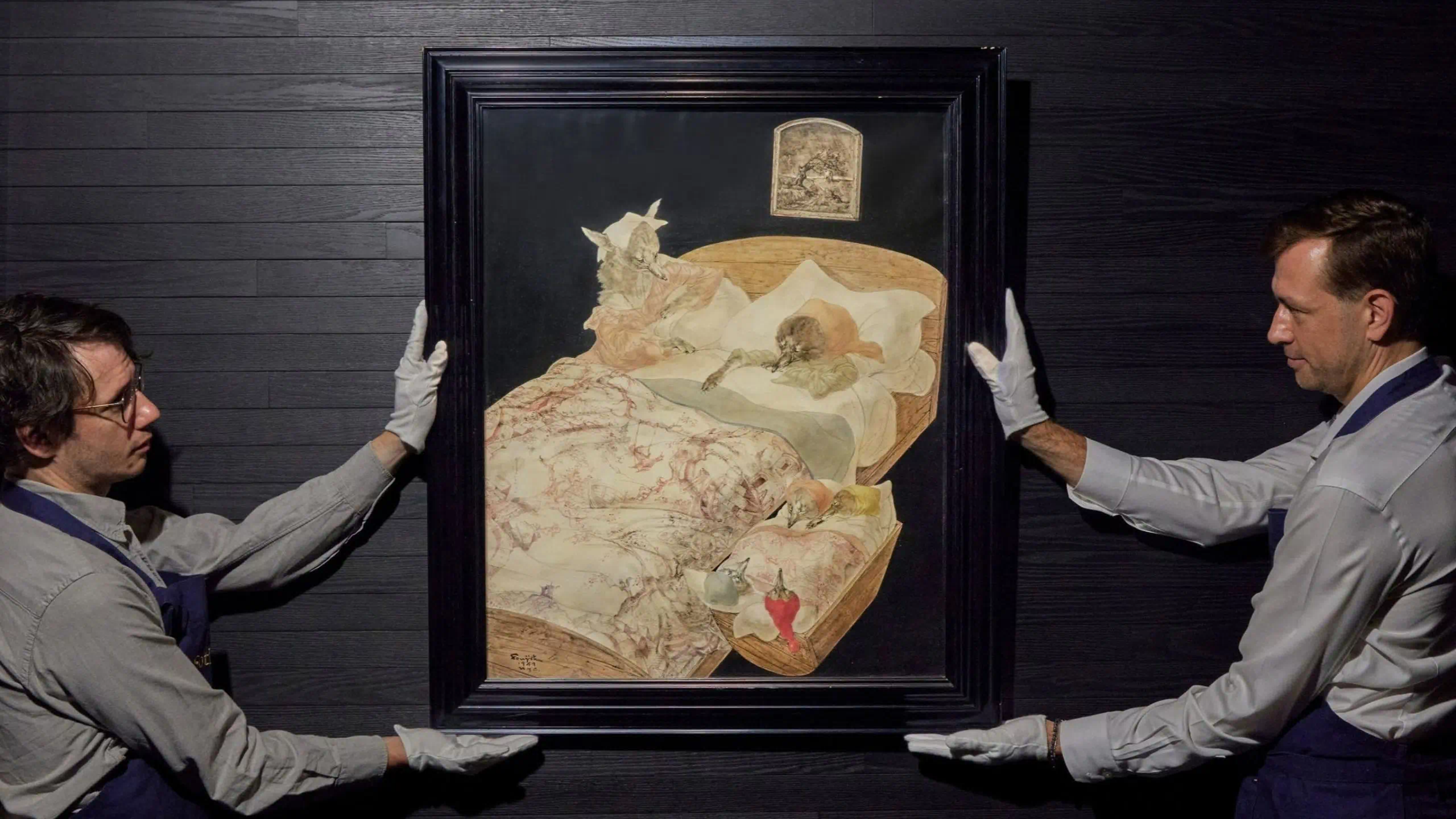
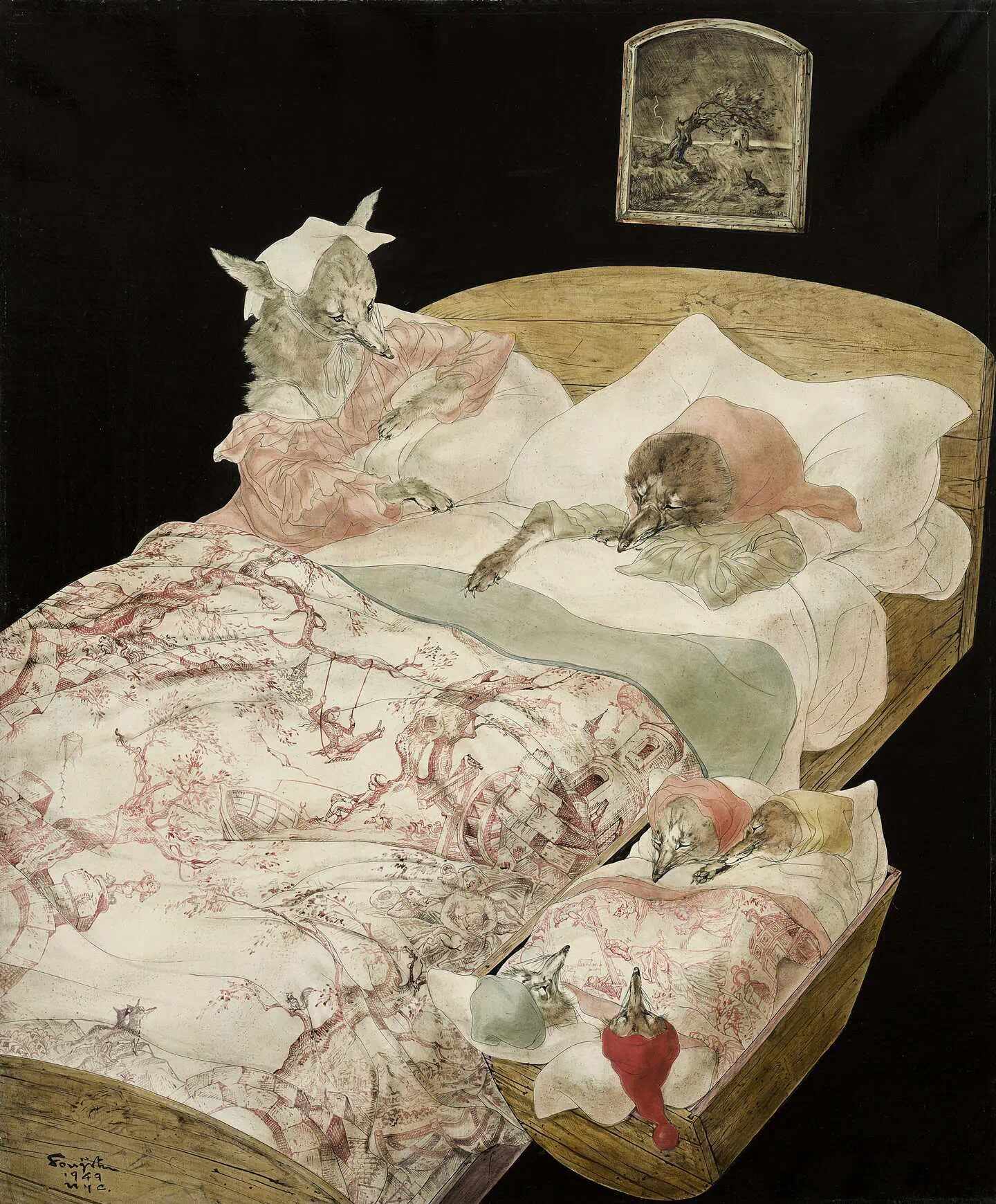
He points to Léonard Tsuguharu Foujita’s Le rêve (Hommage à La Fontaine), painted in 1949 and featured in The Foujita Lexicon, Sotheby’s first dedicated single-artist auction in Asia. According to Cornelissen, the work is one of only four known examples from the pivotal Hommage à La Fontaine series. Two are held in museum collections, while another achieved the artist’s auction record. Sotheby’s regards the work as the finest example from the series remaining in private hands.
It is a useful illustration of the difference between an artwork that is valuable and one that is exceptional. The latter may combine rarity, quality, provenance, and historical significance in a way that makes it representative not just of an artist’s output, but of a particular moment in art history.
The Story Behind the Work
In the Philippines, provenanceProvenanceThe documented history of an object's ownership, origin, and authenticity, particularly important for classic cars, watches, art, and wine. Strong provenance can dramatically raise an item's value, and collectors andGo to Provenance Glossary research can be challenging. Important works have passed through private collections at a time when documentation standards were not as rigorous as they are today.
“Documentation remains one of the most common challenges,” Lerma says. When records are incomplete, research can become painstaking. Old catalogues, exhibition records, family archives, and other sources may need to be examined to reconstruct an artwork’s history.
For Ponce de Leon, provenance and authenticity are recurring considerations when works are brought to an auction house. A lack of documentation does not automatically invalidate an artwork, but it can make establishing its history considerably more difficult.
Cornelissen notes that new scholarship, provenanceProvenanceThe documented history of an object's ownership, origin, and authenticity, particularly important for classic cars, watches, art, and wine. Strong provenance can dramatically raise an item's value, and collectors andGo to Provenance Glossary research or conservation findings can reveal aspects of an artwork that were previously overlooked. “One of the most rewarding aspects of our work is that an artwork can continue to reveal new dimensions when examined firsthand,” he says. Photographs and digital resources may provide the foundation for research, but seeing a work physically can deepen an understanding of its technique, scale, condition and presence.
Condition Is Part of the Value
“Condition plays a very important role,” Ponce de Leon says. “There are collectors who put condition above all else.” He counts himself among them.
Lerma likewise sees technology as a powerful research tool. “Expertise, judgment, and scholarly understanding remain central to appraisal and authentication,” he says.
However, thoughtful conservation can preserve a work’s integrity and extend its life. The question is whether the treatment respects the artwork rather than compromising or altering it.
For Cornelissen, condition is another reason that technology can never completely replace the specialist’s eye. At the highest end of the market, where two works by the same artist can command dramatically different prices, the distinction can become consequential.
When the Market Speaks
“You have to remember,” Ponce de Leon says, “the only transparent basis for the value of an artwork is always through auction”—but even auction results require interpretation.
Cornelissen sees the market as dependent on information that cannot necessarily be found in a database. “Equally important is the fact that much of the art market operates through relationships and conversations,” he says. “Understanding collector demand, market sentiment and where buyers are willing to transact comes from years of experience and direct engagement with collectors.”
This is one of the less visible aspects of appraisal. A specialist is not simply studying historical prices; they are paying attention to the people behind the market. Who is collecting a particular artist? What kinds of works are they seeking? How much competition exists for a particular piece? Has enthusiasm for an artist deepened or cooled?
“Data can inform a valuation, but specialist expertise provides the context and judgment that bring it to life,” Cornelissen says. An auction database is an invaluable resource, but it is not the appraisal itself.
When the Numbers Surprise You
Even experienced specialists cannot predict every auction result.
For Ponce de Leon, one of the most memorable examples remains Jose Joya’s award-winning 1959 work, Space Transfiguration. “We were expecting the work to sell between 25 to 50 million,” he recalls. The painting sold for ₱112 million, which demonstrates the inherent uncertainty of the auction market. An appraisal is an informed assessment based on available evidence; the market responds in real time.
However, explains Lerma, “some of the most rewarding discoveries are not necessarily tied to monetary value, but to the recovery of a forgotten history, a compelling provenanceProvenanceThe documented history of an object's ownership, origin, and authenticity, particularly important for classic cars, watches, art, and wine. Strong provenance can dramatically raise an item's value, and collectors andGo to Provenance Glossary, or an overlooked cultural narrative.”
Cornelissen finds the entire investigative process rewarding. New information can alter the way a specialist understands an artwork—not simply its price, but its significance.
Authentication Is Not a Formula
“There is no single formula that can establish authenticity,” Lerma says. Authentication can involve connoisseurship, provenance research, comparison with an artist’s known works, technical examination, and consultation with other specialists.
It’s also another area where experience matters. Specialists develop an understanding of an artist’s materials, techniques, periods and recurring characteristics over years of study and direct exposure to the work.
“Our survival remains on the quality of pieces we offer,” Ponce de Leon says. “Everything is a matter of trust.” That trust is shared among auction houses, galleries, collectors, consignors, and institutions. At the level of significant private collections, an expert’s reputation can be as important as the databases and archives used to support the research.
The New Tools of the Trade
The modern collector has access to an extraordinary amount of information. Auction databases can be searched in seconds. Online archives have opened up material that once required visits to libraries and institutions. AI-powered image searches can identify visually similar works almost instantaneously.
For Cornelissen, these developments are valuable because they allow specialists to build the foundation of their research more quickly. “Databases and online archives are incredibly useful and enable us to build the foundation of our research much more quickly,” he says. But, he emphasizes, “valuation is about more than data alone.”
Ponce de Leon takes the argument back to the physical object itself. Reflecting on the rise and decline of NFT speculation, he emphasizes the sensory experience of encountering an artwork. “You have to see art, you have to feel art, you have to feel the texture,” he says. “I think that is really the essence of art.”
The future of appraisal may be a combination of the two: faster access to information, paired with deeper scrutiny of the object and the judgment of specialists who understand how the information fits together.
FAQs
An artwork’s value can depend on its quality, provenance, condition, rarity, medium, size, historical significance, and market demand. Its place within an artist’s career, exhibition history, and publication history can also influence an appraisal.
Specialists examine the artwork, research its history, assess its condition, and compare it with relevant market results. They also draw on their knowledge of the artist and current collector demand to interpret the evidence.
Provenance documents an artwork’s ownership history. It can support authentication and establish connections to important collections or exhibitions. Incomplete documentation requires further investigation; it does not automatically mean a work is inauthentic.
Damage, deterioration, and inappropriate restoration can affect an artwork’s appearance and market desirability. Specialists assess the extent of any changes and whether conservation has preserved the work’s integrity.
Digital archives, auction databases, and image-search tools can assist research, but they do not independently establish authenticity or value. Specialists interpret those findings alongside physical examination, provenance research, and knowledge of the artist’s work.