Ana Lorenzana de Ocampo Knows What Manila Wants to Eat




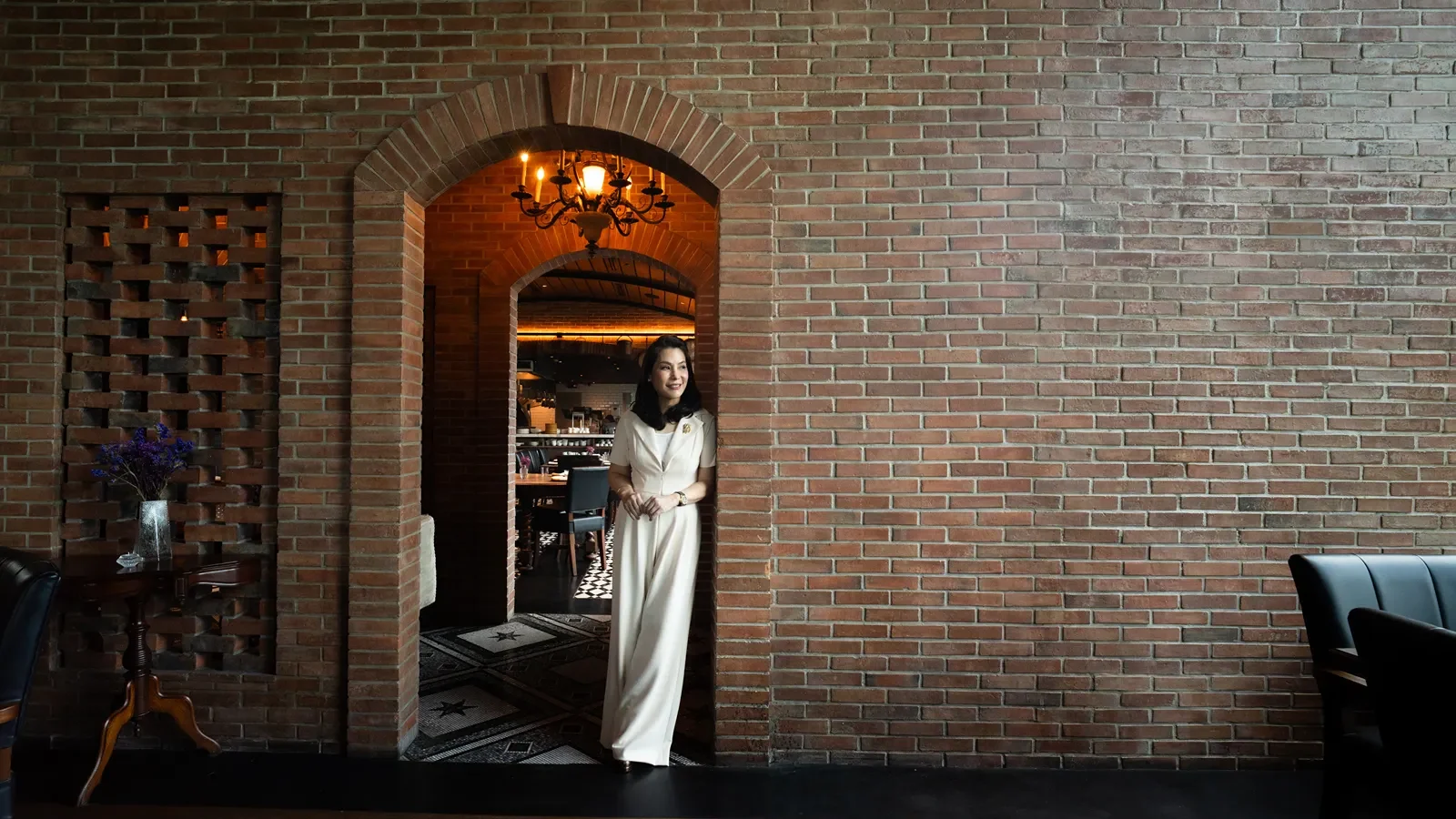
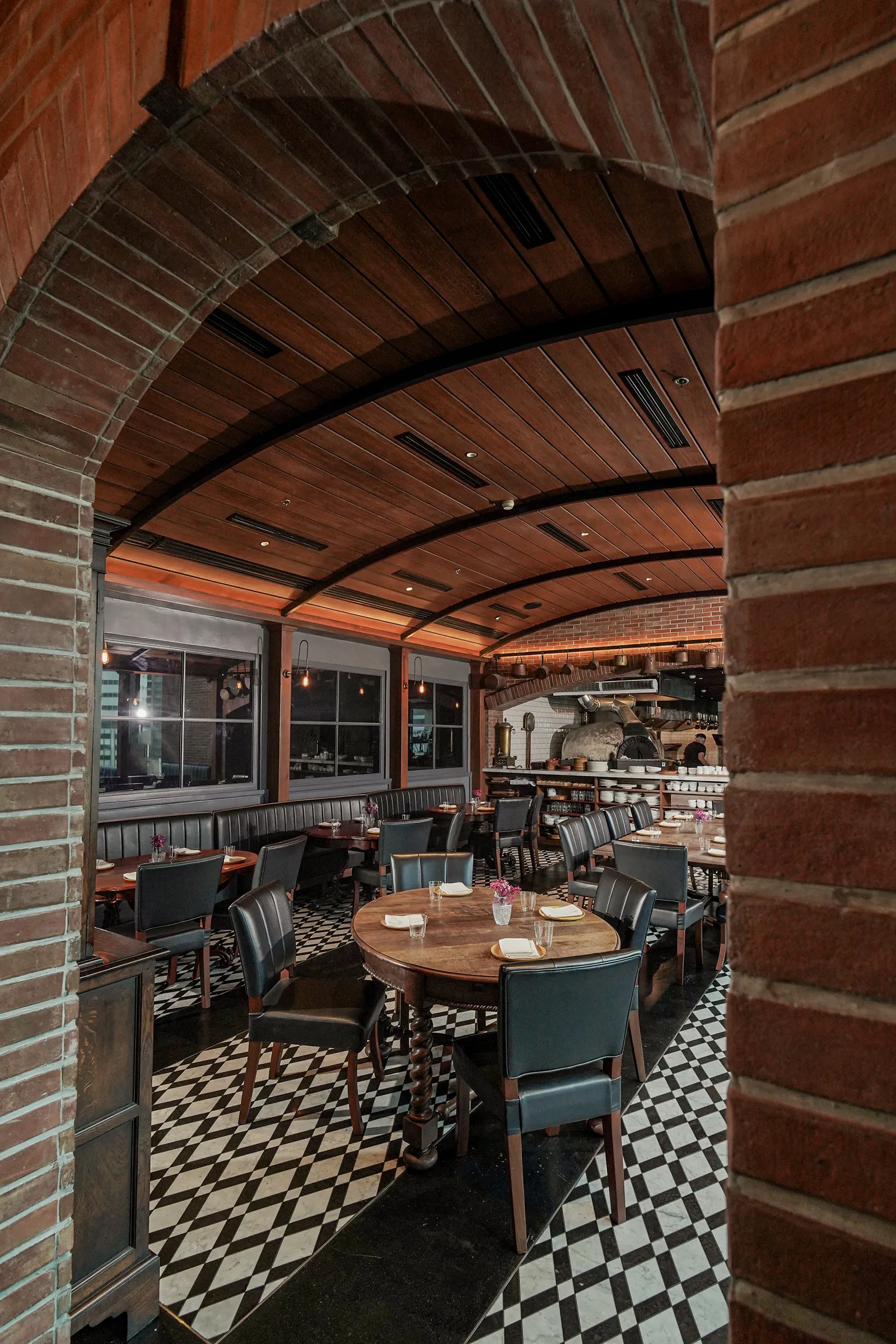
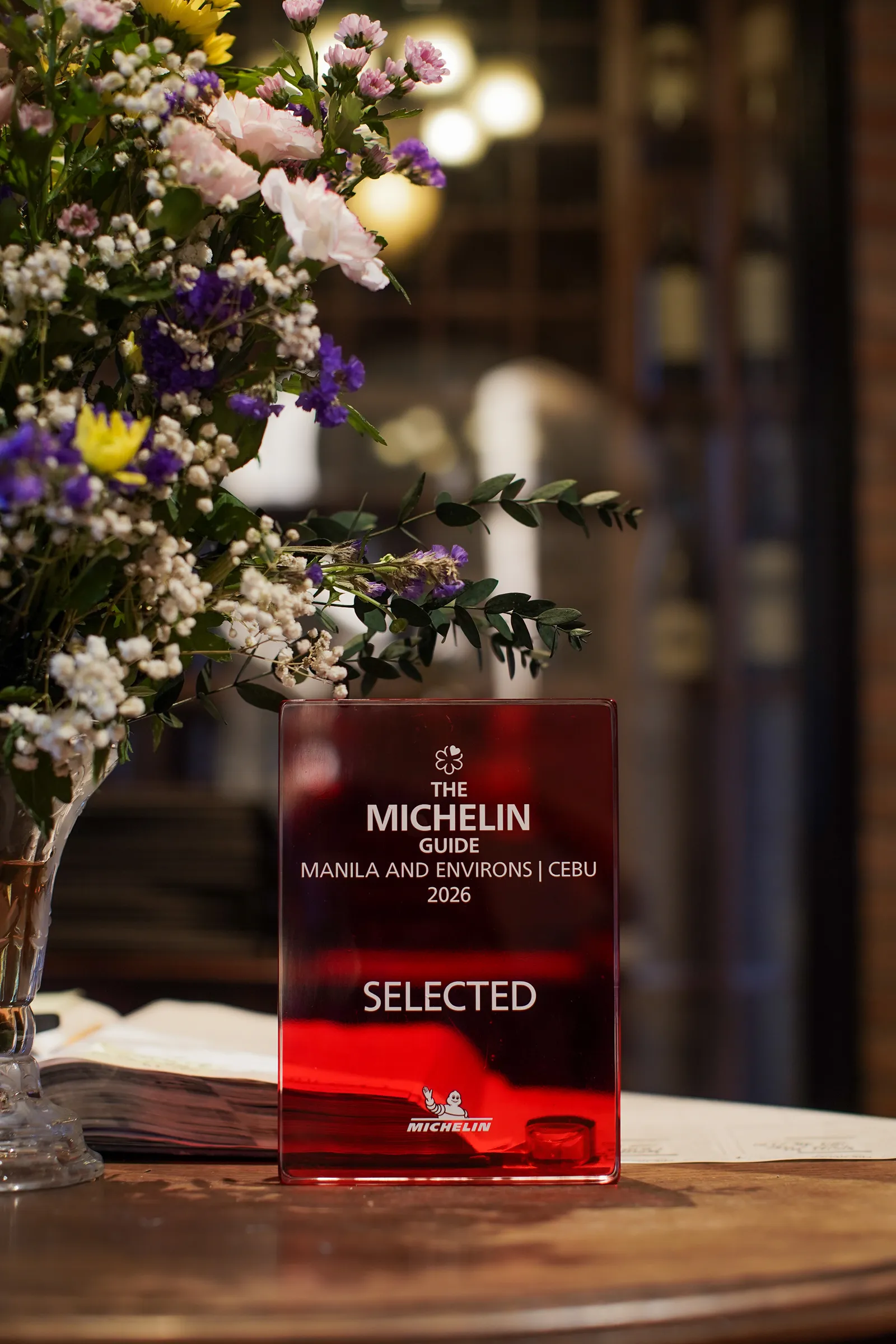
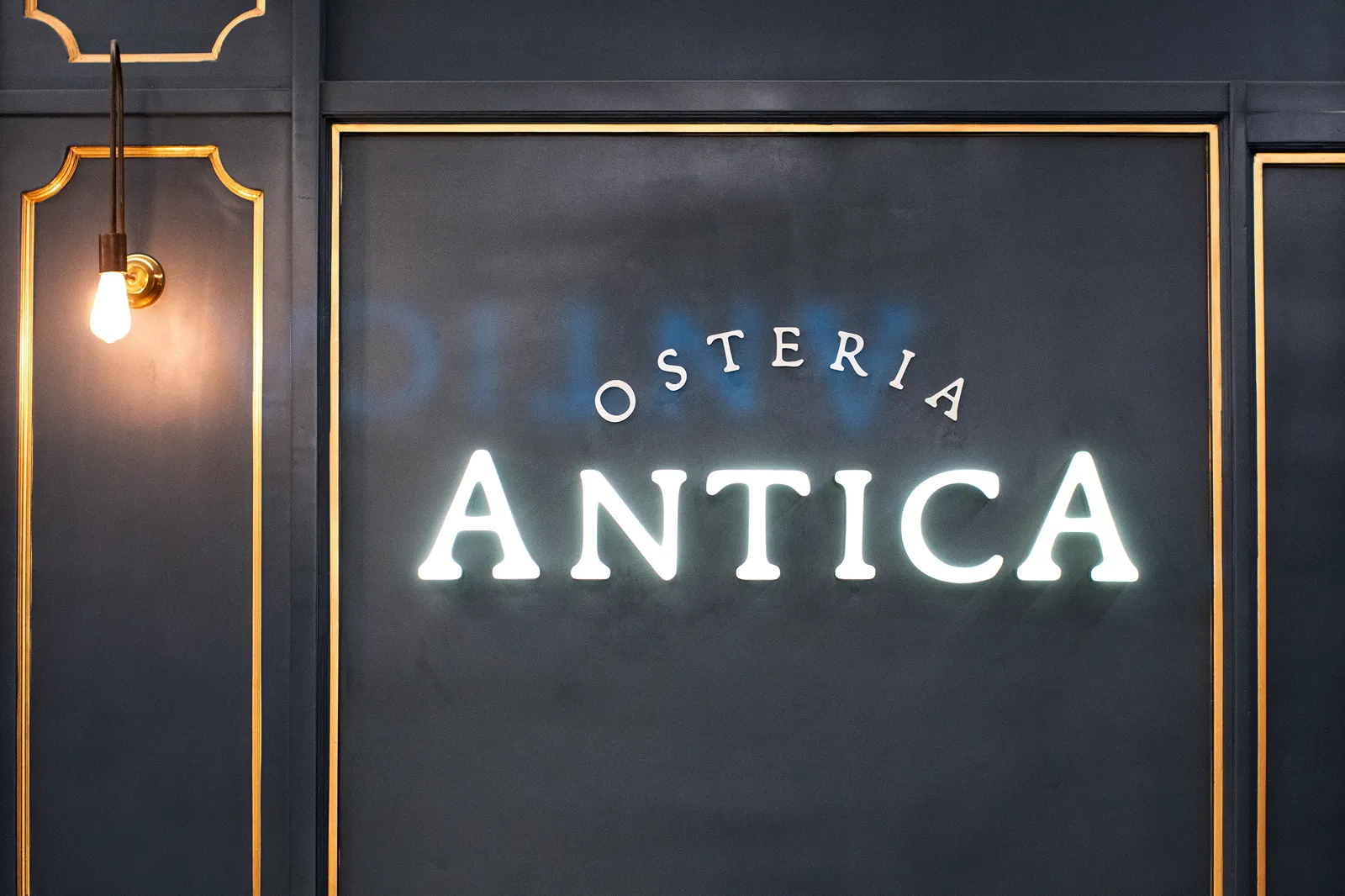
Way before the menu arrives, a Wildflour room tells you what kind of meal it wants you to have. We’re with Ana Lorenzana de Ocampo at Osteria Antica, the group’s Michelin Guide-recognized Italian restaurant, where the warmth of an old osteria meets the city skyline. Brick glows under warm light, wine cellars suggest appetite and ritual, black-and-white floors lead into arched passages, and the view gives lunch a nearly cinematic scale. Traditional, certainly, but never preserved in amber. (Article continues after the video.)
Video:
That space says a lot about Ana’s singular vision for Wildflour Hospitality Group. What began as a café and bakery has grown into one of Manila’s most visible restaurant portfolios. Wildflour has its all-day ease, George and Onnie’s its familial warmth, Pizza Sisters its bright informality, Kei Maki its sharper Japanese sensibility, and Osteria Antica its old-world Italian aura.
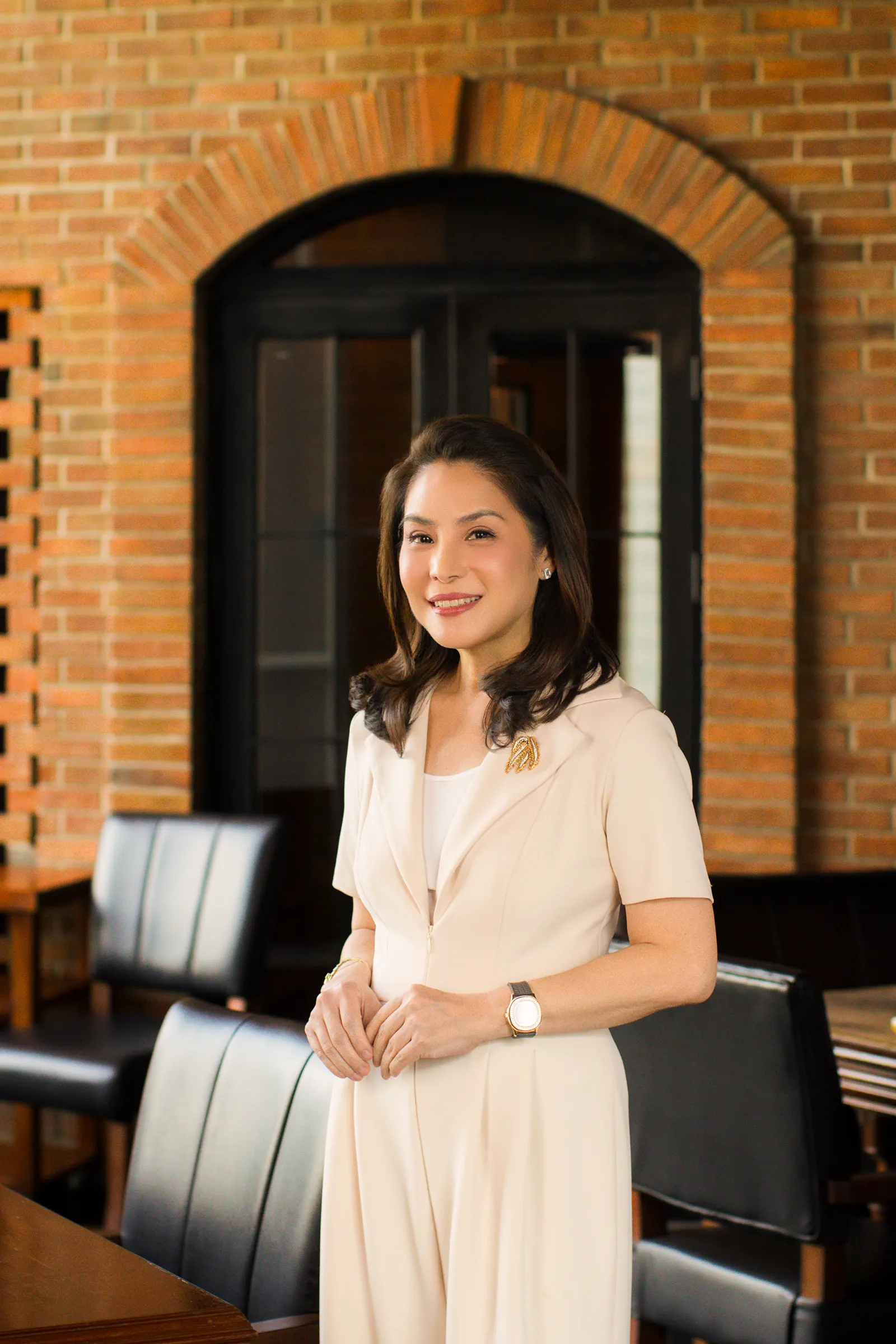
None of it arrived as a fixed manifesto. Ana remembers the first restaurant with the candor of someone who has lived through both the romance and the reckoning of hospitality.
“When we put up the first branch, it was a very difficult journey,” she says. “I kind of asked myself, ‘why did I even do this?’”
The first few days offered little reassurance.
“It was kind of depressing because we didn’t have any customers,” she recalls. A few weeks later, we started getting busier. “It’s something I never expected would be that successful.”
The second branch gave the idea more force, and drew the same appetite.
“We saw that people loved it,” she says. “We have something special here,” she remembers thinking to herself.
“If people believe in their work, if they’re passionate, that comes through to the customer.”
Premium With a Pulse
Wildflour’s place in Manila dining is often described as “accessible luxuryLuxuryA lifestyle defined by exceptional quality, craftsmanship, exclusivity, and sophistication, encompassing the finest products, services, and experiences that represent the highest standards of refinement and excellence.Go to Luxury Glossary,” though Ana seems more interested in the decisions behind the phrase than the phrase itself.
“If it was wood, we wanted to make sure it was real wood,” she says, thinking about that first restaurant. “We wanted to make sure that the whole vibe of the place was not fake.”
The same standard guided the kitchen.
“We wanted to make sure we sourced the best ingredients, and never settled for the next best thing in the market,” she adds.
For Ana, premium dining is about making every guest feel welcome. A dish can feel special while remaining accessible to the weekday lunch crowd. “We are premium because we try to deliver the best service, the best food that we can. But really, premium does not have to mean something that’s intimidating or something that’s exclusive.”
Warmth has become one of Wildflour’s strongest signatures, it seems. The group’s growth has since become a portfolio of distinct moods rather than one idea copied across addresses.
George and Onnie’s, for instance, draws from a more domestic current.
“Filipino food is very emotional,” Ana says. “It brings together tradition, family, and experiences that you share.”
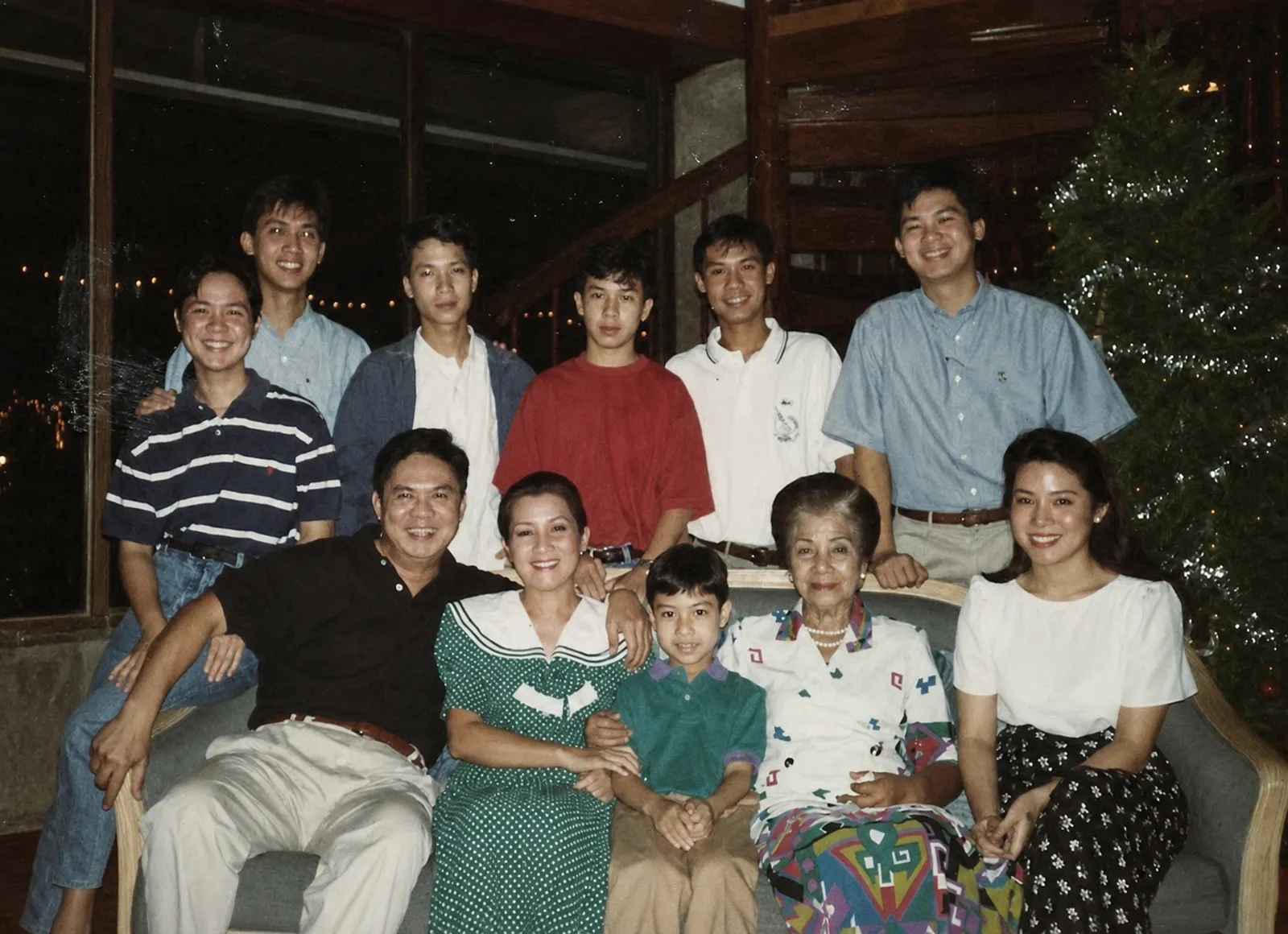
Many of its dishes come from the food she grew up eating at home, the kind her grandmother made for family gatherings.
“Her language of love was food,” she says. The opportunity was to bring that emotional register into the everyday.
“Why serve it for just Christmas or for special gatherings?” she asks, citing kare-kare as an example. “Why not make it something available every day?”
Where Each Brand Belongs
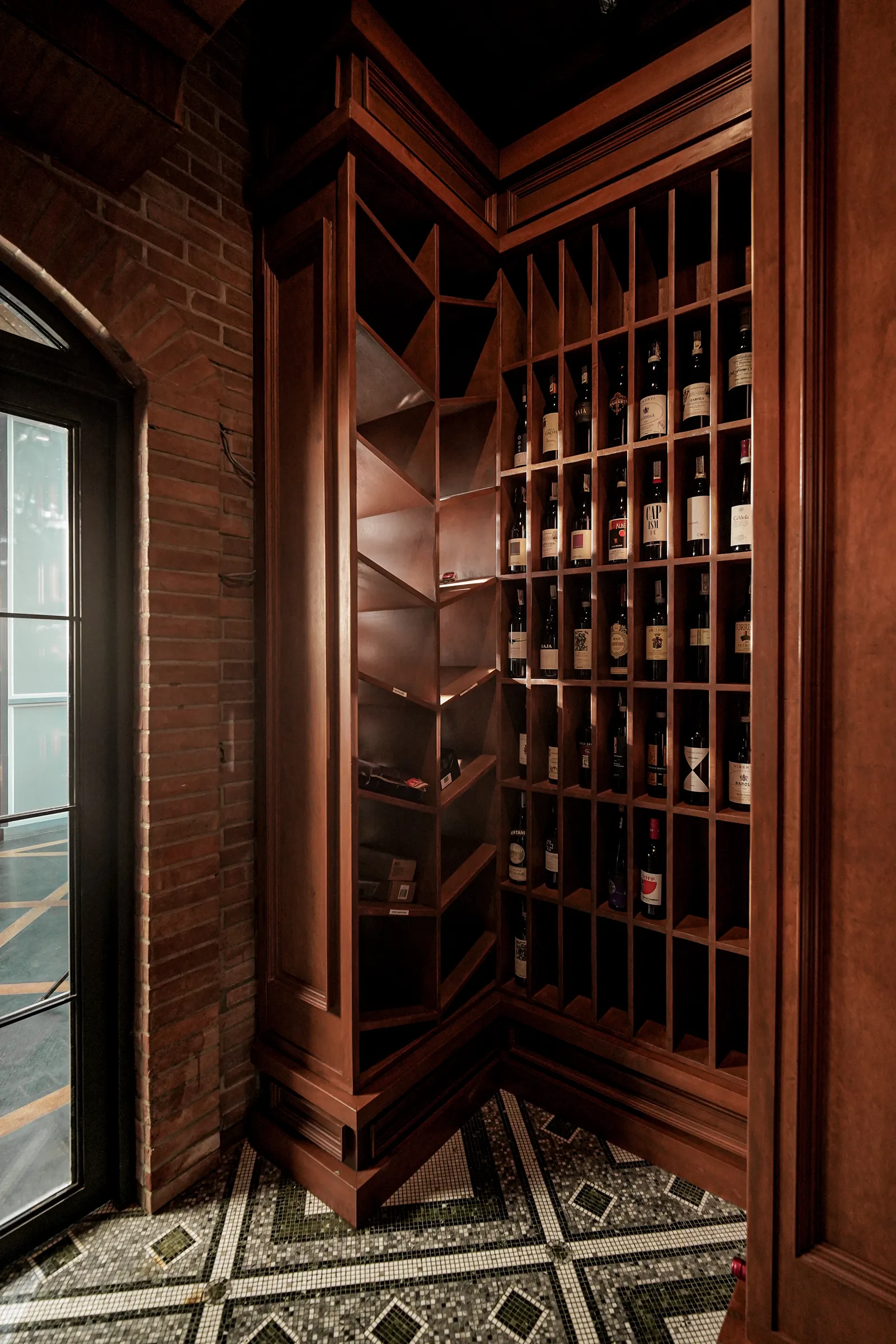
Ana is closely involved in how each brand comes into focus, but the real work lies in the alignment. Site, design, menu, service, and atmosphere all have to speak the same vocabulary. A restaurant, after all, lives in the small decisions guests feel before they name them.
“I’m very much involved in choosing the locations,” she says. “Generally, I really take charge of the vision of the company and the direction.”
As Wildflour has grown, that vision has been carried by a team with specialized strengths and a unified eye.
“Every Wildflour has its own unique nuance,” Ana says. “But when you enter, even without looking at the sign, you can feel it’s a Wildflour.”
The non-negotiables begin in the kitchen.
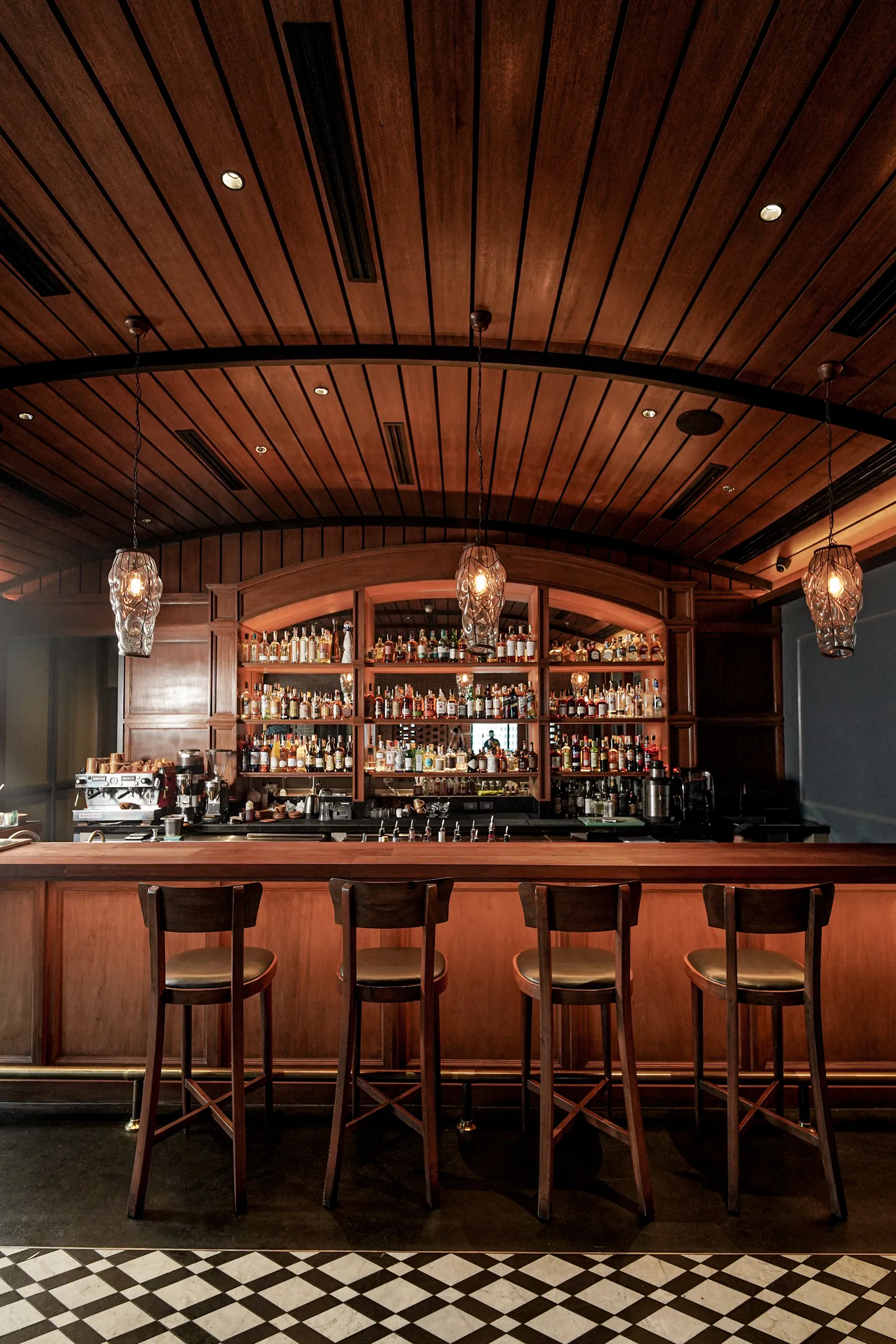
“Food is everything,” she says. Across branches, the group relies on standards, training, sourcing relationships, and long-built supplier partnerships to keep quality consistent without flattening creativity. Chefs can bring their own ideas, but the company gives those ideas a frame.
“It’s easy to come up with a restaurant and have your ideas come to life,” she says. “But you also need checks and balances.”
Service works the same way. Ana sees hospitality as a culture before it becomes a checklist. It starts with hiring people who are naturally drawn to service, then shaping that impulse through the company’s values.
“Culture takes a really big role in this,” she says. “If people believe in their work, if they’re passionate, that comes through to the customer.”
“Everything I learned from those experiences still guides me today.”
Lessons From the Table
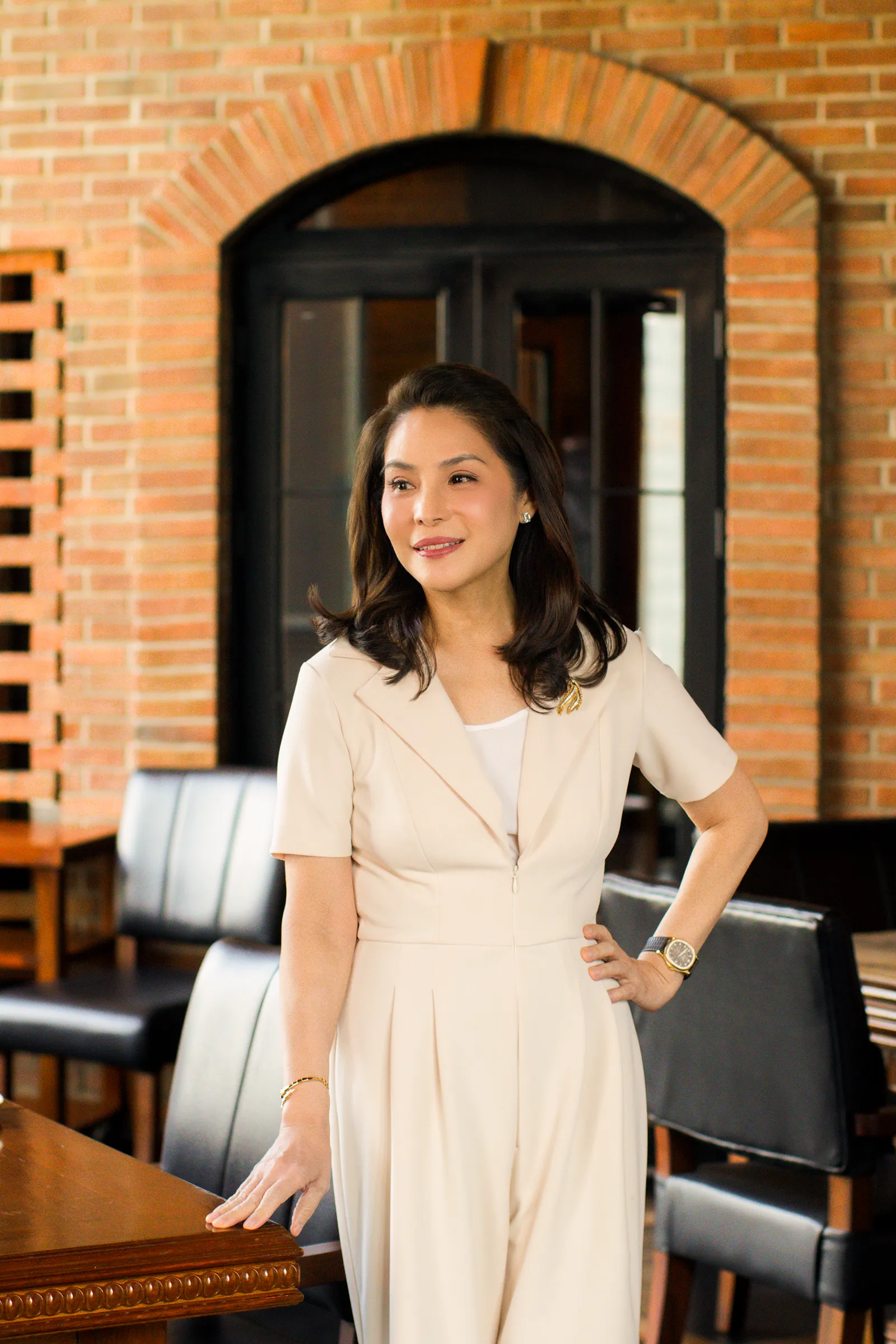
Ana’s ideas were formed long before Wildflour.
“I spent summers at my grandmother’s bakery in the province, and I also worked at my dad’s patis factory in Navotas,” she says. Culinary school and hotel and restaurant management later gave structure to what she had already absorbed. “Everything I learned from those experiences still guides me today.”
Mistakes only sharpened her judgment. After college, she recalls how her and her brothers opened a small barbecue place built around a recipe they believed in completely. “We thought it was the best barbecue,” she says. The menu grew from that one recipe into barbecue sandwiches, barbecue with rice, and other versions. They found a small space, around 25 to 30 square meters, and thought they had the product, the footprint, and the look.
“Wow, we’re going to make a lot of money here,” she remembers them saying to each other. “But you know what? It failed.”
The lesson was not that the barbecue lacked promise. “It really wasn’t the right concept for that space,” she says. “Even if it was a good product, the customer profile didn’t have the spending power for that.”
Her discernment now guides the group’s expansion. Choosing where to place Wildflour, George and Onnie’s, Pizza Sisters, Kei Maki, or another format means looking beyond foot traffic. Ana has learned to read what a neighborhood is ready to receive, and how a brand can meet desire without forcing it.
As the group grows, she comes back to the kitchen as the clearest measure of the brand’s integrity.
“The food that comes out of the kitchen is a reflection of the soul of the brand,” she says. “How you feel when the food is served in front of you speaks so much about what the brand stands for.”
The principle keeps expansion grounded. Yes, service, atmosphere, and design all matter, but the plate tells the truth first.
“We make simple food, done well,” she says. “We never cut corners.” That small statement explains Wildflour’s staying power. As the city chases novelty and awaits the next new table, Wildflour keeps giving diners a reason to come back.
This article originally appeared in Robb Report Philippines’ Muse Issue, July 2026.
FAQs
Ana Lorenzana de Ocampo is the president and CEO of Wildflour Hospitality Group, the company behind several of Manila’s best-known restaurant concepts.
The group’s portfolio includes Wildflour, George and Onnie’s, Pizza Sisters, Kei Maki, and Osteria Antica, each developed with its own distinct identity and dining experience.
For Ana Lorenzana de Ocampo, premium dining comes from high-quality ingredients, thoughtful design, strong service, and making guests feel welcome rather than creating an intimidating or exclusive atmosphere.
The group relies on training, sourcing standards, supplier relationships, operational systems, and a strong company culture while still allowing chefs and individual brands room for creativity.
An early barbecue concept taught her that a good product is not enough on its own. The location, customer profile, pricing, and concept all need to align for a restaurant to succeed.