How the House of Alba Turned History Into Perfume




Heritage, in the luxuryLuxuryA lifestyle defined by exceptional quality, craftsmanship, exclusivity, and sophistication, encompassing the finest products, services, and experiences that represent the highest standards of refinement and excellence.Go to Luxury Glossary industry, is in a danger of becoming a word drained of meaning through overuse. Every brand claims it; few can substantiate it. But Fitz-James Stuart, the perfume house launched by Fernando Juan Fitz-James Stuart y de Solís and his wife Sofía Palazuelo, the Duke and Duchess of Huéscar, does not have this problem. Their family history begins in the 17th century, runs through the courts of Europe, and is housed, literally, in Liria Palace in Madrid, one of the great private residences of Spain and home to a historically significant collection of paintings, sculptures, and archives, accumulated across generations.
While they had other options to bring the house’s legacy forward—exhibitions, books, documentary projects—the question they set themselves was an unusual one: What does that history smell like?
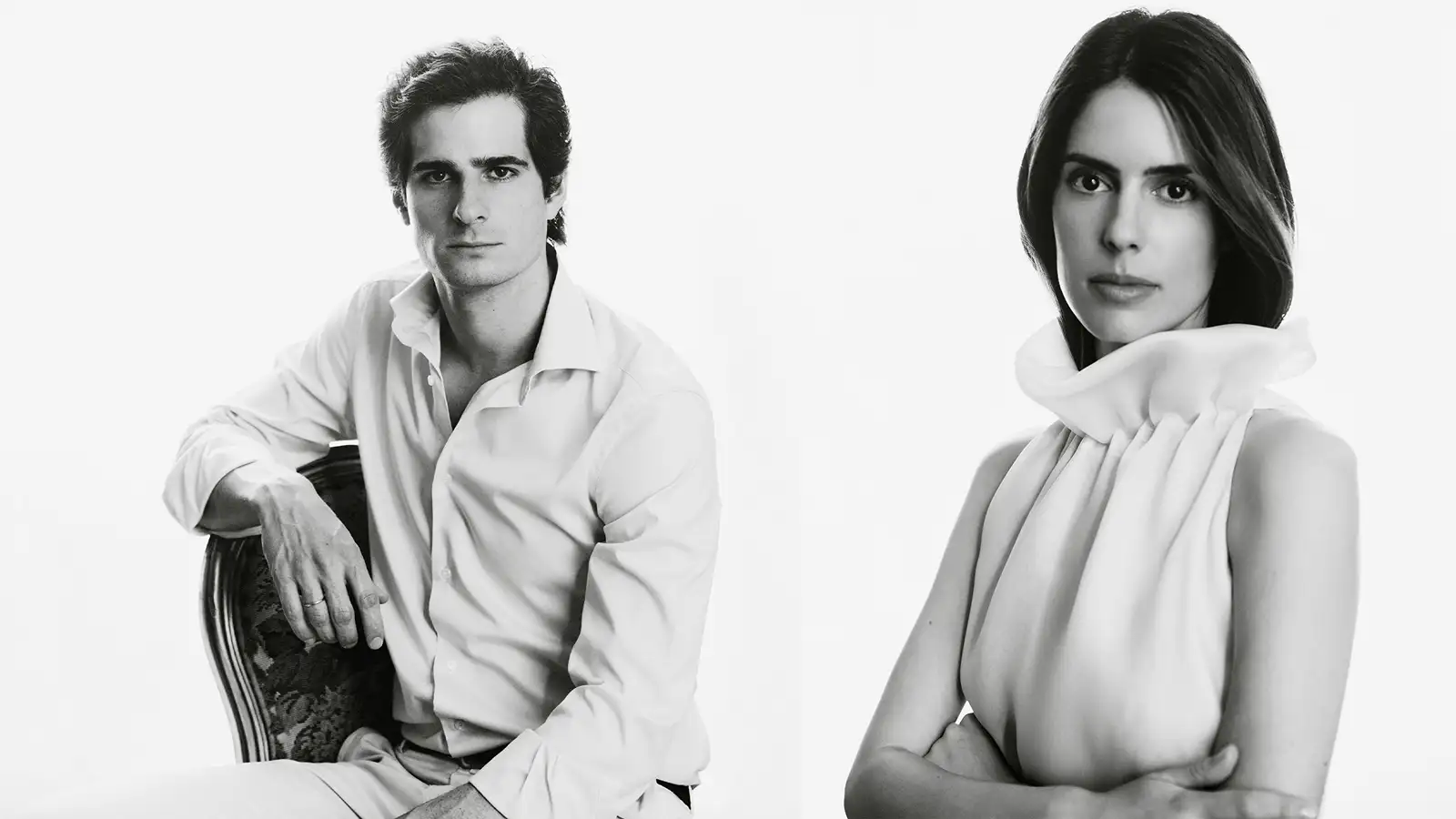
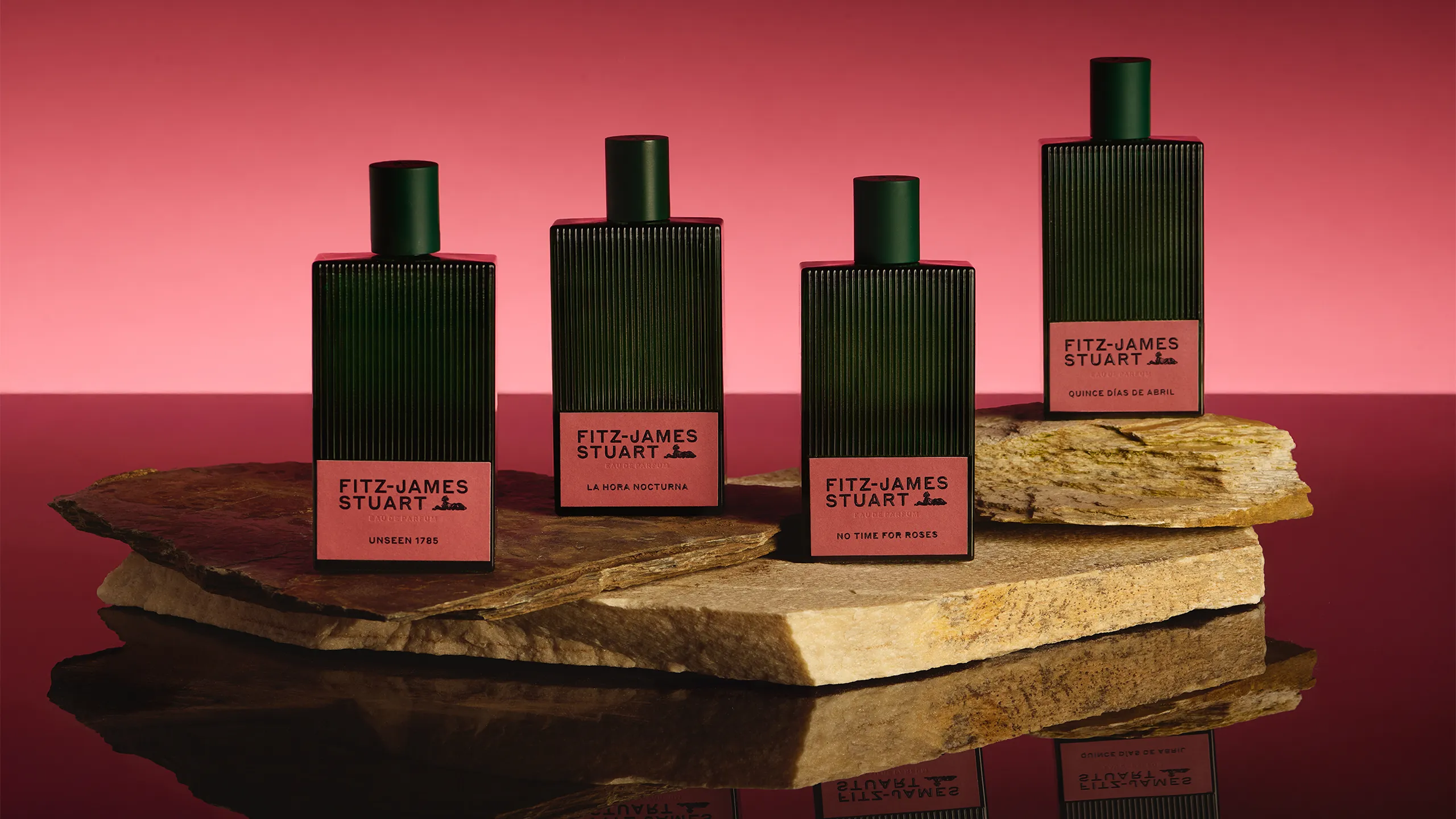
The answer is Episode One, The Unseen, a collection of four fragrances organized like chapters in a longer narrative designed to unfold over time. “Books and exhibitions can explain history,” Fernando says. “Perfume can make you feel it.” For the Duke and Duchess, the palace is both home and primary source material. “We approached Liria less as a monument and more as a living emotional landscape,” Fernando continues. “Not every beautiful room becomes a fragrance; what matters is whether there is a story, a tension, a feeling that can genuinely be translated through scent.”
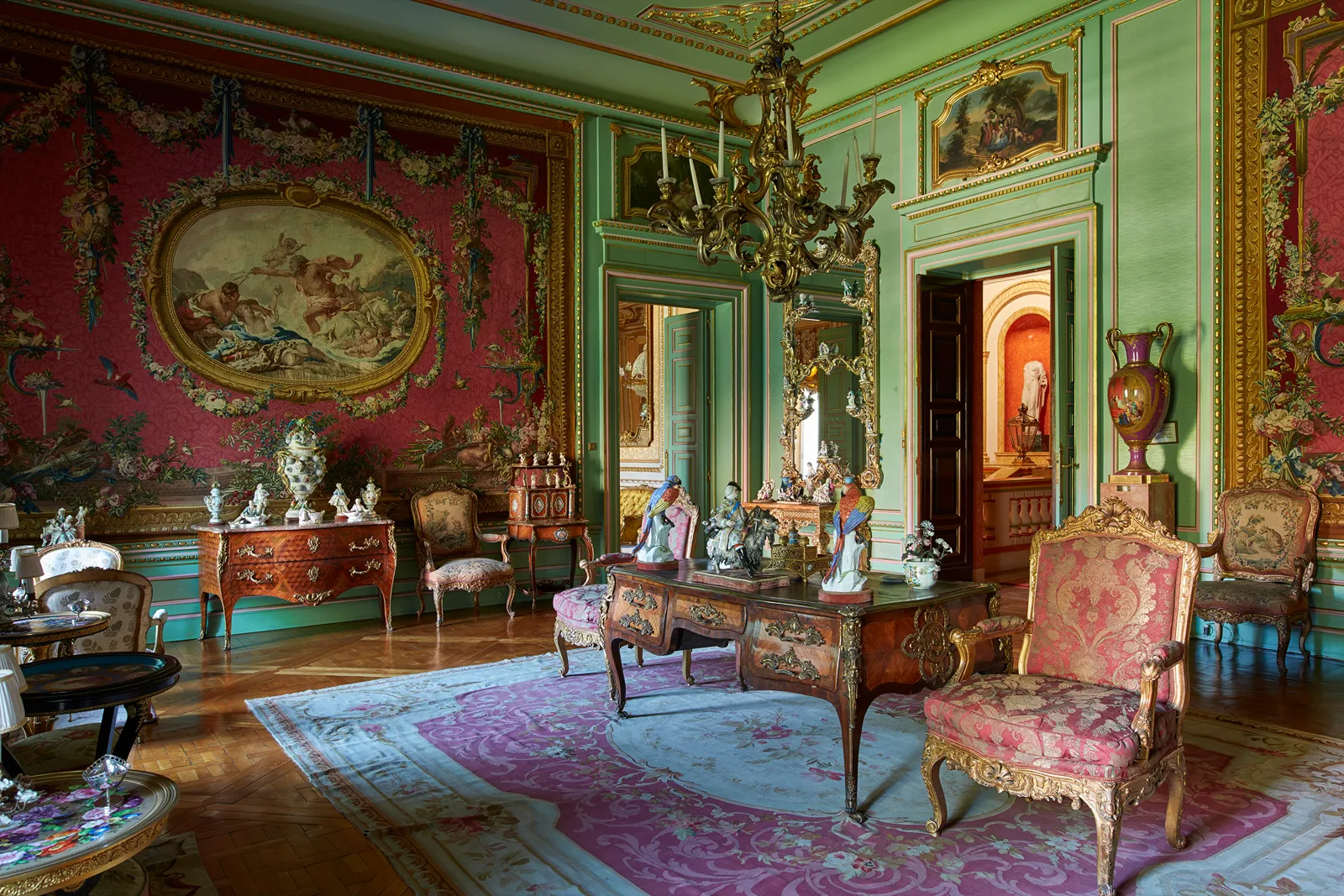
Liria Palace, the seat of the House of Alba for centuries, was built between 1767 and 1785, commissioned by Jacobo Fitz-James Stuart y Colón, the third Duke of Berwick and Liria. The duke, who was then residing in Paris, appointed Louis Guilbert to begin the project and gave the building the stylistic character of Parisian hôtels particuliers before Ventura Rodríguez took over in the early 1770s to complete it in the neoclassical tradition.
But the instinct toward feeling rather than fact is central to the whole project. “A fragrance should never function like illustration,” Fernando says. “If it simply references a place literally, it remains superficial. When it captures atmosphere, emotion, tension, memory, that’s when it becomes truthful.”
“Perfume is intimate by nature,” Sofía explains. “It lives on the skin, close to memory, close to emotion. We were not interested in creating something purely commemorative or archival. We wanted a living medium.” The distinction matters; perfumery allowed the house to transform something historical into something personal, turning Liria archives into an experience rather than a record. “Perfume allows heritage to become personal again,” Sofía says. “It transforms something historical into something deeply contemporary and individual.”
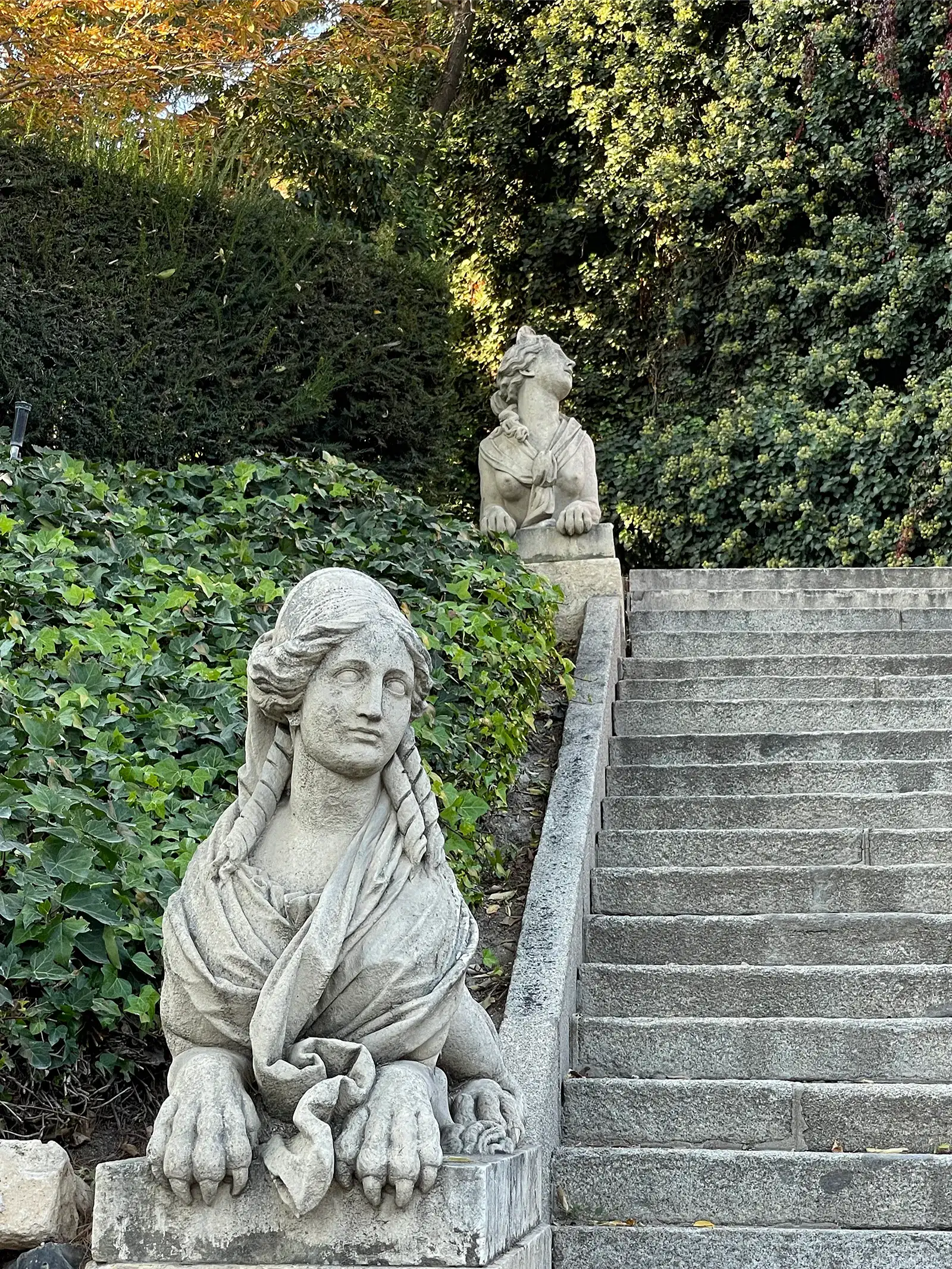
The sphinxes at the entrance to Liria meaningfully serve as the brand’s icon, both guarding and revealing. There are 12 of them at the Palace, the first ones to appear in Madrid, dating to the Enlightenment and its fascination with symbolism and cultural exchange. Fernando describes them as “guardians, but also silent hosts. There is mystery in them, but never exclusion.” With a lion’s body and a woman’s face, they embody, in his words, “a sense of strength and sophistication that transcends gender and time, much like our fragrances themselves.”
The perfumer they chose to work with was Alberto Morillas, one of the most decorated perfumers alive and the Seville-born nose behind CK One, Givenchy Pi, Giorgio Armani Acqua di Giò, Kenzo Flower, and Marc Jacobs Daisy, among nearly 7,000 creations across a career that began at Firmenich in 1970. The relationship is personal as much as professional. “Alberto is a dear friend,” Fernando says, “which created a very natural honesty and creative dialogue. His Spanish roots also mattered; there was an instinctive cultural understanding that felt important.” The collaboration is structured as a genuine exchange: the emotional starting points, narratives, memories, and cultural references come from Fernando and Sofía; Morillas then translates those into olfactory language.
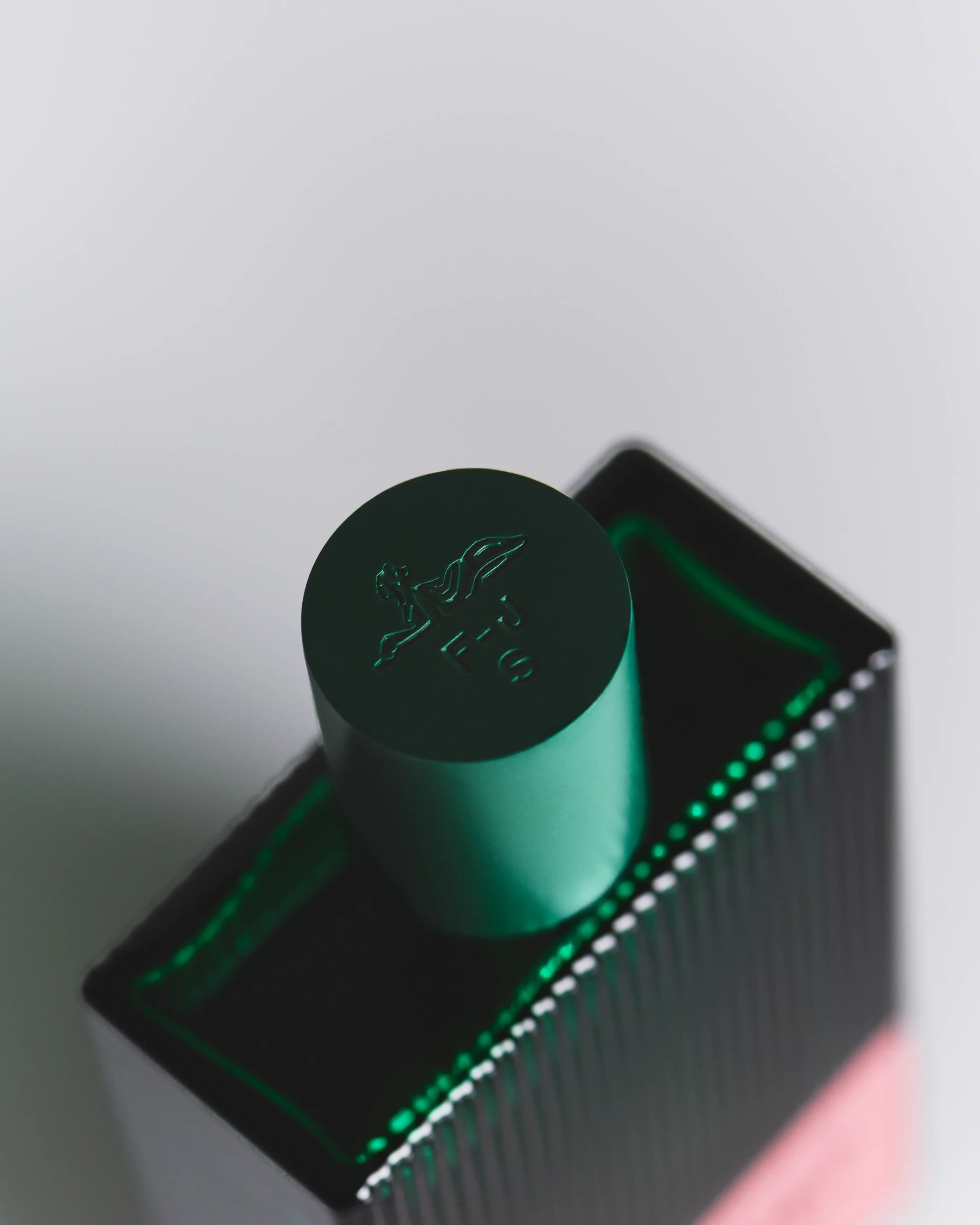
“We were very involved in shaping the conceptual framework,” Fernando notes, “but true perfumery requires creative freedom. The magic happens precisely in that exchange between direction and interpretation.”
The question of what constitutes a story worth telling shaped the entire collection. “Sometimes the most compelling stories are not the grand public narratives,” Fernando explains, “but the quieter ones: a personal memory, an atmosphere, a fleeting seasonal transformation, an overlooked object that holds emotional weight. Those are often the stories that feel most evocative, which may not be historically monumental, but emotionally unforgettable.”
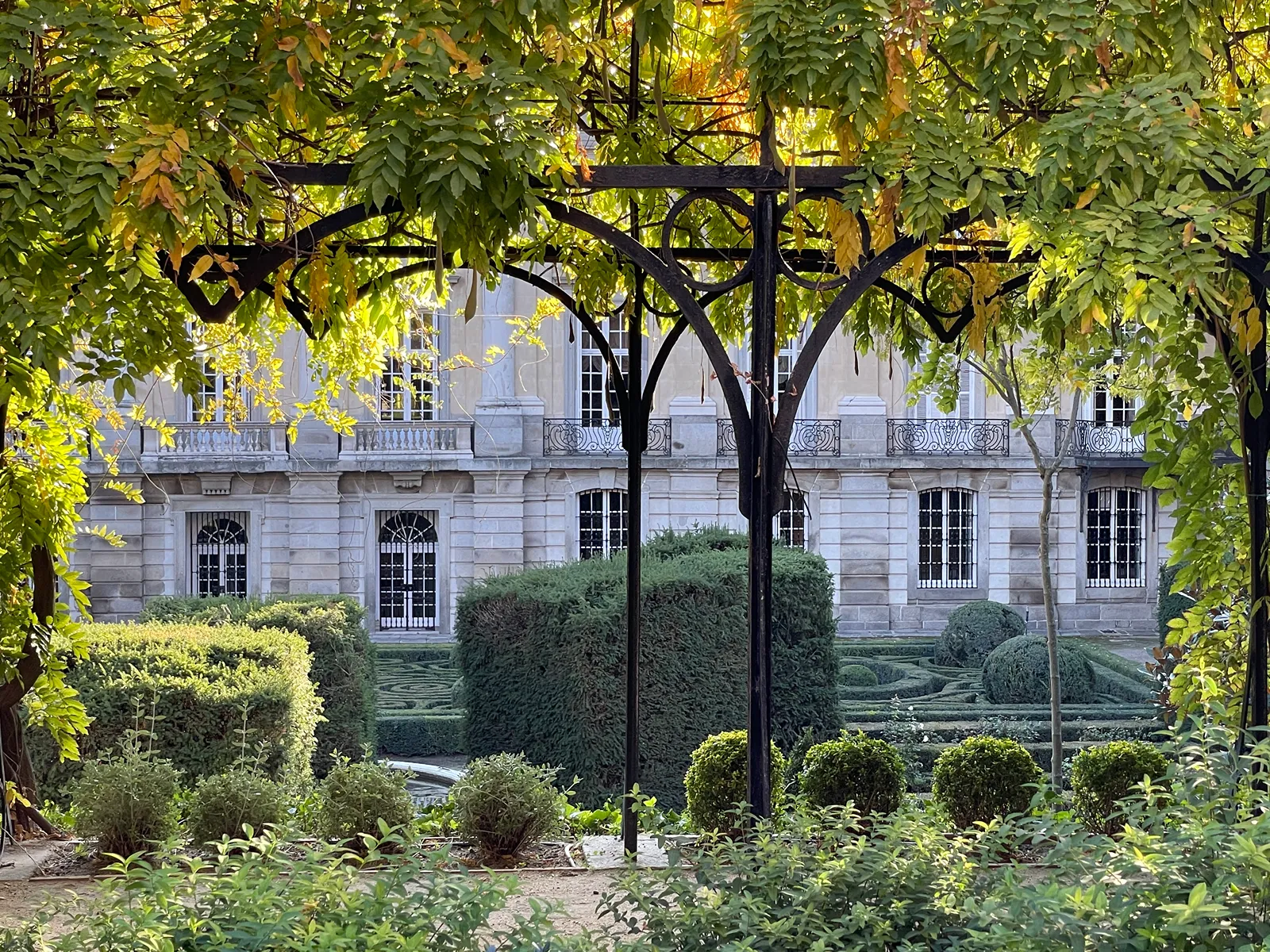
This principle is most clearly demonstrated by Quince Días de Abril (Fifteen Days of April), which takes as its subject the brief annual blooming of the wisteria-covered pergola in the Liria gardens. “It is a deeply intimate moment, almost suspended in time,” Sofía says, “and one that means a great deal to us personally.” Tea, Sofía adds, is a note she has always been particularly drawn to, and it anchors the fragrance’s base alongside neroli, bergamot, and cedarwood, bringing a distinctive softness to an otherwise luminous composition.
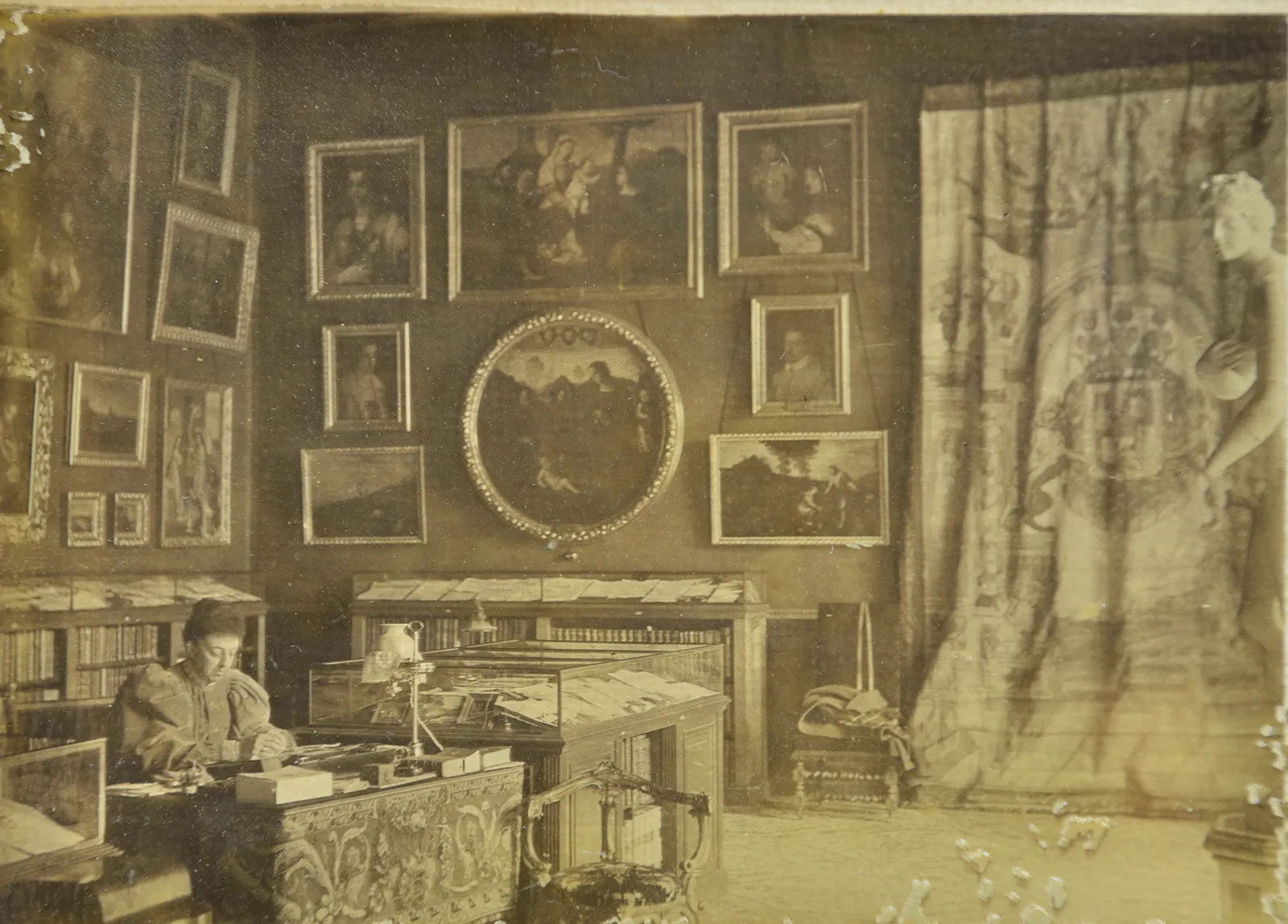
No Time for Roses draws from one of the family’s more extraordinary historical figures: Rosario Falcó, the early twentieth-century Duchess of Alba and Berwick, who took on the conservation of the family archives at a time when such responsibilities were almost exclusively held by men. The house was careful about how to honor her. “What interested us was not creating a literal rose perfume as a predictable symbol of femininity,” Fernando says, “but rather a portrait of character.”
Morillas interpreted that tension through geranium. “The geranium suggests the idea of rose without surrendering to it completely,” Fernando explains. “The structure feels precise, elegant, quietly assertive. It became less about depicting a historical figure, and more about translating her spirit.”
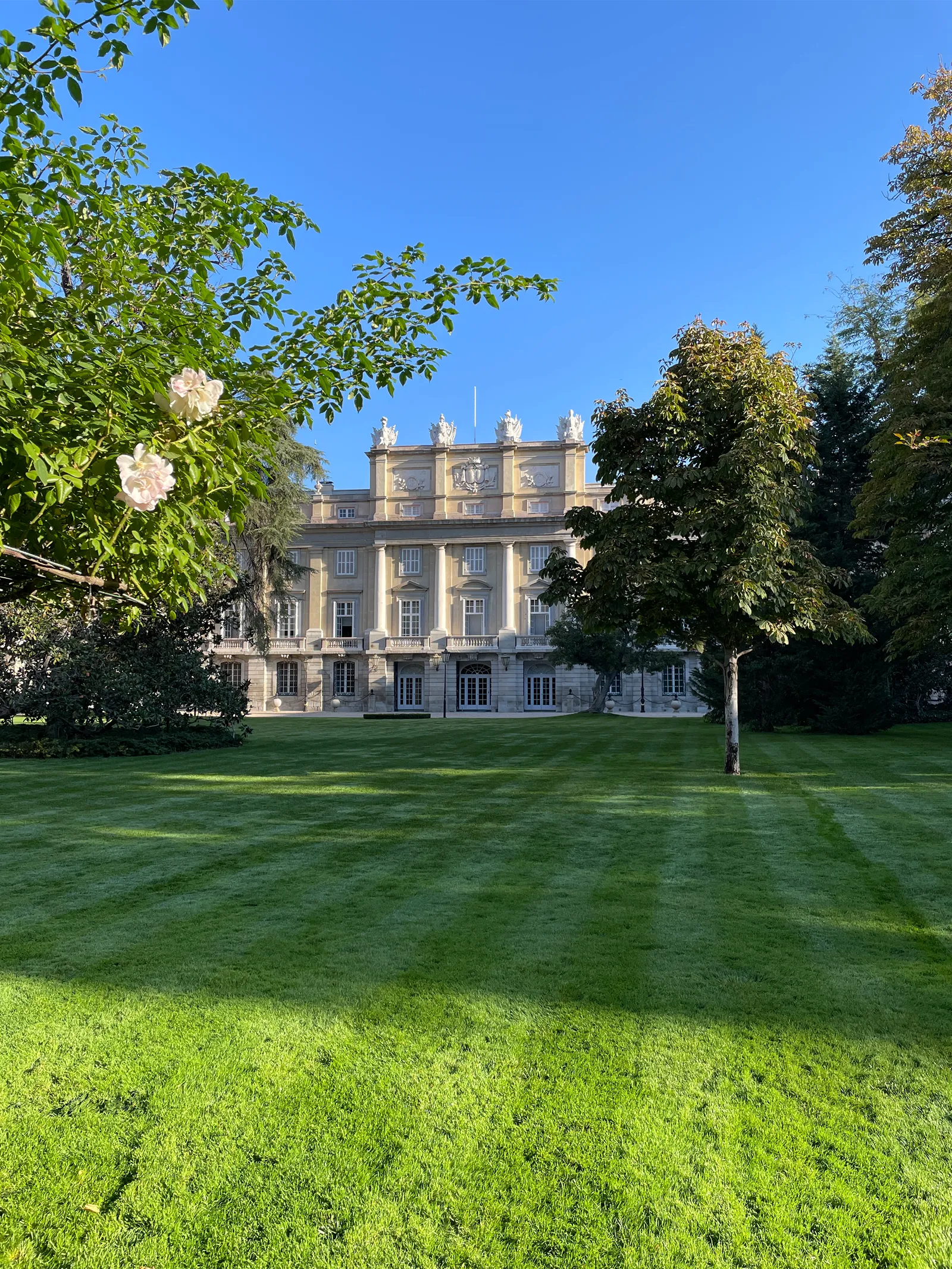
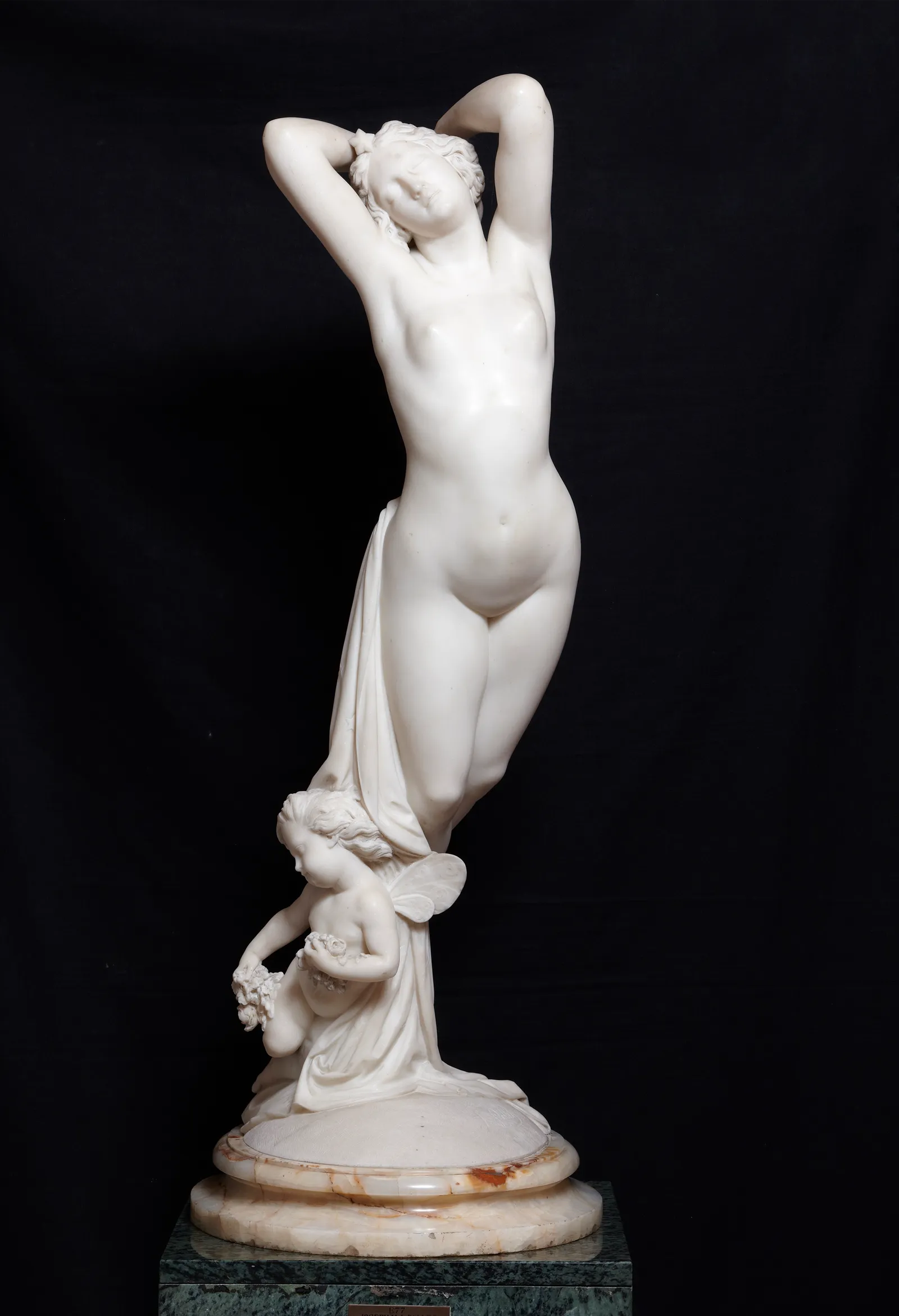
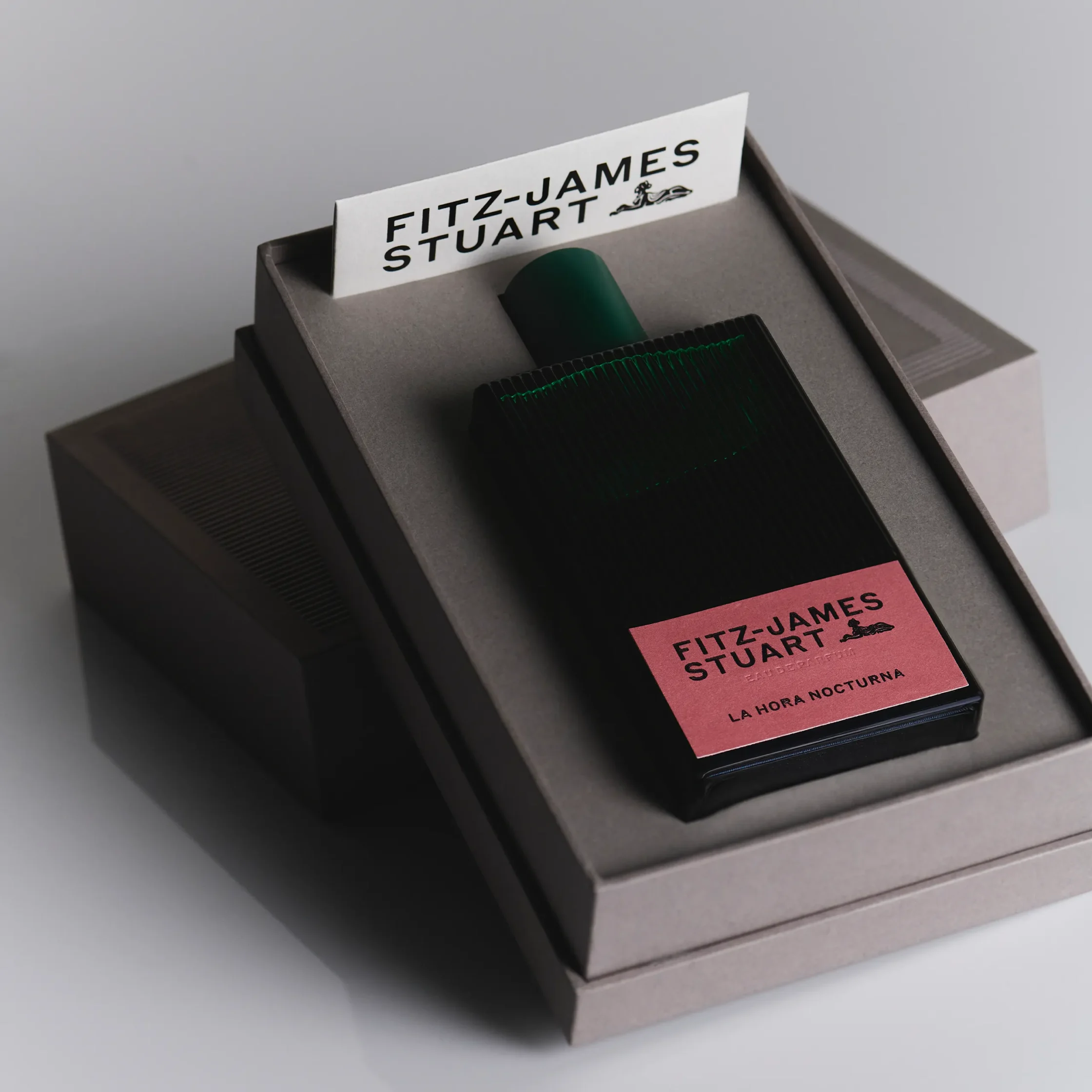
Unseen 1785 pays tribute to the palace itself. For Morillas, the brief was spatial: to capture the sensation of moving through Liria from the gardens into the warmth of the interior. “When Alberto spent time at Liria immersing himself in the atmosphere of the palace,” Fernando recalls, “what moved him was not simply its history, but the sensory experience of moving through it—entering from the gardens, crossing that threshold, and feeling the transition from freshness and light into the warmth of the interiors. That is precisely what perfume allows us to capture: not just the story itself, but the feeling of stepping inside it.” La Hora Nocturna goes deeper still, a scent featuring notes of patchouli and jasmine and inspired by its namesake, a sculpture by the nineteenth-century sculptor Joseph Michel Ange Pollet of a female figure with eyes closed, drifting, depicting the personification of night.
For a celebrated royal couple with centuries of heritage behind them, their take on what one of their contributions might be to that history is refreshingly modern and compelling. In an industry that trades endlessly on the idea of legacy, they have done something far more demanding than invoke theirs: they have opened it up, made it sensory, made it personal.
“Fitz-James Stuart was never conceived as something static, but as a living cultural project,” they say. “Evolution is part of its nature.” The hope, they add, is that if one day a future generation takes the baton, it continues to be shaped “through their own perspective and sensibility.”
But what must remain unchanged, they are clear, is its authenticity: the emotional honesty behind the stories, the connection to heritage, the desire to make that legacy feel relevant to the present. And if a stranger picks up a bottle and walks away with something unexpected? “We would love for them to feel that heritage is not something static or distant,” they say. “It can be intimate, emotional, contemporary, and profoundly human.”
Episode One is available at fitz-jamesstuart.com, €240 (Php 16,900) per 100ml eau de parfum. Episode Two is slated for release in 2027.
FAQs
Fitz-James Stuart is the perfume house founded by Fernando Fitz-James Stuart and Sofía Palazuelo, the Duke and Duchess of Huéscar. Its fragrances draw upon the history and cultural legacy of their family and Liria Palace in Madrid.
Episode One, The Unseen is Fitz-James Stuart’s inaugural collection. It comprises four fragrances conceived as the opening chapters of a continuing cultural and olfactory narrative.
The collection was created by Fernando Fitz-James Stuart and Sofía Palazuelo, the Duke and Duchess of Huéscar, in collaboration with Alberto Morillas, the Spanish master perfumer behind fragrances including CK One, Acqua di Giò, Kenzo Flower and Marc Jacobs Daisy.
The collection features Quince Días de Abril, No Time for Roses, Unseen 1785 and La Hora Nocturna. Their subjects include Liria Palace’s wisteria-covered pergola, Duchess Rosario Falcó and a nineteenth-century sculpture by Joseph Michel Ange Pollet.
Episode One is available through the Fitz-James Stuart website for €240, or approximately Php 16,900, per 100ml eau de parfum. Episode Two is scheduled for 2027.