A Cut Above: The Jewelry Houses That Patented Their Own Diamond Cuts




A diamond cut, for most of history, belonged to no one. It was geometry, a shared language, available to any cutter with the skill to execute it. That began to change in the twentieth century, when a handful of jewelry houses realized that a proprietary cut was something that could be owned, protected, and worn as a form of brand identity as legible as a logo—and that the most unforgeable signature a house could put on a stone was the shape of the stone itself.
Even if the patents are expensive to secure and harder to sustain commercially than they are to announce, with experts noting, too, that unusual cuts can fetch lower prices on the secondary market, the appeal hasn’t faded. Proprietary diamond geometry has become one of high jewelry’s subtle status signals: instantly recognizable to those who know what they are looking at.
Here are some of the most significant proprietary cuts to know.
Royal Asscher Diamond Company: The Original Asscher Cut and The Royal Asscher Cut
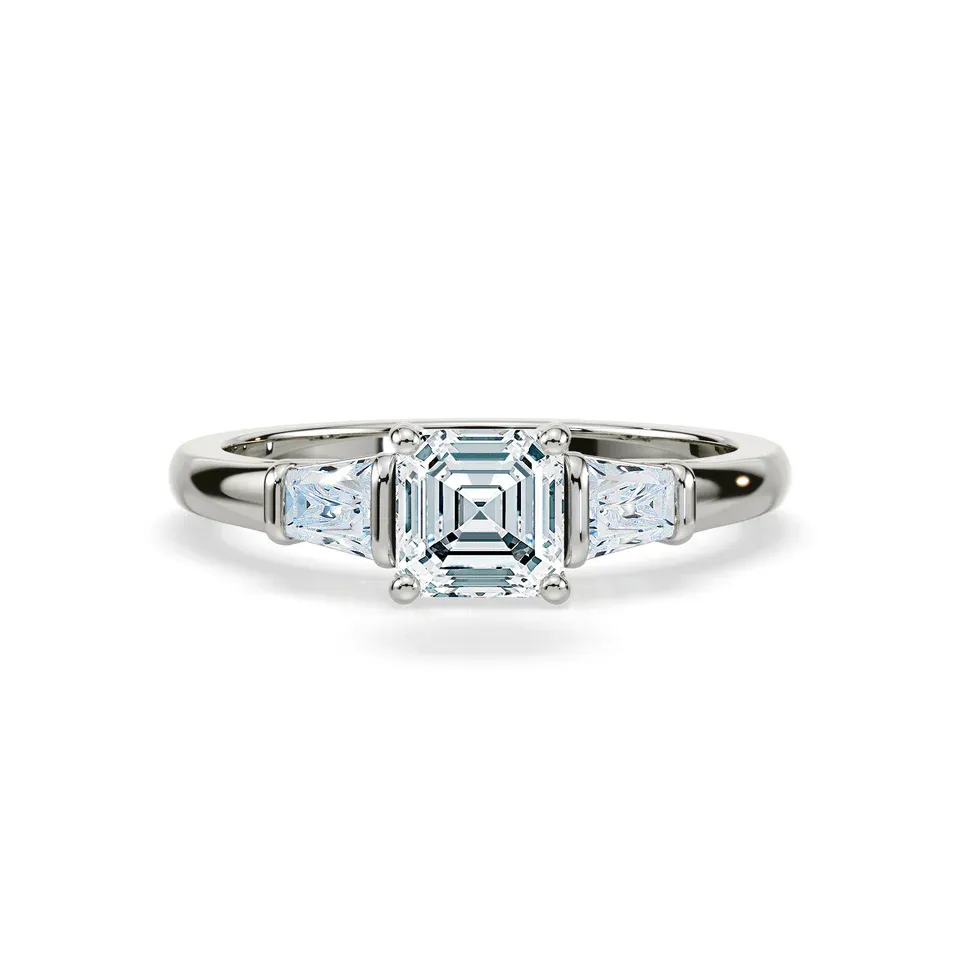
In 1902, Joseph Asscher created the world’s first patented diamond cut: a square step-cut with 58 step-cut facets, a small table, high crown, and steep pavilion with cut corners, founded on a geometry that produces an infinite depth of reflected light. The company held its exclusive patent until the Second World War, when the business was seized. The patent was dissolved, allowing the cut to enter the public domain and be replicated, often inconsistently, by anyone.
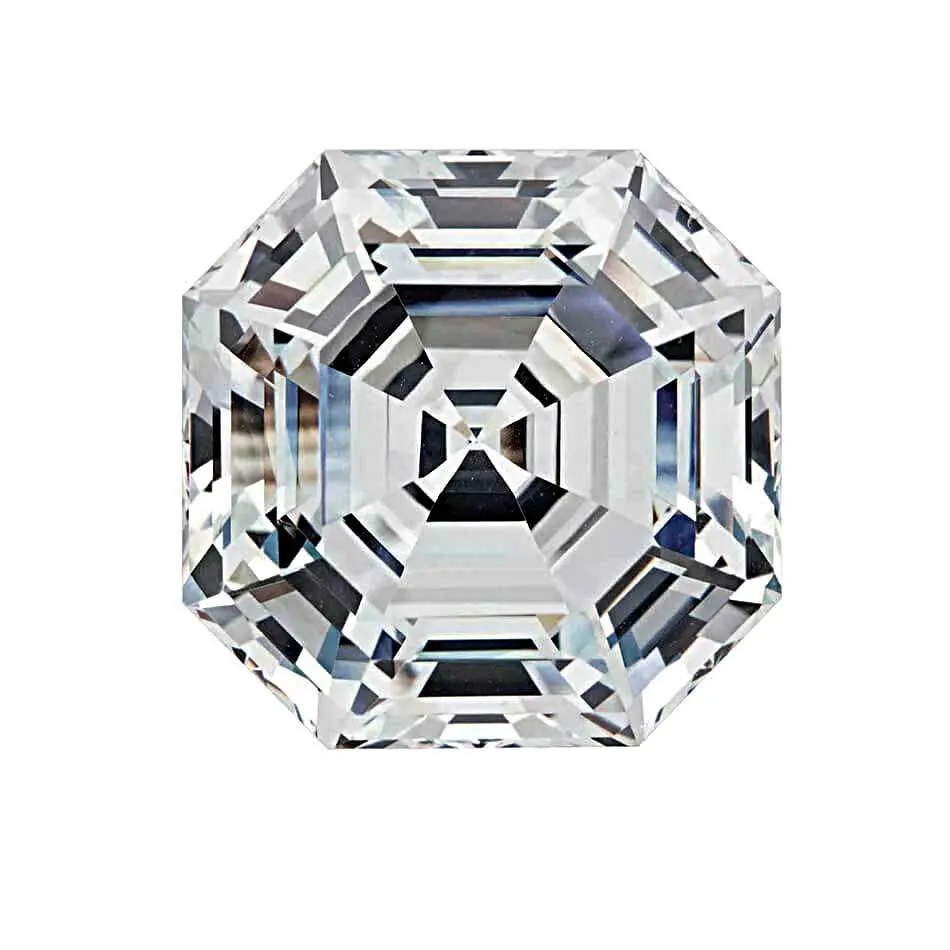
Nearly a century later, in 2001, Edward and Joop Asscher patented the Royal Asscher Cut, featuring 74 facets built on the original architecture, the facet count drawn from the family’s earlier cutting of the Cullinan II (the Second Star of Africa, now set in the Imperial State Crown). The house has since added the Royal Asscher Oval, Cushion, and Brilliant cuts, all patented.
Tiffany & Co.: Lucida, True, and Novo
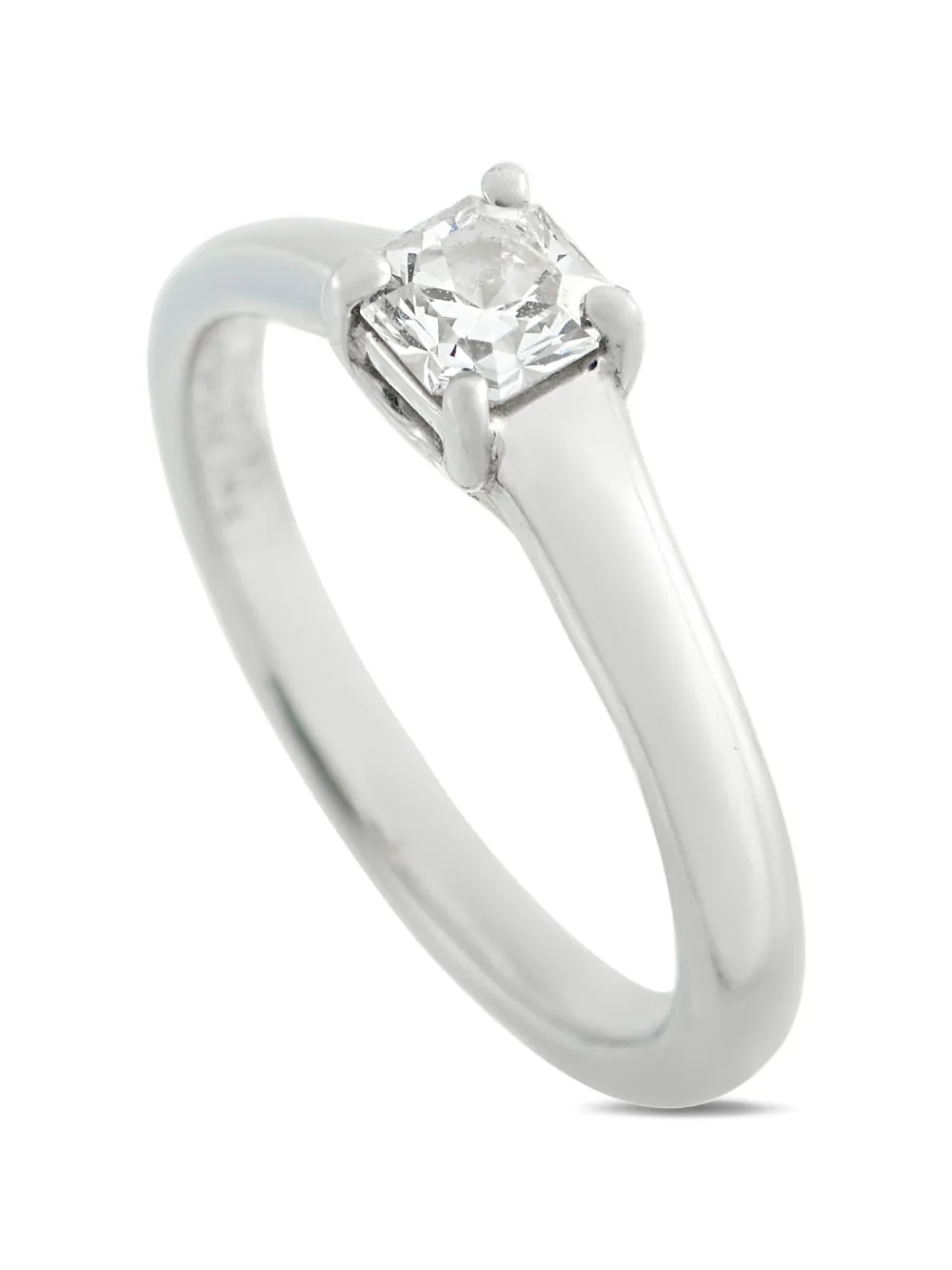
The Lucida, introduced in 1999 and now discontinued, was a square mixed cut combining a step-cut crown with a brilliant-cut pavilion. It had 50 facets and was named after the brightest star in a constellation.
The Novo followed, a cushion-cut inspired by the house’s own 128.54-carat Tiffany Diamond. It was engineered with the same facet count as a round brilliant to maximize light return. At present, Novo has been expanded to represent a whole line of diamond jewelry at Tiffany & Co., regardless of the diamond’s cut.
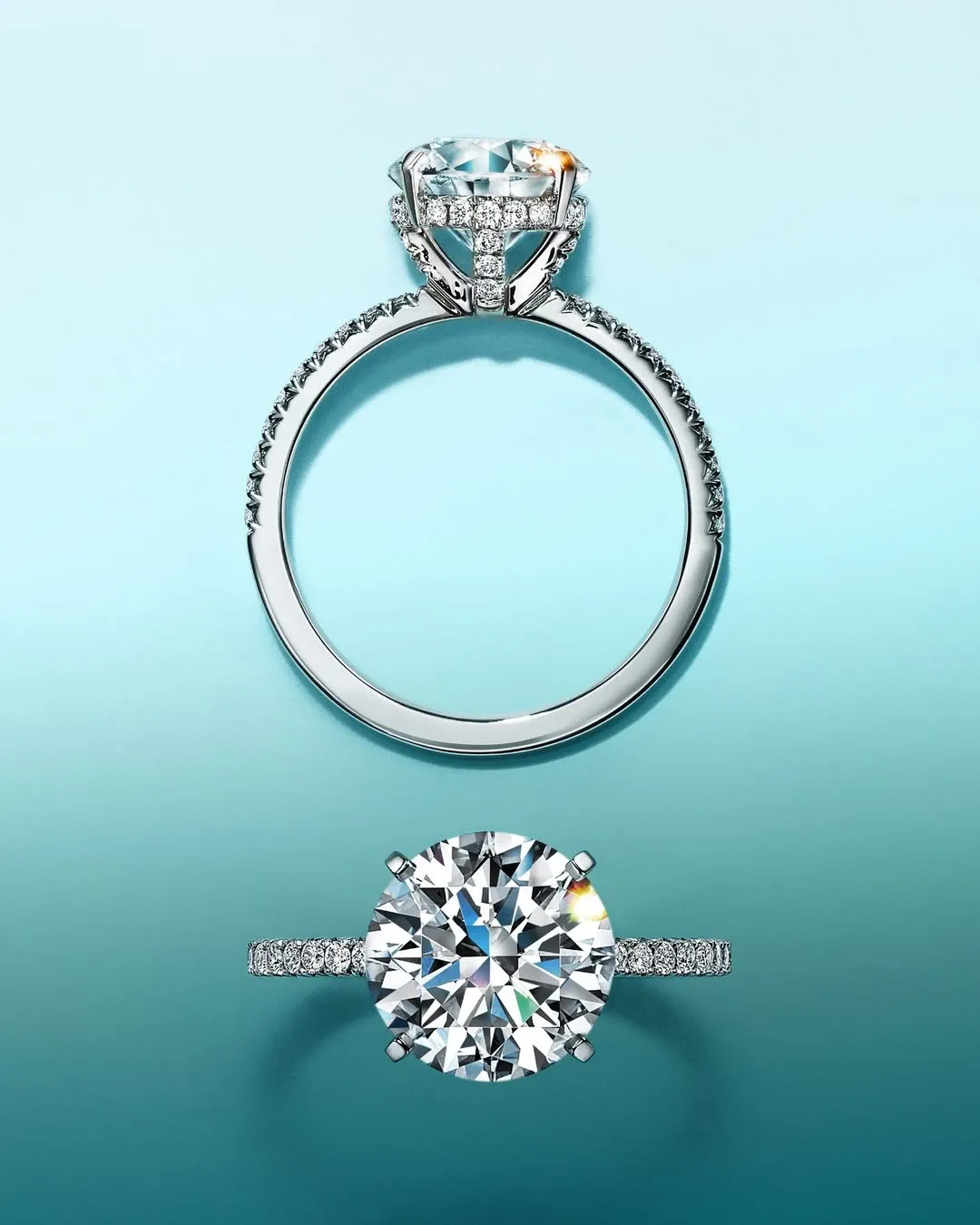
The current cut is the True, launched in 2018, also a mixed cut with a step-cut crown and brilliant pavilion, but built for fire rather than the depth the Lucida favored. These days, the Tiffany & Co. True, just like the Novo, refers to a whole line of diamond jewelry with diamond shapes in different kinds of cuts.
Garrard: The Eternal Cut
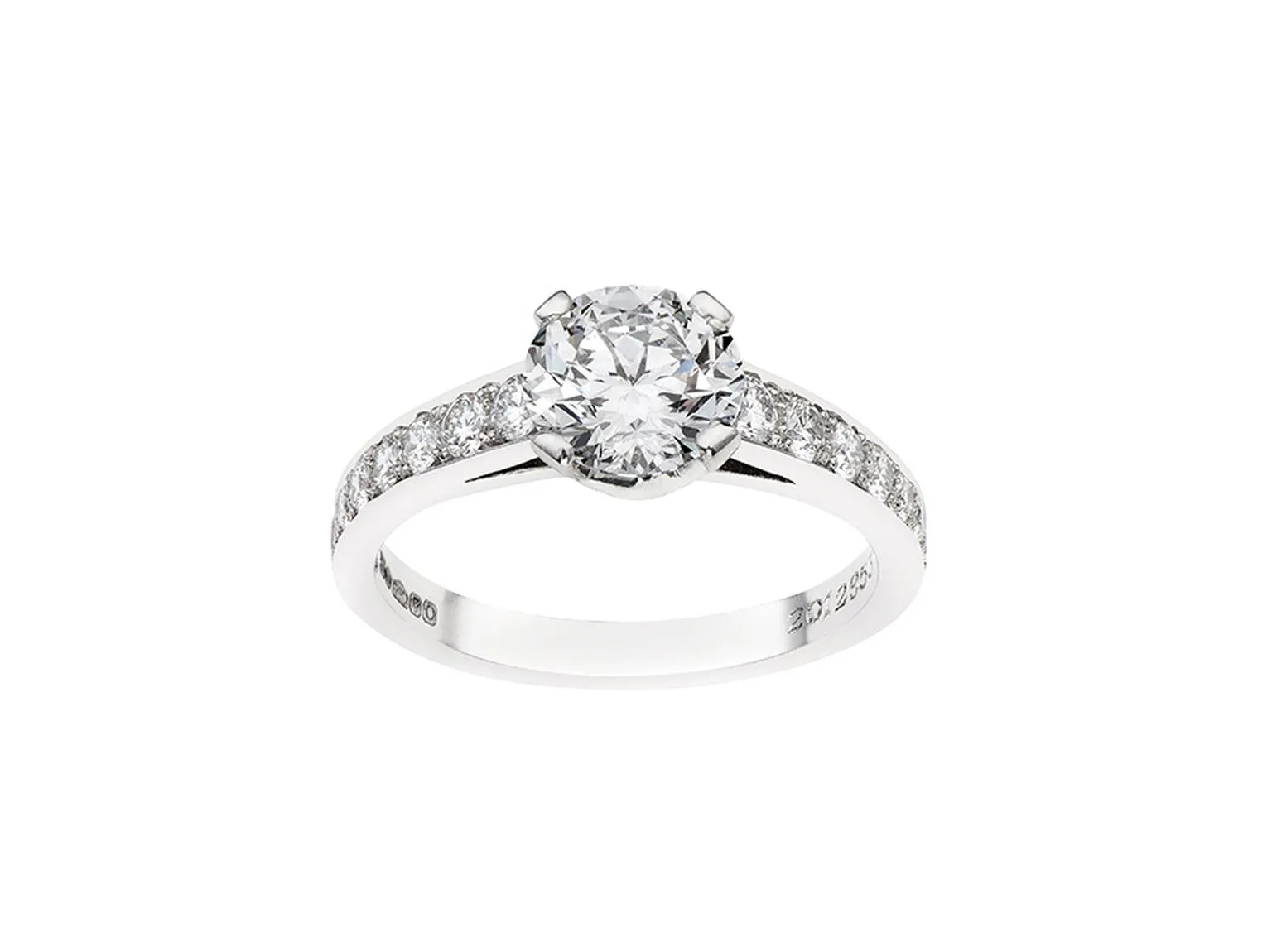
Designed by master cutter Gabi Tolkowsky—whose great-uncle Marcel established the mathematics of the modern brilliant cut—the Eternal Cut has 81 facets, 24 or 25 more than the brilliant cut. These facets are focused around the culet (the base of the stone) and features a petal design at its centre that intensifies reflected light. Available from 0.40ct to 50ct, Garrard describes its diffused brilliance as the opening of a flower or sunlight on soft waves.
Asprey: The Asprey Cut
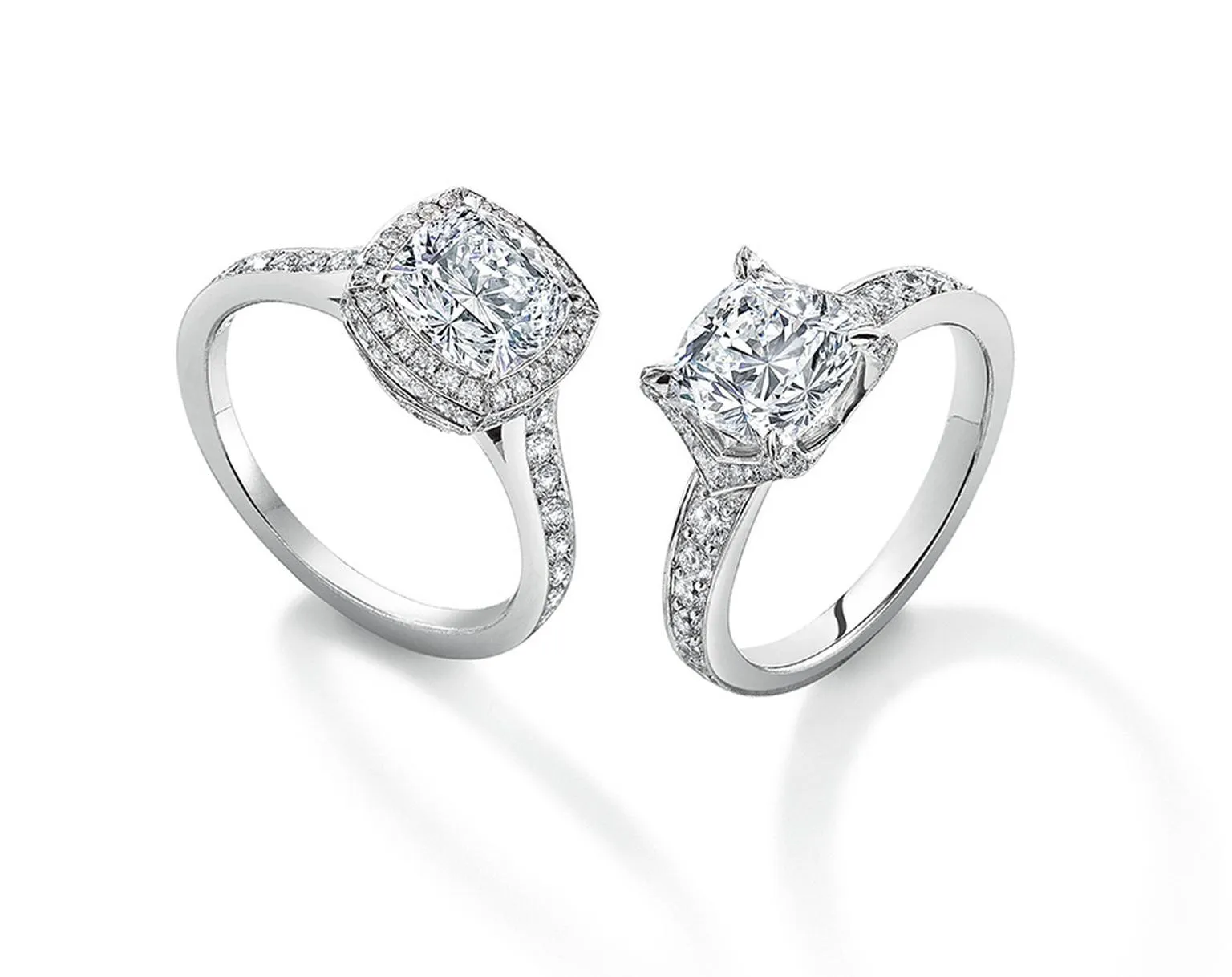
Also developed with Gabi Tolkowsky, the Asprey Cut is a contemporary interpretation of the cushion cut that played a central role in the relaunch of the British luxuryLuxuryA lifestyle defined by exceptional quality, craftsmanship, exclusivity, and sophistication, encompassing the finest products, services, and experiences that represent the highest standards of refinement and excellence.Go to Luxury Glossary house in 2004. The Asprey cut has 61 facets and limited to stones that are colored between D to G with clarity between flawless and VS2. They are identifiable by experts who look for the “A”s that are engraved on one side of the cushion.
David Yurman: The Signature Cut
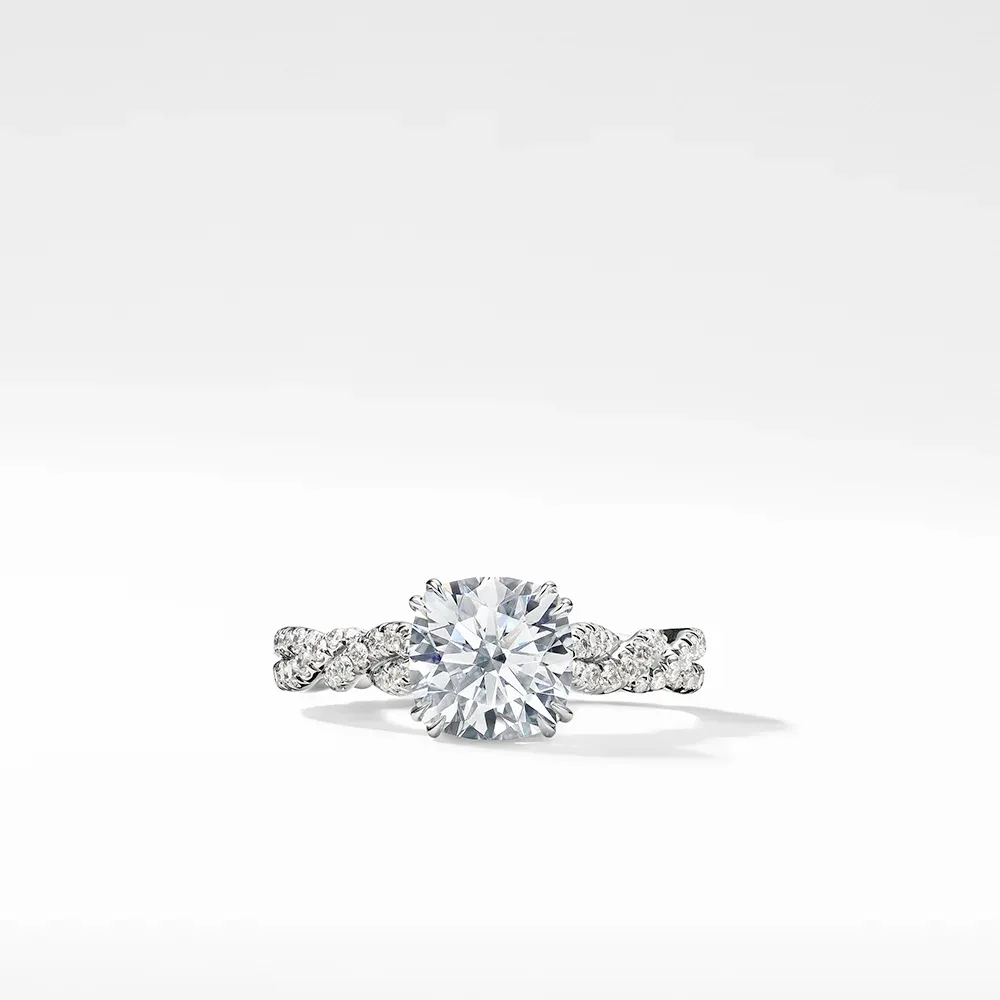
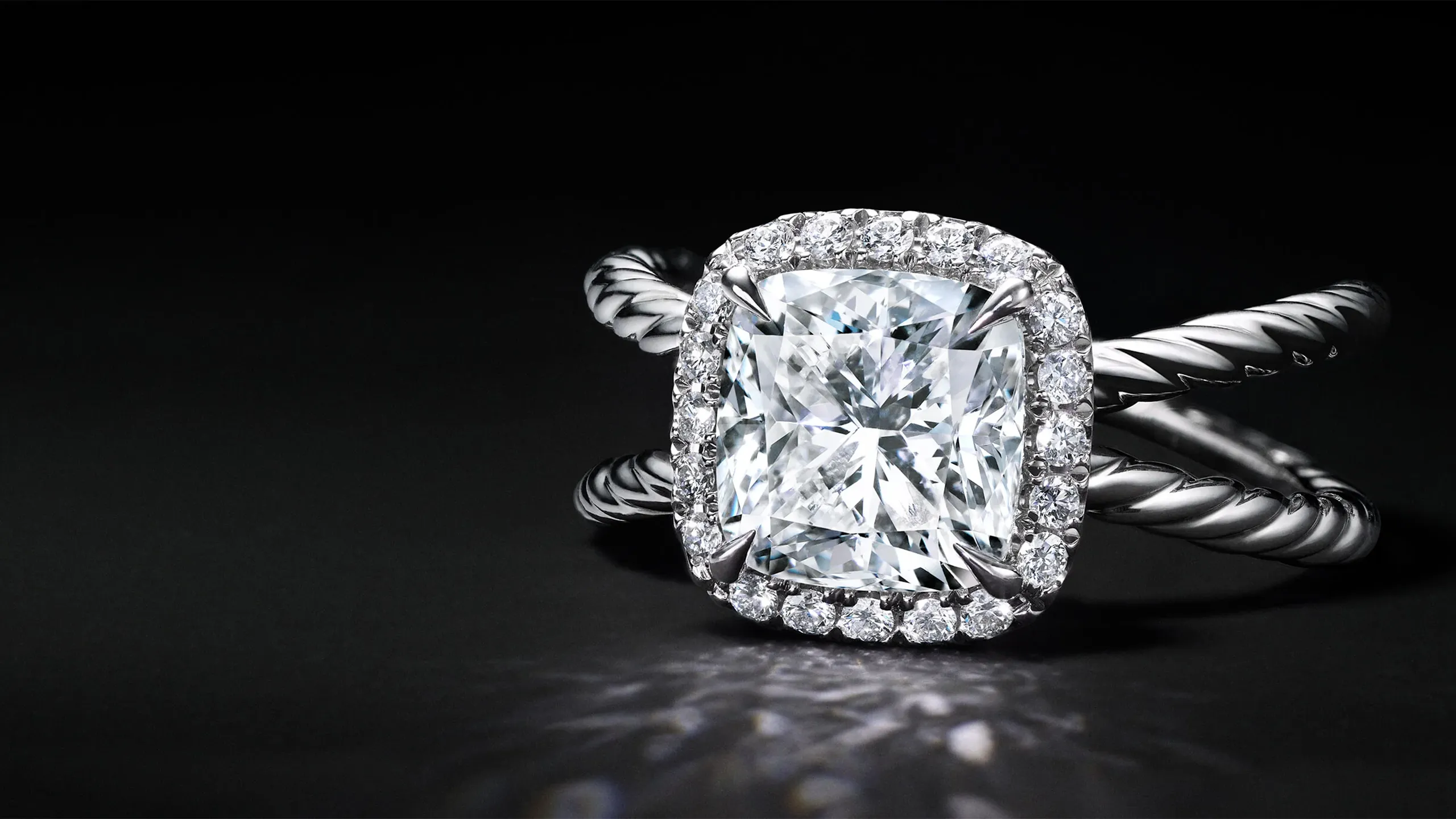
A cut that took two years in development, the David Yurman Signature Cut is a 58-faceted cushion cut engineered with a hearts-and-arrows precision (a term that refers to the same flawless alignment of facets in a brilliant cut) that the house claims gives it the highest refractory brilliance of any cushion-cut diamond in the world. Advanced cutting technology combined with traditional hand-finishing produces a stone whose internal symmetry is only visible under magnification. Through a loupe, one can distinguish David Yurman’s signature on the girdle.
Chaumet: The Taille Impératrice
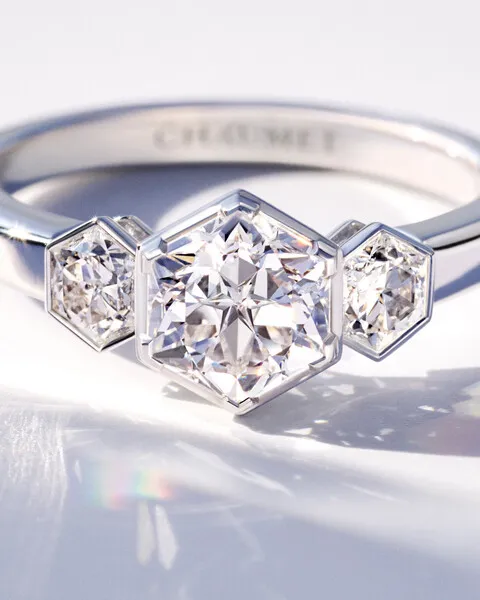
Chaumet’s 88-facet Taille Impératrice cut was inspired by the hexagonal shapes of the house’s Bee My Love collection. The name, Empress Cut, locates it squarely within Chaumet’s historical identity as jeweler to Napoleon’s court. At 88 facets, it exceeds the standard brilliant by 30, each additional facet an argument that more, in this case, is demonstrably better.
Louis Vuitton: The Flower Cuts and The Monogram Star
Louis Vuitton has made the most sustained commitment to proprietary cutting of any fashion house. The original Flower Cuts, a rounded-cut flower and a pointed-cut flower, each with between 61 and 77 facets, took over three years to develop and were cut at Lili Diamonds in Tel Aviv.
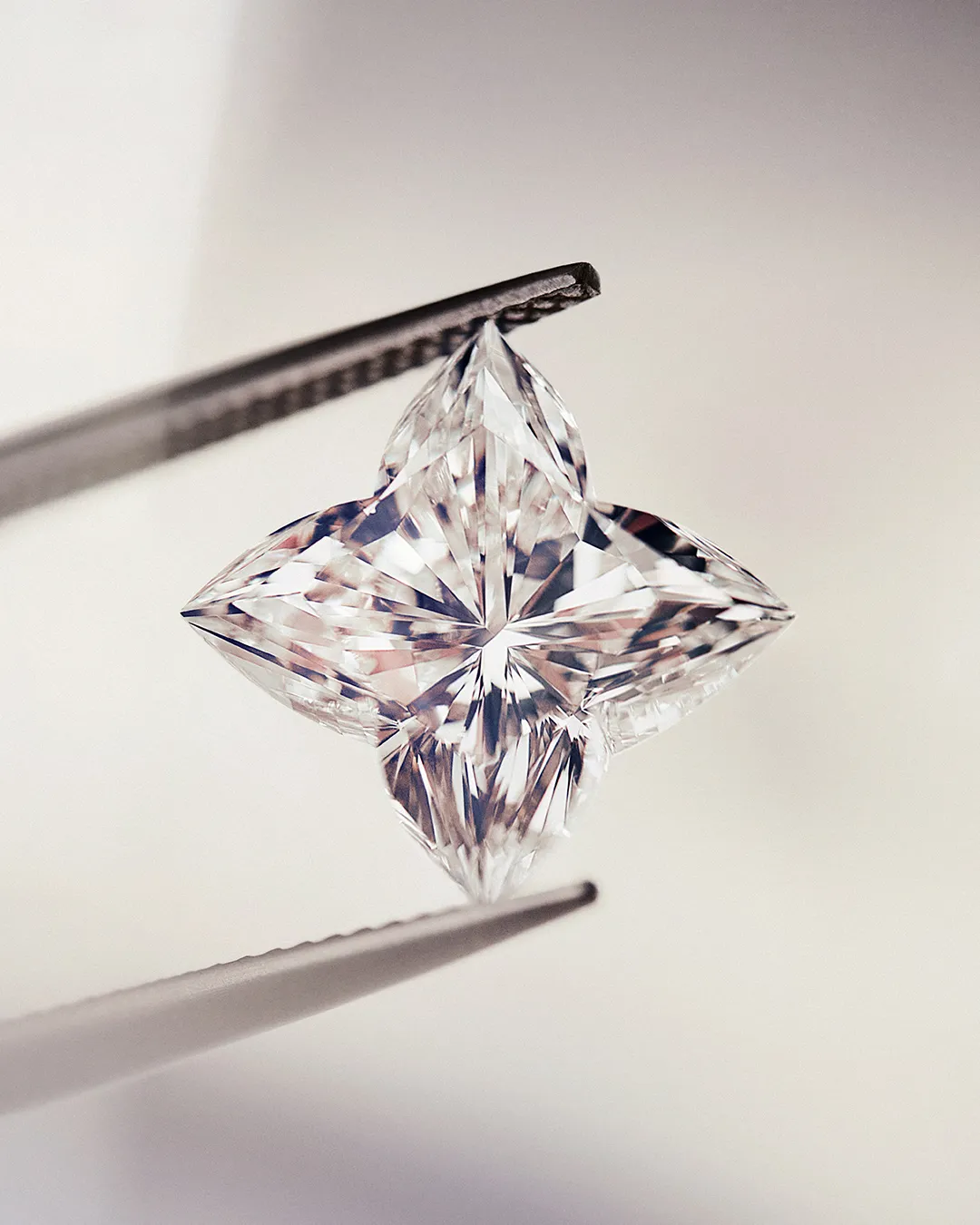
The house followed those with the LV Monogram Star, a 53-facet cut in the form of a four-pointed star with tapered ends, traced to the 1896 monogram flower fabric George-Louis Vuitton created to deter forgery of his trunks. Developing the Monogram Star’s symmetry took years of research; only the finest rough stones qualify, as the cut exposes flaws that a conventional shape might conceal.
Jacob & Co.: The Angel Cut
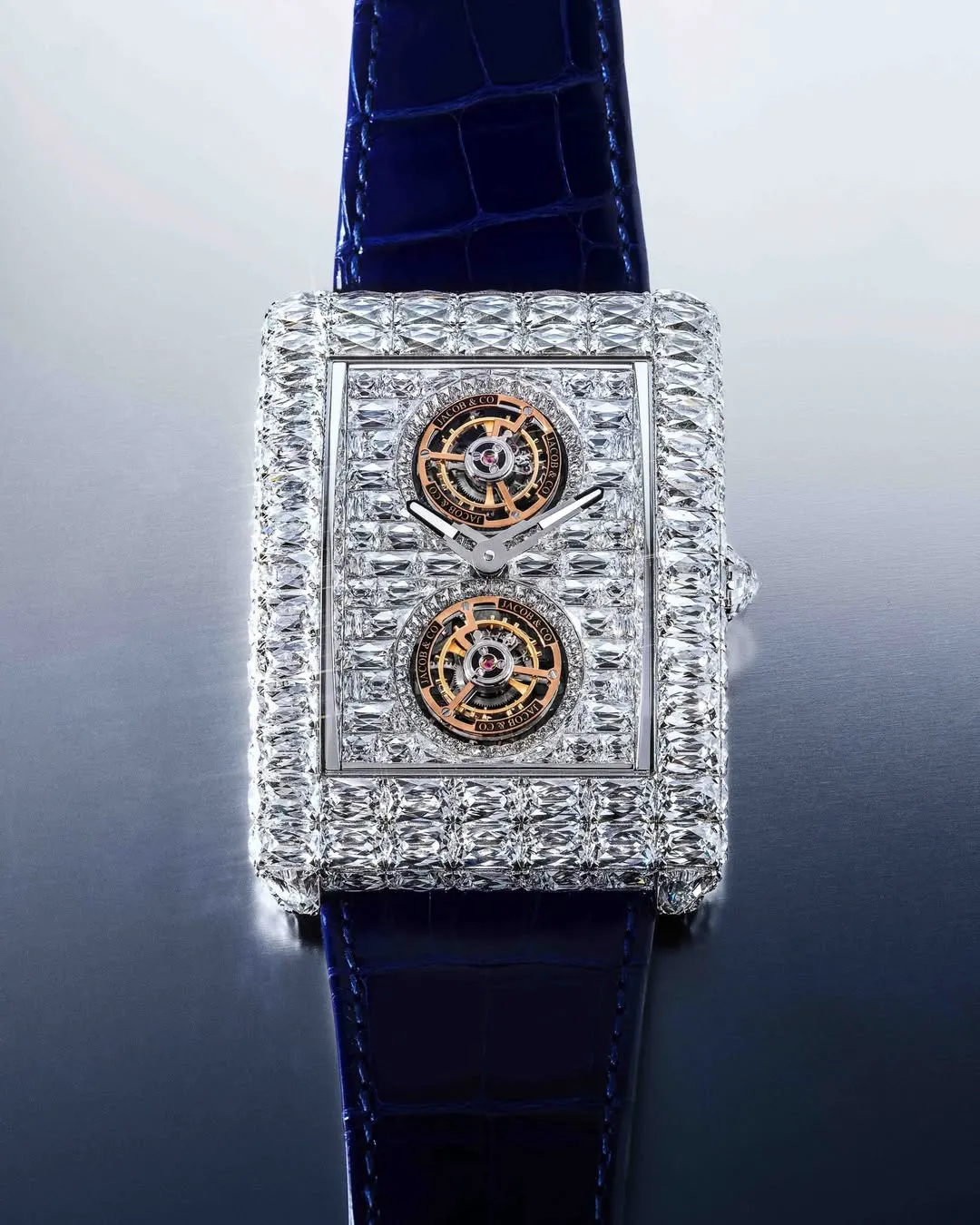
Developed over two full years and unveiled to mark the brand’s 40th anniversary, the Angel Cut is a 37-facet patented cut; the number of facets was chosen to reflect the 37 years of marriage between founder Jacob Arabo and his wife Angela, after whom the cut is named. It debuted set across the dial of the Billionaire Double Tourbillon, where 98 Angel Cut diamonds totalling 51.13 carats cover the case.
Mellerio: The Mellerio Cut
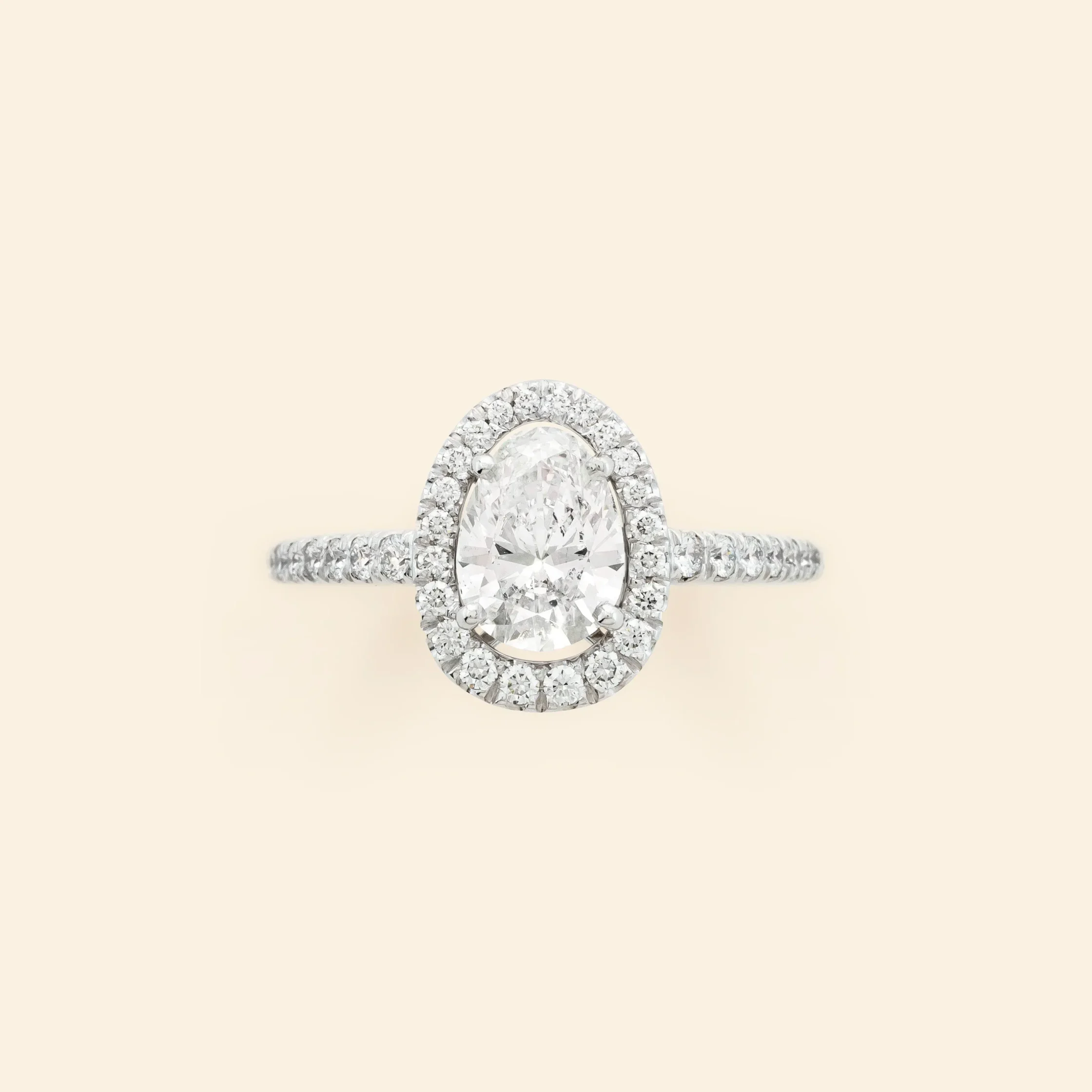
Founded in 1613, Mellerio is the oldest family-owned jewelry house in Europe, which makes it, by some distance, the oldest on this list. The Mellerio Cut debuted in 2005 with 57 facets (24 on the crown, 33 on the pavilion) and produces an ovoid silhouette, an oval set within an ellipse. It’s a shape the house traces to the Sancy Diamond, a well-known, storied, ovoid diamond gifted to Marie de Medici, which in the 20th century found itself in the possession of the Astor family for over 70 years until the Louvre bought it for $1 million dollars in 1978. As current president Laure-Isabelle Mellerio has put it, four centuries in the service of the diamond deserved a cut of its own.
William Goldberg: The Ashoka
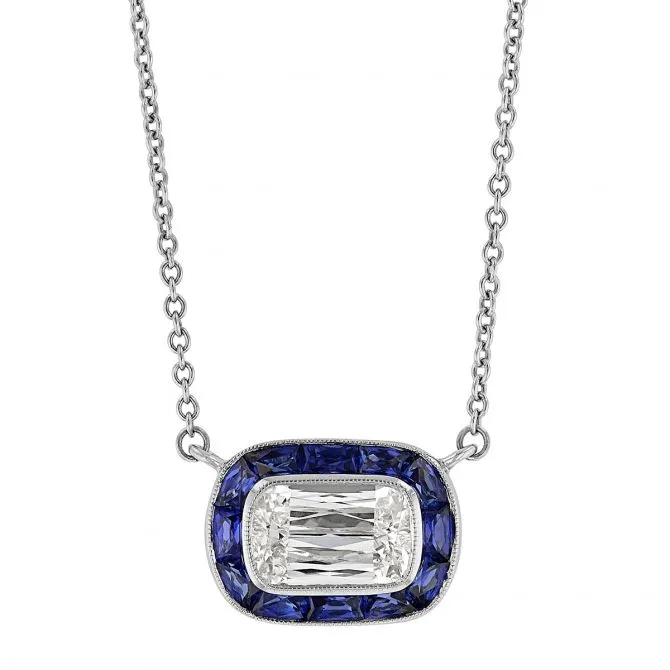
The Ashoka is an elongated cushion-cut with 62 facets, and while it’s closely associated with Kwiat, the fourth-generation New York diamond house founded in 1907, it was actually first introduced by William Goldberg in 1999 and trademarked with the US Patent and Trademark Office. That being said, Kwiat is the exclusive US distributor of the Ashoka. The cut is named after Ashoka Maurya, a 3rd-century B.C. Buddhist warrior-emperor.