Why This Spring Sale May Be the Most Consequential Design Auction in Years




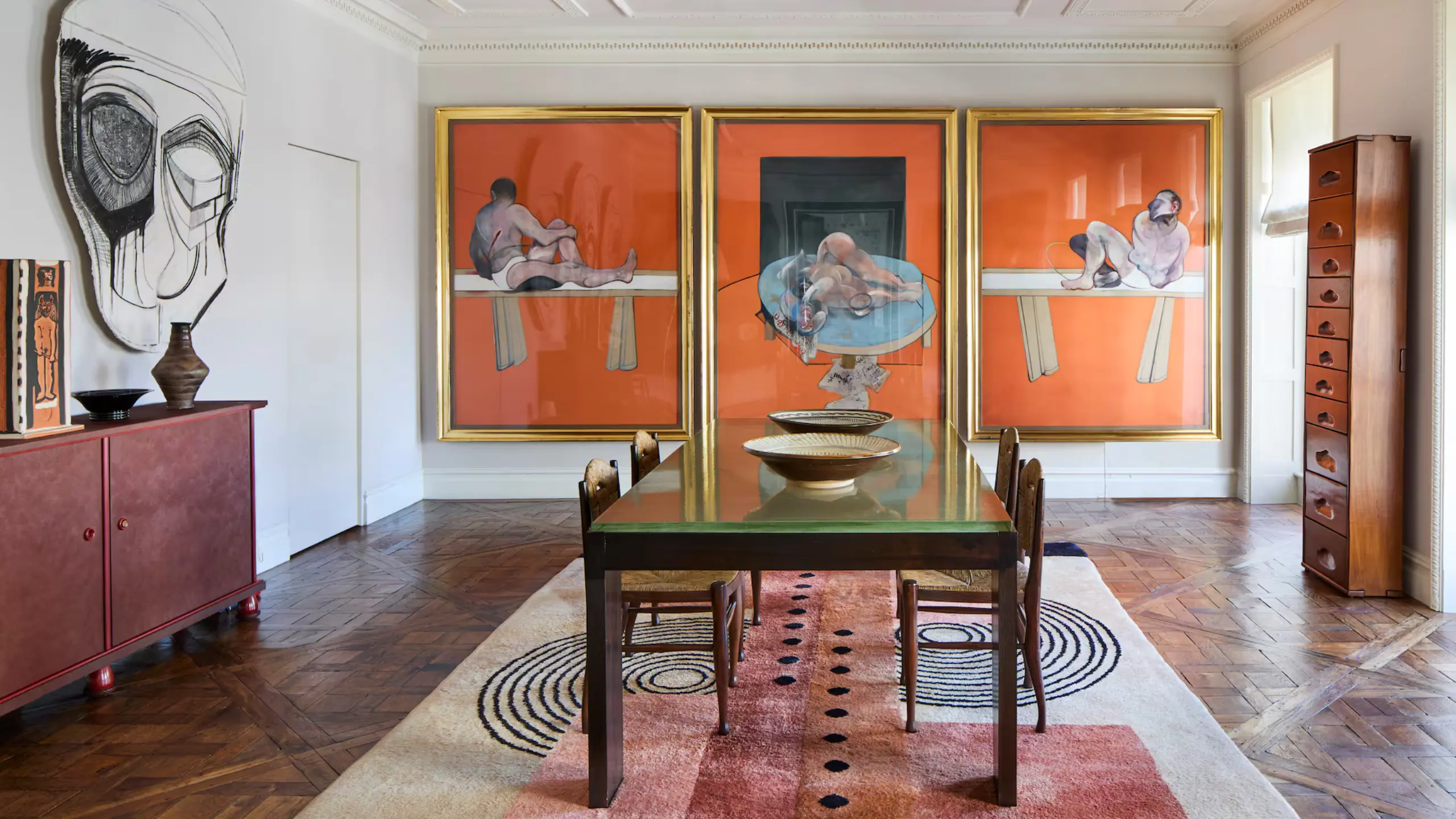
When Sotheby’s brings the de Gunzburg collection to the block this April 22nd, it does so with more than 120 works and a $43 million estimate.
The real significance lies in how this sale positions 20th-century design as the main event. Works from that period have more decisively entered blue-chip territory as of late, underscored by Sotheby’s record $31.4 million sale of the Lalanne Hippo Bar last December. Now it presents the collection at a wider scale.
Unlike most private collections shaped by trend or proximity, the de Gunzburg holdings take a curatorial approach from the outset. Installed across multiple homes but anchored in their Jacques Grange-designed New York City apartment, the works were acquired with a collector’s discipline rather than a decorator’s instinct. Many insiders are treating it as a sort of thesis on 20th-century French design.
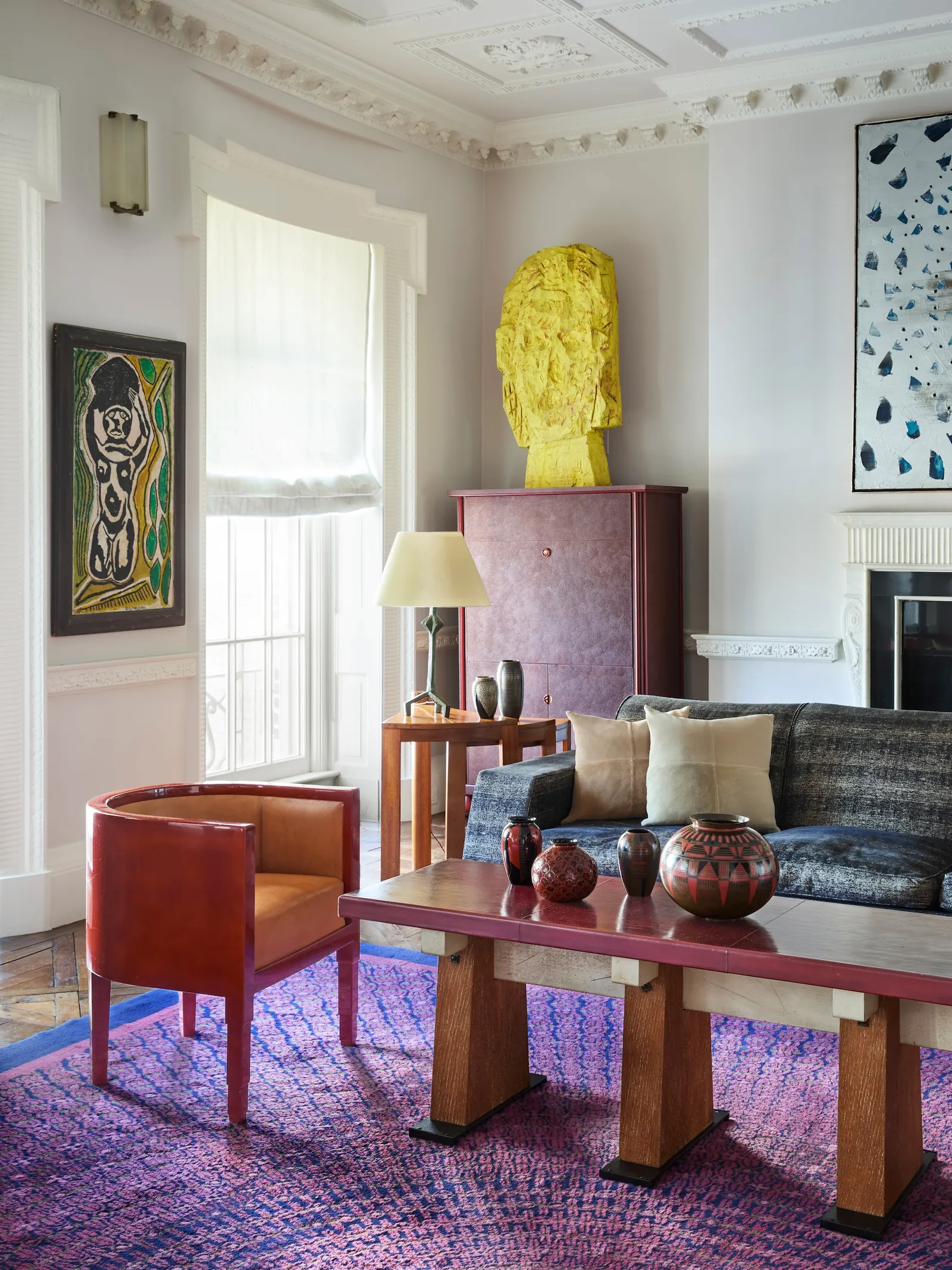
At the center of the sale is a group of 15 gilt-bronze mirrors by Claude Lalanne, originally commissioned for the Paris home of Yves Saint Laurent and Pierre Bergé. Even with a high estimate of $15 million, it still feels as though that they might exceed expectations, considering that all things Lalanne have taken on near-mythic status.
Works by Jean-Michel Frank, Jean Royère, André Groult, and Alexandre Noll also appear as part of an ongoing conversation about material and form. Many of these pieces are expected to push toward the $1 million mark, a figure that would have seemed aspirational for design even a decade ago.
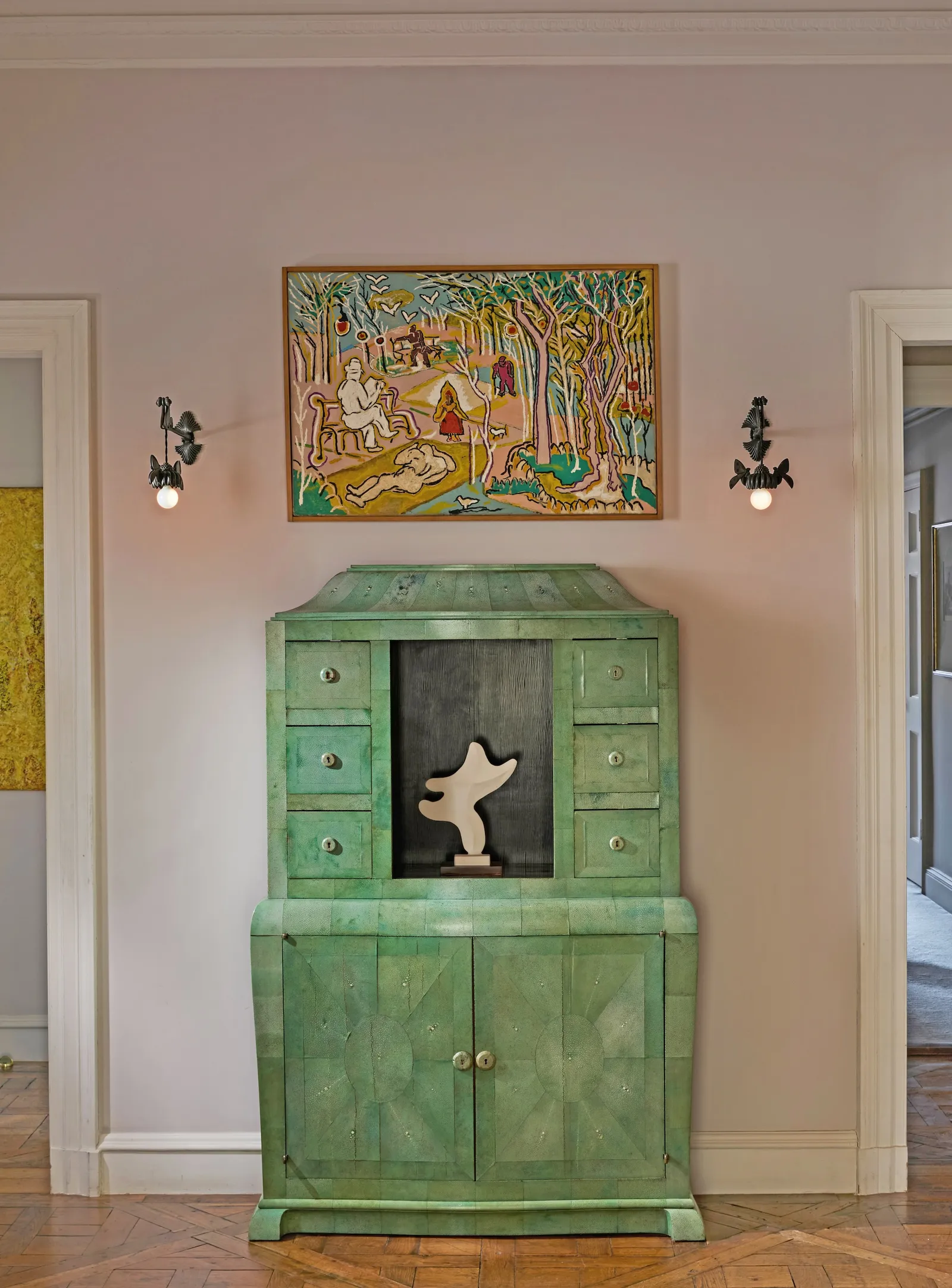
Among the more striking is the green shagreen-clad cabinet by Groult, dating to the 1920s. With an estimate around $800,000, it sits below the sale’s flashier lots, but arguably captures the intellectual core of the collection more precisely. Groult’s work is all about the economy of form (luxuryLuxuryA lifestyle defined by exceptional quality, craftsmanship, exclusivity, and sophistication, encompassing the finest products, services, and experiences that represent the highest standards of refinement and excellence.Go to Luxury Glossary expressed through material rather than ornament) and the cabinet’s lacquered green surface, with its subtle, almost reptilian texture, is a study in surface tension.
Then there are the striped sideboards by Royère, executed in ash, walnut, and ebony veneer, each expected to approach the $1 million mark. Royère has always occupied an interesting position in the market. Too playful for strict modernists. Too refined for pure whimsy. Nevertheless, that ambiguity is precisely what makes these works resonate today.
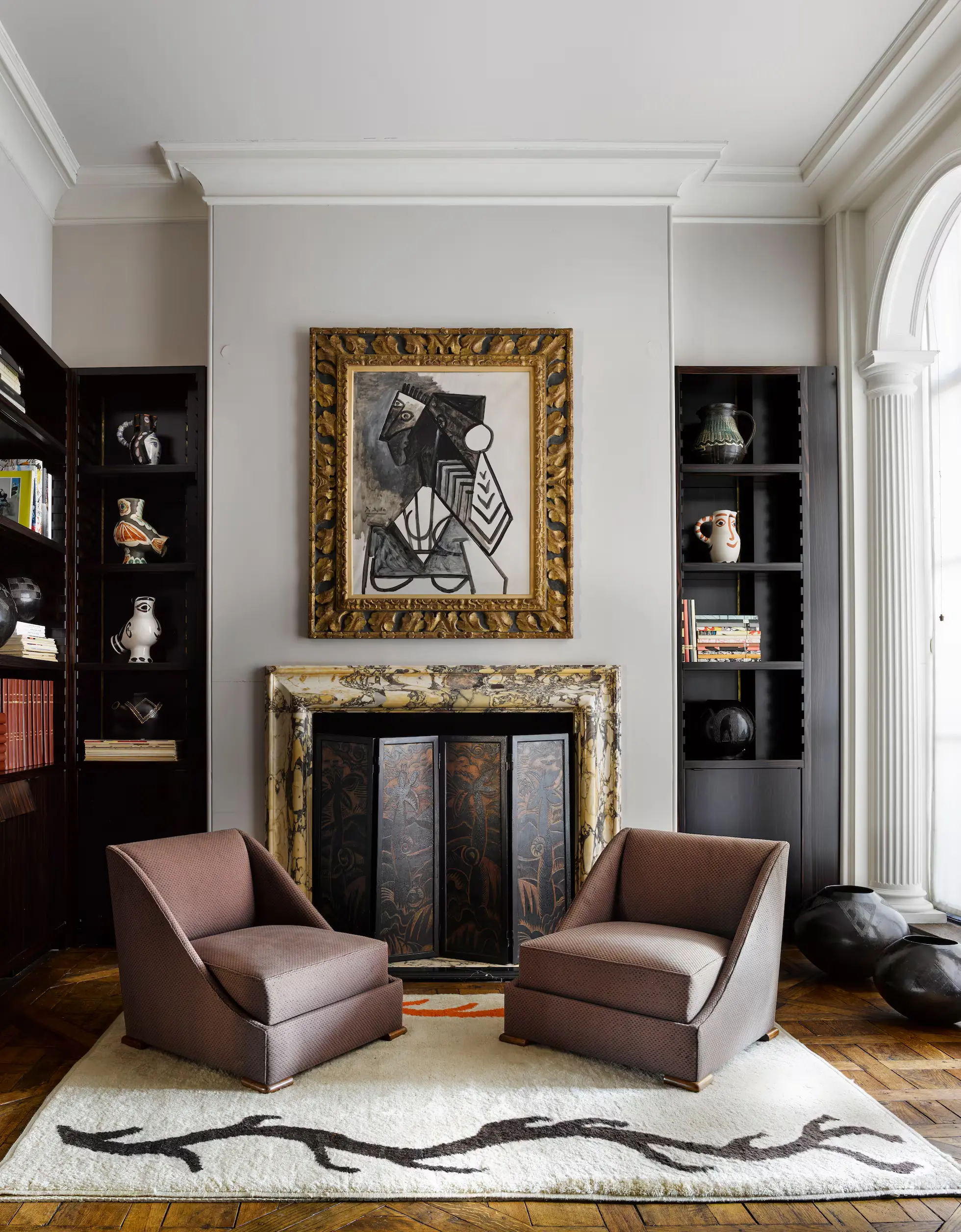
Equally compelling are the pair of mahogany cabinets by Noll from 1946, with a high estimate of $1 million. Noll’s work often blurs the line between furniture and sculpture, and these cabinets are no different. Carved with a sensitivity that borders on the organic, these objects are shaped as much by intuition as by design logic. They serve as a counterpoint to the polish of Art Deco and the elegance of Royère.
ProvenanceProvenanceThe documented history of an object's ownership, origin, and authenticity, particularly important for classic cars, watches, art, and wine. Strong provenance can dramatically raise an item's value, and collectors andGo to Provenance Glossary, of course, plays its part. Terry de Gunzburg’s long tenure at YSL Beauty lends a personal dimension to key acquisitions, while Jean de Gunzburg’s background as a molecular and cell biologist—and his lineage within the storied Gunzburg family—adds an extra layer of intellectual framing to the narrative around the auction.
Sotheby’s has spent the past several seasons building momentum in the design category, punctuated by headline-grabbing results for works by Les Lalanne and a growing appetite among collectors for objects that sit somewhere between sculpture and function.
More on the catalogue here.