Cecile Licad: Beyond the Standing Ovation




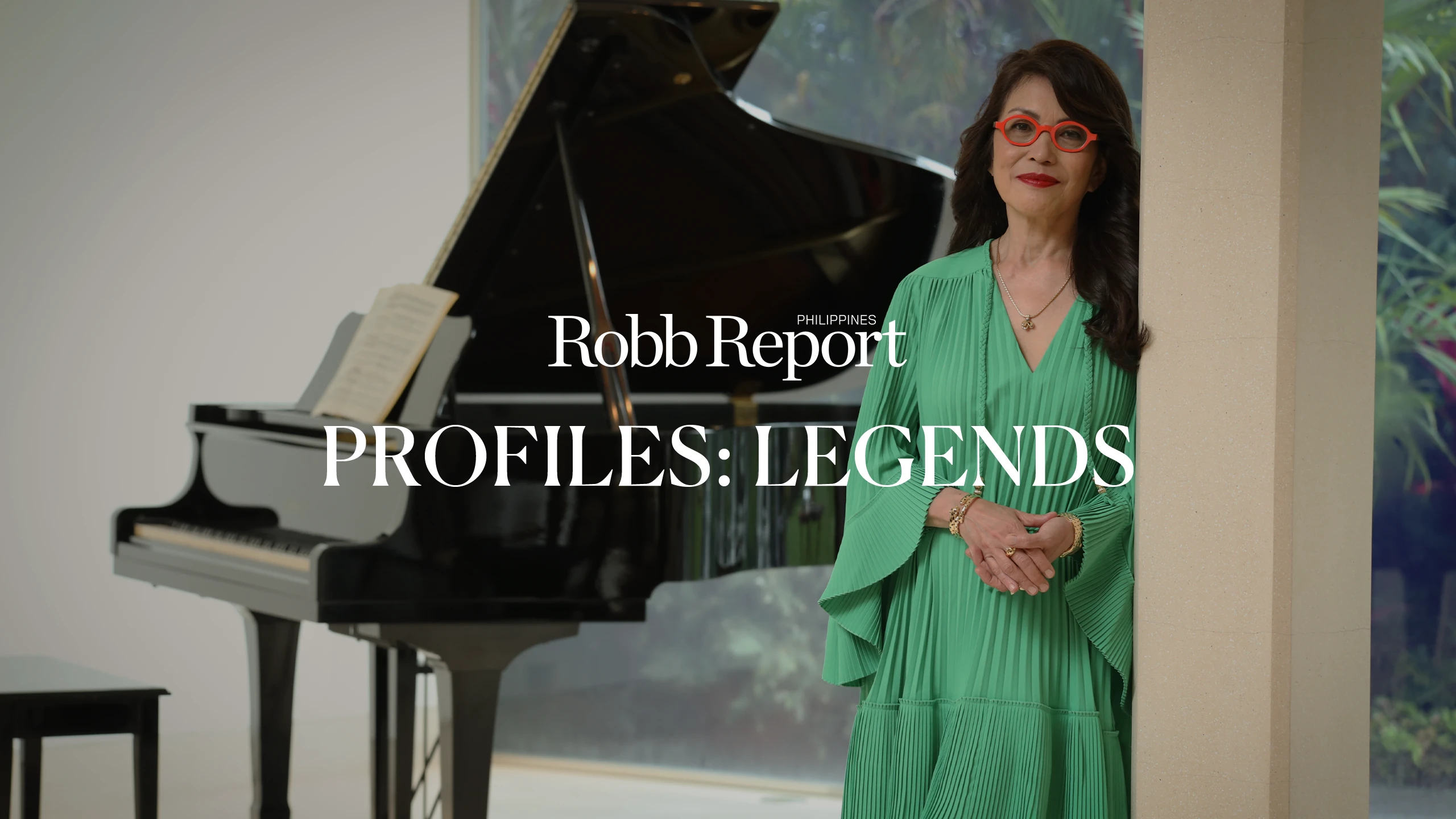
Cecile Licad has been up before dawn to take the only direct flight to Virac, Catanduanes, where she is scheduled for an outreach concert the next day, the last in a string of performances around the Philippines. The acclaimed New York-based pianist and former child prodigy has been performing almost nonstop for the last few weeks. Yet she is wide awake and giddy at the prospect of exploring a new place she’s never been to before. She joins the dancers who welcome her outside the Virac Airport arrival hall, takes a photo with bunches of bananas growing on a plant, and asks if she can take a tricycle ride at some point during the trip. (Story continues after video.)
Video:
On the way to her hotel, she asks the van driver to pull over at a deserted beach cove. She steps out, breathes in the sea air, and stares out at the sparkling waters embraced by rocks crowned with trees.
“How much time do we have?” she asks her travel companion.
“About 15 minutes,” comes the reply.
Cecile nods, heads back to the van to pull out her swimsuit from her luggage, ducks behind the seats to make a quick change, and is soon bobbing about in the sea.
In just under a quarter of an hour, she’s back in the van, eyes alight, hair wet, clothes back on, albeit damp.
“Thanks, I needed that,” she says.
“As a musician, people assume I have a glamorous life traveling, but I’ve never really seen places,” she told us in an interview a few weeks earlier. “When I go to a city, I go to the hall, I go to the piano, and I have to work. So I have no time to look at places. People ask me, ‘Oh, how is Italy?’ I don’t know!”
At the provincial capitol for a courtesy visit, Cecile peruses souvenir items at different stalls. She picks up a broomstick and, giggling, mounts it like a witch and hobbles about to the delight of the vendors and others around.
“I feel like I’m still a kid,” Cecile said.
“I never had a childhood, a real normal one, because I was always practicing.”
Cecile’s mother, Rosario, was a piano teacher, and her father, Jesus, a doctor, wanted all his children—three older sons and Cecile—to be musically inclined.
She says the family all shared a bedroom, which her father’s best friend had wired with a cassette recorder that played the music of the greatest composers and musicians all day and all night long. She fell asleep to music, woke up to it, lived with it.
“We started out by reading notes. We had a blackboard near our dining table, and after breakfast, my mother would draw a staff and notes. I was just a child, maybe two years old, fascinated by the board and the chalk. I liked what I was seeing, so apparently I learned first. And then, since my mother was teaching students all day, I was there crawling around under our upright piano, the music was always in my ears.”
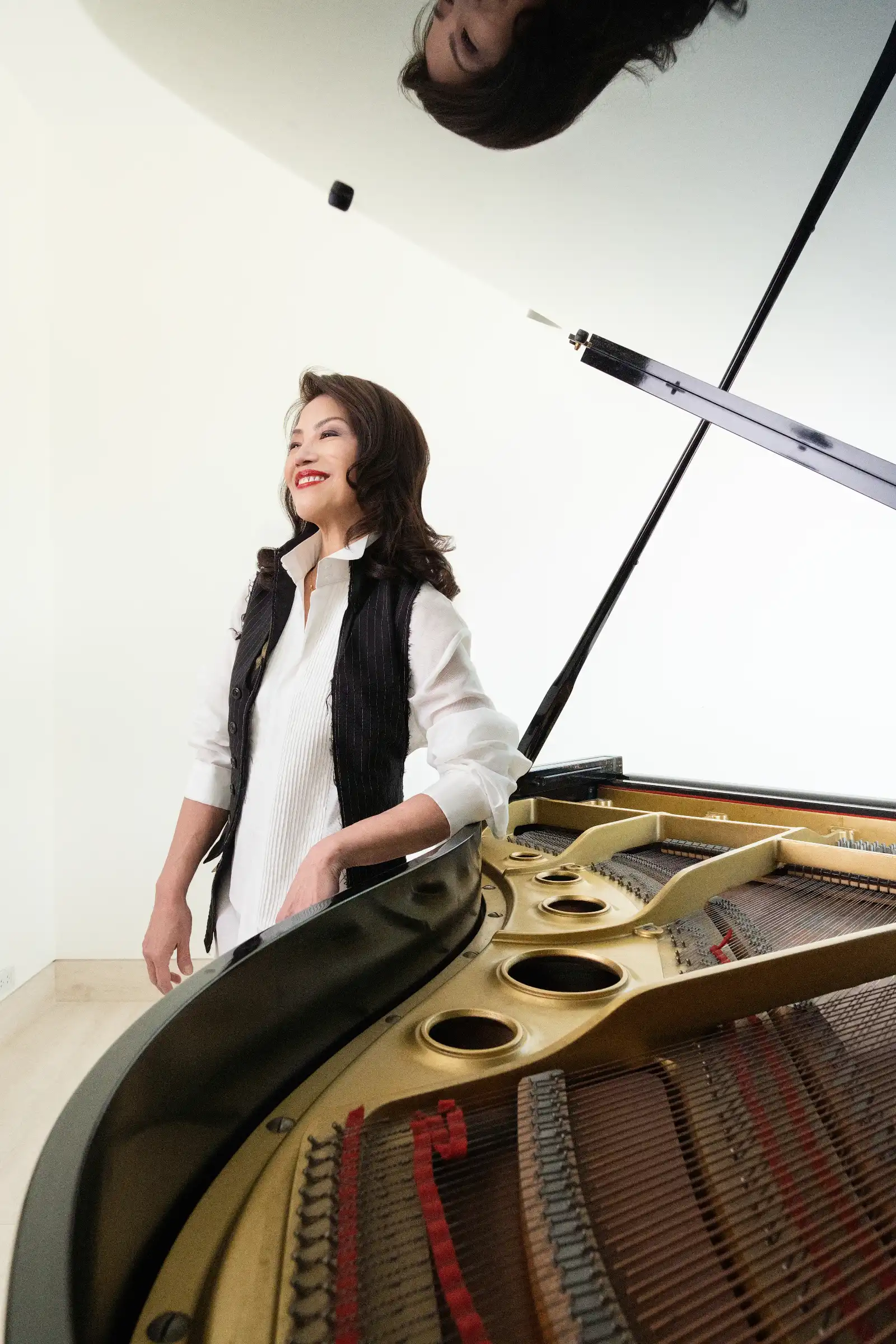
Not long after, little Cecile remembers being in a nice dress and playing “Dance of the Fairies” and “By the Sea” at a recital.
“My family always liked narratives, telling stories through music. That interested me. It was like reading books, but instead it was listening to music,” she says.
At 5, Cecile says she was already very stubborn and refused to learn piano from her mother, so they enrolled her with a new teacher, Rosario Picazo.
“I loved my teacher, I looked forward to all my lessons, I became such a diligent, disciplined student,” Cecile says.
“But even then, I already had my own mind—I’ve always had my own mind—and I’d already do my own thing. My mother would sit behind me and pinch me in the back very discreetly, reminding me to follow my teacher. One day, I said ‘Ouch! Stop it!’ so my teacher would know. I wanted to do my own thing. That’s very important to who I am now. When I’m learning something, I need to learn to like it how I like it.”
Cecile says she was told she learned faster and faster, till she made her debut as a soloist with the Philippine Philharmonic Orchestra at the age of 7. At 11, she was accepted into the Curtis Institute of Music in Philadelphia.
“It was hard for me. I was a child here eating taho and street food, and then suddenly I was in a different country. So basically, I didn’t talk for about a year. People thought it was because I didn’t speak English, but I did. I just refused. I just wanted to speak Tagalog. I was just practicing mostly. The school gave me a Steinway Grand and I practiced every day,” she says. “It was a very quiet life. I lived three blocks from the school. I walked there every day. My mother was with me, and she cooked rice for me every day. You can’t take Filipino food away from me till now,” she says.
“My training was quite rigorous then,” she says of her time with her teachers Rudolf Serkin, Seymour Lipkin, and Mieczysław Horszowski.
At 13, she became a soloist for the Philadelphia Orchestra, playing a movement from a Rachmaninoff concerto.
“I’m glad I learned those pieces at a young age,” she says.
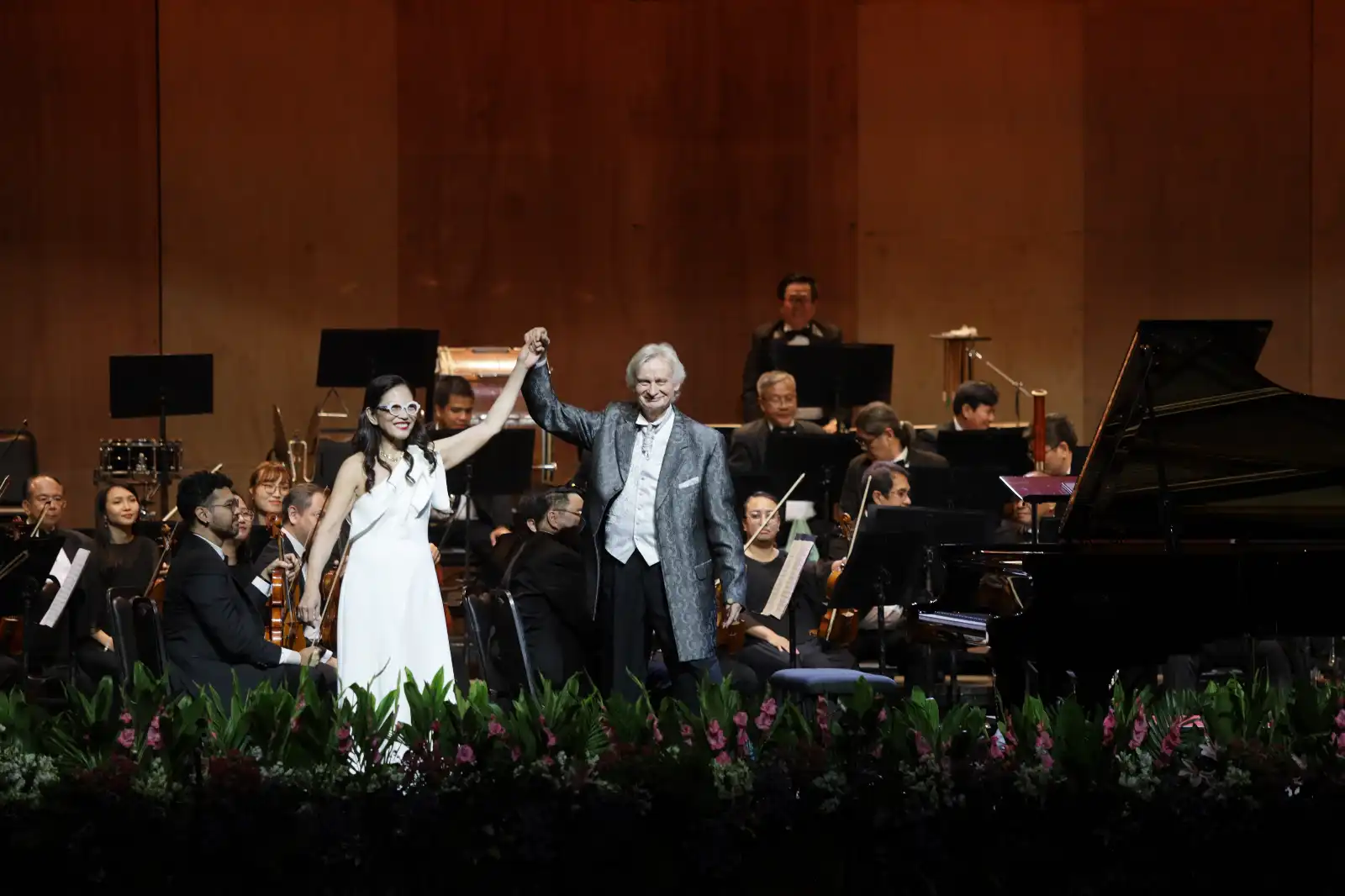
Through the years, Cecile has performed with many major orchestras around the world, including the New York Philharmonic with Zubin Mehta, the Chicago Symphony with Claudio Abbado, and the Boston Symphony with Seiji Ozawa.
When she was 15, Serkin, the director of the Curtis, as well as a legendary concert pianist, decided to move to Vermont and start the Institute for Young Performing Musicians, focusing on gifted students whom he wanted to teach. He invited Cecile to join him, and she accepted.
“My teacher was a legendary concert pianist, so he’d travel, and he’d call me and say, ‘Can you learn Chopin’s 12 Études next week?’ You know that’s the hardest thing, a nightmare for all pianists. They’re some of the hardest pieces even now. He was probably kidding. But you know me, as a Filipino, I take things seriously. I had something inside me that if I learned something, I had to do my best to learn it and to play it. I practiced 13 hours a day. That’s the way my character is.”
Under Serkin’s tutelage, Cecile became the first musician in a decade to win the Leventritt Foundation Gold Medal, joining the ranks of esteemed talents Van Cliburn, Pinchas Zukerman, and Itzhak Perlman. She was 19 years old, one of the youngest to ever receive the prestigious award. It gave her instant international recognition and practically set in stone her lifetime career as a professional musician wowing audiences in concert halls across the globe for over four decades.
Hailed by The New Yorker as “a pianist’s pianist,” she more recently elicited high praise from the New York Classical Review for her Carnegie Hall concert in December of 2024.
Her discography is extensive, including a recording of Chopin’s Piano Concerto No. 2 and Saint-Saëns’ Piano Concerto No. 2 with the London Philharmonic conducted by André Previn, which won the piano and orchestra works category of the Grand Prix du Disque Frédéric Chopin by the Chopin Society in 1985. She has also recorded concertos with major orchestras and conductors, chamber works, and collaborations for labels such as Sony and Hyperion, showcasing her dynamic technique.
As we write this, she is back home in the Philippines, at the tail end of a month-long tour, which started with “The Pianist’s Pianist,” a concert at the Metropolitan Theater presented by Rustan’s, continuing the legacy of the late Nedy Tantoco, one of Cecile’s patrons. Nedy’s son Anton spearheaded the fundraising project as chairman of the Philippine Philharmonic Orchestra Society. It was followed by performances in Quezon City, Antipolo, Baguio, and Iloilo.
The trip to Virac is bittersweet. Like many of her previous outreach concerts, it had been arranged by arts and culture journalist Pablo Tariman, her longtime friend for close to five decades, to help bring her music to audiences around the country.
In Virac, Pablo had worked with the local government to promote arts and culture in the province, known as the Land of the Howling Winds due to the frequency of typhoons. It is also referred to as Happy Island, due to its joyful vibe.
Pablo passed away on the eve of Cecile’s trip to his beloved hometown, a trip he had been looking forward to for months, but alas, could not be part of. Fortunately, Cecile had visited him at the hospital a week earlier.
Pablo had long before made arrangements for what Cecile would do in Virac, including lunch at one of his favorite restaurants, where we were served kilawing tanigue, cocidong lapu-lapu, laing, and other local delicacies, a menu Pablo had specifically planned, knowing Cecile’s penchant for Filipino food.
They had first met in the Bicol region as well, at the Cagsawa Ruins, in Albay, in 1975, when Cecile was 14, and he was 26. Pablo later listened to her perform in Legazpi City, with a train click-clacking and hooting on the track, but he was entranced by her music nonetheless, and he wrote extensively about her career since.
At the Virac concert, where members of his family were present, Cecile dedicated the evening to him. The mood that night was far from somber; it was exuberant, in fact, a celebration of Pablo’s life and the pianist he adored.
The local government had opened the concert to locals from various sectors, distributing free tickets. In the audience were coconut farmers and fisherfolk, the earliest to arrive at the venue, excited for their first classical concert. They said they planned to head home as soon as the concert was over to get a few hours of sleep before heading out to sea in the wee hours of the morning, hoping for a good catch.
There were doctors, lawyers, abaca farmers, tricycle drivers, students, teachers—anyone who wanted to attend. The organizers said they had to add more seats on the day itself due to many more requests.
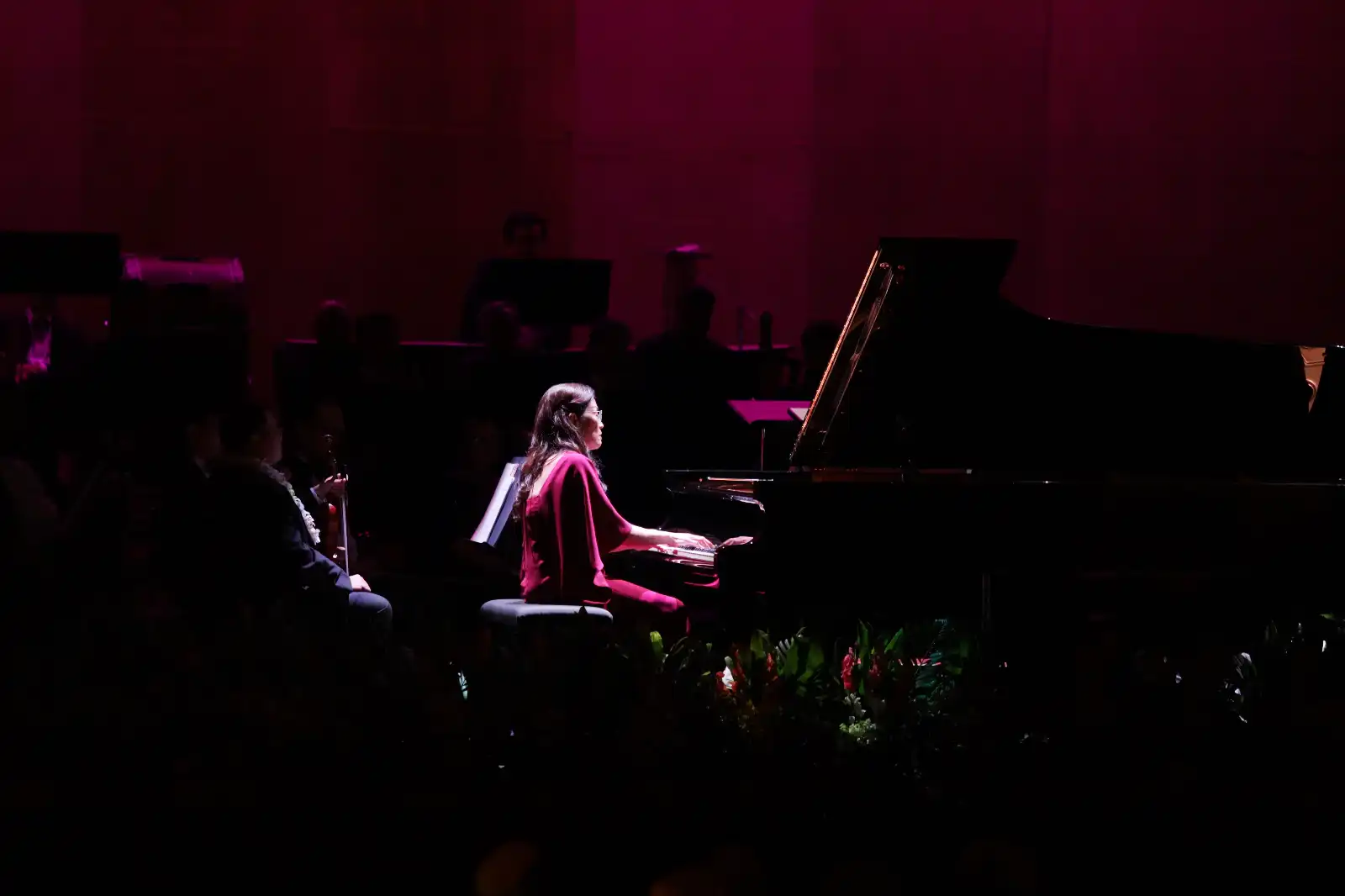
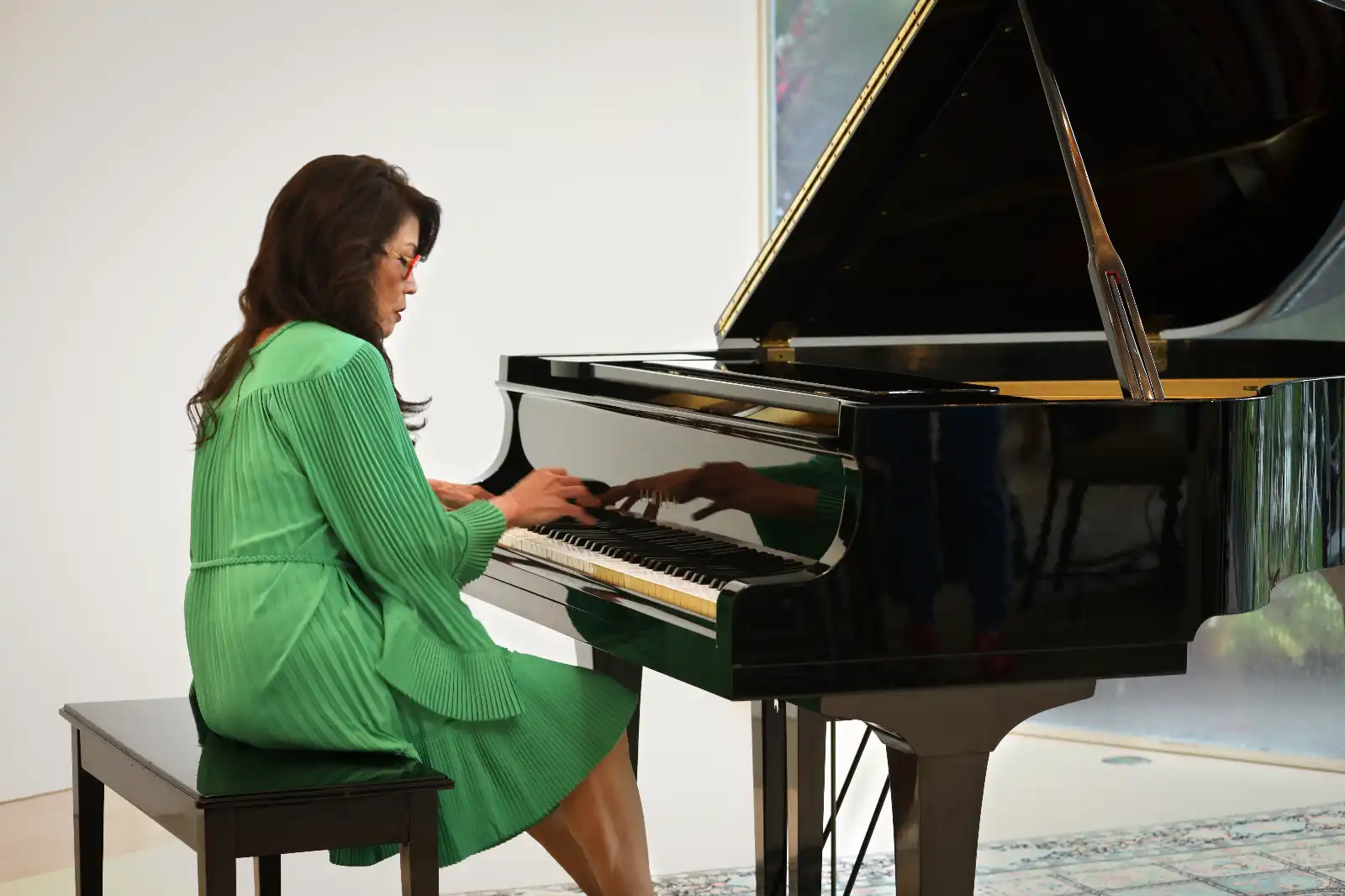
The audience was unencumbered and unhindered by Western classical music concert etiquette as they watched Cecile’s fingers dance, fly even, across the keys, her mouth tut-tut-tutting, the rest of her body moving intensely, passionately along. They applauded and cheered in between movements, clapped and tapped their feet in time to the music, even hummed along to the encore performance of Chopin’s Étude in E, more popularly known to Filipinos as “No Other Love.” Cecile brought the audience to their feet in applause and cheers seven times throughout the evening, as one of her companions pointed out.
“I don’t care about the standing ovations. I do care that they were riding with the music. I could feel their energy, so I got into it too. I always play with feeling, but this was a special kind of feeling. It was amazing,” Cecile says the next morning, as she awaits her flight back to Manila. “Music is a universal tool that brings people together and can be appreciated by everyone.”
“They weren’t afraid of showing their emotions. I was thinking, this audience is quite sophisticated. When they liked it, they clapped. It didn’t need to be a familiar Filipino piece. They were humming. I didn’t expect it with the Schumann. They were clapping during Beethoven. It just shows that music can reach anyone, and is a powerful tool. I was telling myself, if Beethoven were alive, he would love that they were clapping while I was playing. He would say, ‘Yeah! They like my music!’”
This article originally appeared in Robb Report Philippines’ Success Issue, February 2026.
Photography: Medal Elepano
Videography: Gian Escamillas
Coloring, Editing, and Production: Aqi Ticzon
Writer: Yvette Fernandez
Makeup and Hair: Lourd de Veyra