The 8 Best and Latest Sleep Innovations For Your Most Restful Night Yet




For most of us, sleep had always been something overlooked, or, at least, negotiable. But these days—and now that age has caught up on us—sleep has emerged as one of the most valuable and elusive resources of modern life. Now that most of our waking hours are defined by constant stimulation, travel, and performance, uninterrupted, high-quality sleep has become a luxuryLuxuryA lifestyle defined by exceptional quality, craftsmanship, exclusivity, and sophistication, encompassing the finest products, services, and experiences that represent the highest standards of refinement and excellence.Go to Luxury Glossary in its own right.
Scientific consensus now places sleep alongside hydration, nutrition, and movement as a non-negotiable pillar of health, with mounting evidence linking adequate sleep to immune resilience, metabolic regulation, cognitive performance, emotional stability, and long-term longevity. Chronic sleep deprivation, by contrast, has been associated with increased risks of cardiovascular disease, neuro-degeneration, diabetes, and accelerated aging. As research continues to underscore sleep’s role in cellular repair, hormonal balance, and brain detoxification, the pursuit of better rest has shifted from wellness trend to essential infrastructure; it’s no less fundamental than drinking enough water.
For those with the means to optimize their environments, sleep is no longer something that simply happens at the end of the day: it’s something increasingly engineered, protected, and invested in.
Here are some of the best technologies to make your sleep this year the best you’ve ever had.
1. Eight Sleep Pod 5 Ultra Smart Sleep System
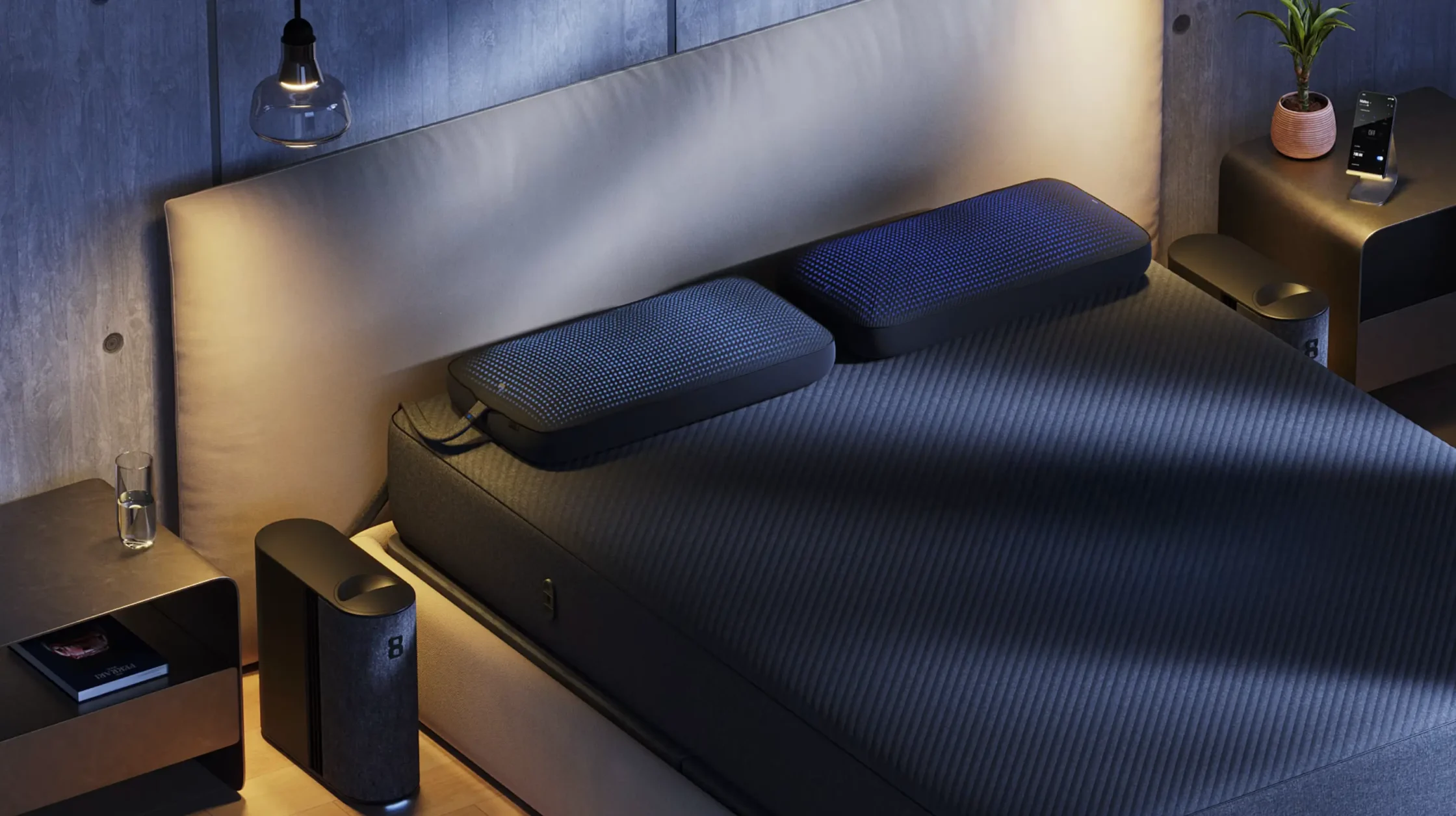
The Eight Sleep Pod 5 Ultra is among the most advanced sleep tech ecosystems on the market in 2026, converging climate control, intelligent bio-tracking, and adaptive comfort into a single platform. Designed by Eight Sleep, the system replaces a traditional mattress with a smart mattress cover, hub, and base that work together to modulate temperature, reduce snoring, track sleep stages, and deliver personalized rest support across the night.
What sets the Pod 5 Ultra apart is its dual-zone water-based climate control, which lets each sleeping partner customize their side’s temperature independently—cooling or heating from 55°F to 110°F as needed—while AI-driven sensors adapt in real time to movements and physiological markers. The Base component adds zero-gravity support and gentle elevation, which, combined with embedded soundscapes and anti-snore elevation profiles, aims to reduce disturbances and enhance restorative sleep cycles. The accompanying app provides detailed analytics on sleep stages, heart rate, and breathing rhythms, allowing users to better understand and improve their rest.
More at https://www.eightsleep.com/
2. Chilipad Dock Pro Bed Cooling System
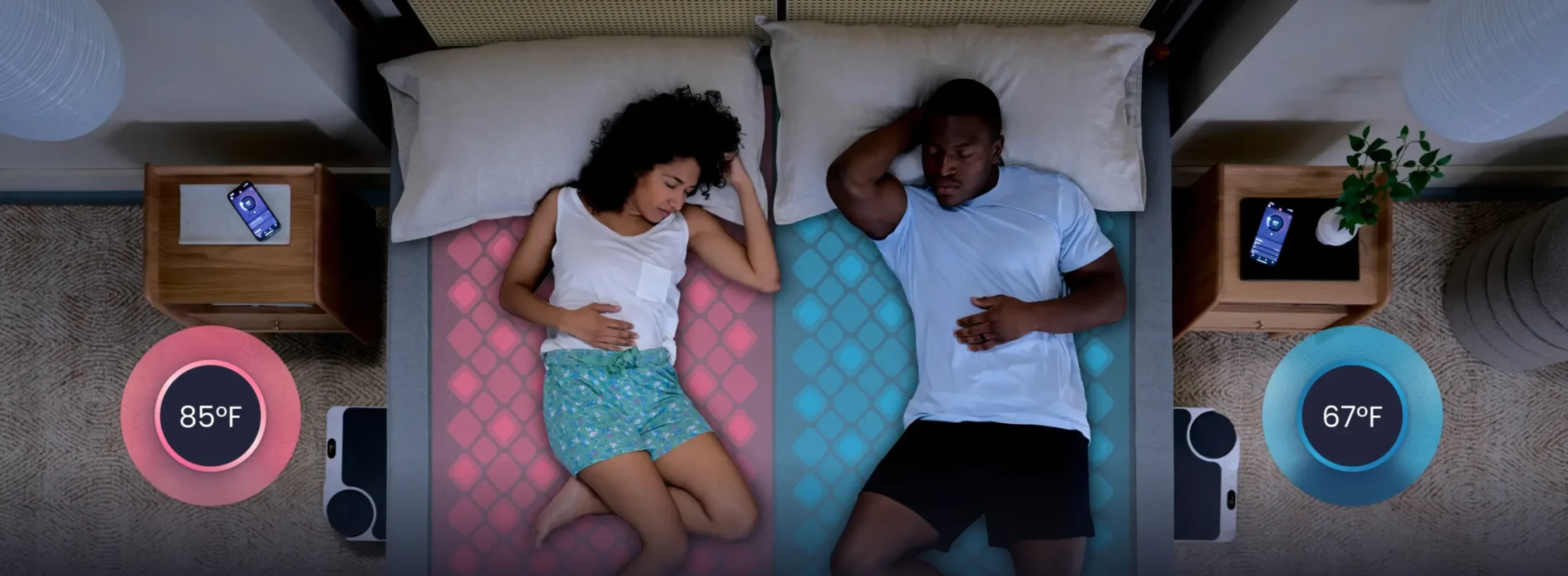
The Chilipad Dock Pro, created by Sleepme, is a premium temperature-regulating sleep system that turns any existing mattress into a climate-controlled sleep environment. Unlike many smart beds that integrate tech into the mattress itself, the Dock Pro uses a separate water circulation system, so you don’t need to buy a full mattress, just this contraption: a thin pad that sits atop the mattress and channels water at programmable temperatures (roughly 55°F–115°F) throughout the night, ensuring consistent thermal comfort that aligns with your sleep needs. Its strength lies in precise temperature control and flexibility—sleep cooler during warm months and warmer when nights are cold—and the ability to schedule temperature adjustments for different parts of the night, helping optimize sleep onset and maintenance.
The system can be controlled via the Sleepme app or directly on-device and includes dual-zone options for partners with differing thermal preferences. Water-based cooling and heating also tend to operate quietly compared to air-based systems, and the Dock Pro’s removable pad is machine washable for easy care. Temperature regulation is a known sleep driver, and targeted cooling in particular has been linked with faster sleep onset and fewer awakenings.
More at https://sleep.me/product/dock-pro-sleep-system
3. Circadian Lighting Systems for Sleep Optimization
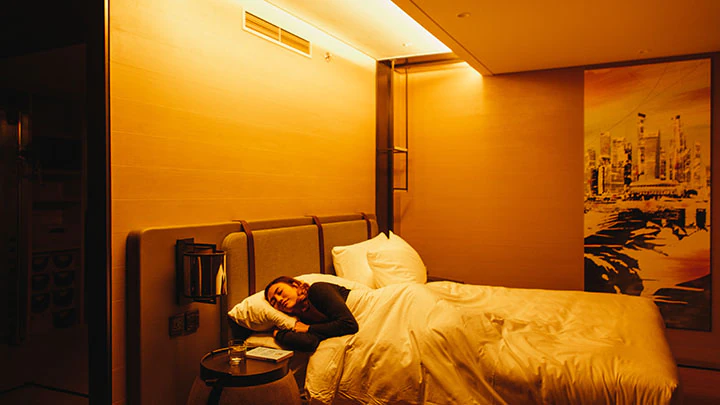
Circadian lighting refers to lighting solutions designed to support the body’s internal clock, a.k.a. the circadian rhythm, by aligning artificial light with natural day-night patterns. Research shows that light exposure timing can profoundly influence sleep quality and timing: blue-rich, bright light in the morning promotes alertness and reinforces daytime rhythm, while warmer, softer light in the evening supports melatonin release and prepares the body for restorative sleep. Contemporary circadian lighting systems adjust both intensity and spectral composition throughout the day, increasing brightness and cooler tones during active hours and shifting toward amber hues at night to minimize circadian disruption.
This approach can be integrated into smart home setups, commercial fixtures, and bedroom lighting schemes, reinforcing natural cues that help regulate sleep onset and wakefulness. (In some first-class and business-class airplane cabins, this is a new and must-have offering.) While many manufacturers now offer products labeled as “circadian lighting,” core technology generally revolves around dynamic control of color temperature and brightness to mimic the progression of sunlight.
Circadian lighting solutions at https://www.signify.com/global/innovation/circadian-lighting
4. Oura Ring 3
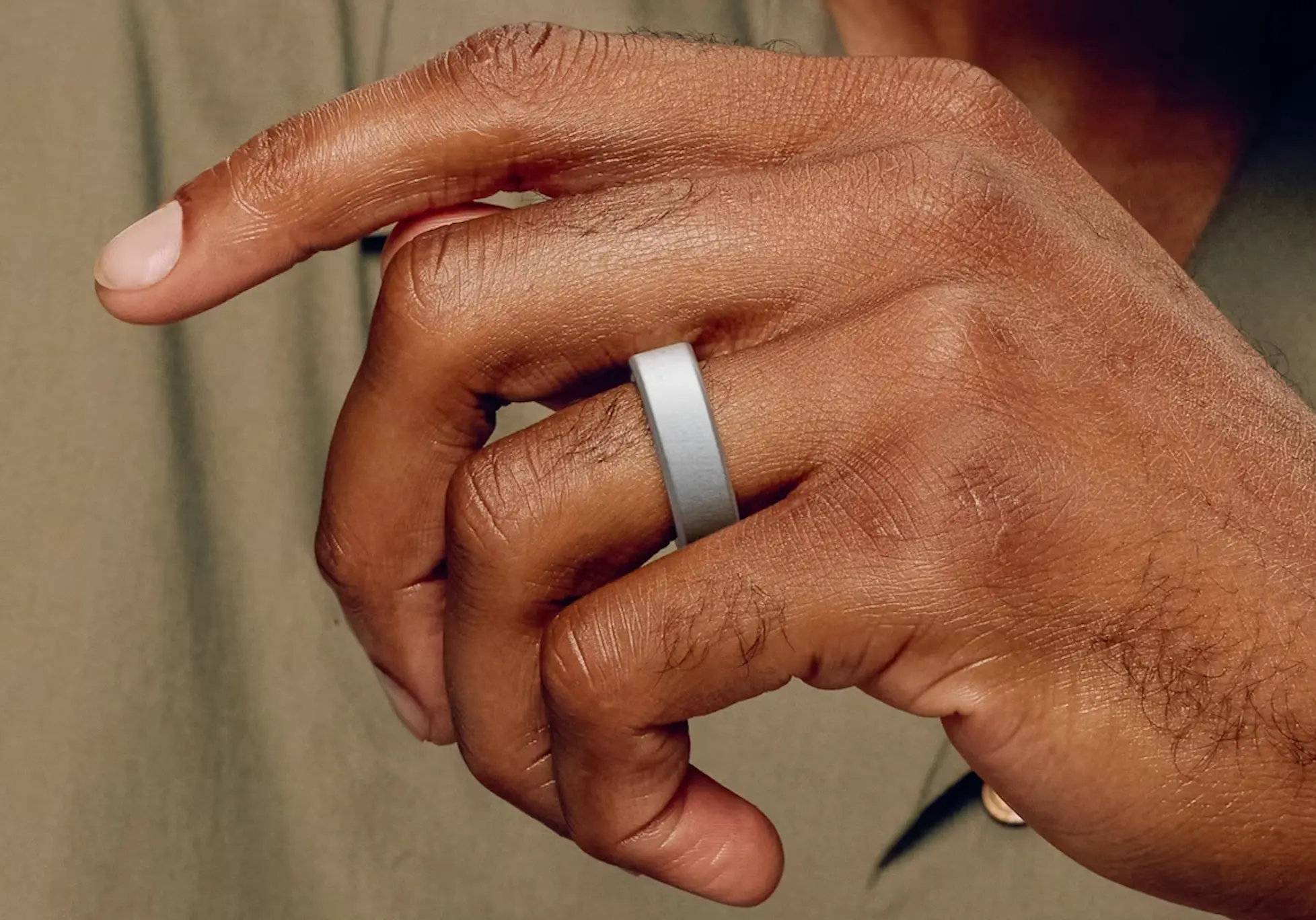
Wearable sleep tech has evolved from simple movement monitors to comprehensive physiological tracking platforms. Devices like the Oura Ring 3 remain leaders in this domain by measuring heart rate, heart rate variability, body temperature, respiratory rate, and sleep stages with high precision, all from a comfortable, ring-form design. These devices generate nightly sleep scores and long-term trends, giving users actionable insights into sleep quality, recovery status, and lifestyle impacts.
While multiple brands compete in this space, the Oura platform distinguishes itself through validated sleep staging algorithms and rich contextual feedback on lifestyle factors such as stress and readiness scores. Pairing wearable data with environmental tech (e.g., temperature-controlled beds and circadian lighting) creates a holistic view of sleep health that’s increasingly central to comprehensive sleep optimization strategies.
More at https://ouraring.com/
5. Non-Wearable Bedroom Sleep Sensing Systems (Withings Sleep Analyzer)
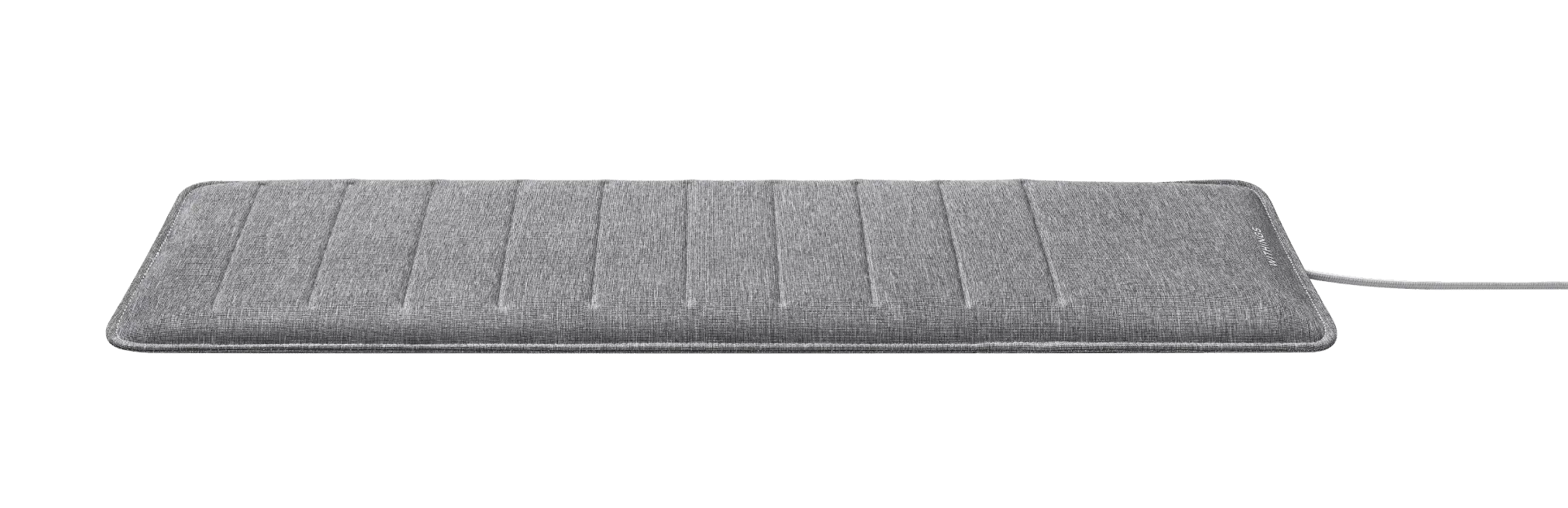
As sleep tracking evolves, one of the most compelling shifts is toward contact-free monitoring. The Withings Sleep Analyzer is a thin sensor placed discreetly under the mattress, tracking sleep without requiring the user to wear or charge anything. Using “ballistocardiography,” a non-invasive method that tracks tiny body movements created by the heart pumping blood, it detects micro-movements produced by heart rate and breathing to estimate sleep duration, sleep cycles, respiratory rate, snoring, and nighttime interruptions.
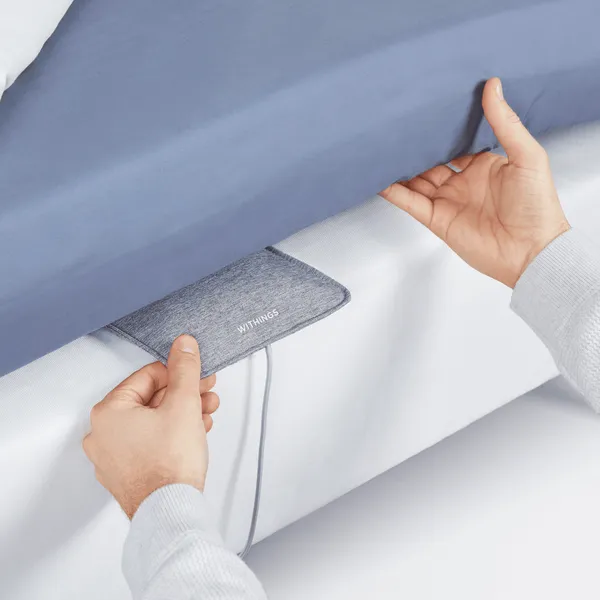
Because the system operates passively, adherence is high, making it especially useful for long-term sleep trend analysis rather than nightly performance scoring. Notably, the Sleep Analyzer has received medical certification in parts of Europe for sleep apnea detection, reflecting the increasing overlap between consumer sleep tech and clinical monitoring. Data is viewed via the Withings app, with optional smart-home integrations that allow lighting or temperature to respond to sleep and wake cycles.
More at https://www.withings.com/us/en/sleep-analyzer
6. Advanced Bedding Materials: Weighted and Smart Textiles (Baloo Living, TEMPUR)
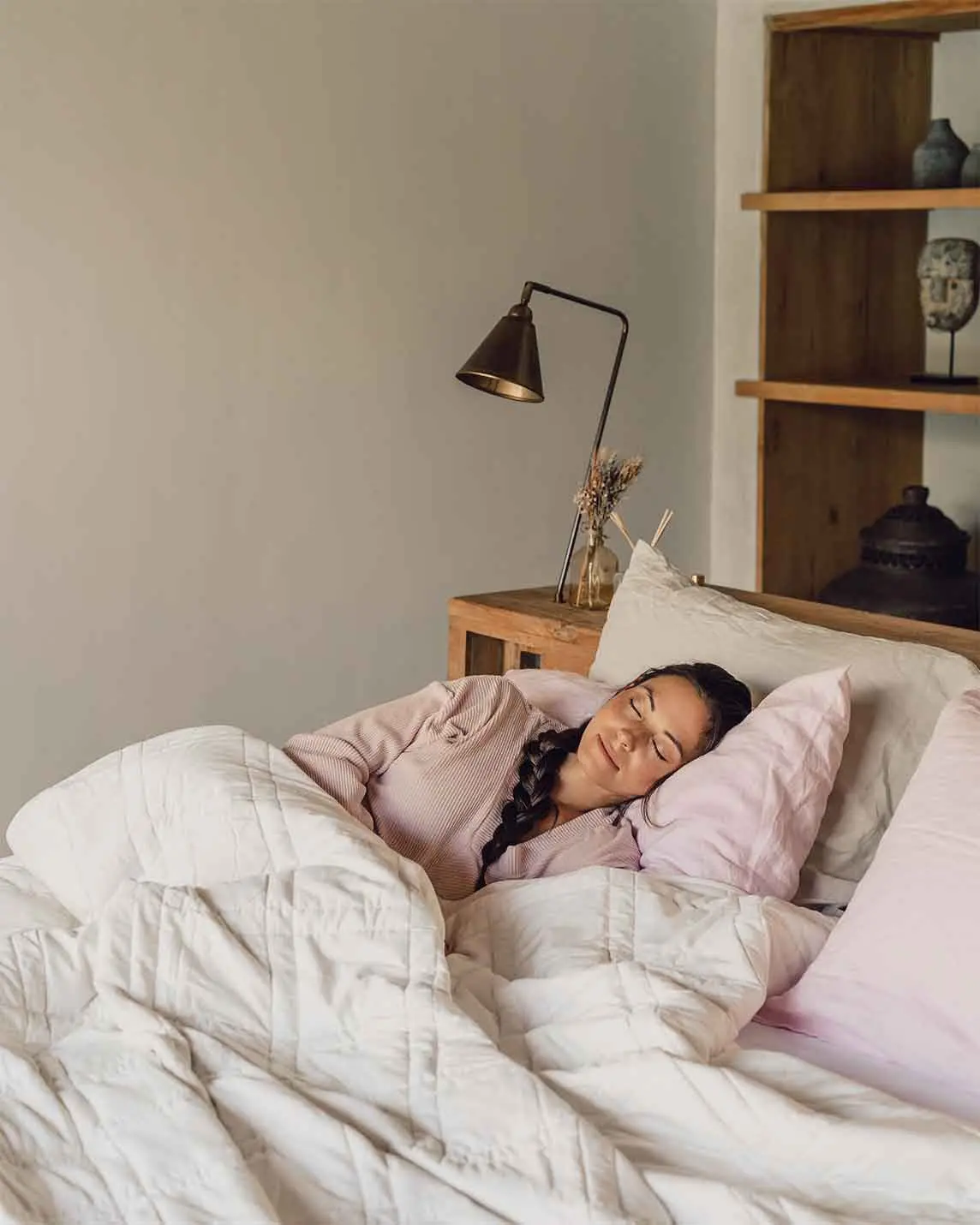
Some of the most effective sleep innovations are happening not in devices, but in materials. Weighted bedding, popularized by brands like Baloo Living, applies gentle, evenly distributed pressure across the body, which is a technique known as deep pressure stimulation, associated with improved relaxation and reduced nighttime restlessness in certain individuals. Premium weighted duvets distinguish themselves through breathable construction, using glass microbeads and natural cotton shells to prevent heat retention.
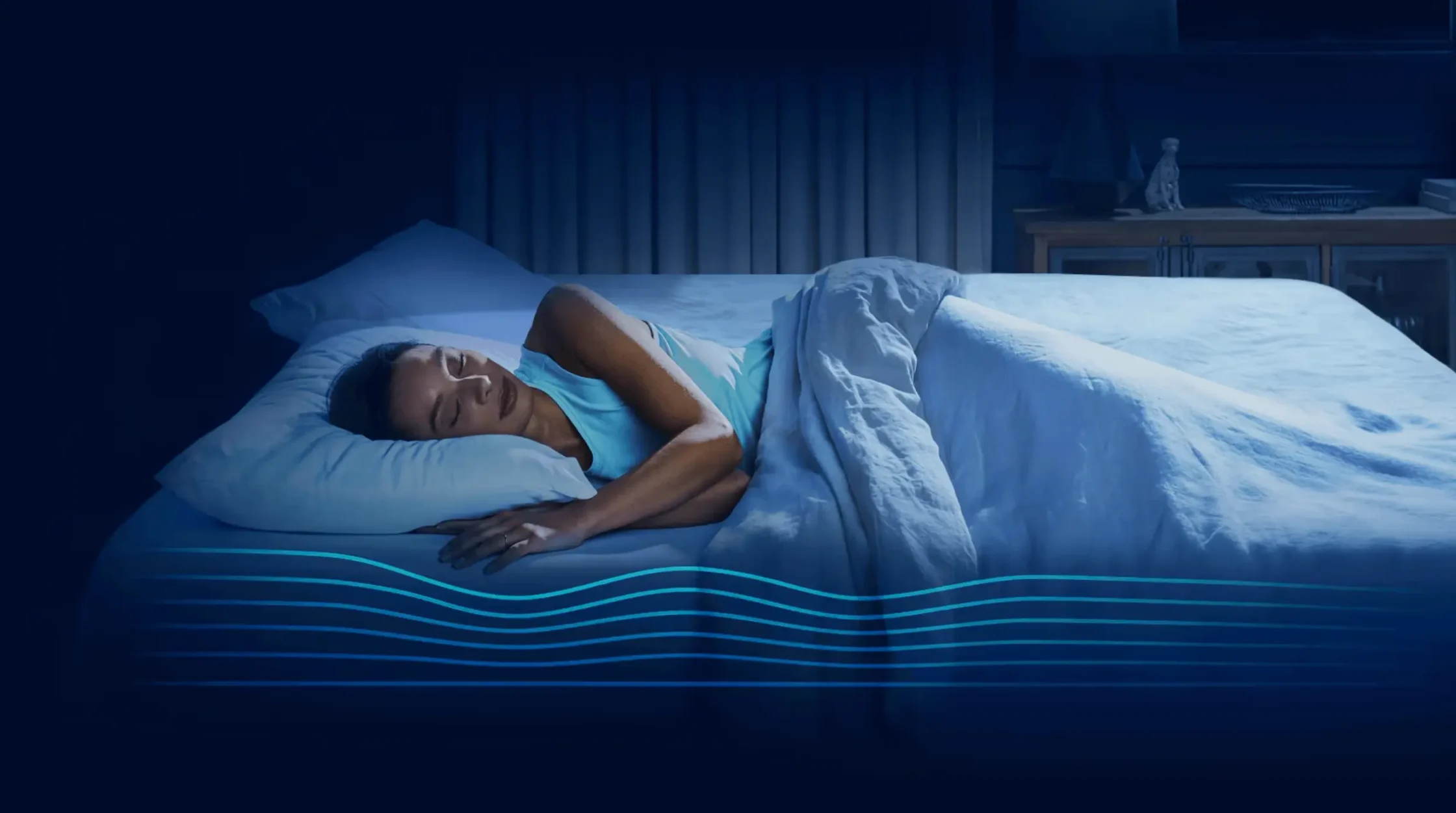
Meanwhile, established sleep brands such as TEMPUR continue to refine pressure-relieving foams and textiles that contour to the body while minimizing motion transfer, an important factor for uninterrupted sleep.
Emerging smart textiles also incorporate phase-change materials, which absorb and release heat as body temperature fluctuates, helping maintain thermal stability without electronics or apps.
More at https://balooliving.com/ and https://www.tempurpedic.com/
8. Sensory Modulation Devices for Sleep: the Apollo Neuro
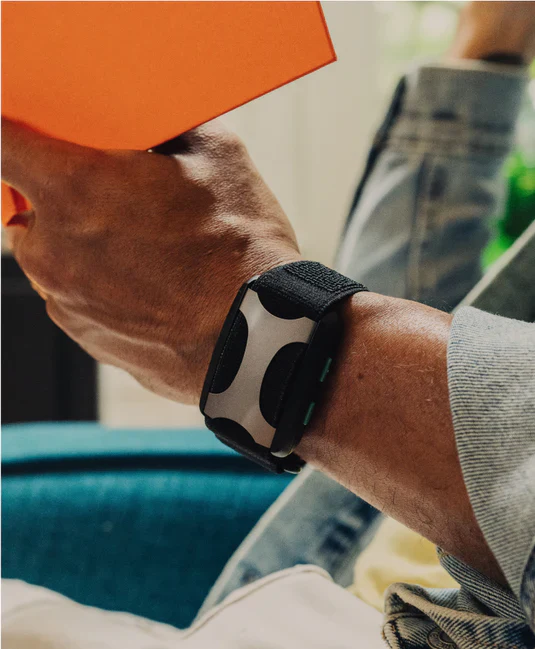
Sensory modulation devices address sleep through the nervous system, rather than the sleep environment. Apollo Neuro is a wearable that delivers gentle, patterned vibrations to the skin, stimulating mechanoreceptors that signal safety to the brain. The aim is to reduce stress-dominant physiological states that interfere with sleep onset and depth.
Rather than inducing sleep directly, Apollo Neuro focuses on autonomic regulation, supporting parasympathetic activity associated with rest and recovery. Users select modes via an app—such as Sleep, Calm, or Recover—while the device works quietly in the background. Because tactile stimulation operates below conscious awareness, it can be less disruptive than audio or light-based sleep aids.
As interest grows in vagal tone, heart-rate variability, and nervous-system resilience, sensory modulation devices represent a body-first approach to sleep optimization.
More at https://apolloneuro.com/