The Porsche 911 GT3 is a Niche Icon with Endless Choice




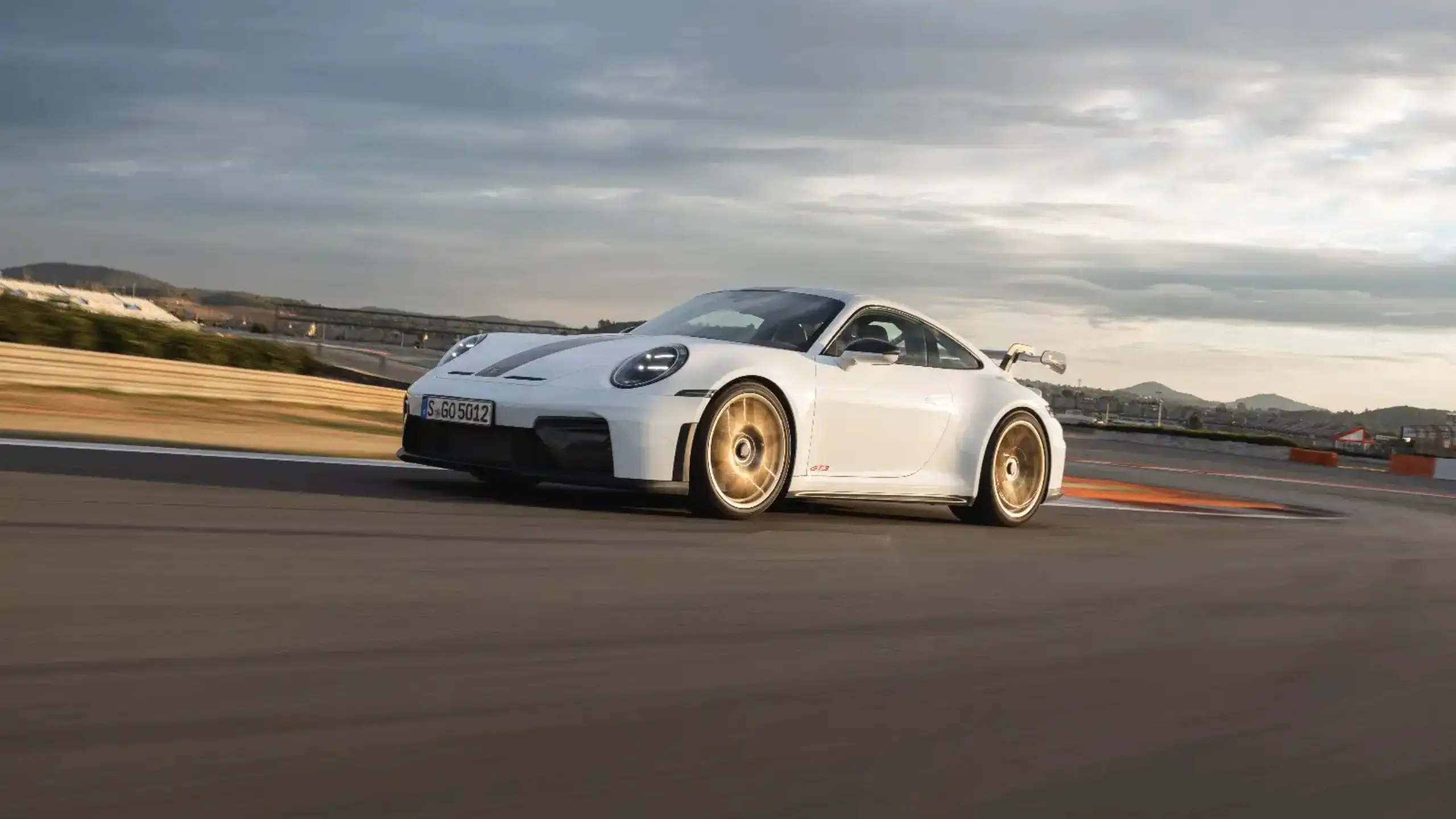
It’s interesting trying to explain how wide the offerings are for Porsche 911 models, especially considering how seemingly unchanged these cars have been since they first came into the world in 1963. Take the GT3 911 for instance. They are not the fastest cars in the sense that the Turbo S models currently have the highest top speeds. Neither are they technologically complex. GT3 911’s don’t use turbo charges or the T-hybrid or electric turbocharger systems.
What they do offer is a combination of purist sensibility, performance focus, and variety of choice–all in a car that is as similar as possible to the layout of the original 911s, which is normally aspirated rear-wheel drive.
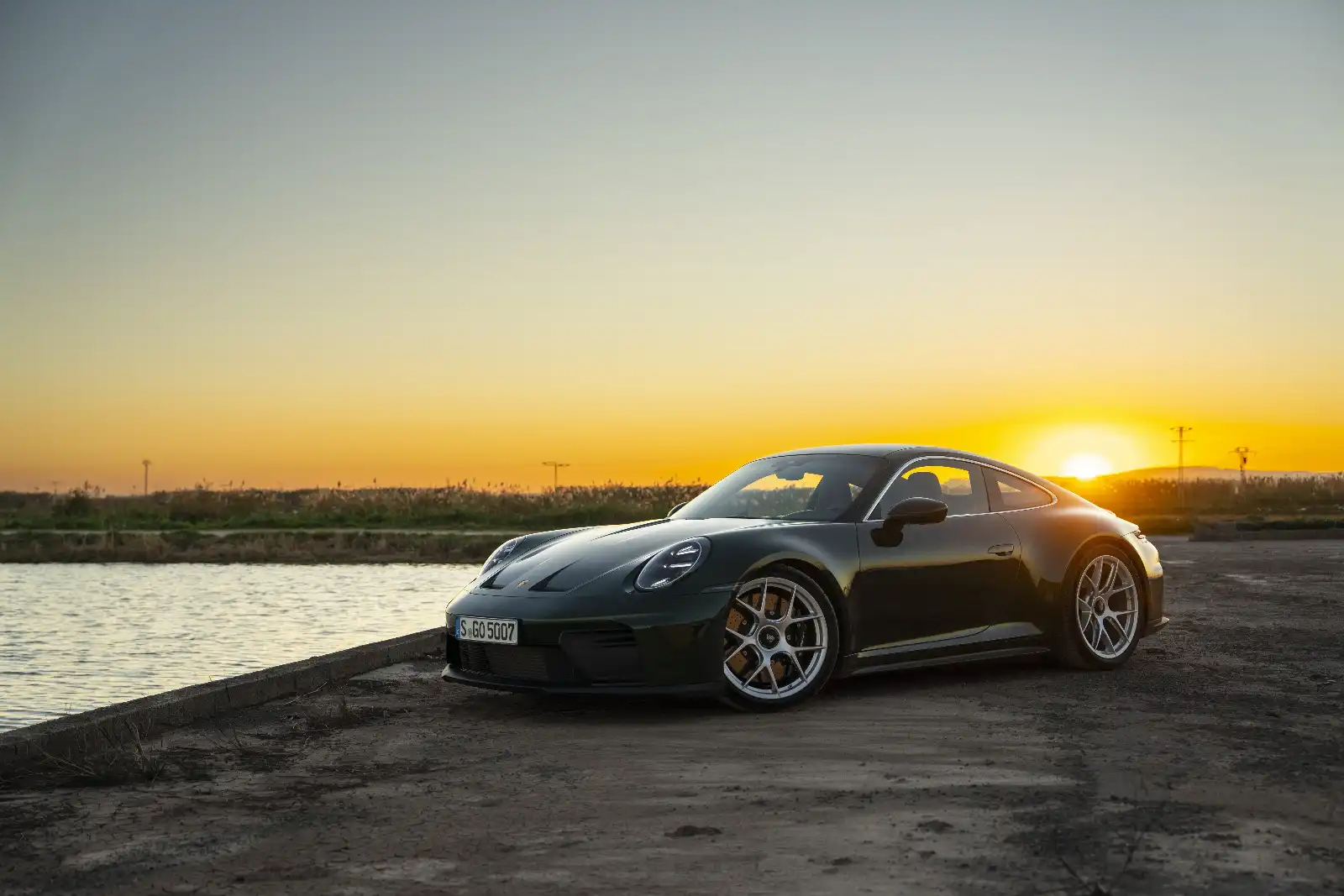
Recently launched were the new GT3 models, which was a change from before because there were actually two models released from day one–the GT3 and the GT3 with Touring Package, both of which are from the 992.2 model family. Previously, there was only one model introduced, the GT3 itself. This car is rooted on the need for creating a road vehicle that can also be used on the racetrack, for homologation.
The GT3 and GT3 with Touring Package feature the four liter aspirated six-cylinder boxer engine, running power to only the rear wheels. Both are available in a choice of a PDK or a wonderfully streetable yet track usable six-speed manual transmission.
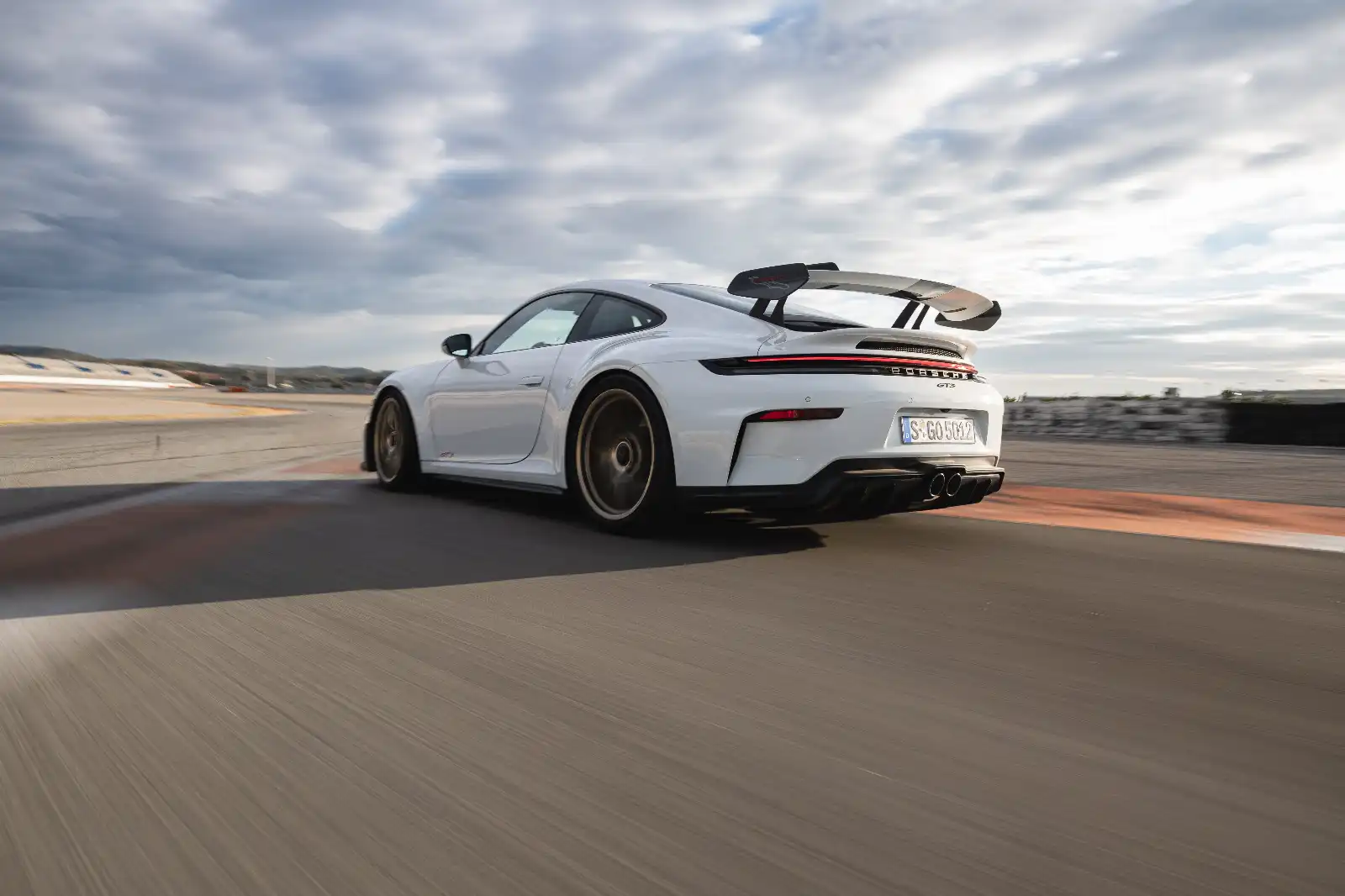
The visual difference between the two cars lie in the fact that the Touring Package is not built with the large rear wing on it. This is because it was developed in the race car type format, derived from models like the GT3 RS and the RSR race cars. It also showcases a distinctive swan neck rear spoiler to help maximize aerodynamic abilities.
Even within this niche segment, you have these two choices. In addition to that, special packages are available and from within those there is opportunity to customize further. It is an indication that Porsche endeavors to give you exactly what you wish for.
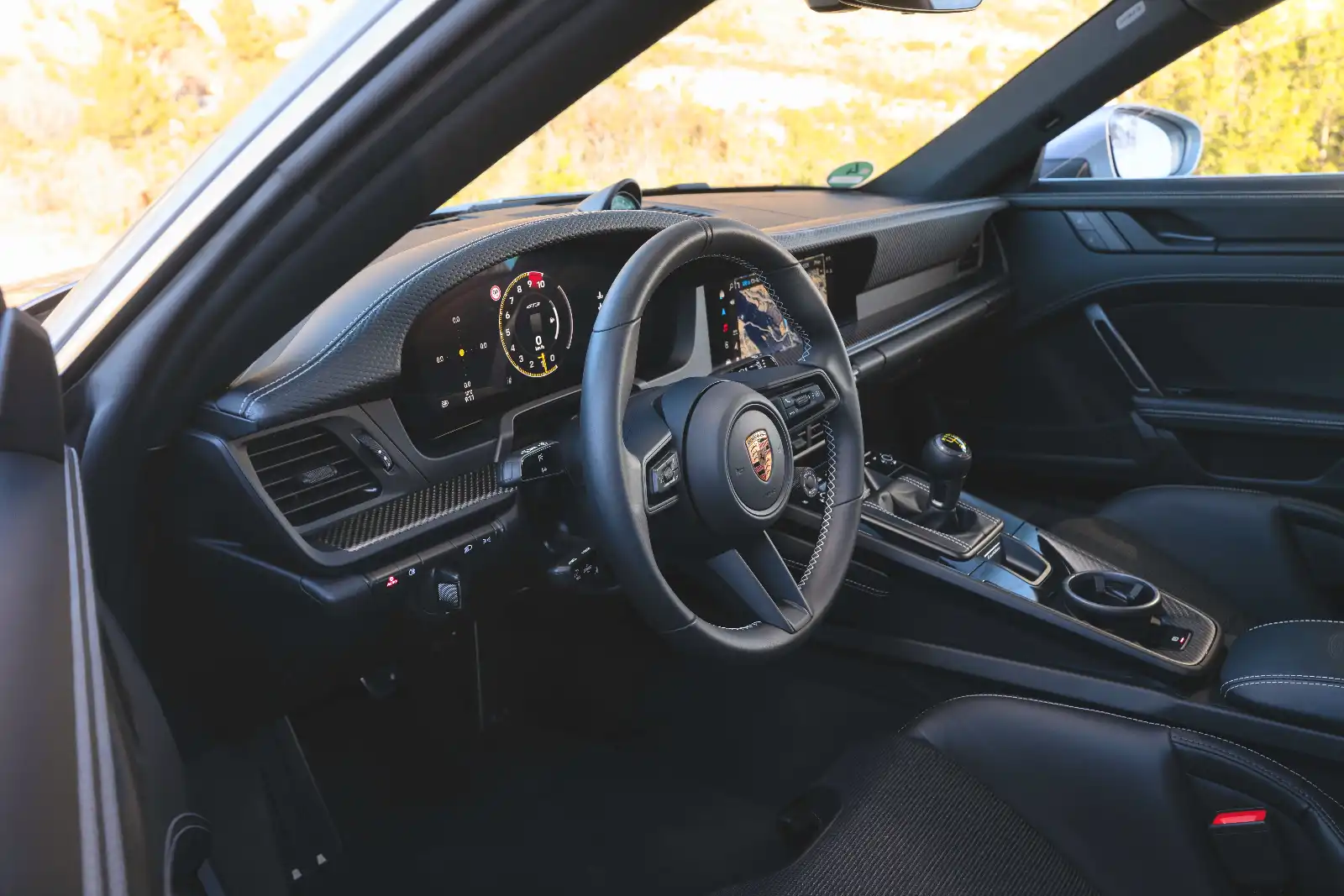
Case in point: The Clubsport package is available for the GT3, which adds things like a roll cage for track use. This is a no-cost package. However, for you to avail of it, you need to have ordered the new carbon fiber bucket seats. The are shell buckets built with foldability and a special headrest system that allows you to take out padding in order to use a helmet. The foldable feature, by the way, is worth noting as it marks the first time that rear seats are made optional in the GT3.
The GT3 with Touring Package allows you to specify the Leichtbau, or lightweight package, which reduces vehicle weight and mass. Apart from that, you still have the ability to set up your car through a wide range of options for trim, seat, audio and many more.
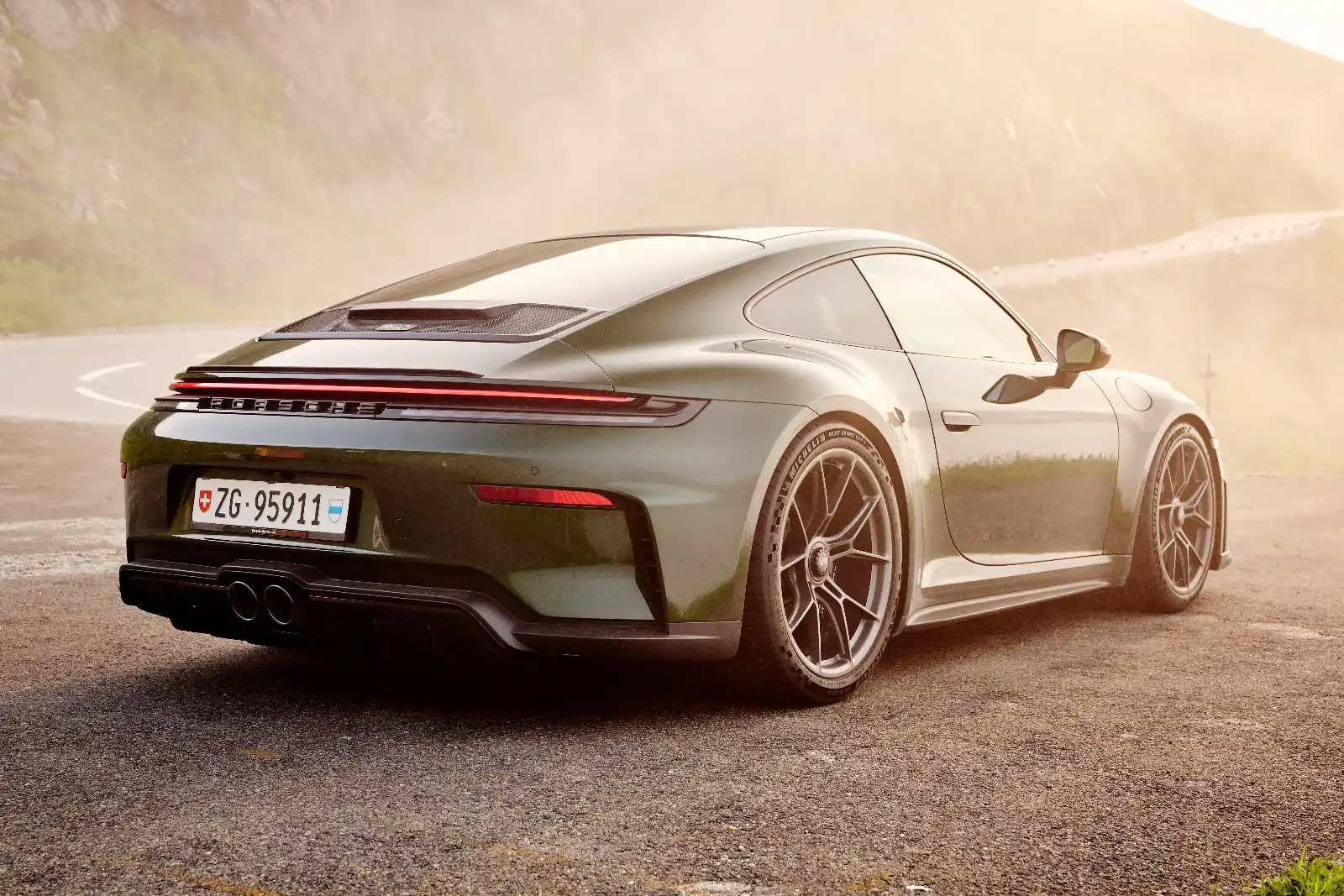
The 911 GT3 sits in a very special place. It is an interactive, track-focused vehicle. It appeals to those who appreciate the vigor of a large rear wing as it does those who like to keep the clean lines of a 911. The Touring Package car utilizes a retractable spoiler to cater to varying aerodynamic preferences.
The ability to build a very individual vehicle and the ability to operate in varying ranges—comfort, barely streetable, and everywhere in between–make the Porsche 911 GT3 and GT3 RS models highly competitive against other so-called supercars. After all, the 77-year-old maker carries undeniable racing heritage. And it has long understood that the most demanding enthusiasts and collectors have very specific desires. Porsche gives them a vehicle that fits them like a (racing) glove.
This article originally appeared in Robb Report Philippines’ Travel Issue, December 2026.