Joyce Wang Brings Craft, Imagination, and Culture to the Laurean Residences




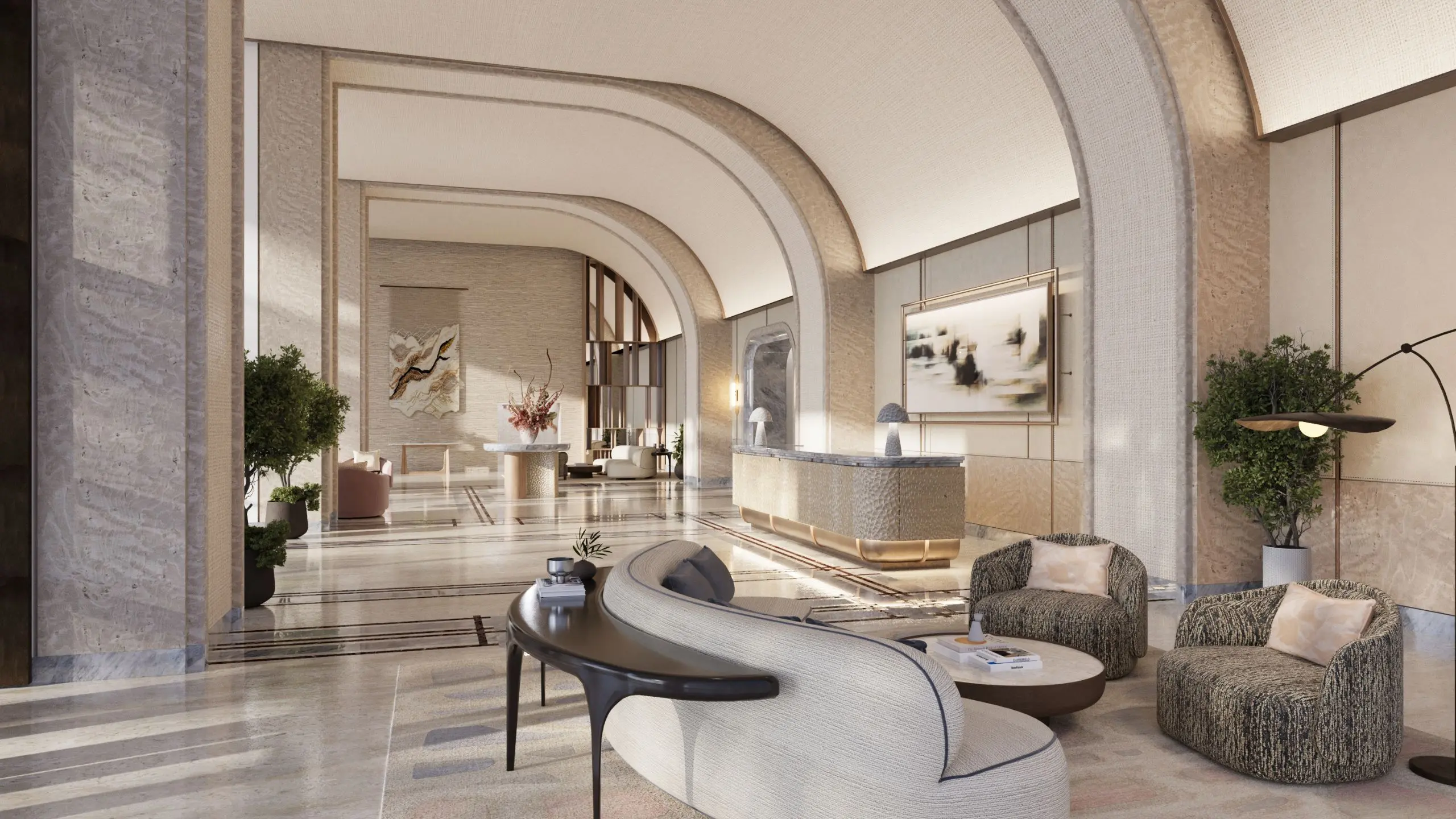
Recognized as one of the most distinctive voices in her field, Joyce Wang is known for creating hospitality spaces that balance craft with imagination. At the Laurean Residences, her first residential project in the Philippines, she brings her globally honed vision to Makati by shaping all the public and amenity spaces within the tower where people gather, move, host, and connect.
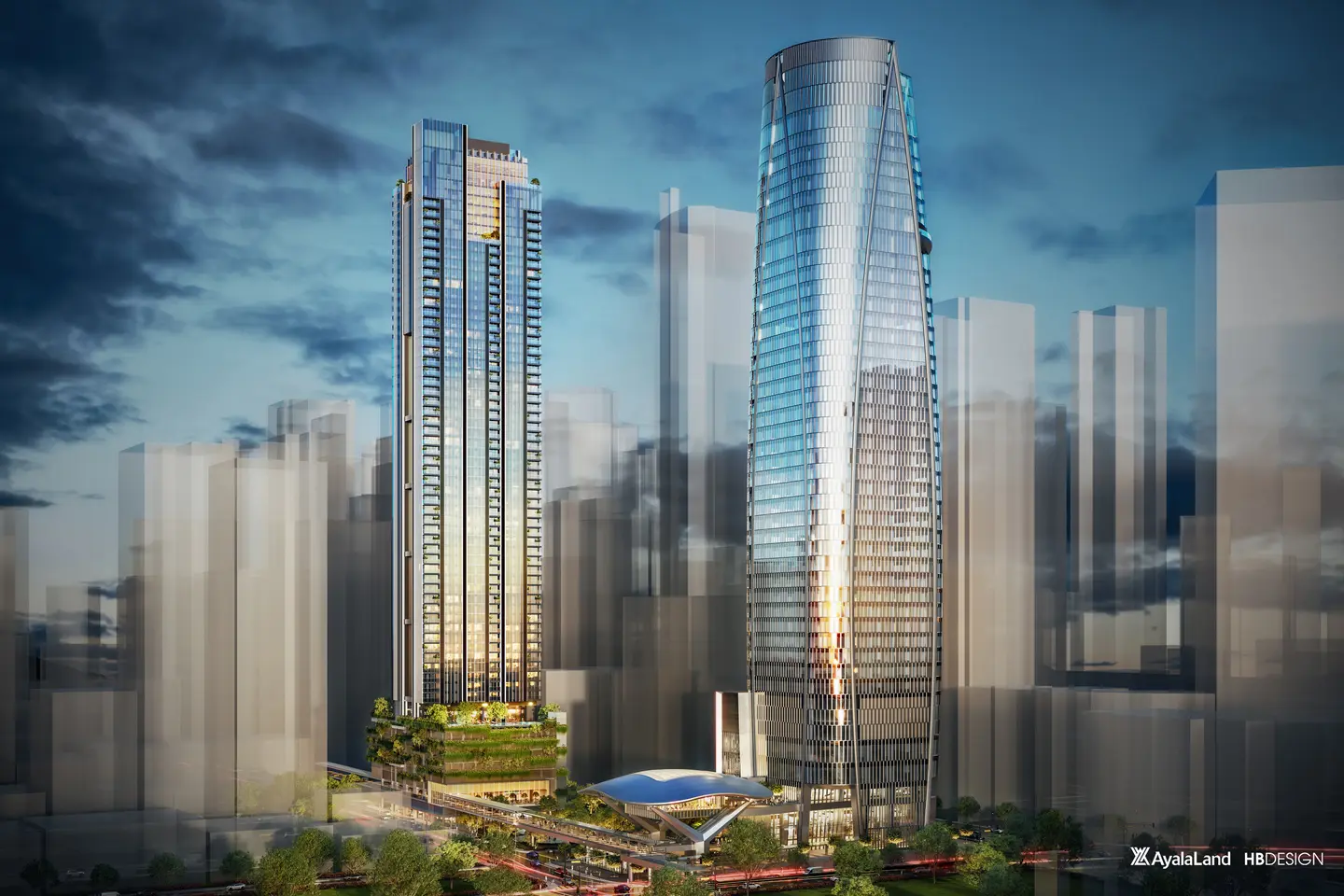
As founder and principal of Joyce Wang Studio, Wang leads a team defined by global sensibility and creative diversity. Based in Hong Kong and London, the studio draws on a mix of cultural perspectives and creative disciplines. Wang herself studied Architecture and Materials Science at MIT in the United States before earning her Master’s at the Royal College of Art in London. Though best known for her work with landmark hotels including multiple Mandarin Oriental properties to the upcoming Rosewood Hotel in San Francisco, and an impressive roster of Hong Kong restaurants such as The Prince and the Peacock, Club Bâtard, and Magistracy, The Laurean presented a new typology for her practice, where the amenity spaces behave like a micro hospitality ecosystem with multiple shared zones and layers of service.
This was the element that drew her in.
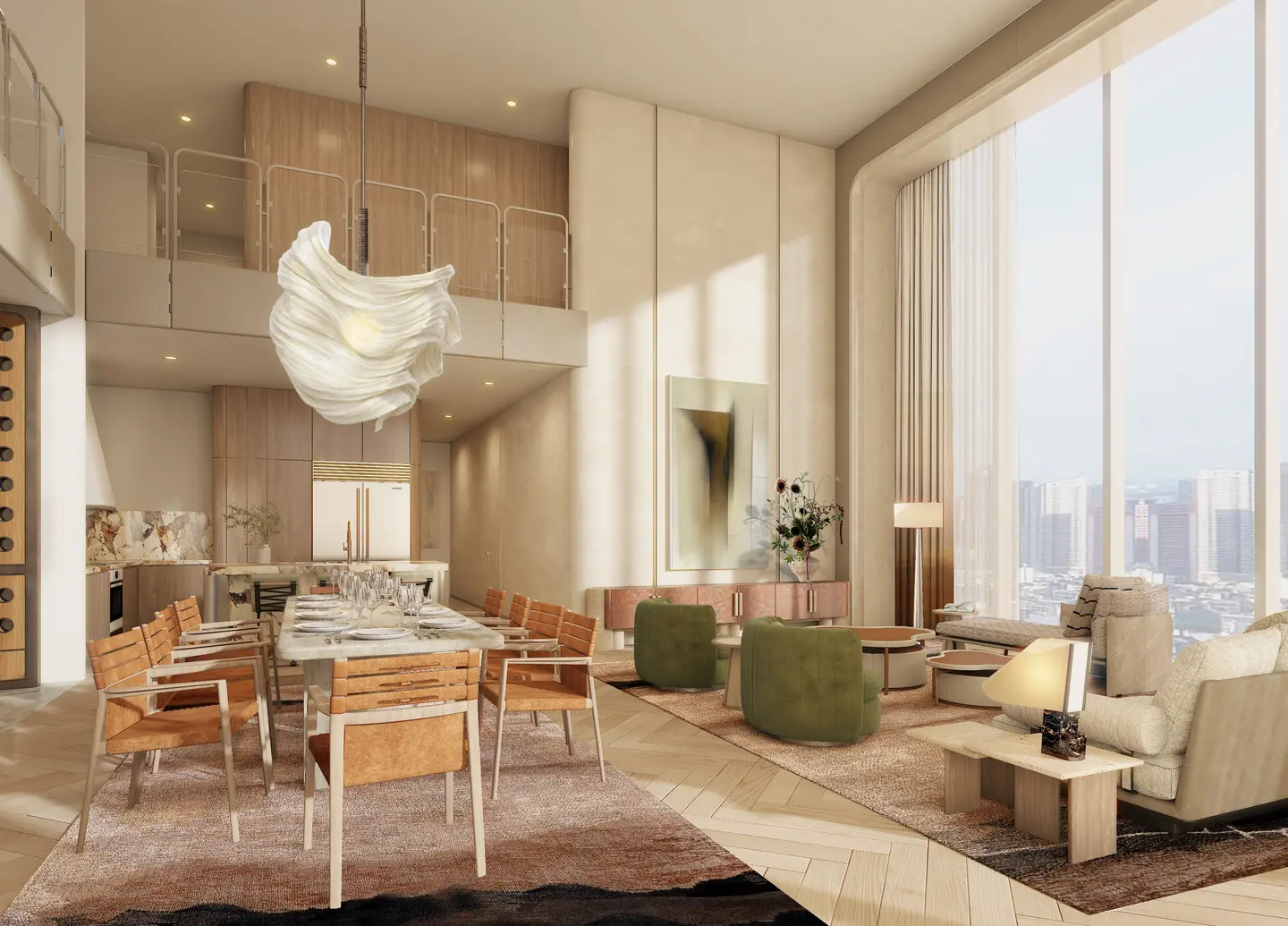
“The reason why we love this project is because there are four levels of guest amenities which, in a sense, are hospitality spaces that are going to be run by the hospitality management of Ayala Land,” she explains. Unlike traditional homes, she adds, “When you do a home, [once] it’s done, the doors close and you don’t have access to it. With a public space, you see people and how they use it, and whether it’s a successful space. It can be measured.”
Ayala Land first approached her with keywords like “urban sanctuary,” but what resonated more deeply was their long-view philosophy.
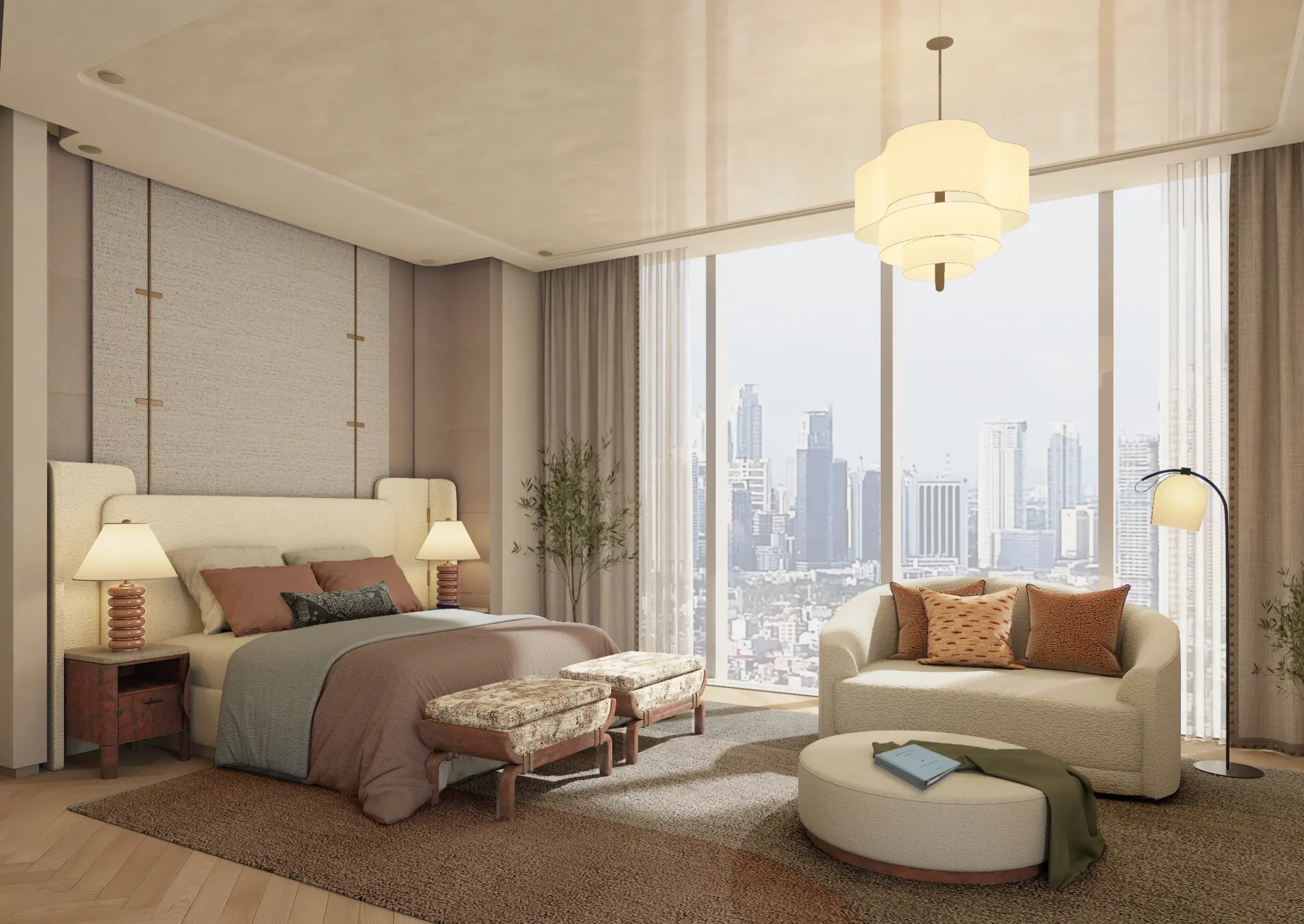
“It was more how Ayala Land approached development that really interested me, because they see it as a long game,” she explains. “It’s very holistic; they want to drive the neighborhood and to connect infrastructure.”
From this emerged three conceptual threads. The first drew from an Ayala founder’s metaphor likening development to chess, each move seemingly isolated but ultimately strategic. The second referenced the site’s aviation history as a former airfield. Yet, both themes carried a certain hardness: metals, rivets, rigid grids. To soften the palette, Wang introduced a third narrative, Filipino fashion, particularly its use of pleating and fluidity. This tension between structure and softness became the project’s defining language. In the lobby, the chessboard is abstracted into what appears as woven stone lines as three tones merge into a pattern that feels tactile and gentle, despite its mineral form. “Softness is the most key because you want the room to feel comfortable,” she says.
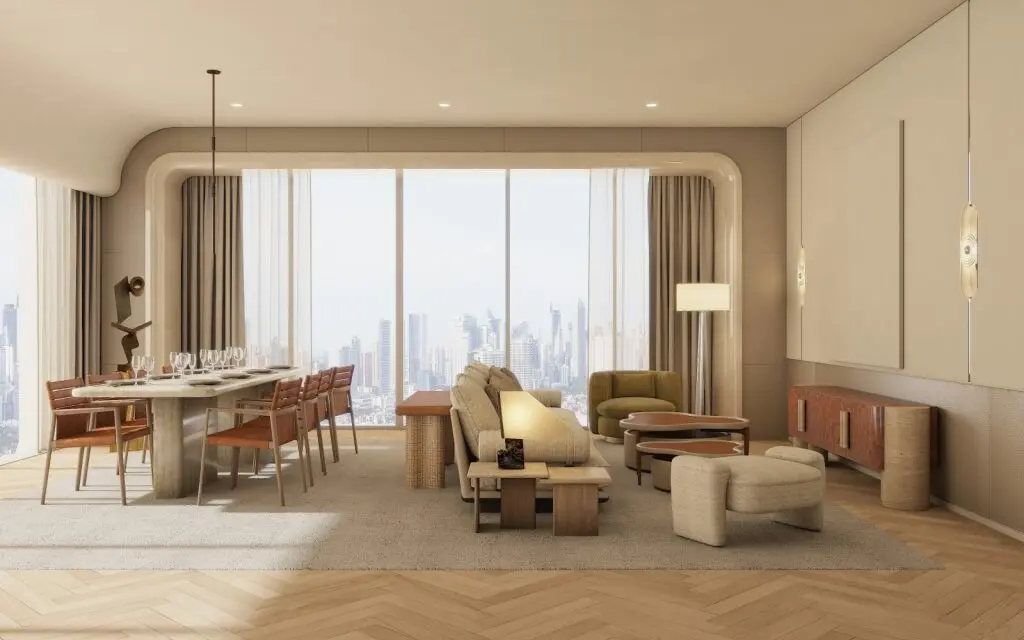
That sense of softness moves upward through the four levels of amenities, each one designed for comfort, wellness, and effortless social connection. A wine library invites slow conversations; a co-working lounge allows work to fold naturally into daily life; a private dining room with its own chef’s kitchen gives residents the pleasure of hosting with ease. There is a meditation room that looks out onto a roof garden, a pool and lanai that echo the calm of a resort, and flexible entertainment spaces meant to welcome every generation. For Wang, multi-generational living is not a trend, but a truth of how people live, gather, and support one another.
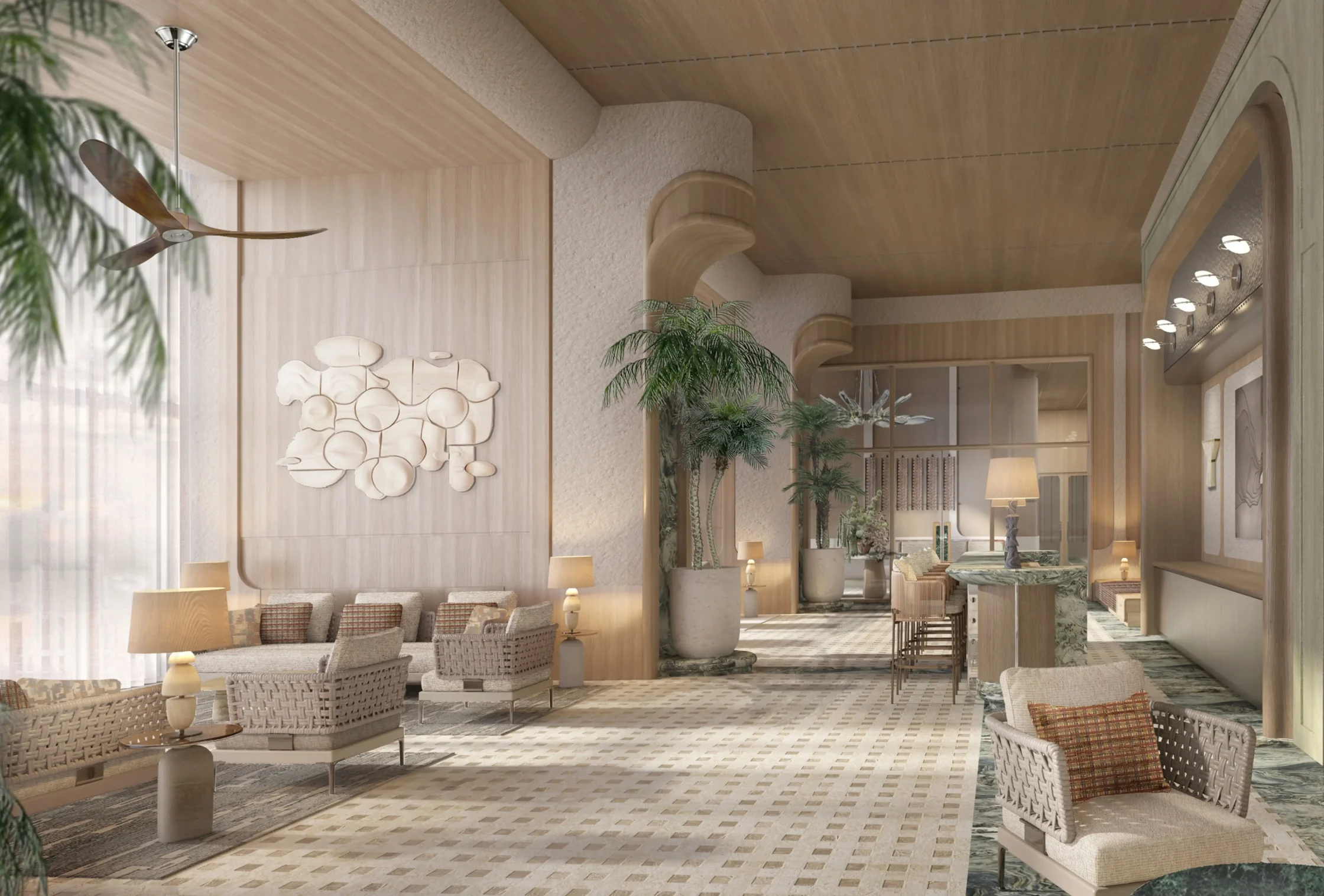
The cultural and urban context of the Philippines also informed her approach in meaningful ways. Compared to Hong Kong, she finds Manila rich with artisans, from woven screens to hammered metalwork to beautifully gauged timber. These collaborations allowed her to root the building in local craft without leaning on literal motifs, giving the spaces a subtle authenticity that residents may feel long before they consciously notice it.
The building’s wellness-focused amenities and elevated walkway amplify that feeling, giving residents small moments of autonomy and ease. Above all, Wang wanted The Laurean to offer a sense of calm within the city’s pulse: “I can relate to the hustle and bustle of Manila, being from Hong Kong,” Wang says. “There is no greater luxuryLuxuryA lifestyle defined by exceptional quality, craftsmanship, exclusivity, and sophistication, encompassing the finest products, services, and experiences that represent the highest standards of refinement and excellence.Go to Luxury Glossary than feeling I have space and I have Zen and I can breathe in a very hectic day.”