Best of the Best 2025: Design




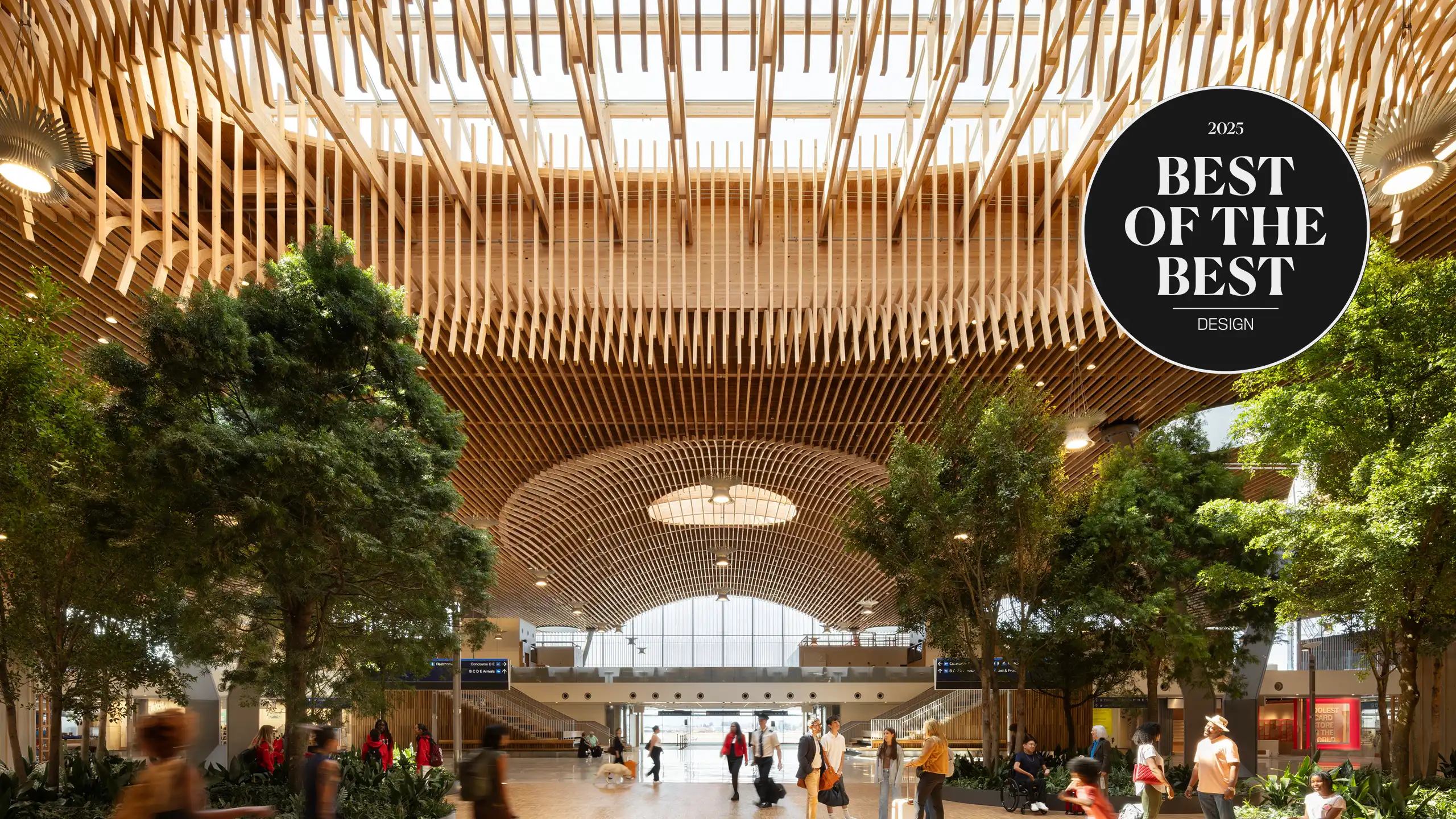
Best of the Best: Portland International Airport – Gene Sandoval
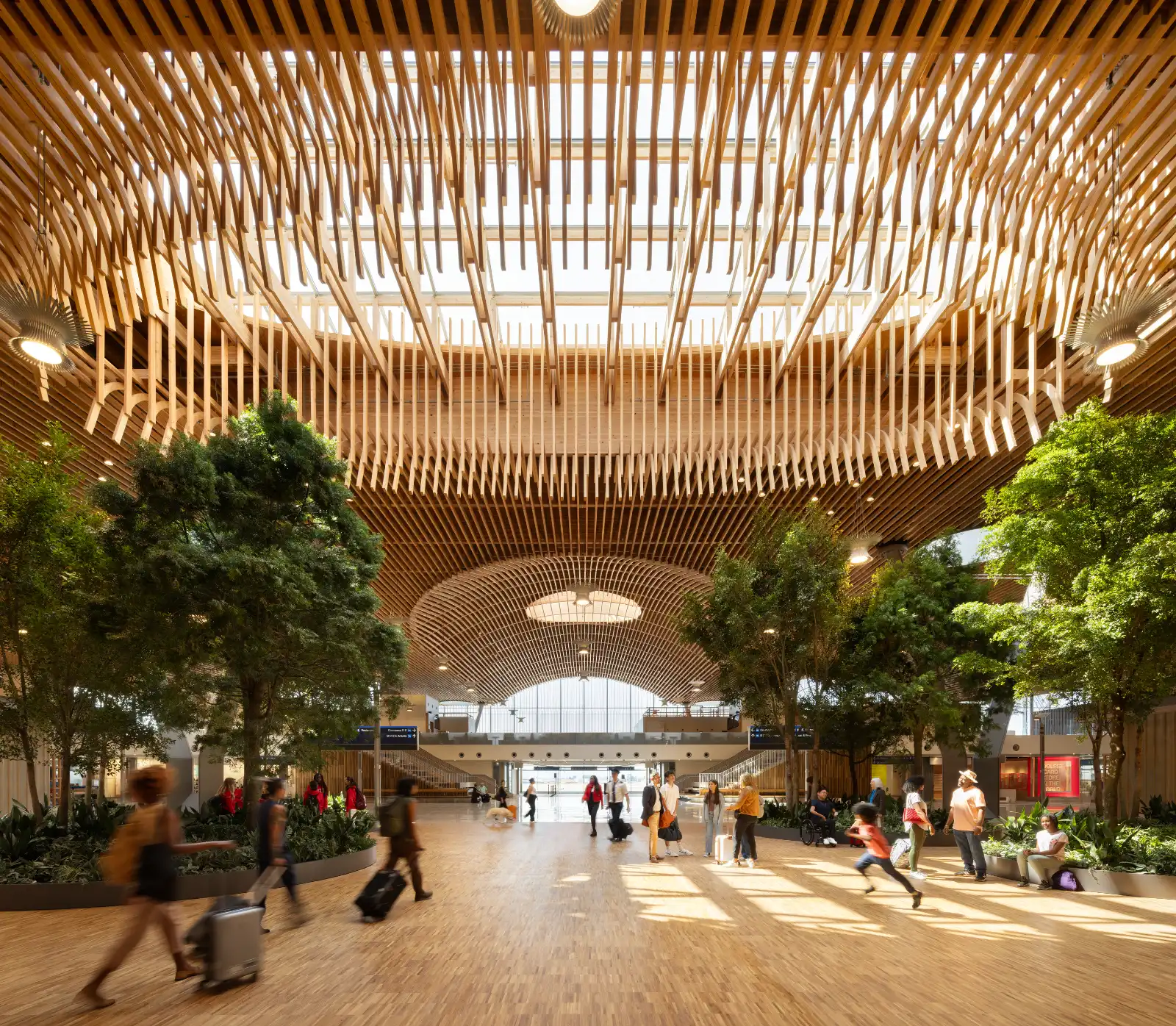
An airport that transforms your layover into a serene stroll through the forest—that’s the quiet magic evoked by Portland International Airport. The main terminal’s expansion, unveiled last year, is a product of design led by Oregon-based Filipino architect Gene Sandoval. PDX is often cited as one of the best airports in the U.S., with The Washington Post recently naming it the top airport in the country.
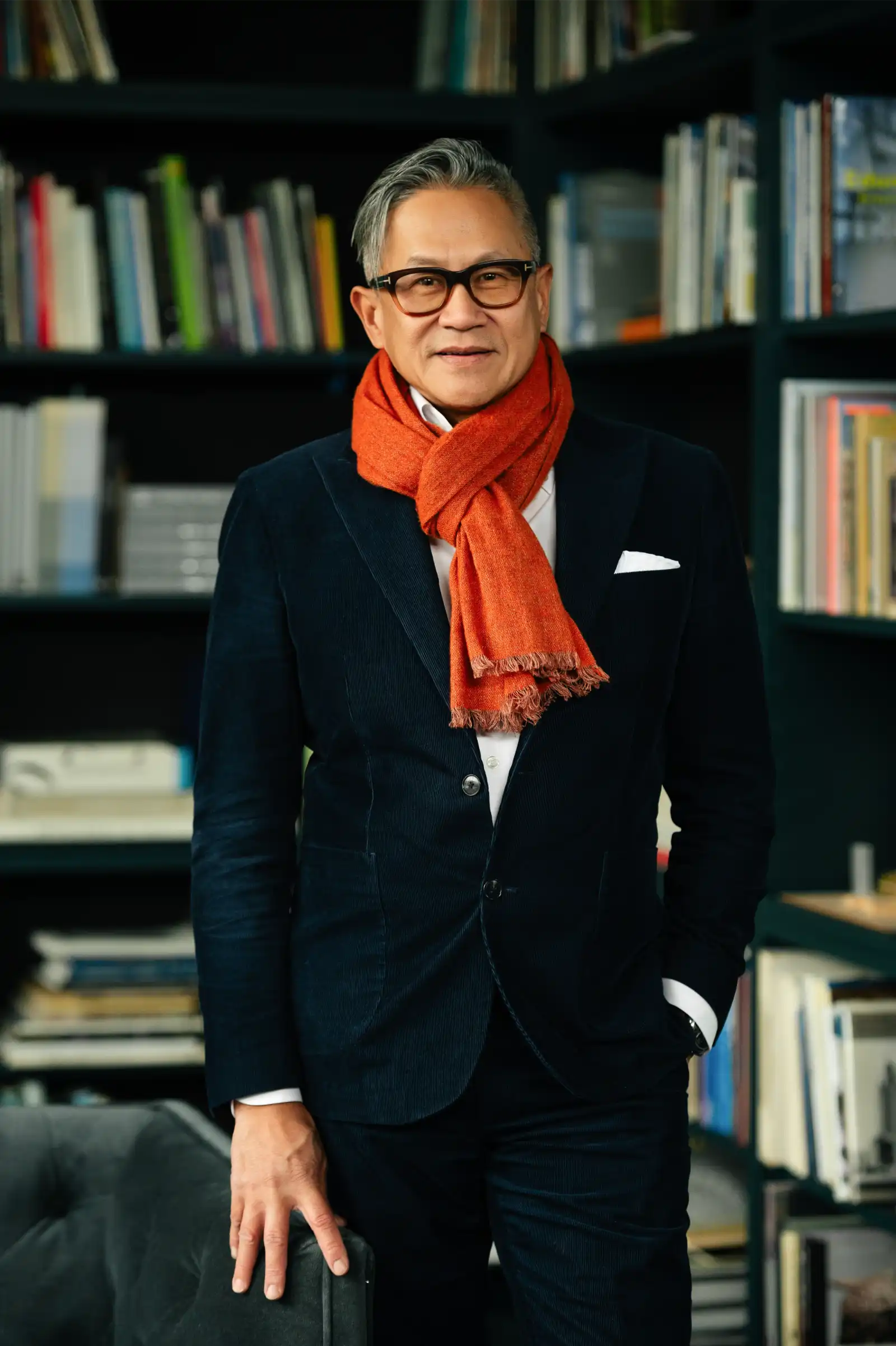
Sandoval’s childhood in Palawan shaped his appreciation for nature, with a creative sensibility inspired by his family’s boat-building legacy. “When I moved to Oregon, I saw the forests and the local timber industry as this amazing natural resource—and I saw the opportunity to leverage it,” he shares. “The design concept for PDX was inspired by a walk in a Pacific Northwest forest. It’s really like a rite of passage.”
Oregon’s timber industry was tapped with sustainability in mind: much of the airport’s existing infrastructure was reused, while new construction utilized wood sourced within a 300-mile radius of the airport. A forest-to-frame system traces the origin of the wood, linking each beam back to its forest of origin.
The result is a tree-lined terminal shaped by biophilic design—an effort to reconnect travelers with nature. Strategically placed skylights invite daylight to filter in, creating a calm atmosphere amid one’s travels.
Kitchen: Patricia Urquiola for Signature Kitchen Suite Mantle
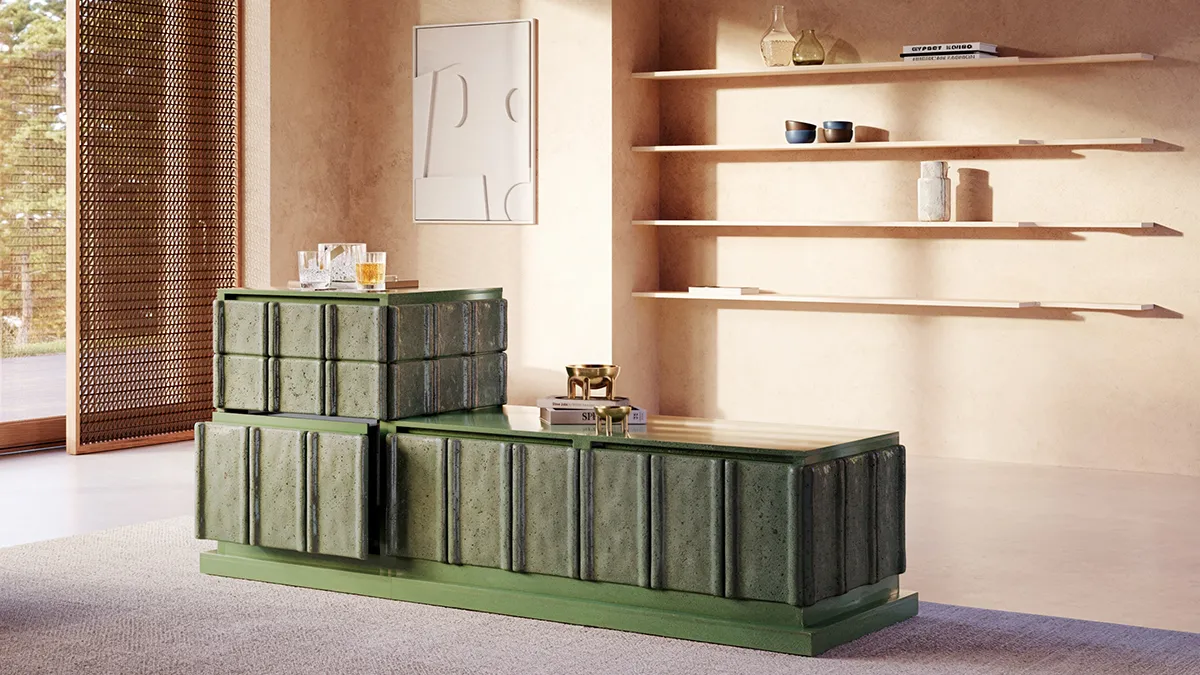
A guaranteed conversation starter, Signature Kitchen Suite’s Mantle components are unlike anything that has come out in recent years. Designed by Patricia Urquiola, Mantle has a distinctive presence that blurs the lines between a kitchen capsule and domestic furniture. (Its undermount two-drawer refrigeration unit helps.) With a sculptural, bohemian look that would harmonize anywhere from a living room to a bedroom to a professional environment, the modular system has a textured exterior of Cimento tiles made from a blend of mineral aggregates and compounds. Urquiola, whose signature graces the tiles, collaborated on their development. She has a history of working with this material and has once again lived up to her visionary reputation, creating a piece of design that will no doubt inspire a round of spirited dinnertime conversation. Price upon request
Rug: Tai Ping Biophilic Collection
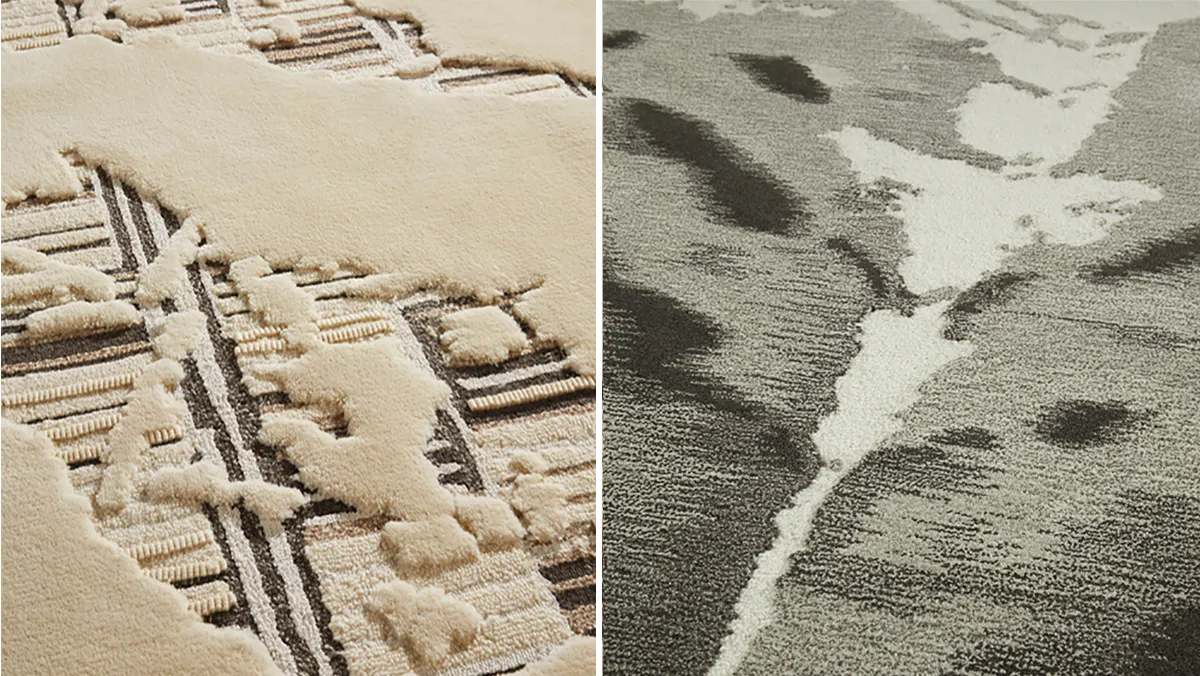
Carpet brand Tai Ping is looking to the future by rethinking the way its products are made. The textile industry is a major source of environmental pollution, as dyeing fabric releases large amounts of toxic waste into the global water system and synthetic materials contribute to microplastic pollution.
Last year, the Hong Kong–based company debuted the Biophilic Collection, with 16 rugs made from raw, natural fibers including cotton, silk, bamboo, jute, flax, and wool, saving both water and energy used in dyeing and avoiding polluting compounds. The neutral palettes include grays, creams, whites, and browns, which are woven into tactile, nature-inspired patterns, each named after a plant that produces essential oil. Eight of the rugs are hand-tufted using intricate weaving processes to create a multilevel pile that in some cases—such as the Ylang I (pictured) and the Alizea I—looks like Japanese shibori. From about $5,154
Modern Classic: The Albero Bookcase, Poltrona Frau
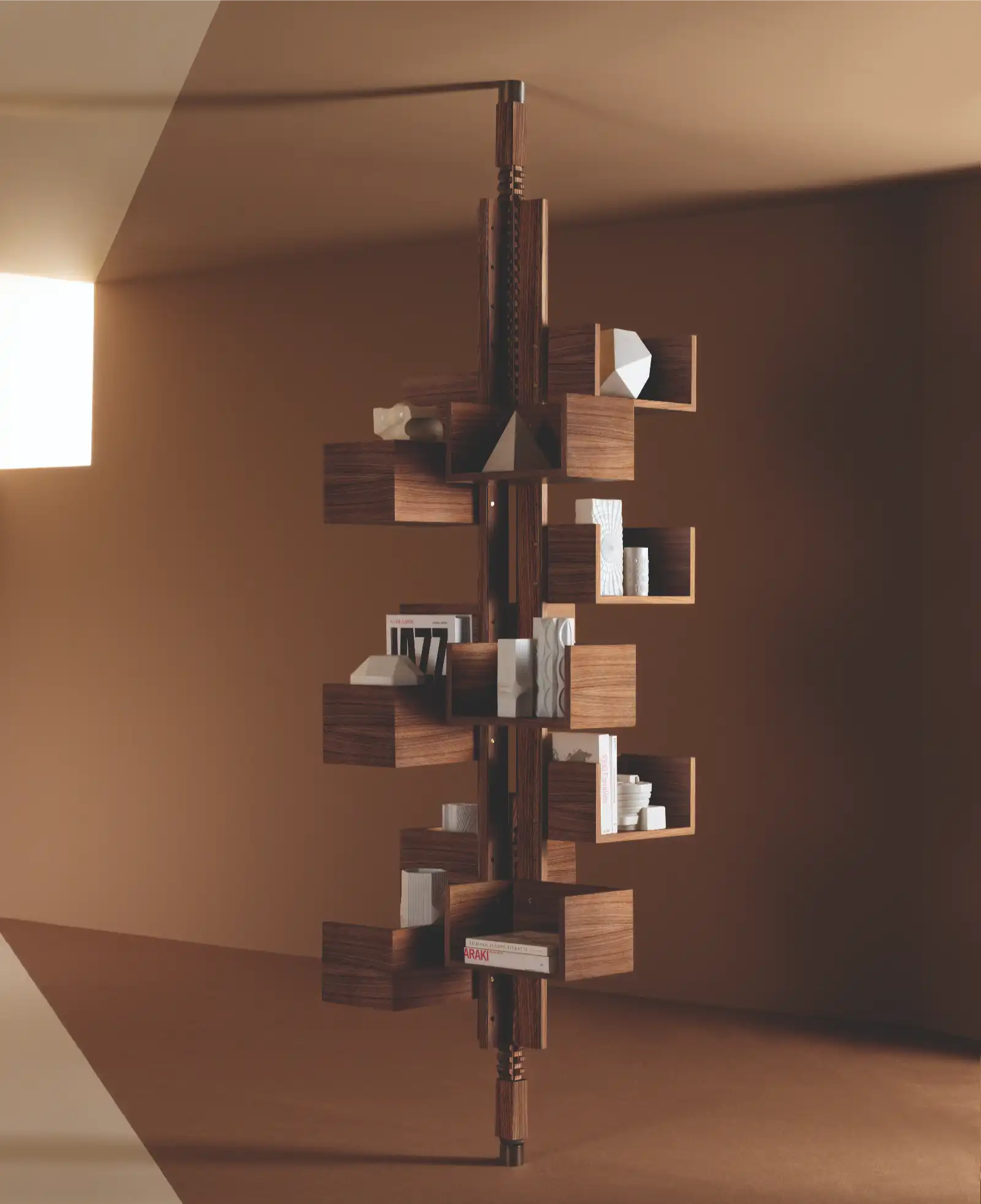
The Albero bookcase embodies Poltrona Frau’s heritage of Italian craftsmanship. Both sculpture and structure, it is an architectural centerpiece designed to transform any space. Crafted in solid Canaletto walnut, its distinctive form rises on two notched columns and four vertical posts, ingeniously jointed to allow twelve shelves to be positioned with ease. The result is a striking tower of balance and symmetry, anchored securely to both ceiling and floor. Price upon request. Available at Furnitalia.
Contemporary Chair: Norah, by Giorgetti
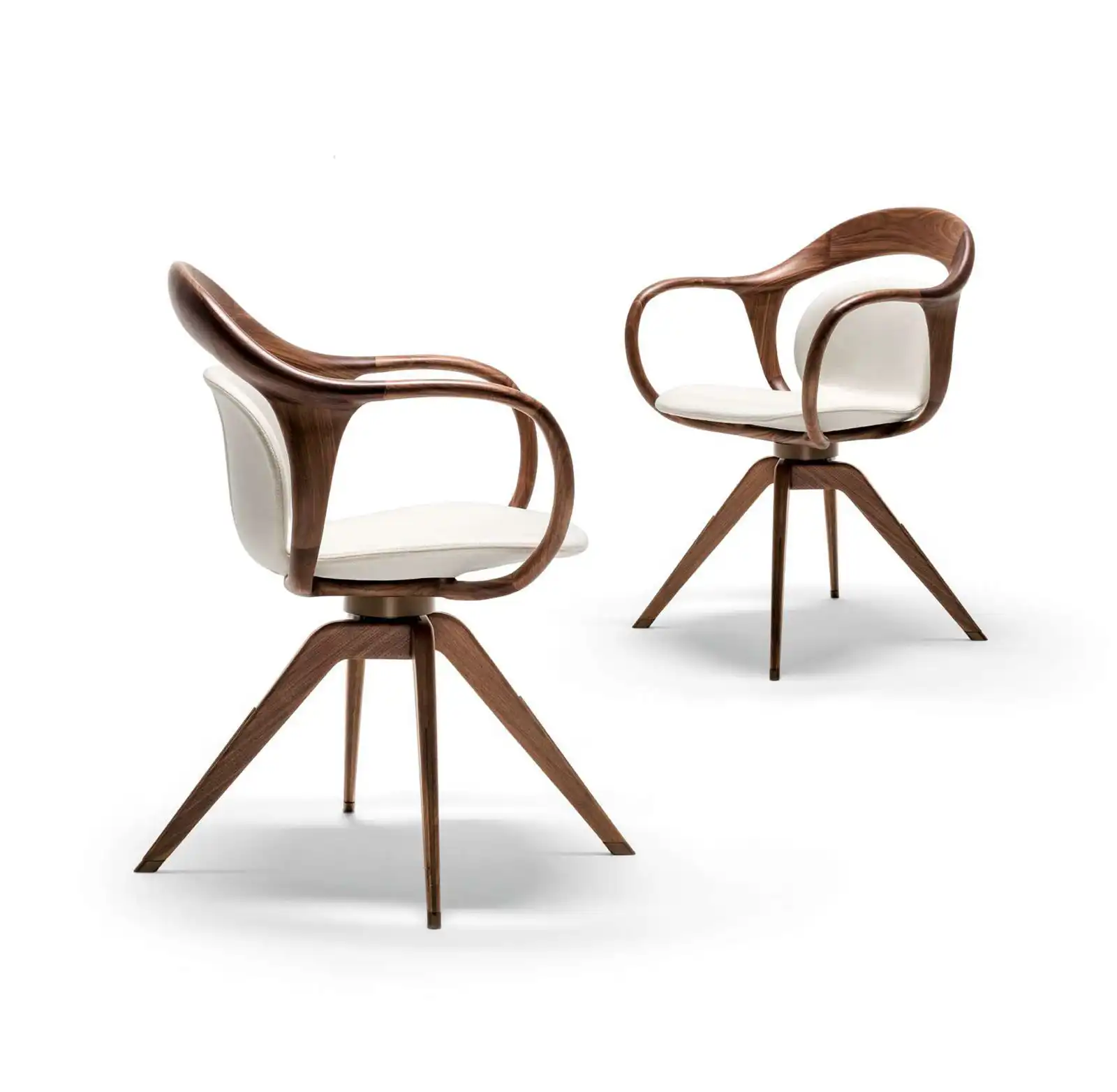
Designed by m2atelier, the Norah chair exemplifies Giorgetti’s mastery of contemporary elegance.
Its frame is built from 22 pieces of solid Canaletto walnut, joined to form a continuous line that flows seamlessly from armrest to legs. The internal skeleton supports a leaning shell that unites seat and backrest, creating a chair that is both sculptural and inviting.
Norah’s refined proportions and tailored upholstery highlight Giorgetti’s distinctive approach to contemporary Italian design. Price upon request. Available at Furnitalia.
Collection: Axel Chay for Pradier-Jeauneau Calade Collection
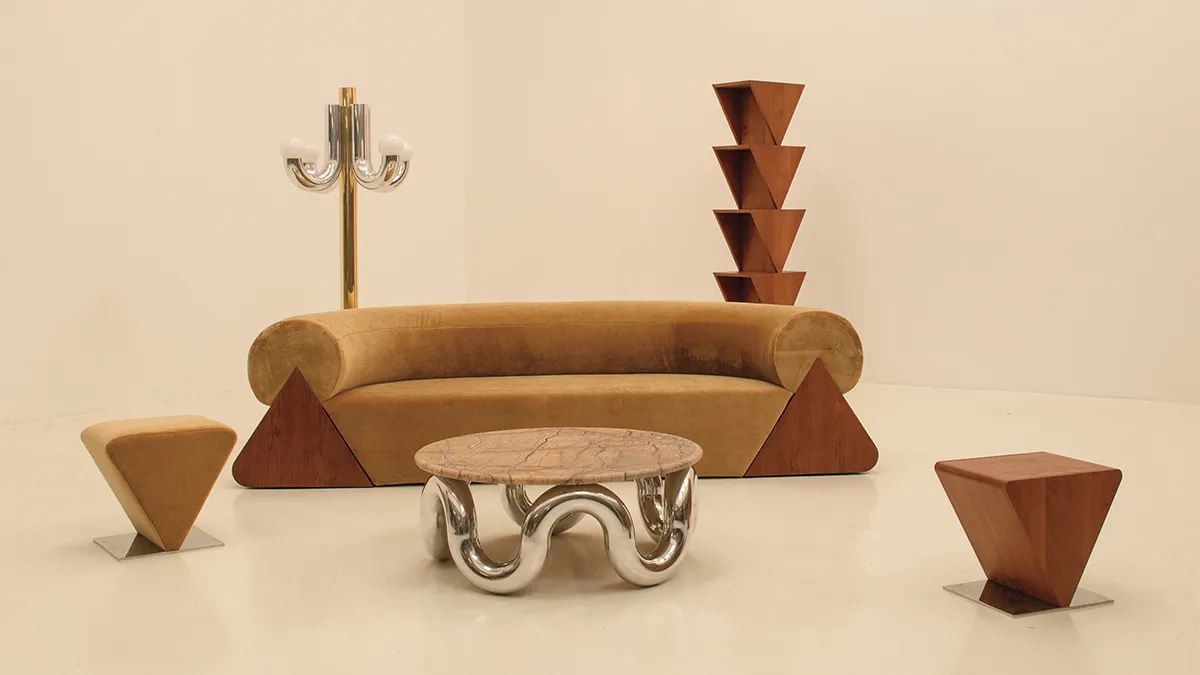
Created by Marseille-based interior designer Axel Chay for Galerie Pradier-Jeauneau, Calade debuted at PAD Paris 2024. Named after the neighborhood where the designer lives with his family, the initial Calade range consists of six staple items—a sofa, a coffee table, a stool, a chair, a bookcase, and a floor lamp—though Chay has continued to expand the collection. His experimentation with shapes and strong understanding of materiality are the anchors from which he produces new classics with a timeless aesthetic, attracting much industry attention. Three articles from Calade—the coffee table and the wooden and upholstered versions of the stool—are slated to join the Mobilier National in December. The addition of one’s work to the institution, which has been building, preserving, and restoring the country’s national furniture archive for more than 300 years, is among the highest honors for French designers. From about $1,024
Cultural Expression: Philippine Pavilion at Expo 2025 Osaka
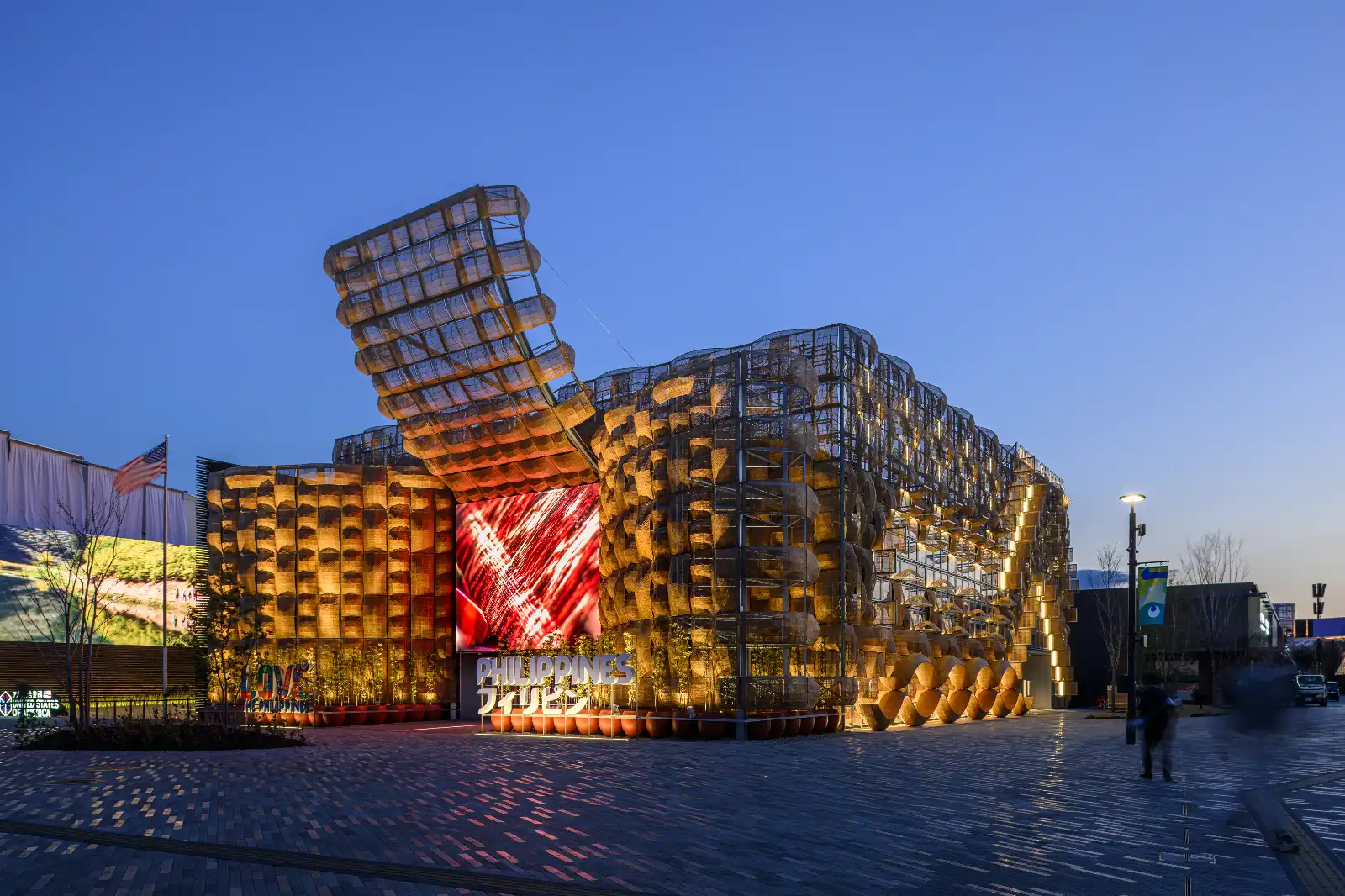
The Philippine Pavilion at Expo 2025 Osaka, designed by Carlo Calma and Carlo Calma Consultancy Inc., presents architecture as cultural narrative. Drawing on Filipino heritage and identity—through form, material, and experience—it shows how design can be distinctly Filipino while remaining globally resonant.
For a complete list of Robb Report Philippines’ Best of the Best awardees, click here.