Best of the Best 2025: Dining




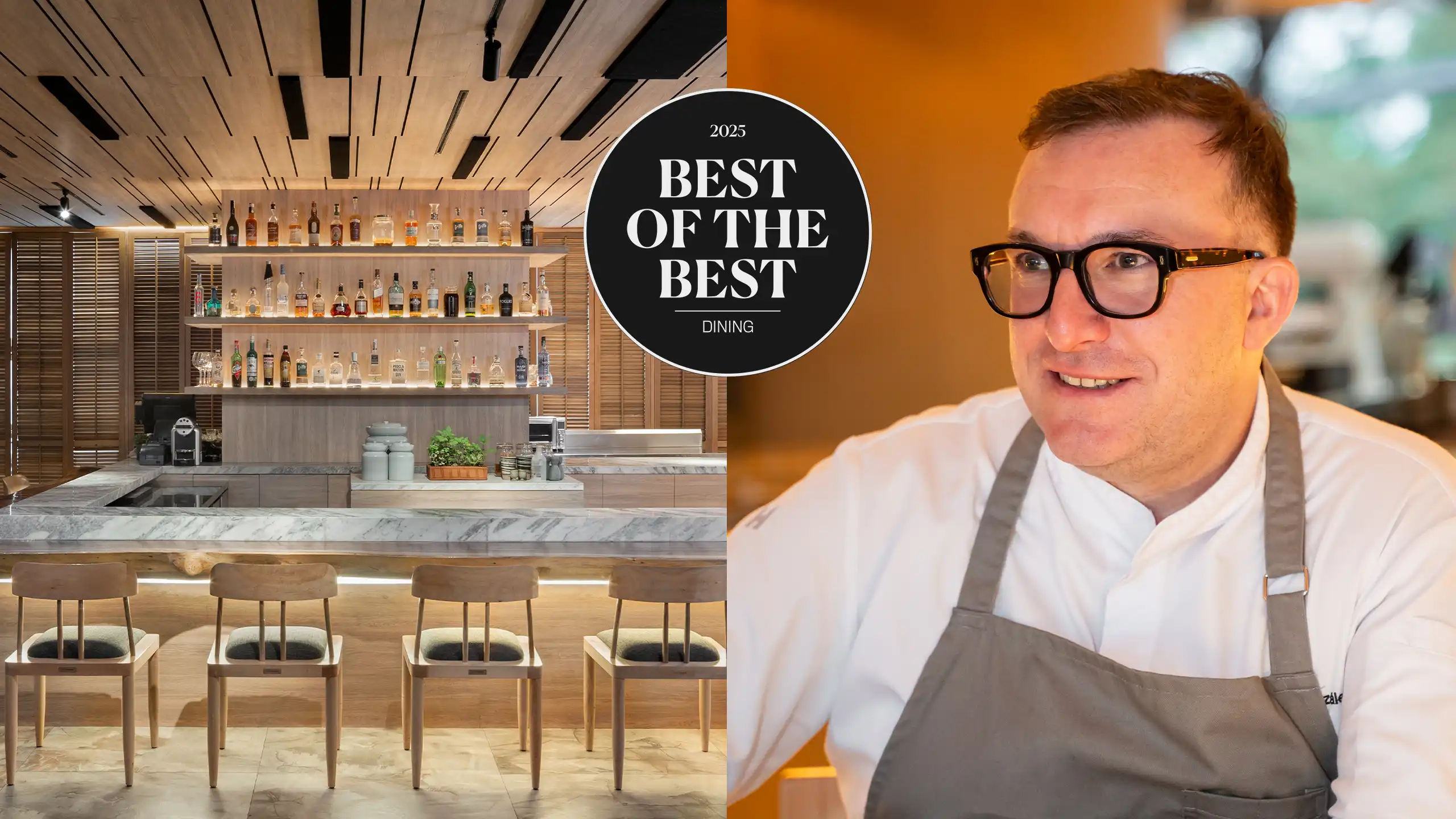
Best of the Best: Chele Gonzalez and Gallery by Chele
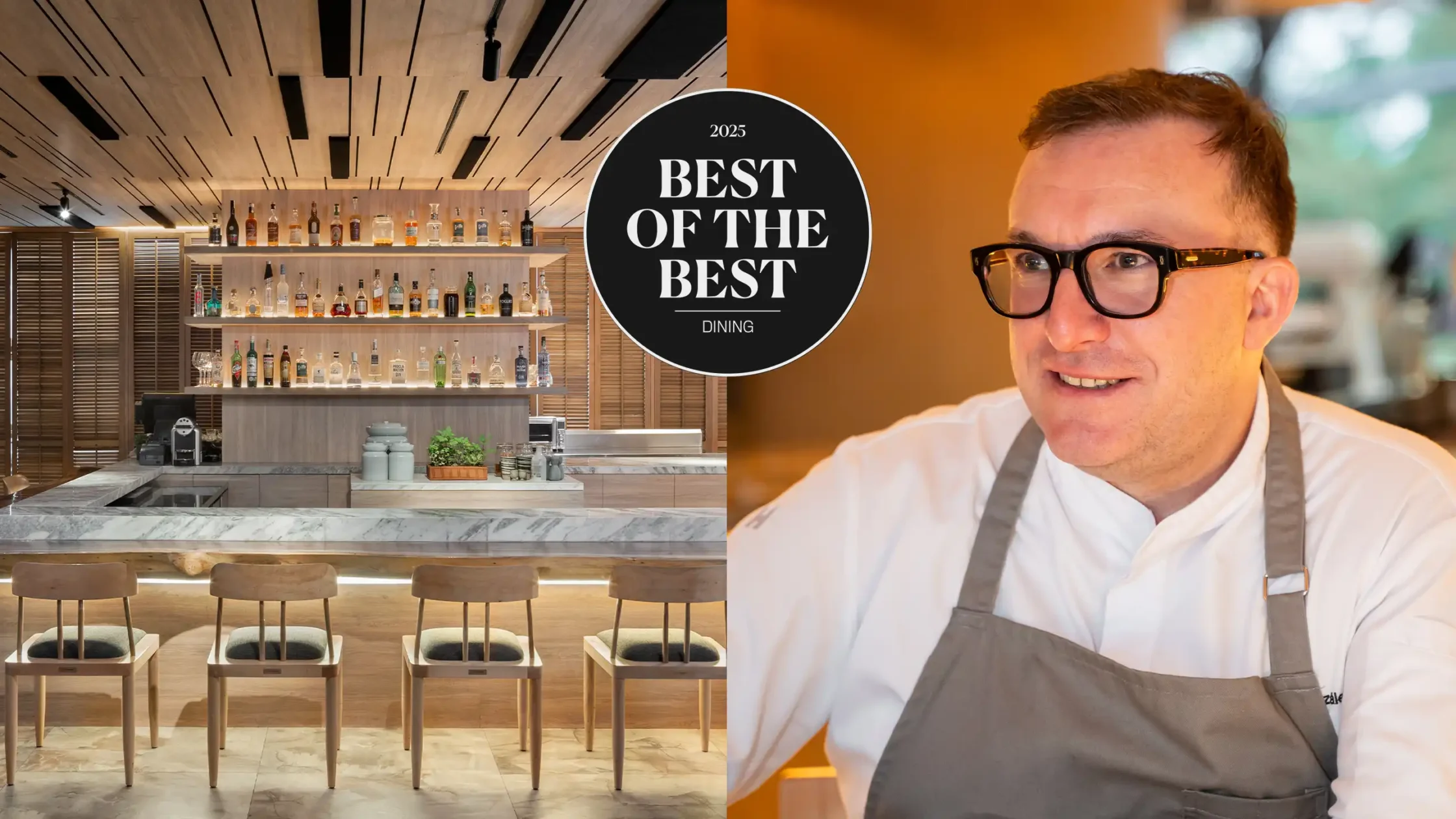
Nearly 15 years ago, Spanish chef José Luis “Chele” González arrived in the Philippines eager to explore and create. What began with his first restaurant, the trailblazing Vask, soon evolved into Gallery by Chele, a dining room that helped redefine Philippine fine dining by celebrating native ingredients through global technique and with Filipino soul. Alongside his co-chef Carlos Villaflor—a local talent who rose from intern to partner—the kitchen operates with precision, balance, and invention.
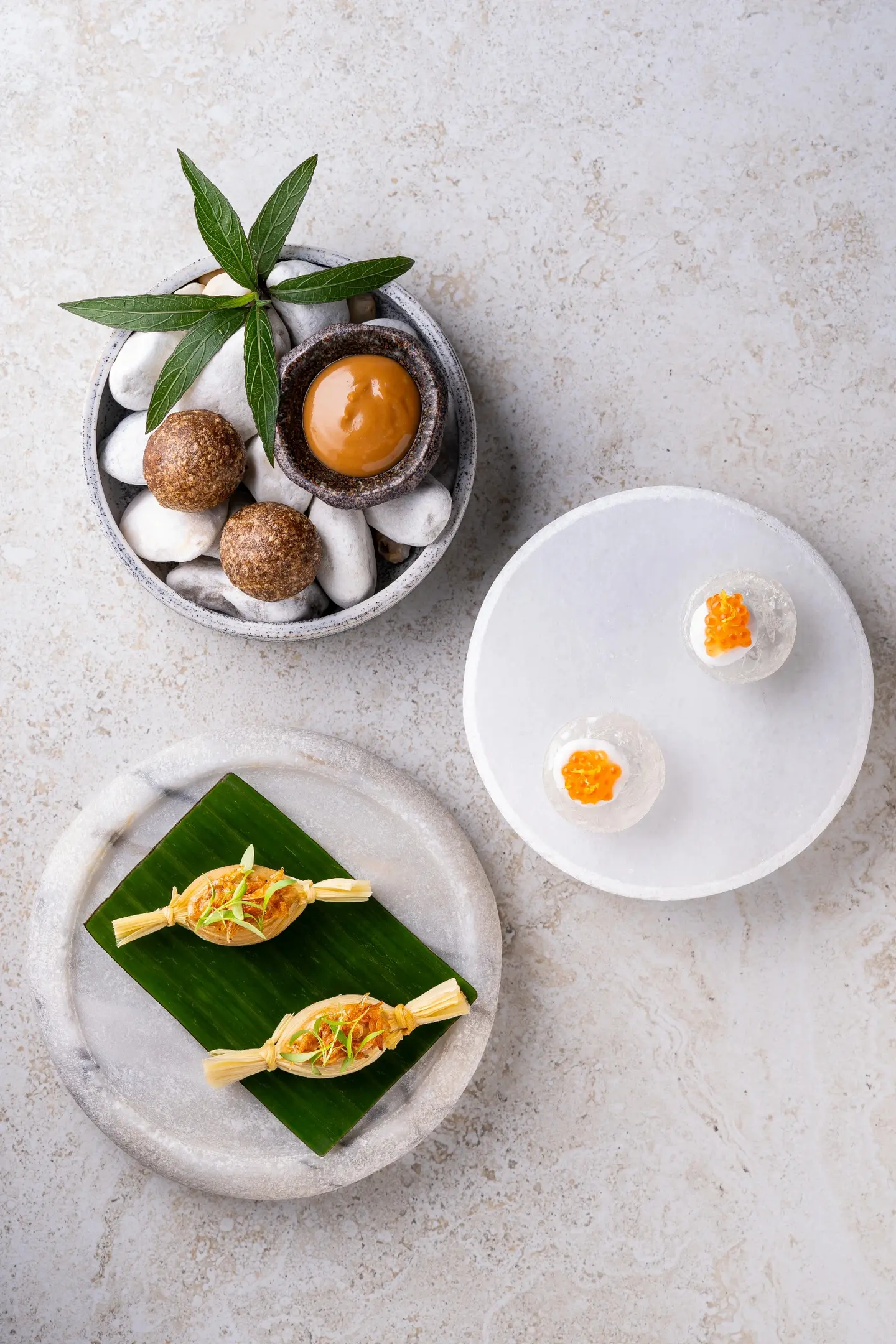
González has been a leading force in the country’s gastronomic evolution. From the start, sustainability has been central to his philosophy. He advocates responsible seafood sourcing, working with local fisherfolk to champion underutilized species and protect marine biodiversity. He collaborates with agricultural agencies and small-scale farmers to revive and promote local produce, including Philippine heirloom rice varieties, native cacao, root crops, and, more recently, the local coconut.
On-site, an organic garden serves as a living pantry, supplying fresh herbs, native greens, edible flowers, and heirloom vegetables that bring immediacy and brightness to the plate.
With a beverage program that mirrors the kitchen’s craft, and service that moves with a polished, graceful rhythm, Gallery by Chele stands as a testament to modern Filipino dining—rooted in heritage, sharpened by technique, and guided by vision.
Top Ten
Antonio’s
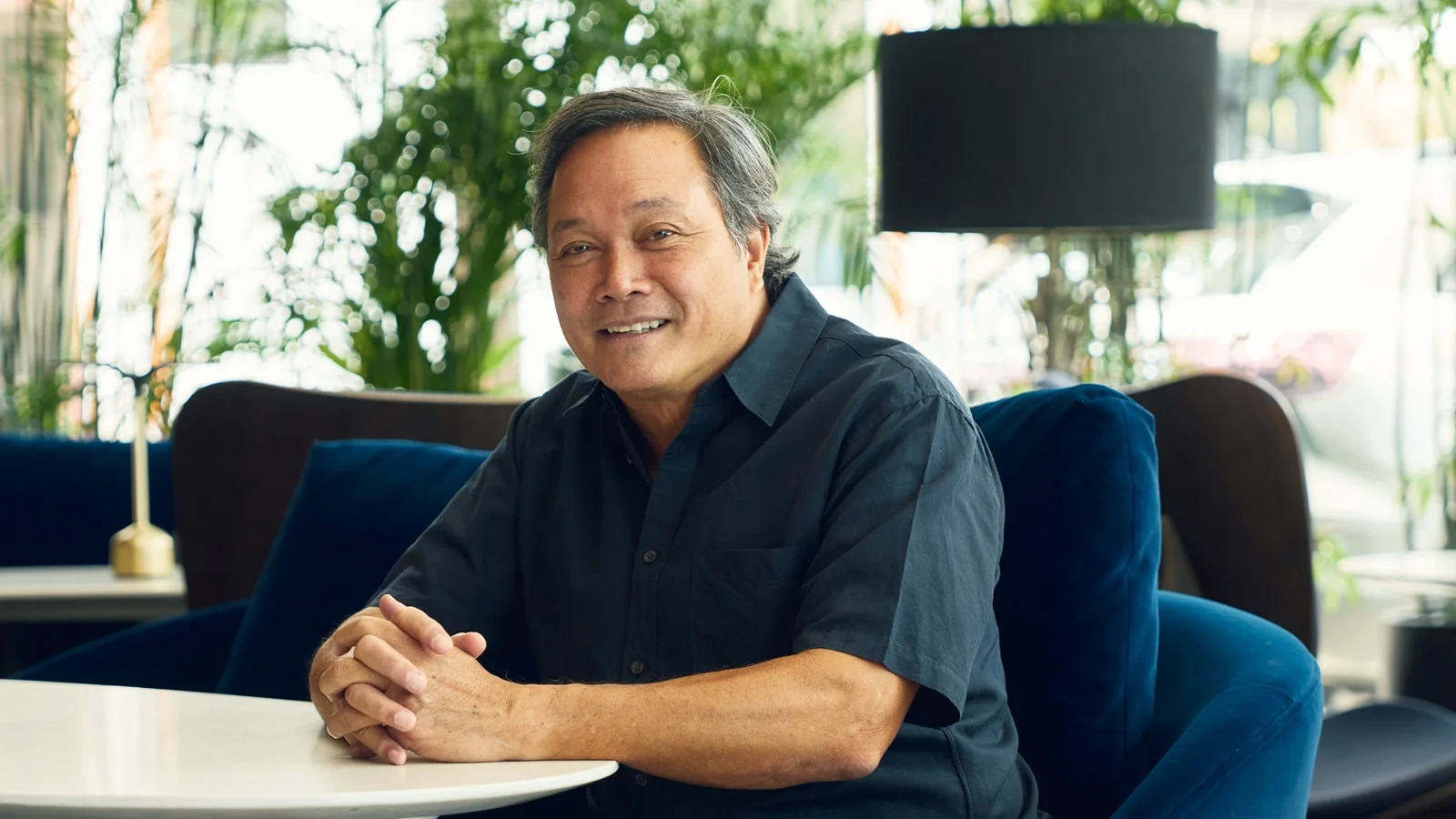
For more than two decades, Antonio’s has defined destination dining in the Philippines. At its heart is chef Tony Boy Escalante, whose instinct for hospitality is rooted in generosity, detail, and care. Meals here are more than a sequence of courses; they’re orchestrations of atmosphere, flavor, and service that feel personal and comforting, yet precise.
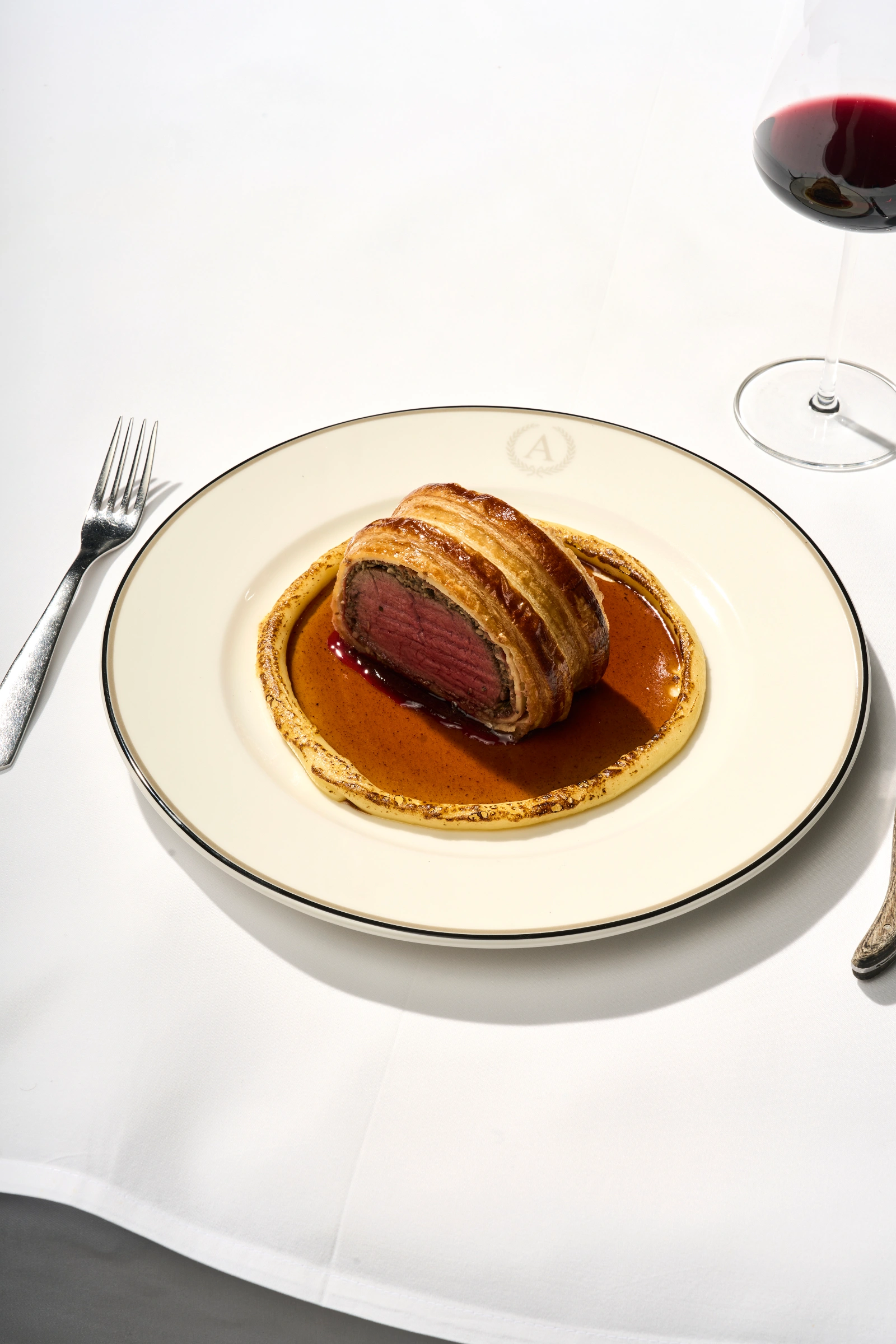
What sets Antonio’s apart is Escalante’s ability to make the grand feel intimate. A perfectly charred steak or delicately plated seafood arrives with the same sense of ceremony as the welcome at the door, and both are delivered with a warmth that lingers. The restaurant’s home-like setting—an elegant structure surrounded by gardens—reinforces the idea that dining is as much about retreat and renewal as it is about food.
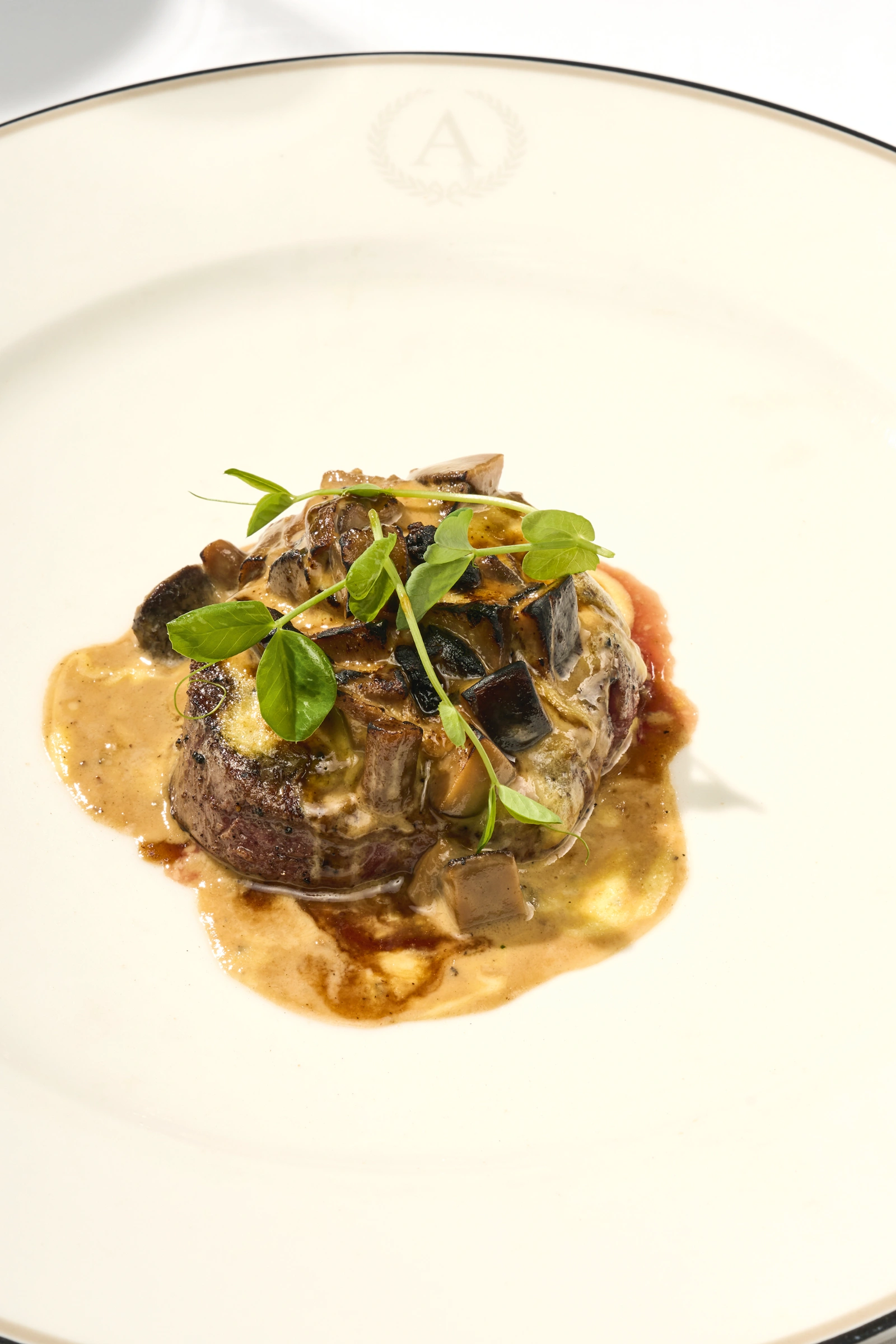
Antonio’s continues to thrive because it offers not just consistency, but a dining experience that feels timeless and deeply rooted in Filipino hospitality.
Blackbird

Blackbird is a masterclass in timeless, elegant dining. Chef Colin Mackay, part of Manila’s old guard of world-class restaurateurs, has long defined what fine dining in the city can be. His legacy of impeccable execution at Sala carries through to Blackbird, where the menu blends European sensibilities with Asian influences—polished, precise, and at once international and distinctly Manila.
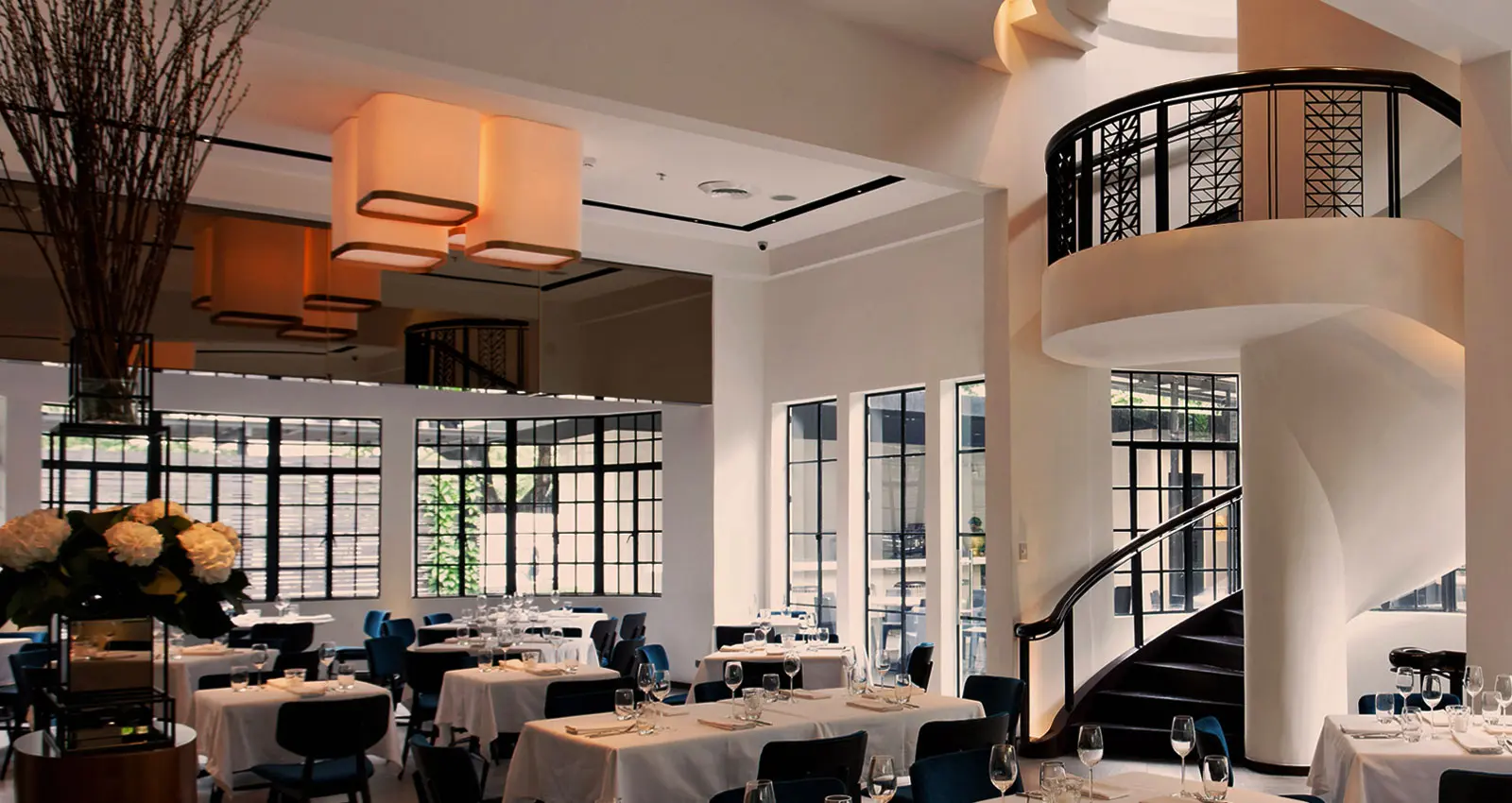
Every dish reflects Mackay’s trademark consistency: technically assured, beautifully presented, and balanced in flavor. Service—graceful, discreet, and finely tuned—remains one of the restaurant’s signatures, ensuring a seamless experience from start to finish. Housed in the historic Nielson Tower, Manila’s first commercial airport building, Blackbird marries heritage with contemporary relevance. Ultimately, it is Mackay’s culinary vision and discipline that make Blackbird a standard-bearer woven into the fabric of cosmopolitan dining in Manila.
Celera
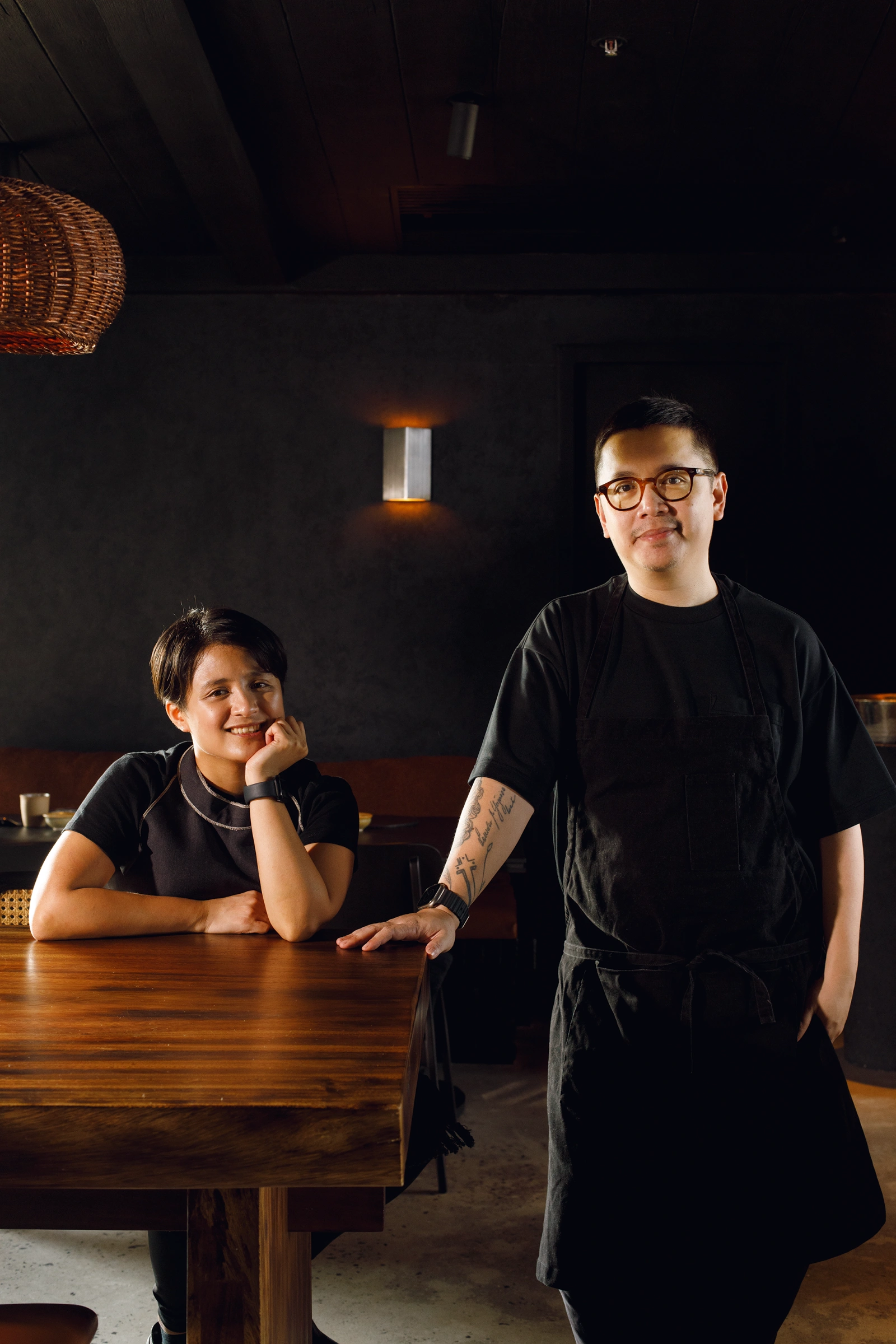
At Celera, chefs Nicco Santos and Quenee Villar open a new chapter with deep personal meaning. Set within Communa, a creative enclave on Pablo Ocampo Extension in Makati, the restaurant channels collaboration—where food, space, and storytelling meet.
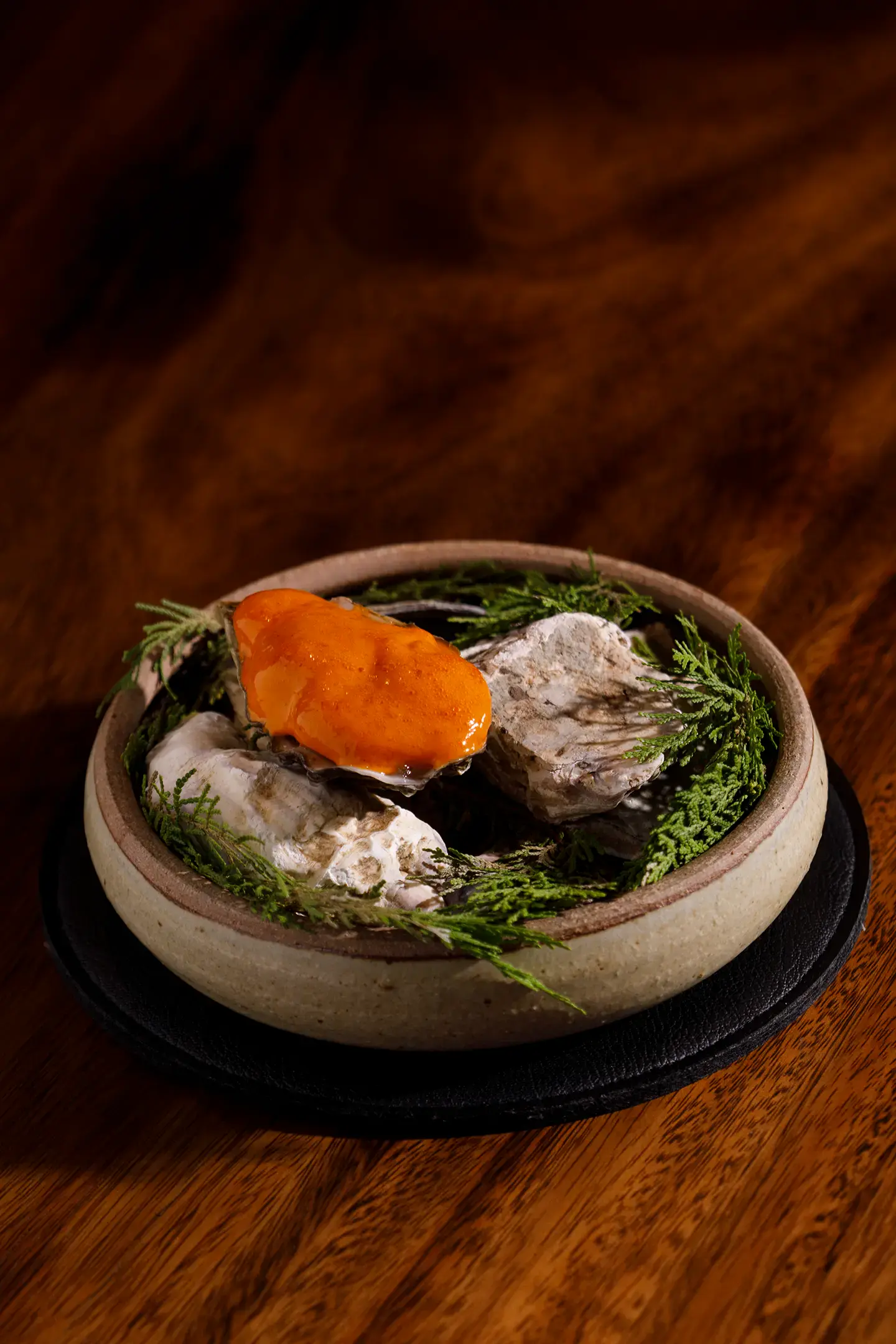
The name comes from the Malay word selera (“appetite” or “taste”), a nod to Santos’s mentor and early lessons in layering flavor with care. That philosophy shows in standout dishes like a crudo of Basilan fish with protein noodles, laksa-leaf pesto, and ponzu—an elegant play of complexity and restraint.
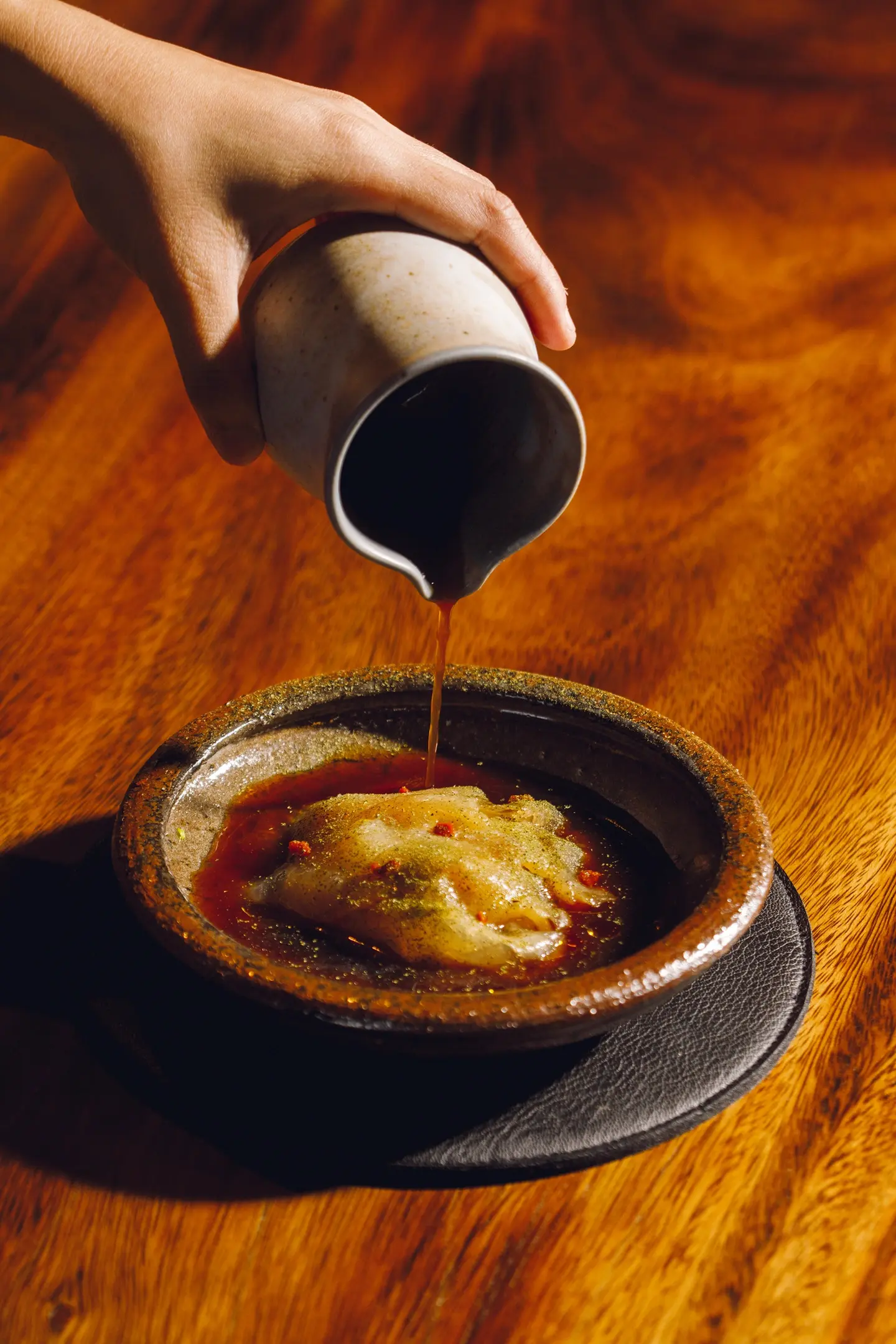
Celera offers both an à la carte selection and a tasting menu with well-judged wine pairings. Designed by architect JJ Acuña, the room balances industrial rawness with quiet elegance, providing an immersive backdrop for a dining experience shaped by memory, emotion, and evolution.
Hapag
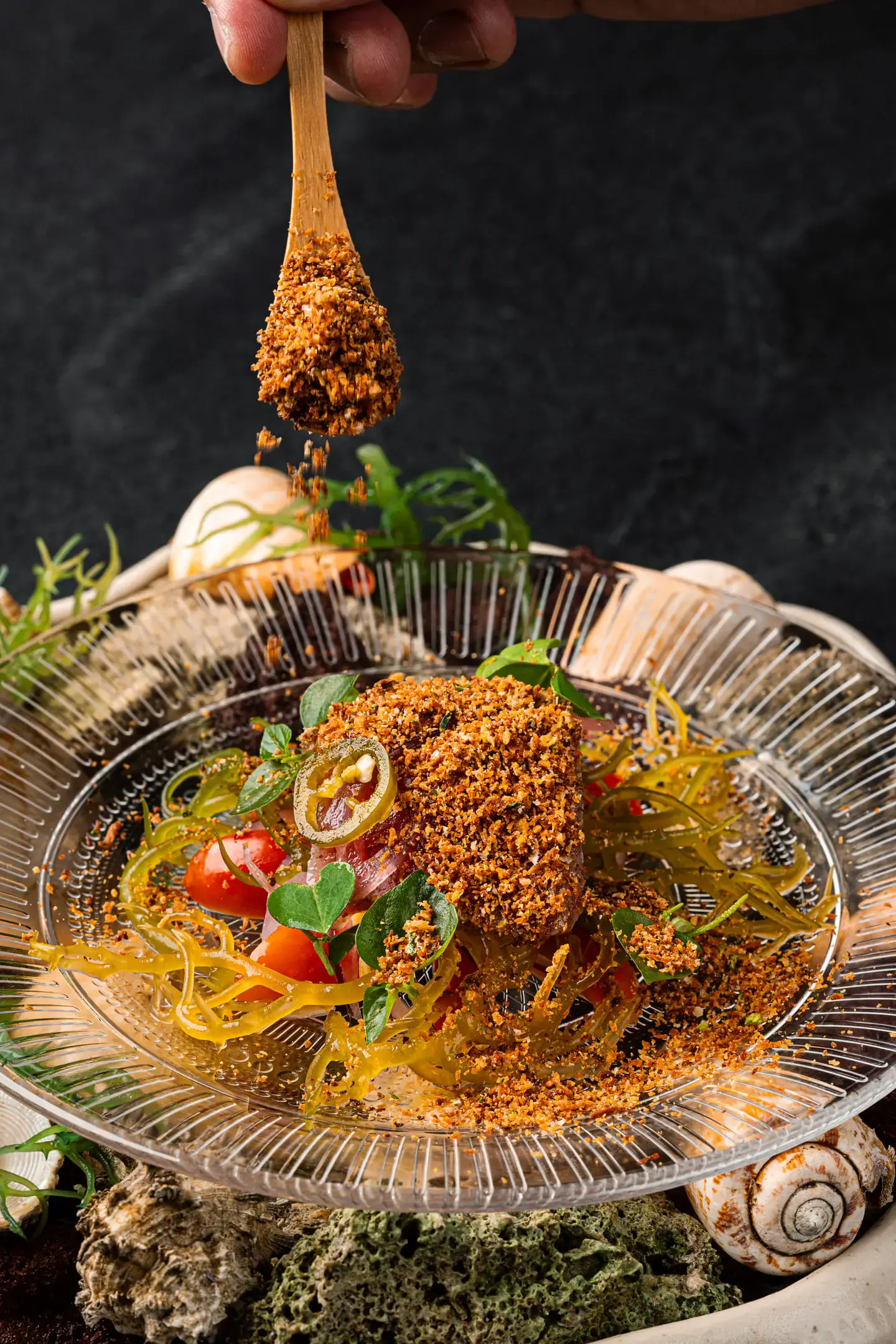
Hapag has become a clear voice in contemporary Filipino dining. Led by John Kevin “Nav” Navoa and Thirdy Dolatre, its tasting menus present local flavors with reverence while inviting diners to experience them in new ways. Each dish is grounded in research and storytelling, tracing ingredients back to regional farmers, fishers, and artisans. That focus on provenanceProvenanceThe documented history of an object's ownership, origin, and authenticity, particularly important for classic cars, watches, art, and wine. Strong provenance can dramatically raise an item's value, and collectors andGo to Provenance Glossary gives every plate cultural depth and environmental awareness: the spotlight stays on the food and the narratives it carries.
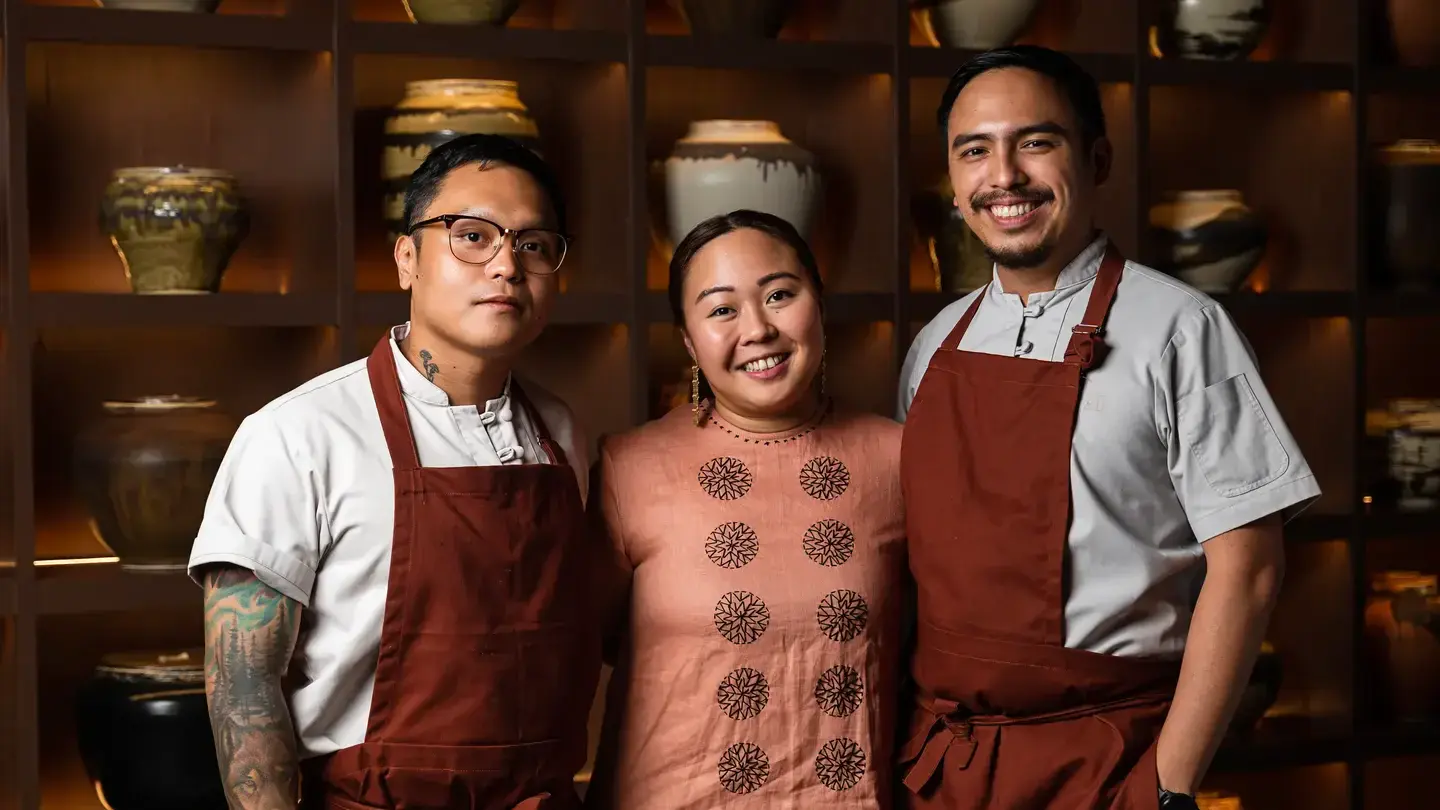
SommelierSommelierA trained wine professional who carefully curates wine lists, advises guests, and manages cellars in fine restaurants. A skilled sommelier pairs wines with dishes and guides diners through selections, andGo to Sommelier Glossary Erin Navoa supports this vision with pairings that earned Hapag a Wine Spectator Award of Excellence, underscoring its holistic approach to the meal. Whether interpreting a heritage recipe or exploring flavor and memory, Hapag celebrates the Philippines’ culinary heritage in ways that are both personal and broadly national.
Helm
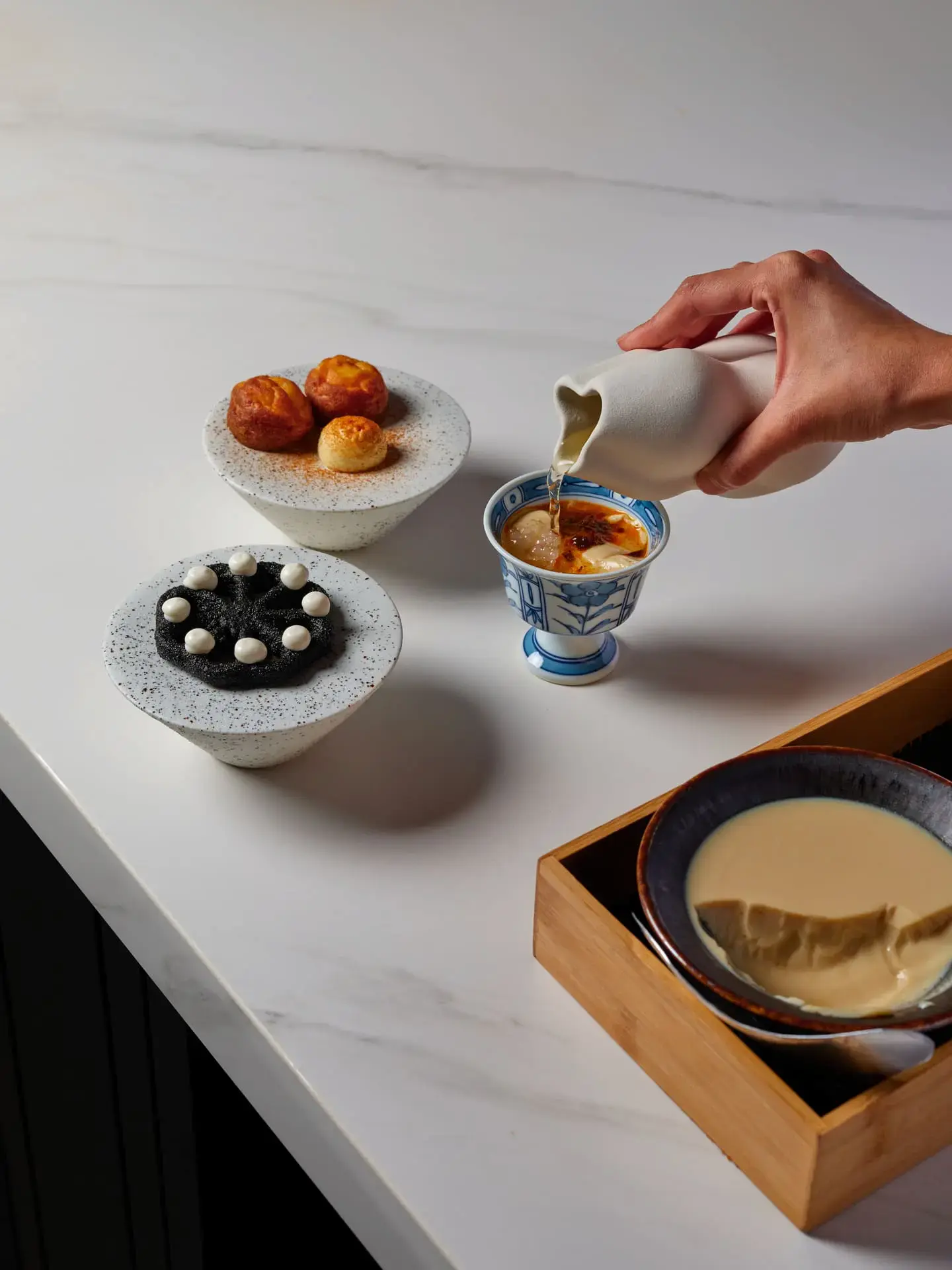
At Helm, chef Josh Boutwood builds worlds. With each new menu, he moves beyond traditional fine dining to create immersive culinary universes in which every course carries its own narrative. Consider his tasting menus drawn from the mythos of Star Wars or inspired by the wizarding world of Harry Potter. These are not simple pop-culture nods; Boutwood interprets iconic stories through a gastronomic lens, translating setting and character into flavor, texture, and tempo.
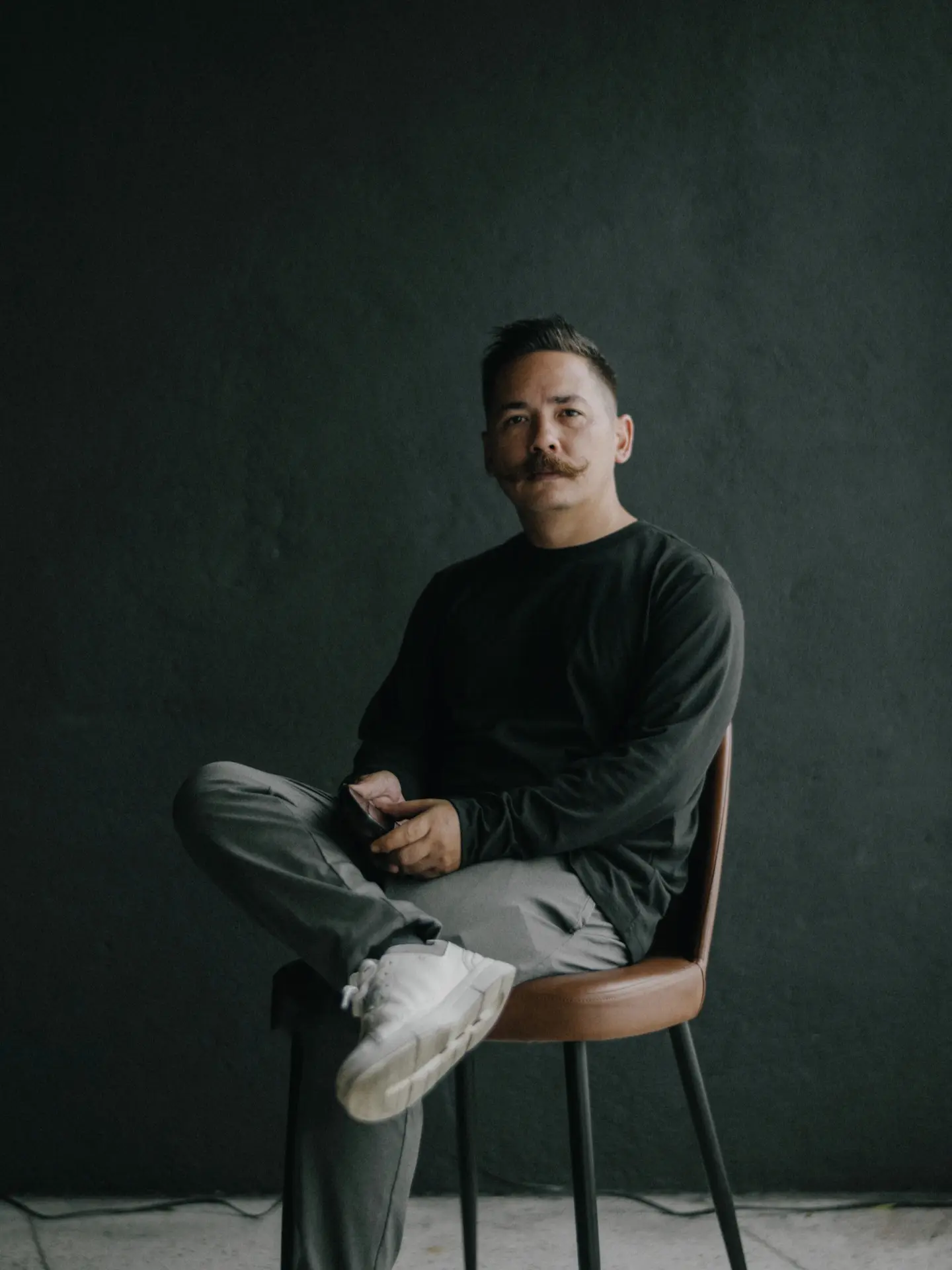
Reopened at Ayala Triangle Gardens in 2023, Helm is a 24-seat tasting room that dissolves the distance between chef and diner. An open kitchen and an ever-evolving multi-course format let Boutwood explore deeper themes, test ideas, and connect directly with guests. Menus are often shaped by abstract concepts, memories, or emotions, then realized with technique, precision, and a measured sense of theater.
Iai
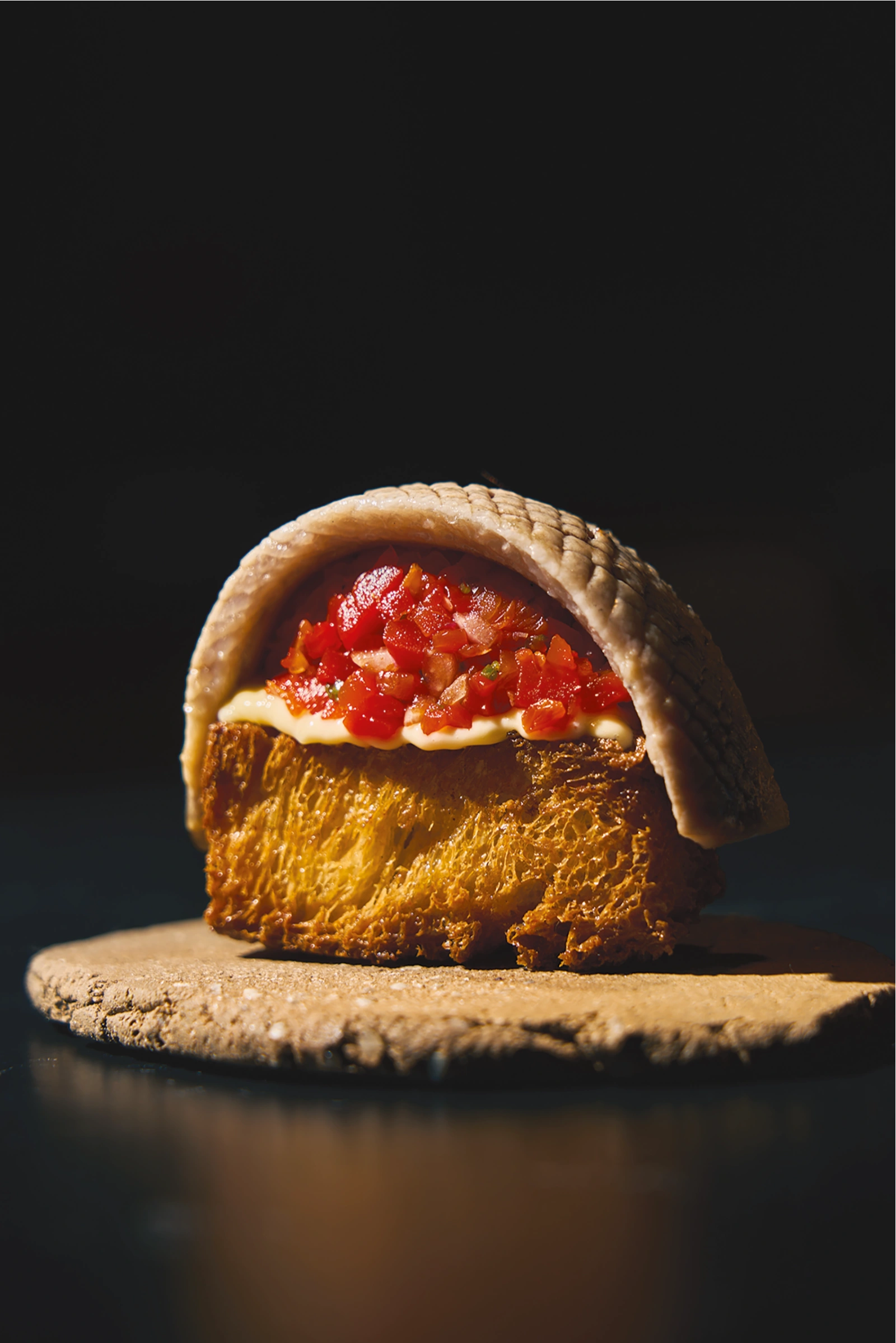
From chef Bruce Ricketts and his wife, Jae Pickrell, Iai is an immersive experience. In Bonifacio Global City, this intimate kappo-style space brings Japanese culinary tradition together with Filipino nuance and a global point of view.
Three omakase formats, each rooted in seasonality, set the pace: the kappo omakase, a five-course sequence of plated dishes; the sushi omakase, served only at the chef’s counter or in the private room; and the premium omakase, a 16–18 course progression with an expanded nigiri selection.
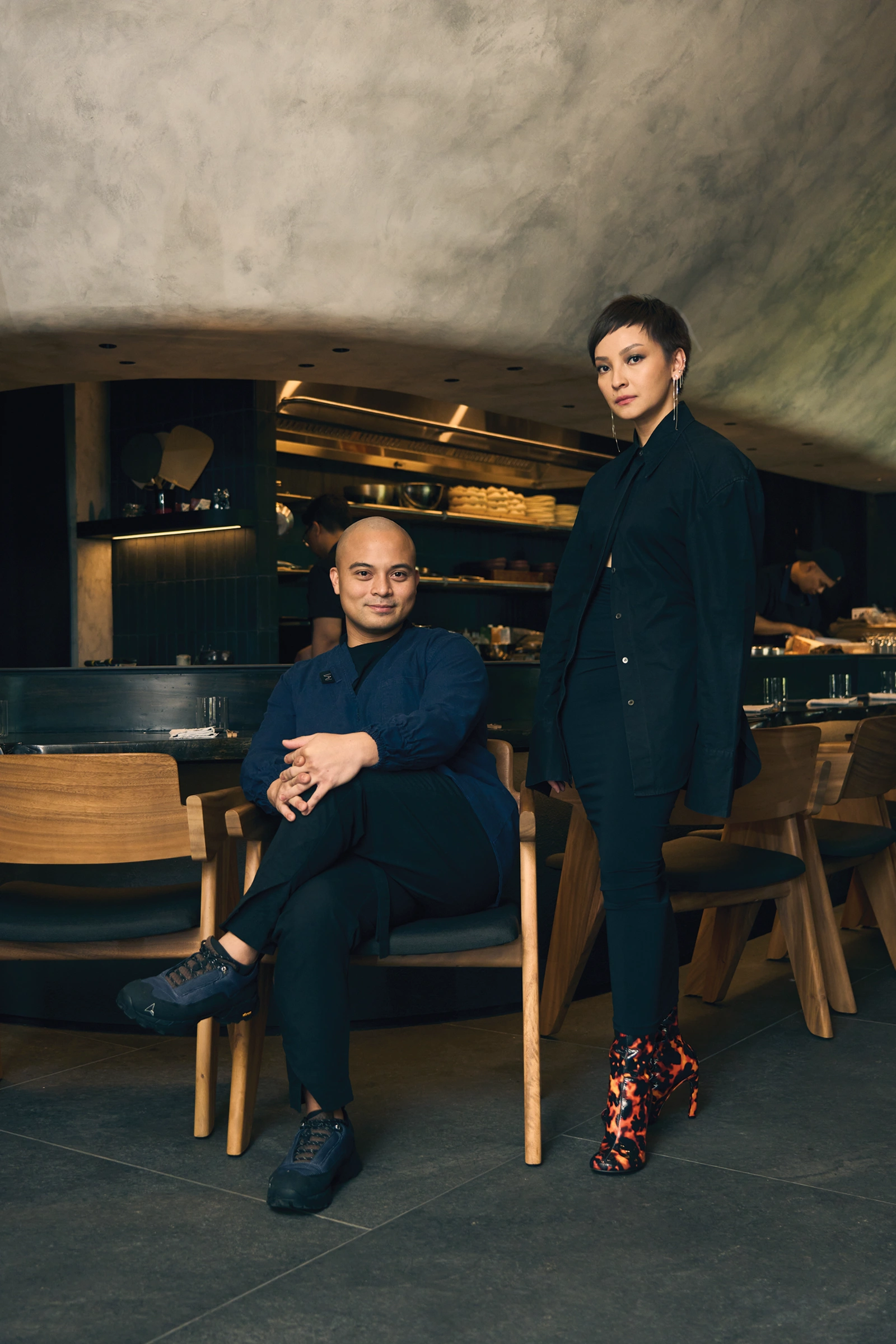
The wine and beverage program is equally personal, shaped by the couple’s passions rather than formal training. A strong Burgundy and Champagne lineup sits alongside a rare Japanese tea program curated by Pickrell, who works with small, single-estate producers in Japan.
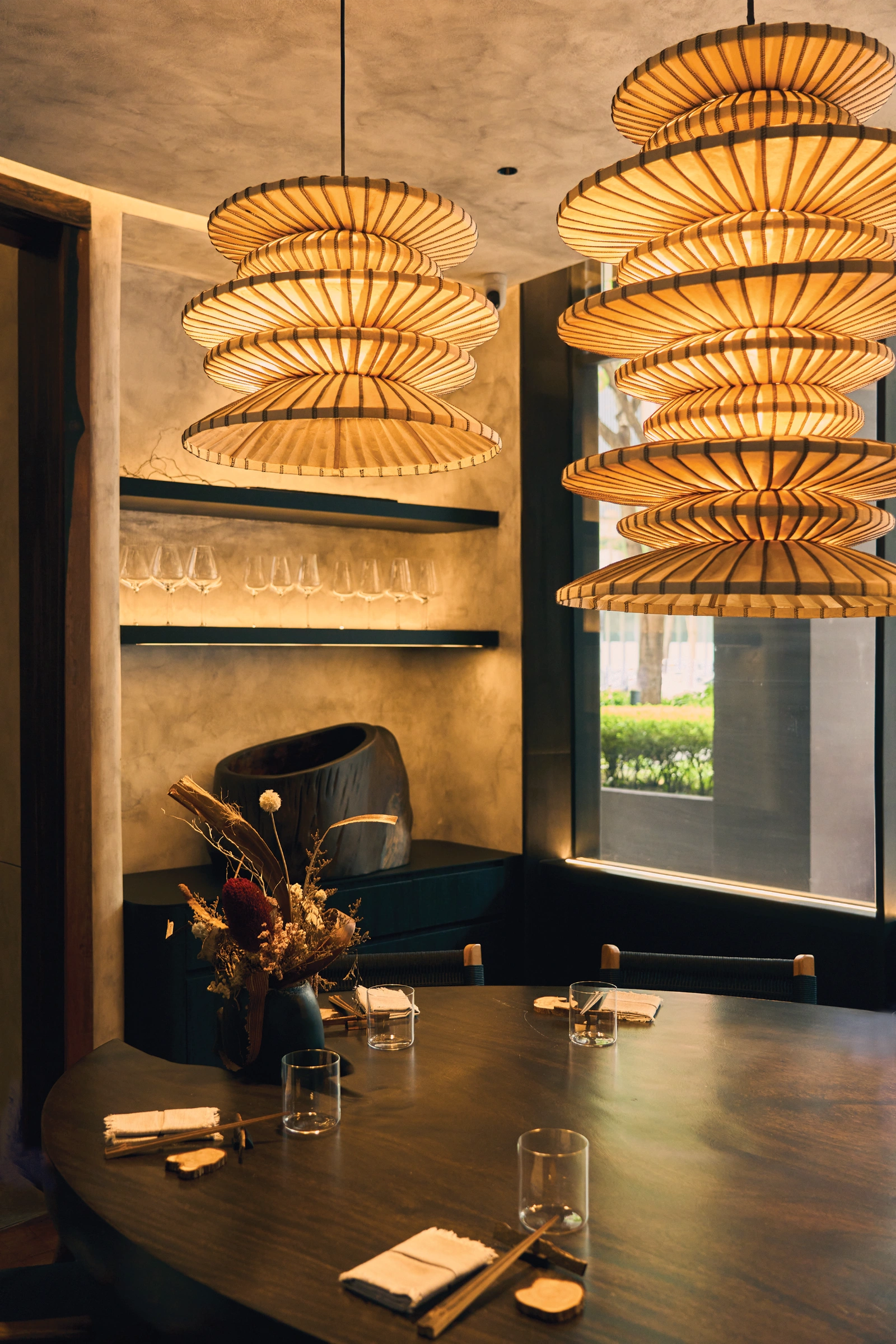
At Iai, form and flavor are intertwined. Each bite, sip, and surface reflects a shared vision of elegant hospitality grounded in curiosity and craftsmanship.
Inatô
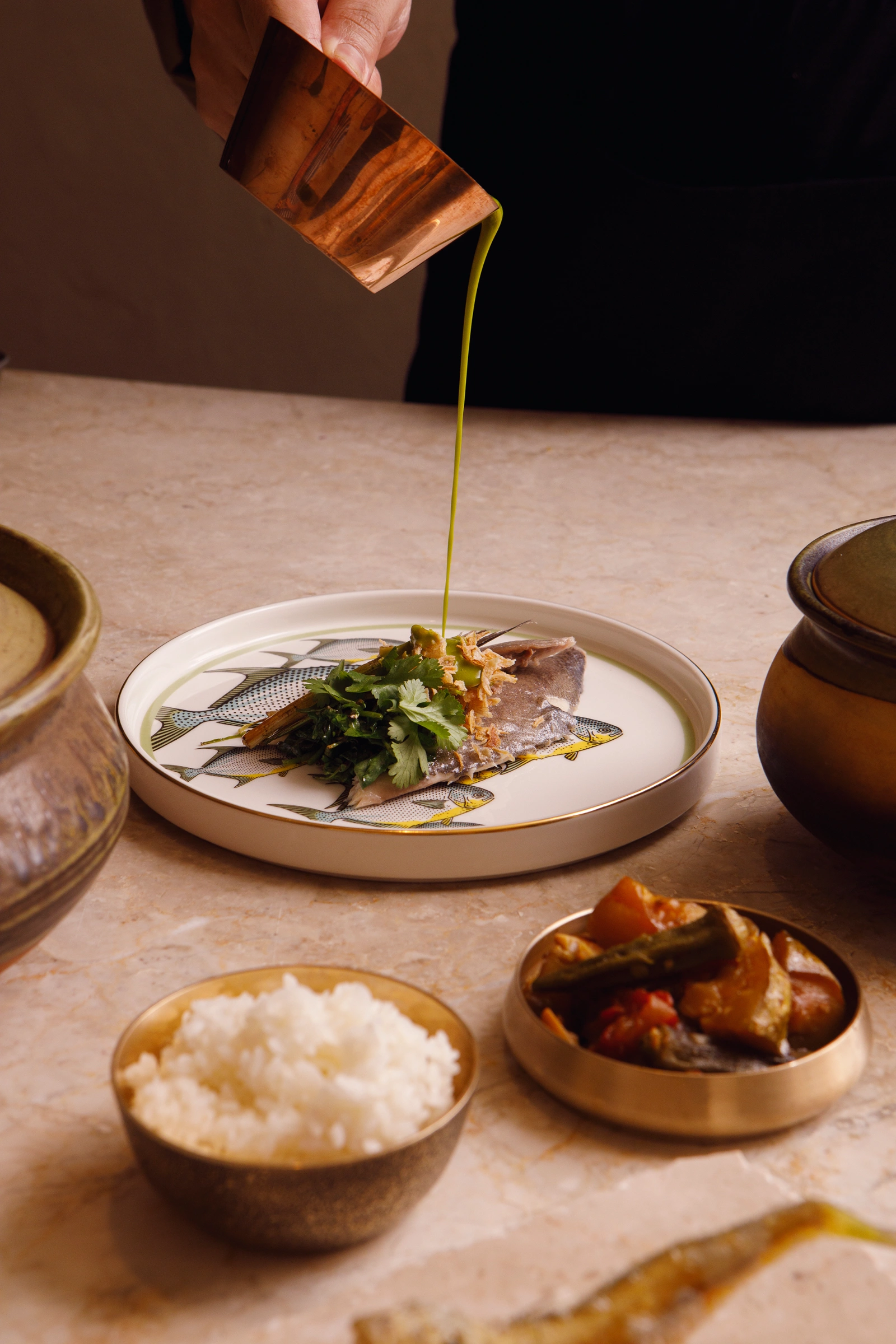
Inatô sits in an intimate corner of Karrivin Alley, where guests are welcomed to an eight-seat stone counter—and into the community that is Barangay Toyo.
“Inatô,” in Binisaya, means “our way,” and chef Jepe Cruz’s cooking is Filipino at its core, shaped by global exposure and personal experience. He and his team turn market-fresh, seasonal ingredients into a Bahala Na menu—dishes that surprise and delight with unexpected flavors and textures.
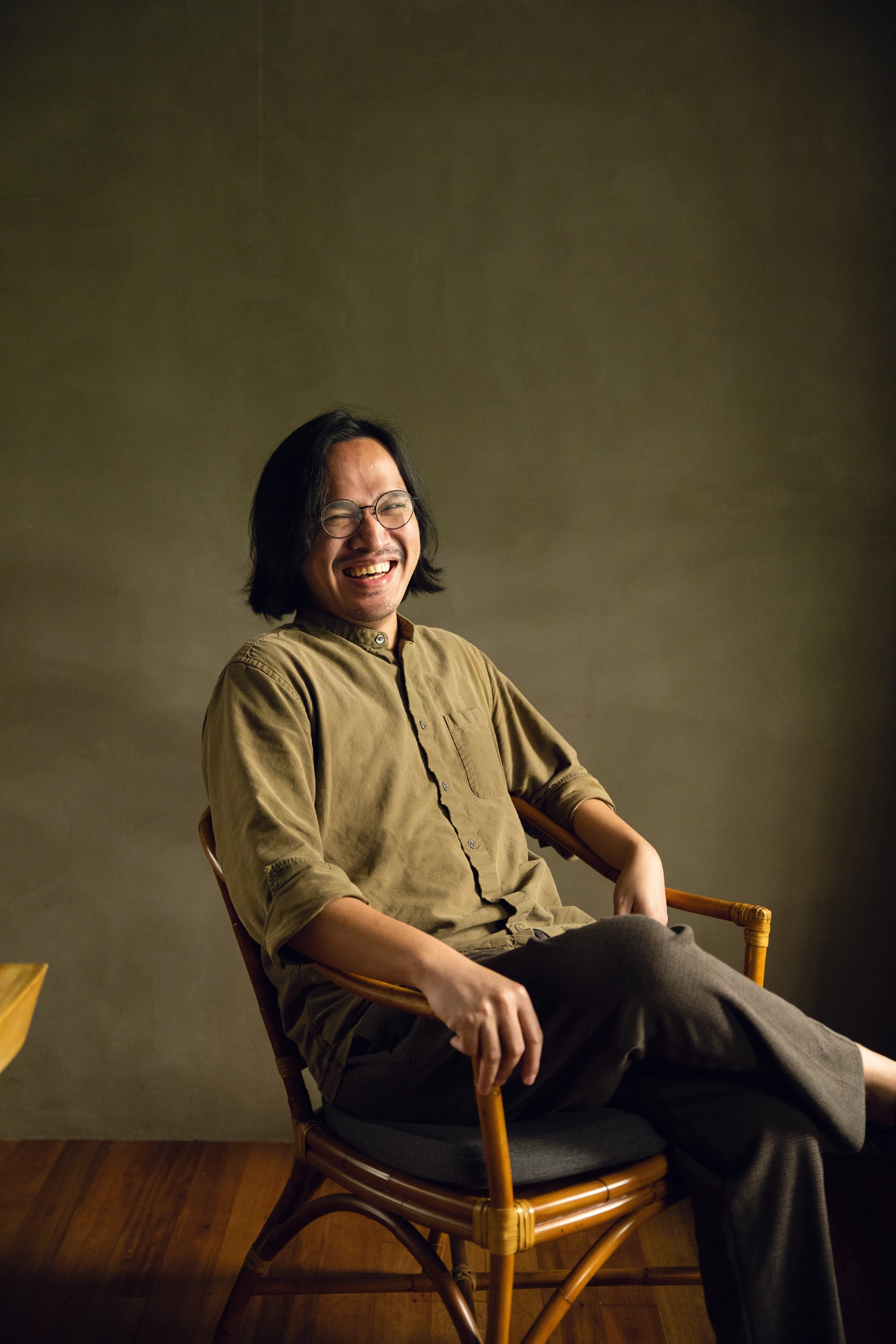
Throughout the meal, guests hear stories of sourcing from local and international producers; of Filipino techniques such as kinilaw and ihaw; and of the team’s own journeys as they grill, torch, and pour—sparking the kind of conversation found at a lively family table.
And when it’s time to head home, you’re handed a small bag of baon, a gentle echo of visits to Lola.
M Dining
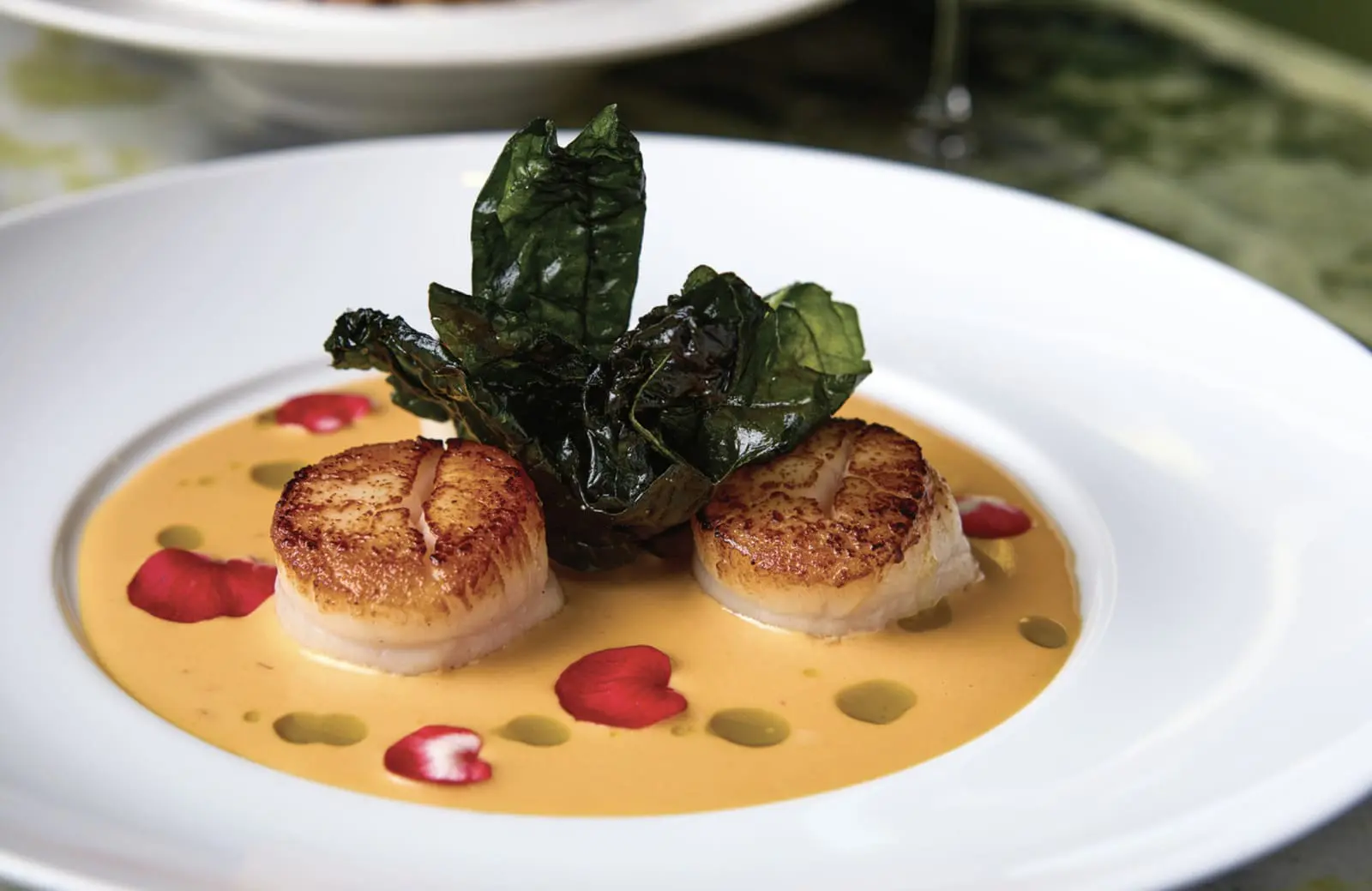
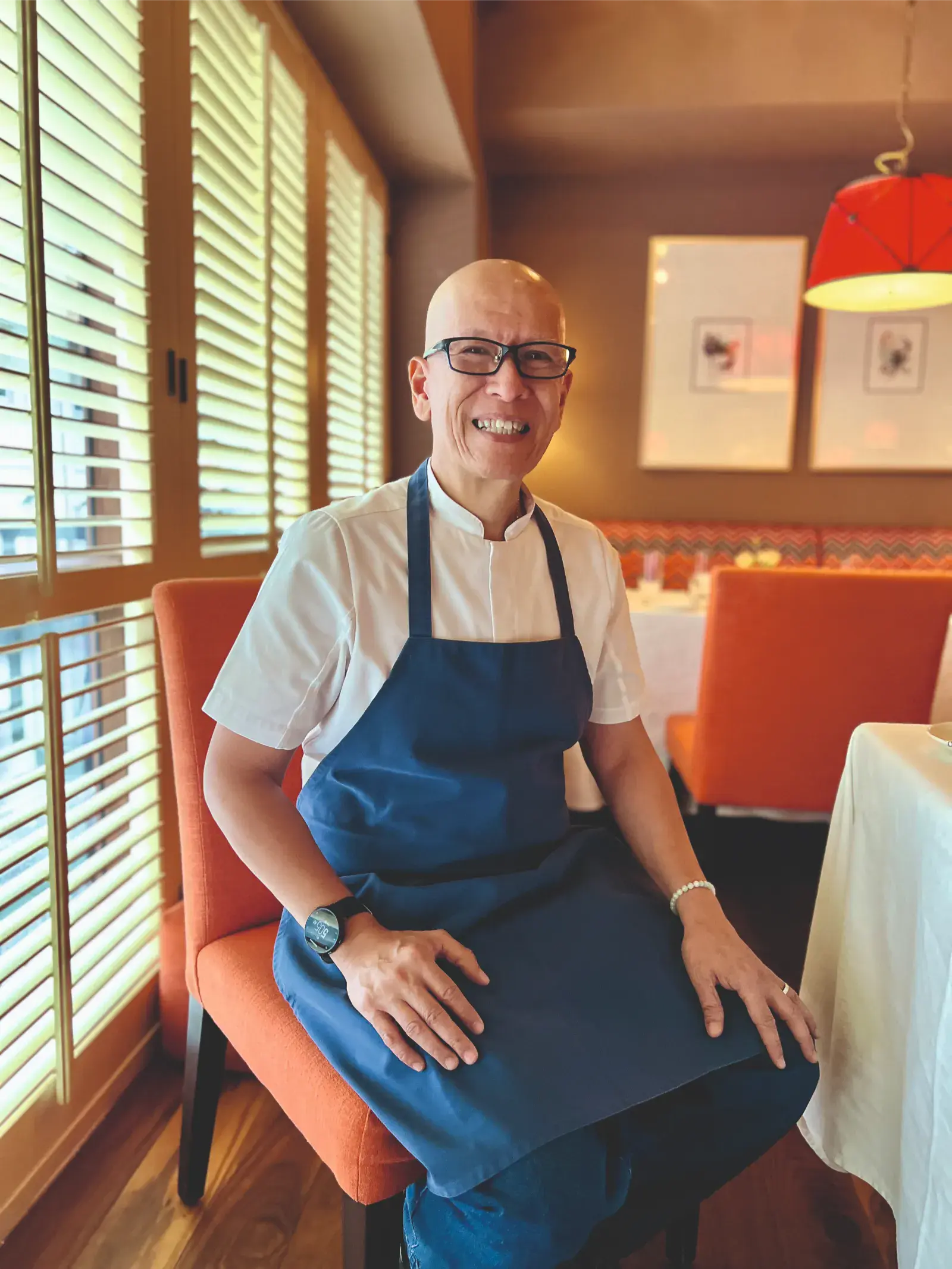
Tucked away on the third floor of a quiet Makati building, M Dining + Bar offers an approachable setting where food, wine, and cocktails take center stage.
In the kitchen, chef Tom Bascon delivers a menu that feels both fresh and familiar. At the bar, the M Martini, Lychee Campari, and Amaretto Sour pair well with standout bites like ikura-and-uni brioche, lardo-and-maitake crostini, and hand-cut mentaiko French fries.
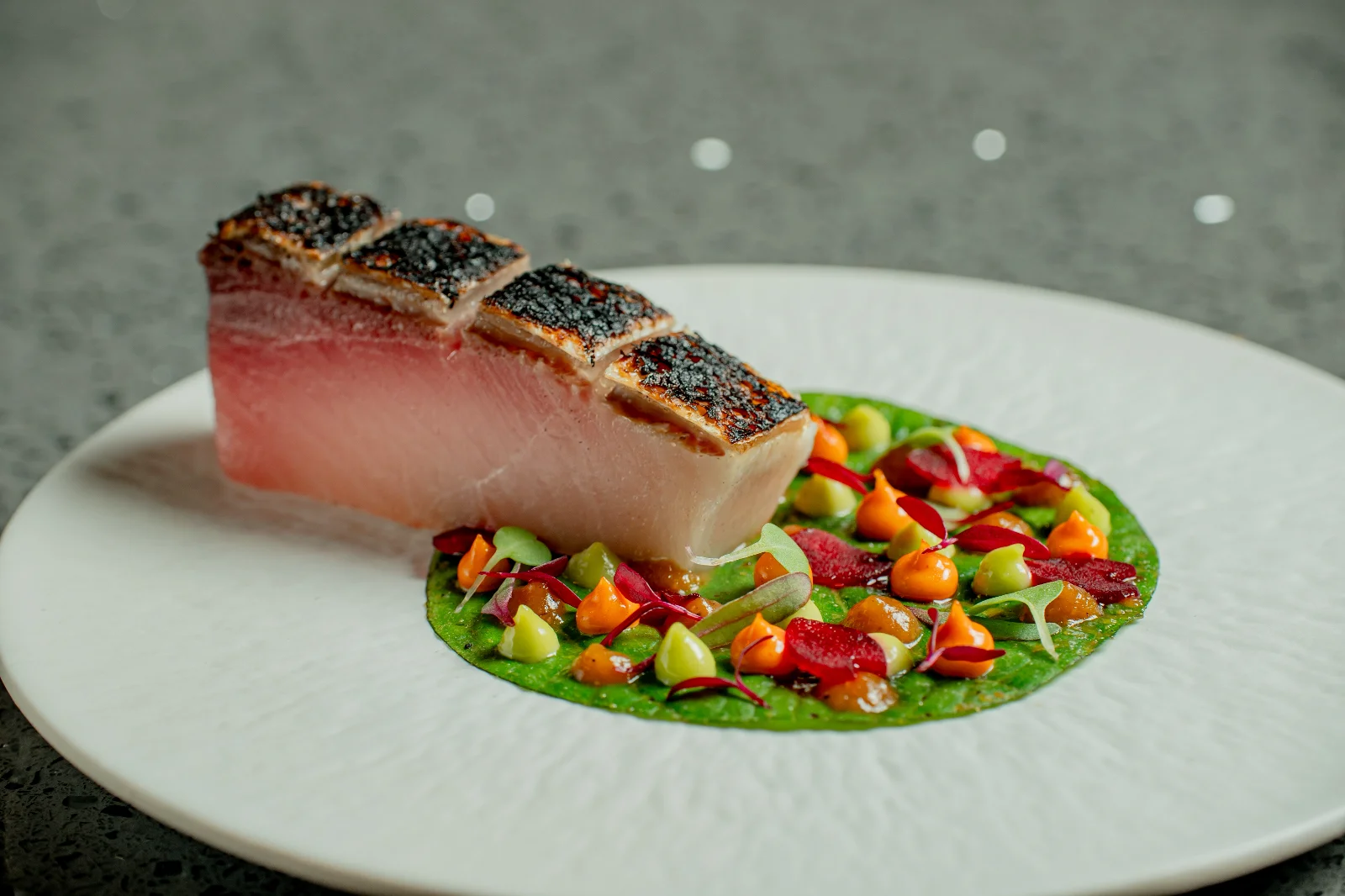
For mains, red lapu-lapu meunière and saffron scallops highlight precise seafood cookery, while glazed beef tenderloin and pork belly with edamame potato bring deeper, satisfying flavors. M also boasts one of the country’s most comprehensive wine programs—over 600 labels—alongside a considered cocktail list.
For dessert, don’t miss the crème brûlée with raspberries, the banana–chocolate cookie with bananas Foster, or the mango parfait.
Modan
Low-key yet highly revered, Jorge Mendez spent years quietly building his reputation as one of the Philippines’ brightest culinary talents. While leading several popular eateries across Metro Manila—and remaining executive chef of Cibo—he’s making waves with his most personal project: Modan.
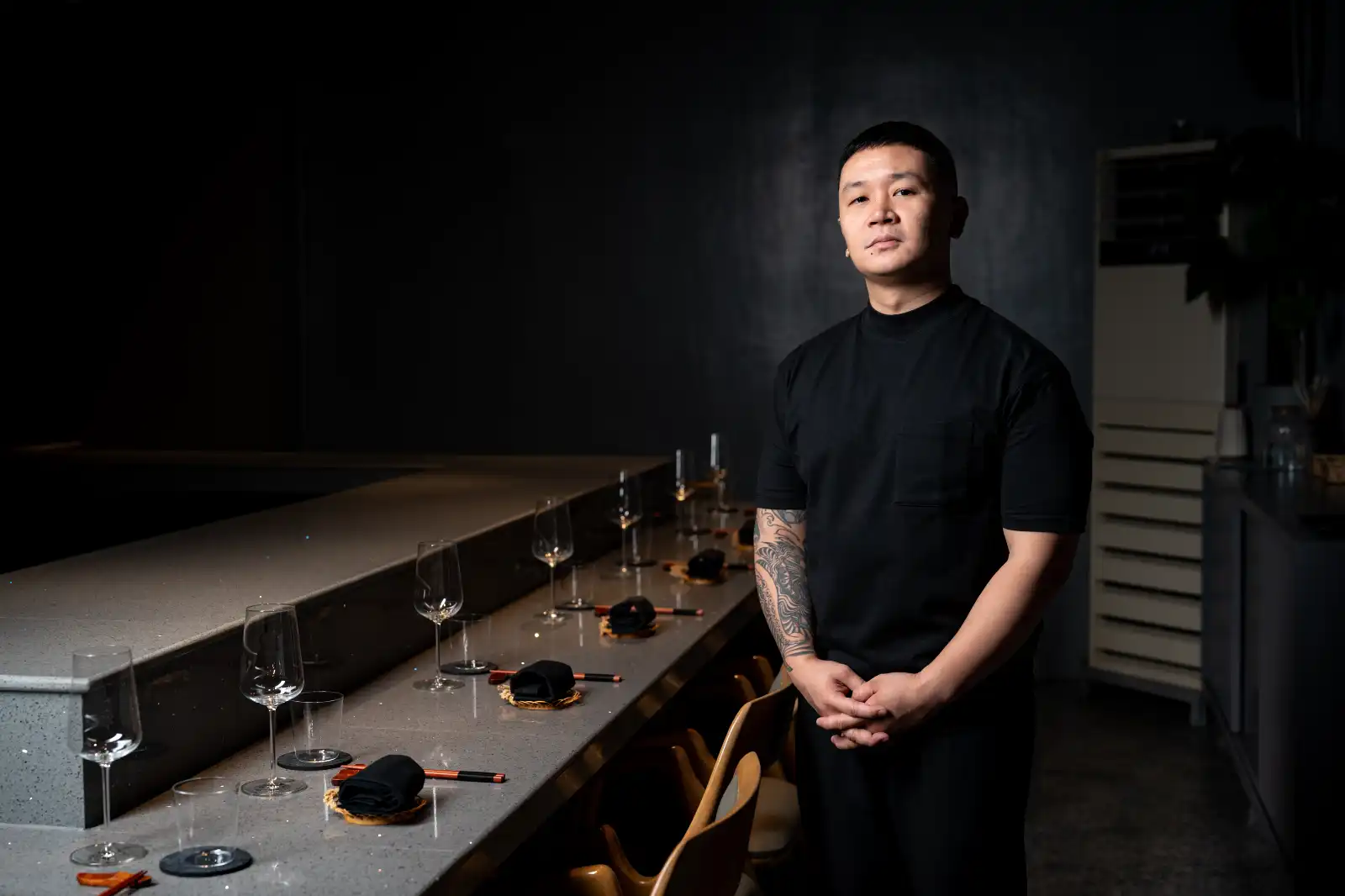
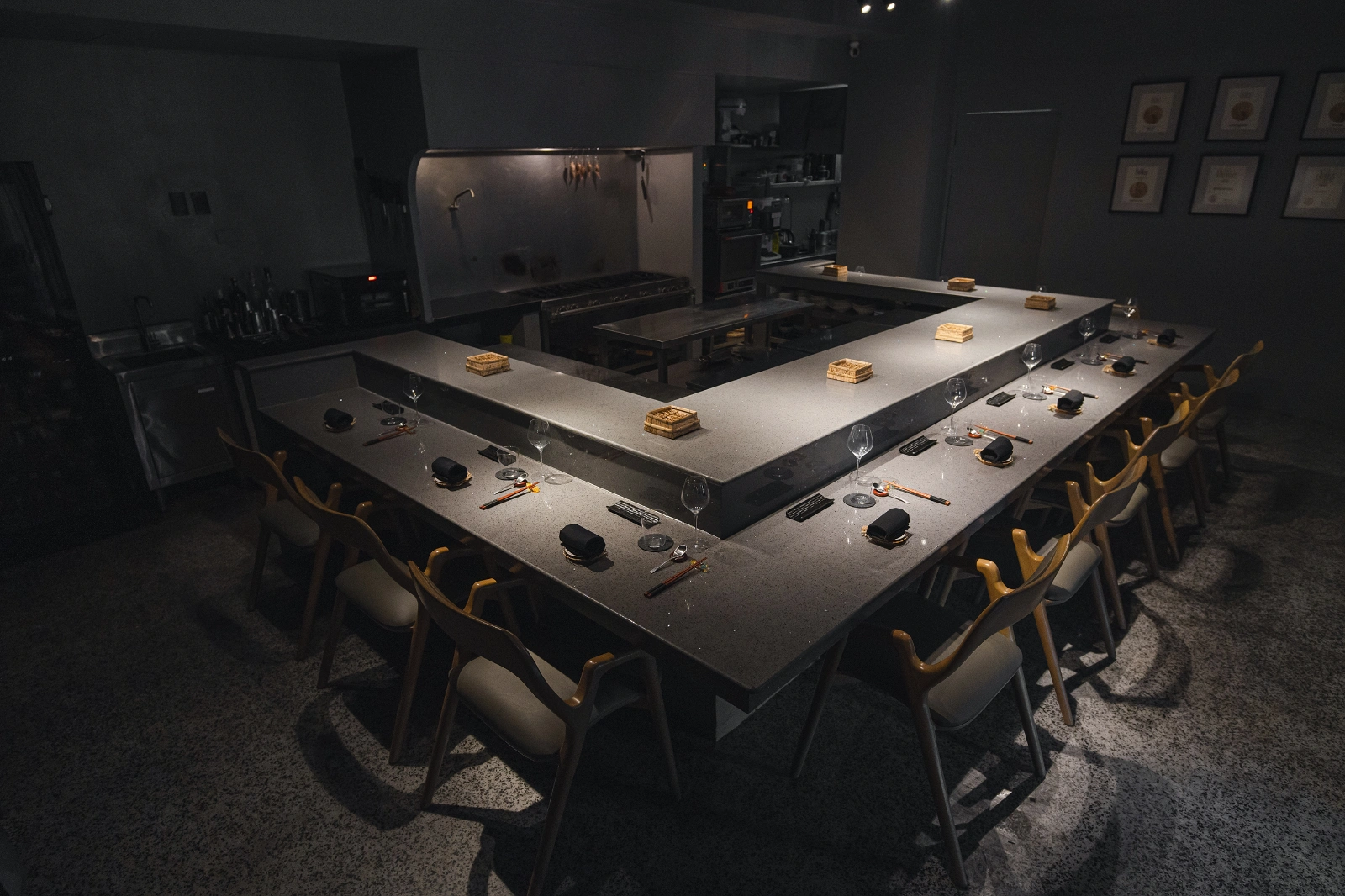
Tucked away in Cubao, Modan has become one of the city’s toughest reservations, with diners braving traffic to secure a seat. The name—“modern”—captures its essence: a progressive Japanese degustation rooted in tradition yet unafraid of reinvention. The 12-seat room is cozy rather than flashy, placing focus squarely on the food and the conversation across the counter.
Among the dishes that helped put Modan on the map is the tebasaki: a chicken wing dried for three days, Peking duck–style, then stuffed with caviar rice and served with a shoyuzuke egg yolk. It’s emblematic of Mendez’s approach—bold ideas executed with precision.
With dexterity and a clear point of view, Mendez has positioned Modan as a trailblazer in Manila’s fine-dining scene. What sets him apart isn’t only his command of Japanese flavors, but his ability to reinterpret them through a Filipino lens, balancing tradition and innovation with notable finesse.
Toyo Eatery
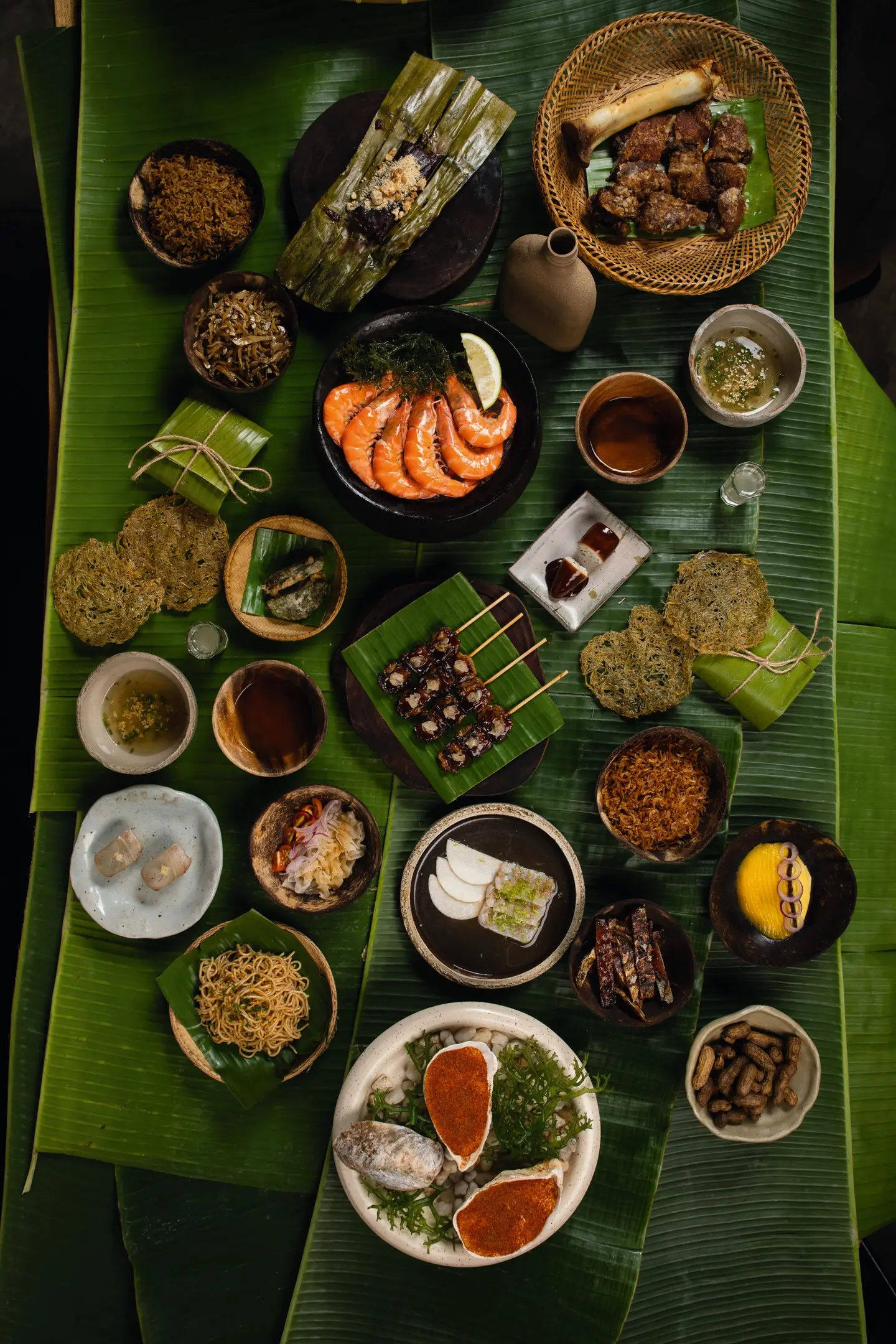
Toyo Eatery adds to the layered story of Filipino dining by fusing tradition and modern presentation with fearless creativity—and a sense of fun. Chef Jordy Navarra and his team are known for transforming often-overlooked local ingredients into dishes that feel both familiar and surprising. The acclaimed three-cut pork barbecue and the playful bahay kubo vegetable dish—drawn from the folk song—capture the restaurant’s aim to express the soul of Filipino life on the plate.
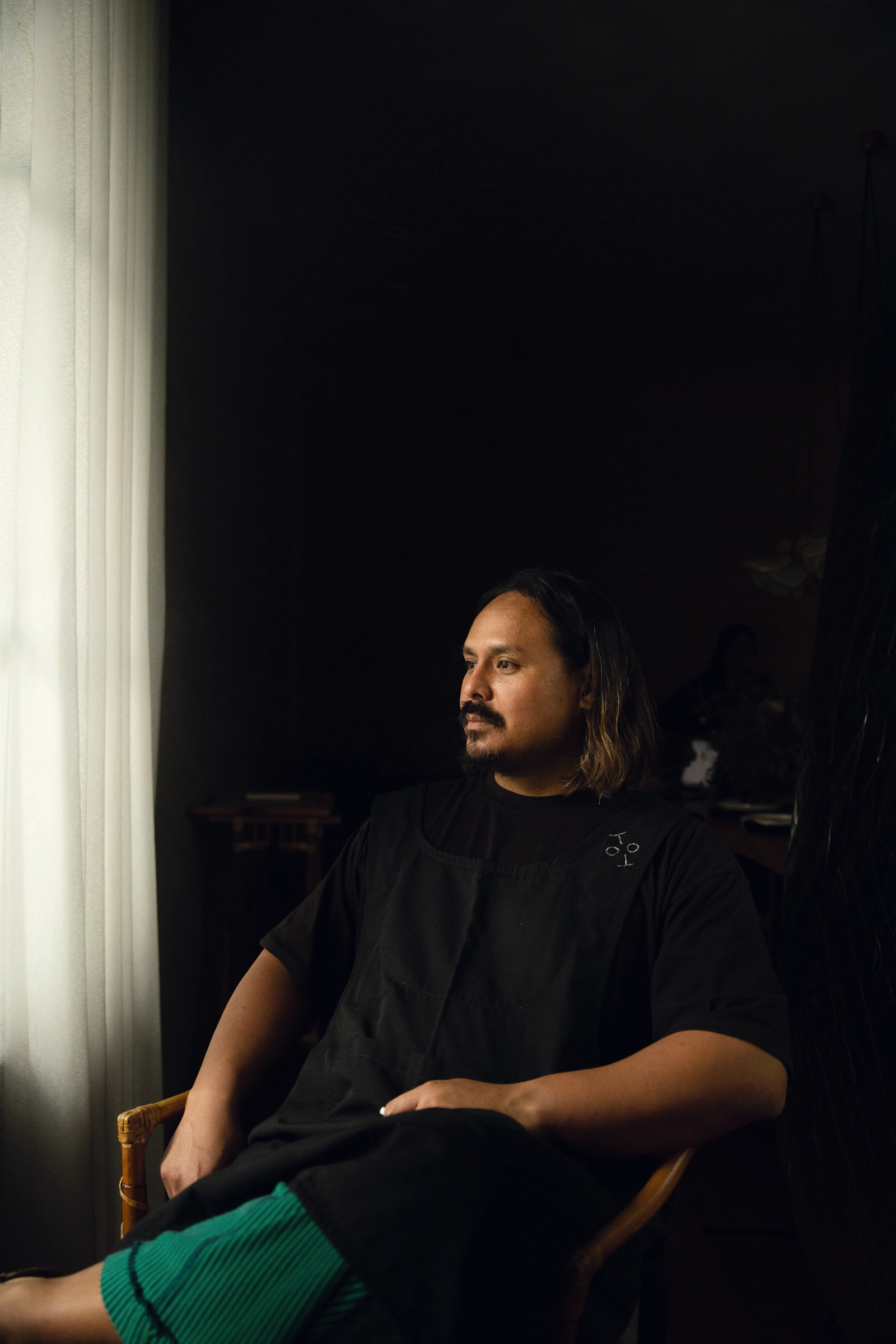
Each visit reads as a dialogue between past and present: recipes handed down through generations are reframed with care and clarity. Beyond the food, Toyo Eatery treats hospitality as storytelling—servers, dishes, and small gestures come together to form a narrative of Filipino identity. Its steady recognition only confirms what regulars already know: Toyo Eatery is a bold, world-class expression of what it means to eat Filipino today.
For a complete list of Robb Report Philippines’ Best of the Best awardees, click here.