Watch World Bets on Wealthy Collectors in Hard Times




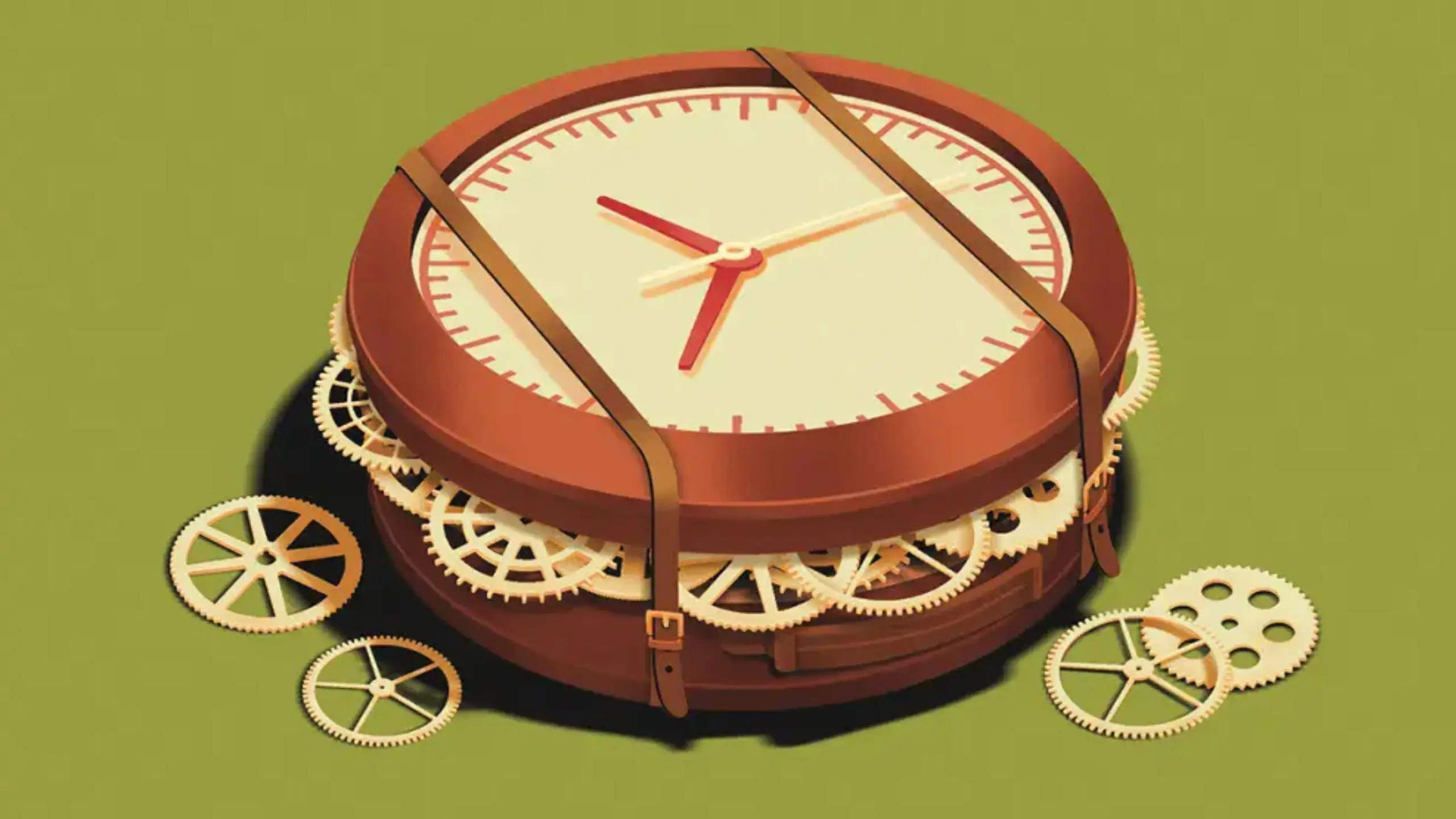
Despite global economic uncertainty and bombshell tariffs announced during Watches & Wonders—the horological industry’s largest annual trade show—the world’s best watchmakers released a flurry of ultra-high-end timepieces in 2025, suggesting they’re betting on the wealthiest consumers to keep businesses ticking.
It’s a continuation of a trend from last year. According to Morgan Stanley’s 2024 Swiss Watch Industry Report, watches priced above $30,500 accounted for 69 percent of market growth and 44 percent of the industry’s total value. This refocusing has resulted in groundbreaking advancements, from feats of micro-engineering that make timepieces smaller and more accurate to long-awaited simplifications of the perpetual calendarPerpetual CalendarA watch complication that automatically tracks the date, day, month, and leap years, requiring no manual adjustment until the year 2100 in most cases. The perpetual calendar demonstrates remarkable mechanicalGo to Perpetual Calendar Glossary.
The achievements in mechanical watchmaking were ambitious and, in some cases, grandiose. At the apotheosis of technical wizardry, Vacheron Constantin debuted the most complicated wristwatch in the world, the Les Cabinotiers Solaria Ultra Grand ComplicationGrand ComplicationA watch combining several of the most difficult mechanical functions, typically a perpetual calendar, minute repeater, and chronograph. Grand complications represent the summit of watchmaking skill, and these rare, multi-year,Go to Grand Complication Glossary-La Première. The Solaria packs 41 complications into one piece and is the work of a single watchmaker over eight years of development. But beyond its marketing bravado and singularity as a collector’s item, one can imagine that the R&D—such as shrinking and reengineering components including 10 patented inventions (three more are pending)—will likely be used to improve other Vacheron pieces in the future.
Other technological innovations were more immediately practical. Audemars Piguet’s game-changing perpetual calendarPerpetual CalendarA watch complication that automatically tracks the date, day, month, and leap years, requiring no manual adjustment until the year 2100 in most cases. The perpetual calendar demonstrates remarkable mechanicalGo to Perpetual Calendar Glossary, launched in February, revolutionized the user experience with calendar functions that can all be adjusted (backward and forward) via one crown, eliminating the infamous headache that accompanies setting this kind of complication. At least seven top luxury watchmakers release perpetual calendars this year—some in multiple iterations, others in combination with minute repeaters.
But apart from technological advancements, there were other over-the-top offerings, too. A few box sets from Chanel and Hublot proposed six- to seven-figure collections in one fell swoop for a single buyer. Elsewhere, expensive stone dials and gem-setting raised the bar for entry.
It’s a bold strategy: fewer clients, bigger statements, and timepieces that push the boundaries of what’s mechanically—and financially—possible. But it’s driving innovation. And while only the ultra-wealthy may get to wear the future first, the ripple effects of these horological marvels will ultimately shape the watches of tomorrow for everyone.
Illustration by Nash Weerasekera
This article originally appeared in Robb Report US.