Remembering Margarita




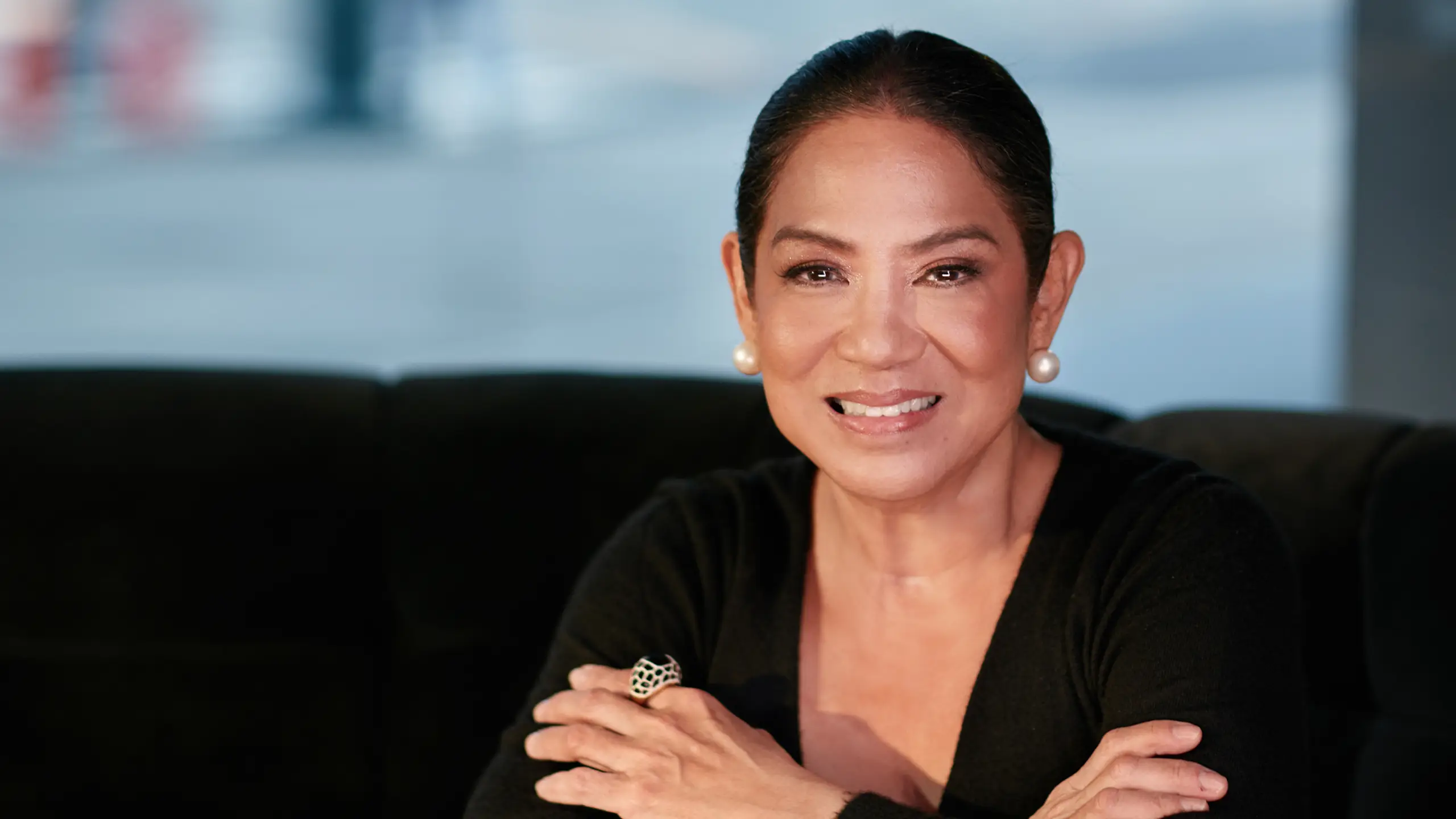
The last time I saw Margarita Forés was in mid-October. It was the first of a planned series of meetings to work on something she’d never done before—a book in her own words, an official account of a life spent pursuing creativity in multiple directions, but mostly in food. She had been thinking about her legacy lately and the book was one of many things that would help define it.
To me, Margarita seemed to be one of those rare comets whose purpose perfectly aligned with her passions. Here was a public figure, a globetrotting and pioneering Filipina who had been written about perhaps hundreds of times, in the Philippines and abroad, and whose origin story includes all the ingredients for a compelling if not glamorous read: for starters, a famously privileged childhood, followed by exile in 1970s New York, a coming of age in Italy and decades of shaping and reshaping food and dining culture in Manila and the rest of the Philippines. To hear her tell her own story so far, seasoned with all the vulnerability and expansion and wisdom of someone with nothing more to prove and everything to share, was going to be a dream adventure.
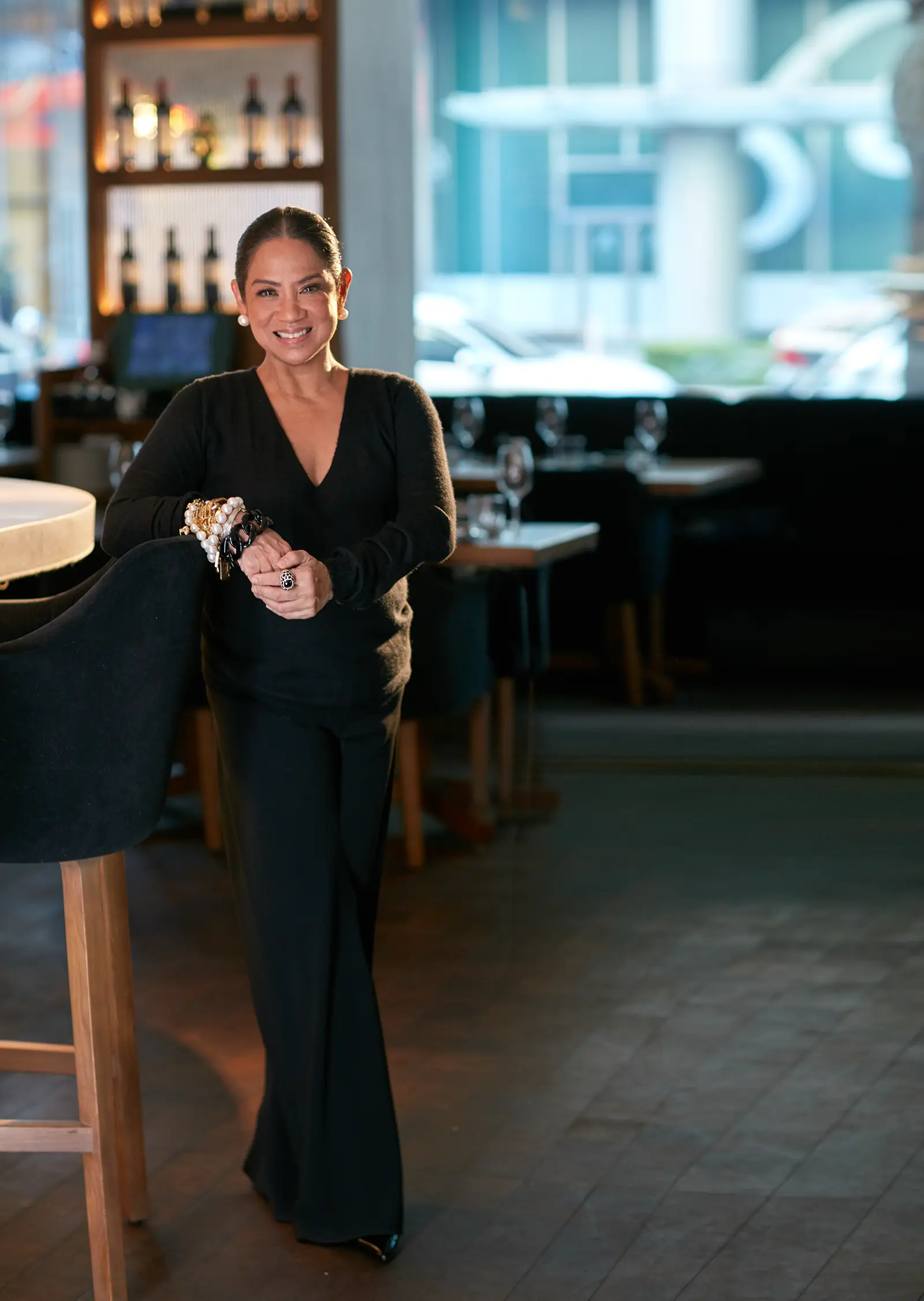
We had arranged to meet in Lusso Balmori Suites, a sister restaurant to the original, similarly jewel-toned Lusso in Greenbelt. Of all her restaurant concepts, Lusso draws most heavily from her childhood, one uniquely steeped in luxury travelLuxury TravelJourneys that emphasize exceptional service, privacy, exclusivity, and personalization, from private villas and chartered flights to curated local experiences. Today's luxury traveler prizes authenticity and meaningful encounters over mere opulence,Go to Luxury Travel Glossary and glamour, thanks mainly to her mother, the late style icon Baby Forés. Her grandfather, Amado Araneta, held the Philippine franchise of the Japanese department store Matsuzakaya, for which her mother worked as a buyer. This necessitated a lot of jetting around at a young age.
“[Lusso] is really reliving my experience traveling with my mom [as a young girl], whether it was at the lobby of the Peninsula in Hong Kong, sipping my first strawberry milkshake, or her allowing me to have my first sip of Champagne…or going to Harry’s Bar in Venice for the first time,” she said, describing the restaurant’s unapologetically old-school romance vibe. “That’s the experience I wanted to share in Manila when I put Lusso together in 2010, so that’s why the waiters are in white jackets. You don’t really see that anymore.”
She breezed in that night dressed in her usual head-to-toe black, charm bangles jangling on her wrists, oozing big founder energy: mildly jet-lagged, but at ease and in control. While she spoke her eyes registered almost everything in the space: guests needing attention, a surprising piece of cutlery (that I later learned was supposed to have been retired from use), Parmesan crisps that didn’t seem crispy enough. With the smallest of signals—a faintly amused smile, raised brows—she orchestrated the fix: one waiter attended to the table, and another came to replace the chips and take the teaspoon away. It was a very well-oiled machine.
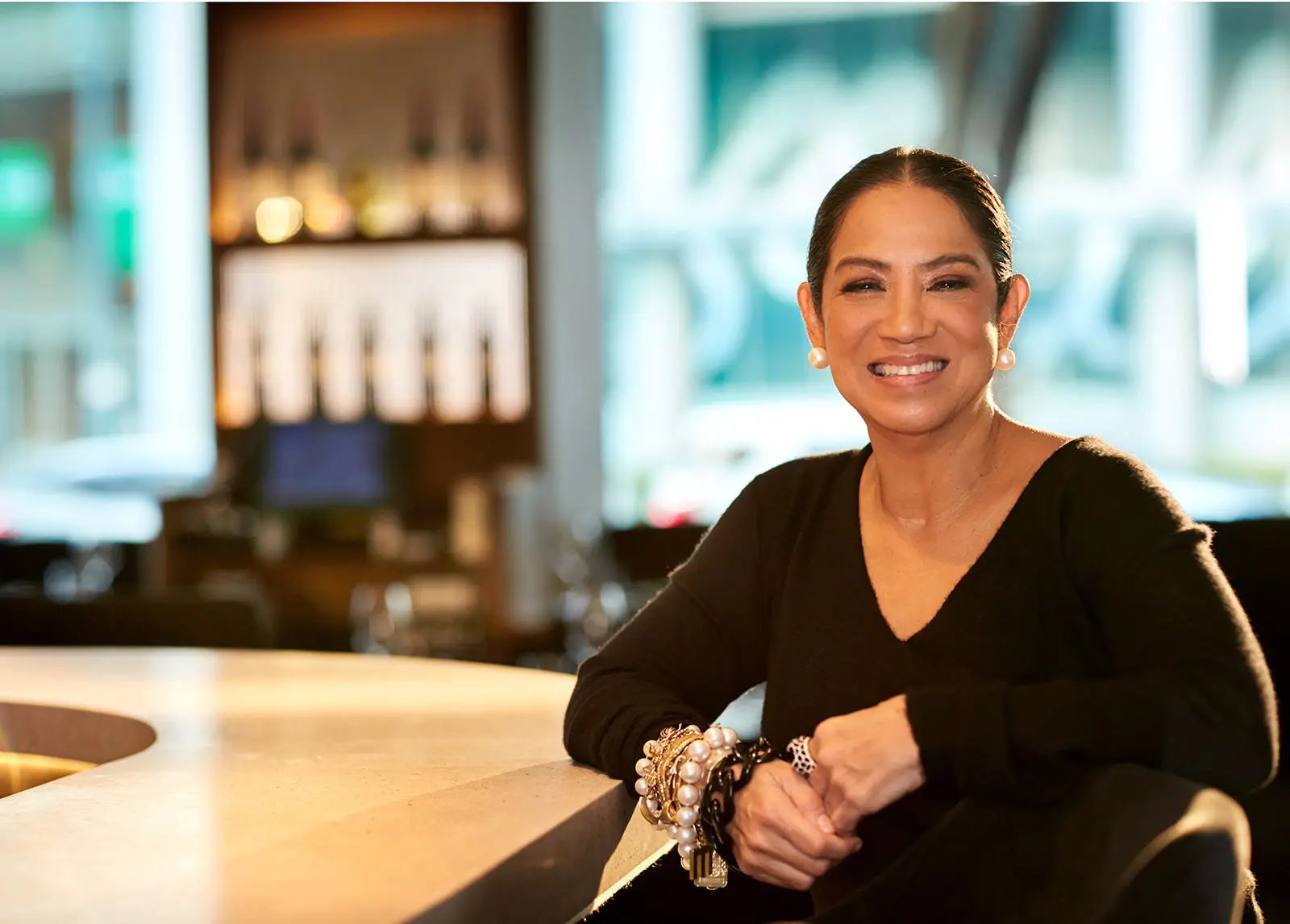
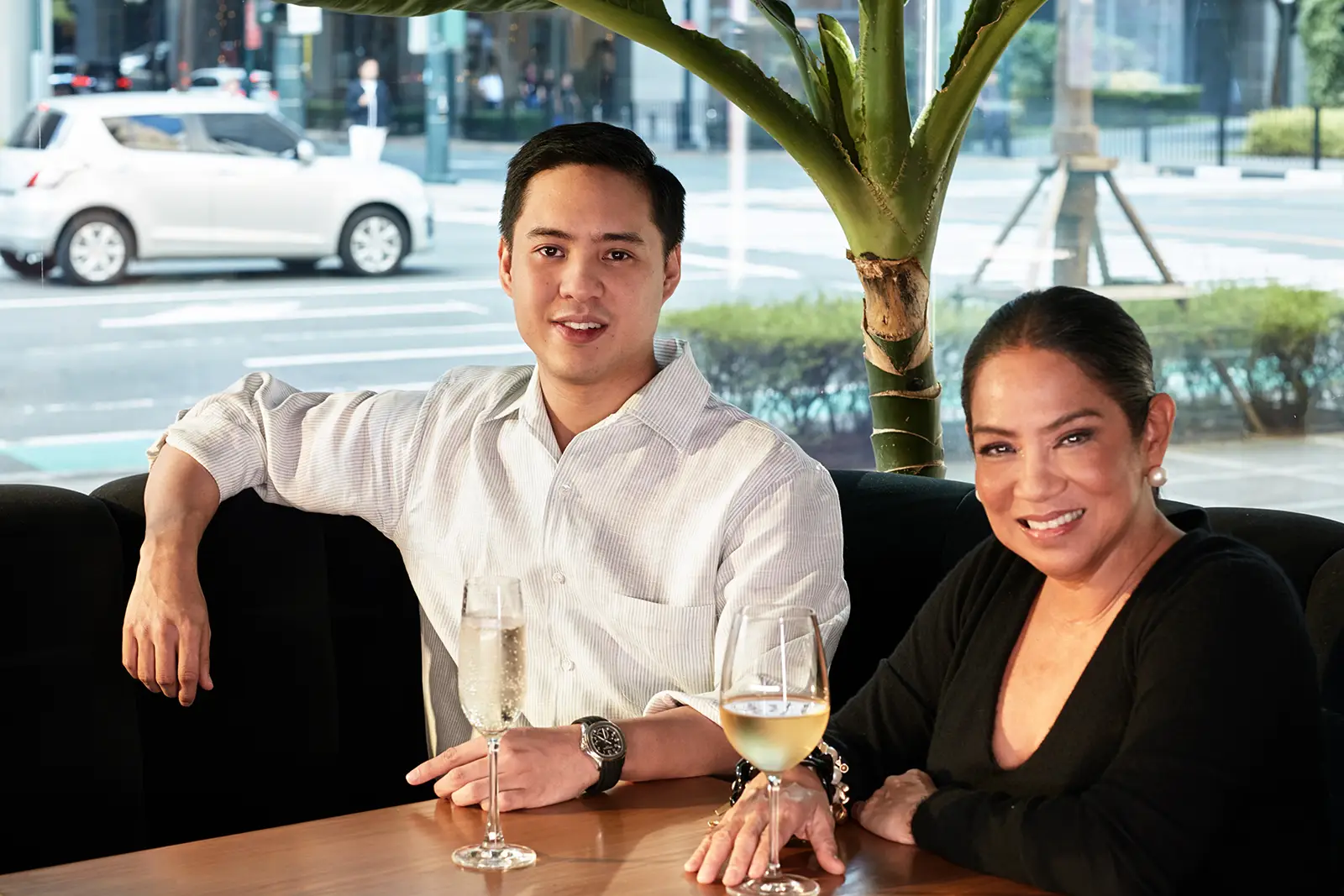
Even with the jetlag, she was still in work mode, but mostly, she was beaming. She had just come from a month in Italy, her spiritual homeland—she was fond of calling herself “Italian in a past life”—with son Amado Forés, the 34-year-old restaurateur currently and very quickly carving a name for himself in the industry.
After nearly four decades in the food business, her schedule was as busy as ever, with an average of six to 10 weddings a month. She was also in the middle of preparing to open a new signature restaurant. Finding that length of time for a holiday, the longest she could recall ever taking, was something of a minor miracle. As one might expect of chefs and restaurateurs abroad, mother and son ate their way across the country, finding time to check into Massimo Bottura’s country hotel, in Emilia-Romagna.
They had come home to some great news. Amado’s pizza and pasta restaurant, A Mano, had just been named 96th Best Pizzeria in the World by 50 Top Pizza, with a side accolade of “Best Pasta Proposal – Pastificio di Martino Award”.
“In the world, imagine?” She describes the velocity of Amado’s turbocharged rise to the top—three restaurant concepts and six outlets in the space of five years—with obvious maternal pride, the picture of a woman who knows she had done well, on so many levels.
Mere months later, on February 11, Amado’s Instagram post announcing her untimely passing sent shockwaves across the country and the whole global culinary community. The tributes that flowed gave a sense of what Margarita Forés had brought to the table, nothing short of a satisfying feast guaranteed to feed us for a long time to come. More than the milieu-defining chain of restaurants, more than the refracted glow-up her professional successes—including international accolades such as Asia’s Best Female Chef in 2016—gave the country, she was a cultural force, a towering talent with a seemingly bottomless well of energy, and a champion of creativity whose generosity knew no bounds.
In her lifetime, Margarita Forés had presided over a food empire that, if you had to put a pin on it, began in the home kitchens of Italian signoras—in Florence, Italy, and Rome— where she first learned her craft. It’s an empire with a thoroughly documented trajectory and a fully discernible center populated by her group of restaurants: Cibo, Grace Park Dining and Lusso, one-offs such as The Loggia by Margarita Forés at Palacio de Memoria and Museya Kafe at the Ayala Museum—on top of the longer-running catering business.
Its edges, however, are less clearly defined, and it’s fair to say that the rays of her influence shine well beyond the culinary industry. An entire generation will always remember the 1997 opening of the first Cibo in Glorietta Mall, a narrow strip of a restaurant, all stainless steel and buffed concrete with touches of punchy colors, orange and green. A buttoned-down yet still elegant Italian affair where the reliably standout flavors were the true stars, and where you could meet for casual dates, special celebrations, or a lunch-hour panini.
In the course of her career, she had elevated the art of wedding catering to one that instantly telegraphed a sense of elegance and style. She had cooked for visiting royalty, heads of state, and rock legends, always leaning into distinct flavors that showcase Filipino cuisine.
And like many visionary chefs before her, she had parlayed her influence into larger causes, from community building (you’d be hard-pressed to find another Filipino chef with such a global network and reach) and food security, to gastronomy tourism as an ambassador for the United Nations’ World Tourism Organization. She hosted several food and travel shows on local television. She helped pioneer the local farm-to-table movement, championing indigenous ingredients sourced from smallholder provincial farms and top-billing them in dishes served at Grace Park.
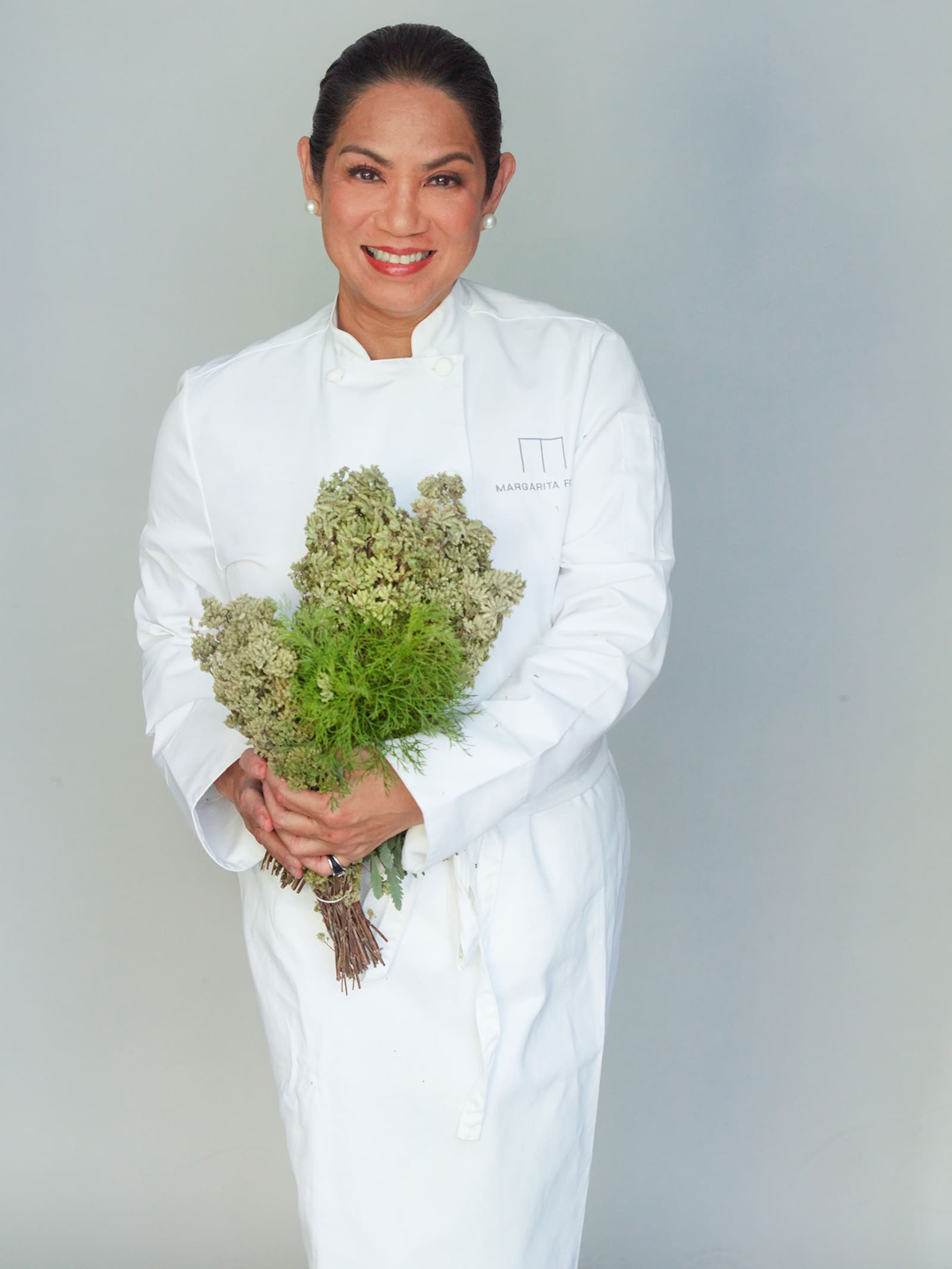
She was, and continues to be, an inspiration for many young women who dream of helming their own restaurants. In a speech she was to deliver last March, published posthumously, she’d written, “As a woman, I’ve always seen food as a universal language of care. In Filipino and Italian traditions alike, cooking is how we express love, celebrate milestones, and nurture those we hold dear. It’s no coincidence that many of the most cherished culinary traditions in the world are passed down by women.
But food is also a tool for leadership. Through the years, I’ve had the privilege of sharing Filipino cuisine on global stages—whether cooking for world leaders, collaborating with chefs internationally, or mentoring the next generation of talent. In these moments, I’ve seen how food can open doors, spark conversations, and build bridges between cultures.”
Once, when I asked how she felt about the word ‘female’ in the Asia’s Best Female Chef Award, her response had been pragmatic and implied a lot of grit: “It’s a good way to recognize and acknowledge the challenges that women have to overcome in a field dominated by men. So it’s something.”
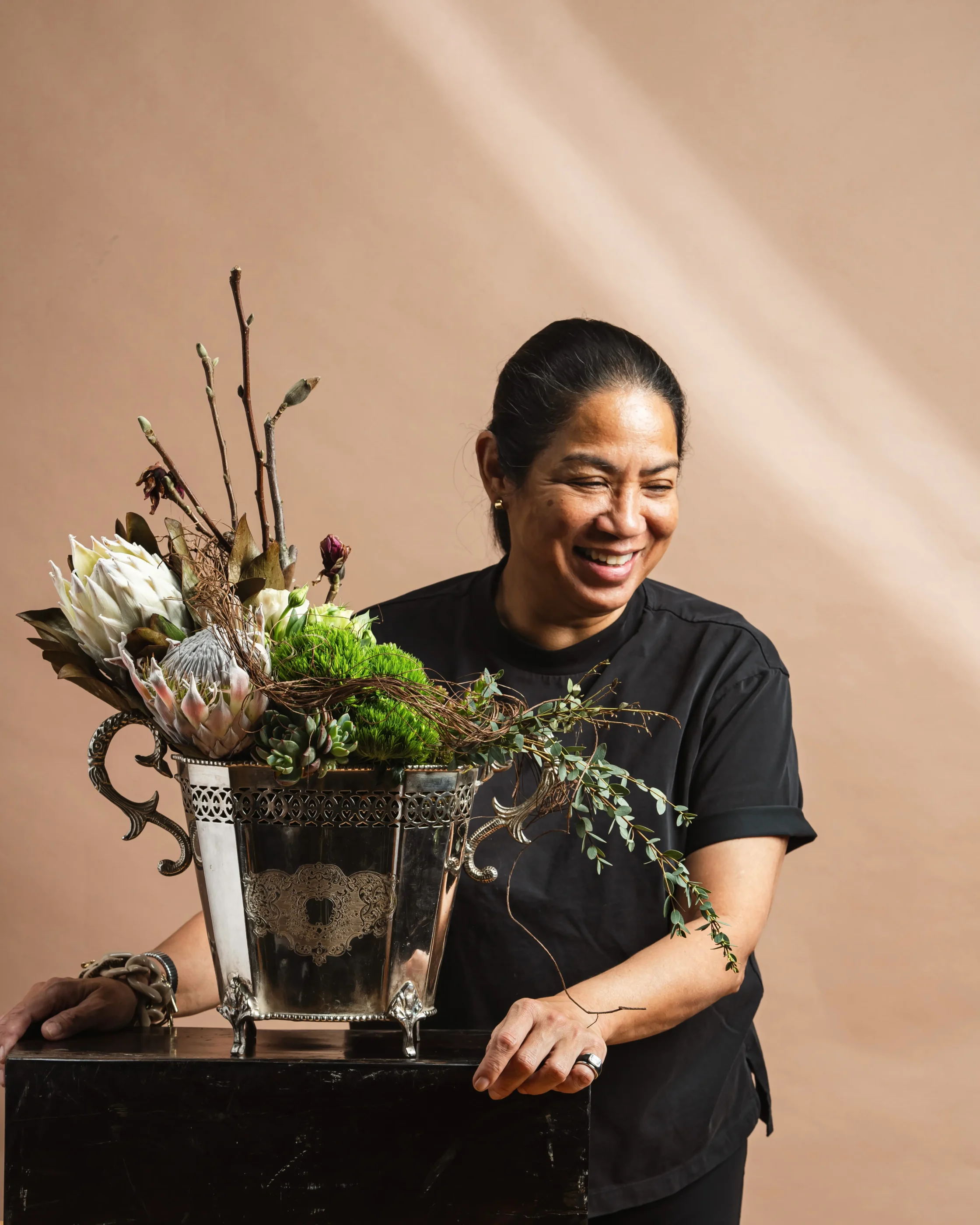
This sense of purpose fuelled such a fire that only grew with the years. “Being in the moment with my work all the time is really what keeps me happy with my existence,” she told Robb Report Philippines. “So, I don’t think retirement is really in the picture.”
But preparing for the next stage was. At the time of her passing—in Hong Kong due to cardiac arrest— she had been preparing to open a long-overdue signature restaurant, Margarita, at a spectacular location, on the arrowhead of the Ayala Triangle Gardens. She had been deep in design discussions with interior architect and designer Sean Dix, who works out of Hong Kong and Milan, and who has designed some of the most memorable dining spaces in Asia, including Amado’s Steak and Frice in Bonifacio Global City, Taguig.
Margarita the restaurant was going to be her most personal venture, one that would serve the experience of a lifetime as well as the mark of favorite creative collaborators. She liked working with Sean, for example, because of a certain kinship. “We have parallel experiences. He’s American, but he grew up in the Philippines because his parents were [in the] Peace Corps, and he lived here for two to three years, so he gets it,” she told me. She credited Sean’s Milan connection with providing him a comfortable window into her own Italian sensibilities, an important point.
If Lusso was a nod to her childhood, the new restaurant was to be a kind of feather in her cap. “I think it’s mostly to leave a nice legacy,” she said. “I’ve been working with my hands and food for the last 36 years. I think it’s time to have something that hopefully captures the essence of all that I’ve done.”
She was particularly pleased with how Sean had summed up the new restaurant’s design concept: “It’s Margarita wearing The Row and her bling,” a nod to her classically minimalist clothing style and penchant for chunky gold bracelets. This had made her laugh; it was the light and easy laugh of someone reveling in the freedom that the well-oiled machine she had created decades ago now afforded her. The freedom that gave her the space and energy to just continue having fun sans any pressure, and to work on legacy-defining projects and succession planning. “We’re bringing in the next generation,” she said, “it’s their time.”
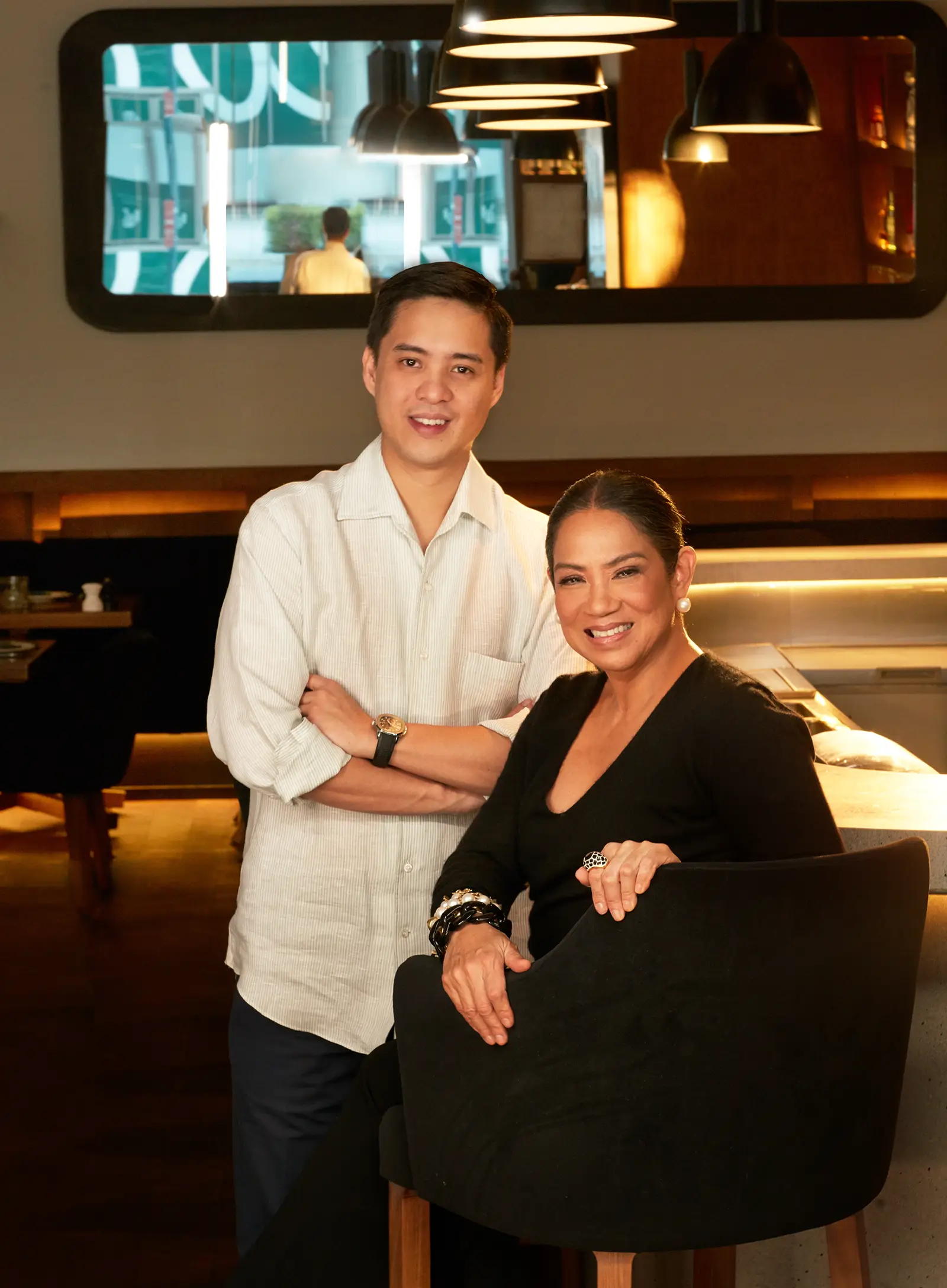
Most of all, it gave her time to spend with her son, who, it turns out, had become her favorite creative partner, the true jewel in her crown. She said, “He and I have one more thing we want to do together, a really nice Filipino restaurant, everything from north to south, using the most premium ingredients.”
For someone who liked to live in the moment, vivere il momento, what she then told me that night in Lusso strikes me now, in the light of all that’s happened, as an almost spiritual non-attachment to whatever may come.
“When I look at what my son is doing, I think he’s got it,” she had said, “and I’m happy that he’s been pushing me to do this [restaurant] because he feels like it would be a great way to cap my four decades of work and, at the same time, I feel assured that he’ll be around to keep it going…He’s like an improvement of me—what more can anyone want?”
Portraits of Margarita Forés and Amado Forés by Mark Nicdao; hair and makeup by Lala Flores. Photographed for Robb Report Philippines, October 2024
This article originally appeared in Robb Report Philippines’ Car Issue, April 2025.
Frequently Asked Questions
Margarita Forés was a pioneering Filipina chef and restaurateur who built a food empire over nearly four decades, including restaurants like Cibo, Grace Park Dining, and Lusso, a long-running catering business, and international recognition such as Asia’s Best Female Chef in 2016.
Her restaurant group included Cibo (which opened its first branch in Glorietta Mall in 1997), Grace Park Dining, Lusso, and one-off concepts such as The Loggia by Margarita Forés at Palacio de Memoria and Museya Kafe at the Ayala Museum, alongside her catering business.
Margarita was set to be her most personal restaurant venture, located at the Ayala Triangle Gardens, developed in collaboration with interior architect Sean Dix. It was intended as a capstone project reflecting her four decades of work in food.
Amado Forés, a restaurateur building his own reputation in the industry, was described as her favorite creative partner. His restaurant A Mano was named 96th Best Pizzeria in the World by 50 Top Pizza shortly before her passing, and the two had plans to open a Filipino restaurant together.
She passed away on February 11 due to cardiac arrest in Hong Kong, while she was in the midst of preparing to open her new signature restaurant, Margarita.